Table of Contents
Over the years, cocoa powder and cocoa liquor have become important ingredients in the chocolate manufacturing process, but their distinct characteristics can significantly impact flavor, texture, and functionality in finished products. Manufacturers must understand the key differences between these two cocoa products to optimize their formulations and meet consumer expectations. There is a term that cocoa powder vs cocoa liquor is as an intense competition in chocolate world. This blog post aims to inform readers about the properties, production methods, and applications of cocoa powder and cocoa liquor, ensuring they make well-informed decisions in their production processes.
Understanding Cocoa Powder

The process of creating high-quality cocoa powder involves the careful extraction of cocoa solids from cocoa beans, leaving behind a fine, rich powder that carries distinct flavors and attributes. Typically, cocoa powder is used for baking, cooking, and beverages, making it a staple ingredient in various culinary creations.
- Definition and Production Process
Powder is derived from cocoa beans, which undergo fermentation, drying, roasting, and pressing to extract cocoa liquor. The remaining solids are then ground into a fine powder. Depending on the production process, cocoa powder can be either natural or alkalized, resulting in varying flavor profiles and colors.
- Nutritional Profile and Uses
Around the world, cocoa powder is recognized for its rich antioxidant content, providing necessary minerals like iron, magnesium, and zinc. It is commonly used in baking recipes, chocolates, and beverages, enabling manufacturers to create delicious products while enhancing the nutritional value.
Cocoa powder also contains flavonoids, which contribute to potential health benefits such as improved heart health and reduced inflammation. Its versatility in the kitchen allows it to be incorporated into various dishes, from desserts to savory sauces, making it an invaluable ingredient for manufacturers seeking to diversify their product offerings.
Understanding Cocoa Liquor
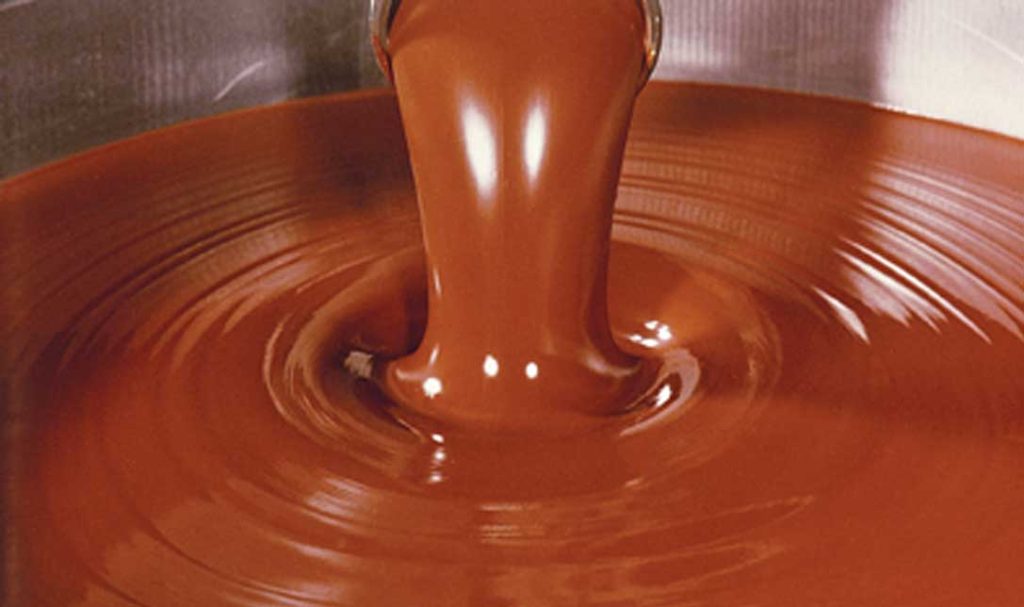
Some manufacturers may find cocoa liquor to be a pivotal ingredient in chocolate production. It is a pure chocolate ingredient created by grinding cocoa beans, resulting in a thick paste that contains both cocoa solids and cocoa butter. This crucial component is versatile and forms the backbone of various chocolate formulations.
- Definition and Production Process
Below, the definition of cocoa liquor encompasses its origin from roasted cocoa beans, which are crushed to produce a thick liquid. This process involves separating the outer shell from the cocoa nibs, followed by grinding the nibs to release the natural cocoa butter, creating a mixture that is rich in both flavor and texture.
- Nutritional Profile and Uses
The nutritional profile of cocoa liquor includes significant amounts of flavonoids, minerals, and healthy fats. They often use it in baking, confections, and chocolate production, providing both rich flavor and health benefits. Its antioxidant properties and moderate calorie content contribute to its demand in various culinary applications.
Cocoa liquor serves not only as a flavor enhancer but also adds a creamy texture to products. Manufacturers value its ability to impart depth to chocolate and desserts while being a source of beneficial compounds. The incorporation of cocoa liquor can elevate consumer products, promoting a sense of indulgence while also appealing to health-conscious customers.
Key Differences Between Cocoa Powder and Cocoa Liquor

Clearly, cocoa powder and cocoa liquor serve distinct purposes in the culinary and manufacturing worlds. Cocoa liquor is a thick paste made from ground cocoa beans that retains a significant amount of cocoa butter, whereas cocoa powder is the dry product that remains after fat is removed. Understanding these differences is vital for manufacturers looking to optimize their recipes and products.
- Fat Content Comparison
Behind the differences in texture and functionality lies the fat content, which varies significantly between cocoa powder and cocoa liquor. The following table illustrates this comparison:
Fat Content Comparison
| Cocoa Powder | Cocoa Liquor |
|---|---|
| About 10-20% fat | About 50-55% fat |
- Flavor and Aroma Profiles
Between cocoa powder and cocoa liquor, the flavor profiles differ significantly. Cocoa liquor offers a rich, bold chocolate taste due to its higher fat content, which enhances the overall flavor experience. Cocoa powder, on the other hand, has a more concentrated cocoa flavor but tends to lean towards a drier, slightly bitter profile.
And, the aroma of cocoa liquor is more pronounced, exuding a deep, luscious chocolate scent that can elevate any product. Cocoa powder provides a subtler aroma, which may be beneficial in certain recipes where a mild chocolate scent is preferred over a robust one. Manufacturers should consider these sensory attributes when selecting between the two for their applications.
- Applications in Manufacturing
Below, the applications of cocoa powder and cocoa liquor highlight their respective roles in food production. Cocoa liquor is often utilized in chocolate creation, providing the melting quality needed for enrobing and molding. Conversely, cocoa powder finds its niche in baked goods, beverages, and seasoning blends, offering unique flavor without altering texture significantly.
Profiles of cocoa powder and cocoa liquor demonstrate their versatility in manufacturing processes. Cocoa liquor is ideal for artisanal chocolates and confections, while cocoa powder is widely used in cakes, cookies, and hot chocolate mixes. Understanding these distinctions enables manufacturers to choose the right ingredient for their specific product needs, optimizing flavor, texture, and overall appeal.
Impact on Product Quality
Unlike cocoa liquor, which contains both cocoa solids and cocoa butter, cocoa powder is usually fat-reduced, leading to different qualities in the final product. Manufacturers must acknowledge that cocoa powder produces a drier texture, while cocoa liquor contributes a richer mouthfeel, influencing the overall quality of chocolates and confections.
- Role in Chocolate Production
Along with contributing to flavor, both cocoa liquor and cocoa powder play distinct roles in chocolate production. Cocoa liquor serves as a primary ingredient, delivering the foundation of chocolate flavor, while cocoa powder is often added after conching to adjust taste profiles and color without altering the fluidity of chocolate. Choose the appropriate component based on the intended use in the chocolate-making process.
- Influence on Texture and Flavor
Against cocoa powder’s intense cocoa flavor, which may lend a bittersweet note, cocoa liquor brings a smooth richness that enhances the overall chocolate experience. Assess how each ingredient affects the final product’s taste and consistency.
Even small variations in the ratio of cocoa liquor to cocoa powder can dramatically affect the texture and flavor profiles of the finished product. Manufacturers should keep in mind that cocoa liquor’s higher fat content provides a silky mouthfeel, while cocoa powder adds a more pronounced chocolate flavor and dry finish. Consider these factors carefully during formulation to ensure that the end product meets consumer expectations in both flavor richness and texture.
Cost Considerations
Once again, cost plays a significant role in the decision-making process when choosing between cocoa powder and cocoa liquor. Manufacturers must assess not only the initial purchase prices but also the potential long-term implications on production budgets. Understanding the cost structures of both ingredients can lead to more informed choices and ultimately enhance profitability.
- Pricing Differences
By examining the pricing variations between cocoa powder and cocoa liquor, it becomes clear that cocoa liquor typically has a higher price point due to its more complex production process. This disparity in pricing can influence a manufacturer’s budget and affect their choice based on project requirements and cost efficiency.
- Economic Impact on Manufacturing
Beside the direct costs associated with raw materials, the economic impact on manufacturing extends beyond just pricing. Manufacturers may find that the choice of ingredient can affect labor, equipment, and time efficiency, ultimately impacting overall productivity and financial health.
Also, the economic ramifications are significant as they can influence supply chain decisions, sourcing strategies, and even market positioning. Depending on the scale of production, opting for one ingredient over the other may lead to varying operational costs and efficiencies. Therefore, manufacturers must carefully evaluate how the choice between cocoa powder and cocoa liquor aligns with their long-term economic goals and market competitiveness.
Choosing the Right Ingredient for Your Needs
All manufacturers must assess their specific requirements when selecting between cocoa powder and cocoa liquor. Each ingredient serves distinct purposes and can significantly impact the final product’s flavor, texture, and appearance, making the choice integral to maintaining product quality.
- Factors to Consider
About understanding the differences involves evaluating several key factors, including:
- Desired flavor profile
- Texture and mouthfeel requirements
- Fat content considerations
- Intended use in recipes or formulations
Perceiving these factors can aid in making an informed decision based on the manufacturer’s goals.
- Recommended Uses for Each
Uses of cocoa powder and cocoa liquor can vary significantly based on their unique properties. Cocoa powder is often preferred for baking, where a dry ingredient is necessary, while cocoa liquor is ideal for confections and chocolates that require smoothness and richness.
Needs dictate that cocoa powder is frequently utilized in recipes for cookies, cakes, and beverages, where a less potent chocolate flavor is adequate. Conversely, manufacturers producing chocolate bars or ganaches will lean towards cocoa liquor to ensure a rich, intense chocolate experience. By aligning the choice of ingredient with the desired end product, manufacturers can enhance the overall quality of their offerings.
Summing up
Conclusively, understanding the distinctions between cocoa powder and cocoa liquor is vital for manufacturers in the chocolate and confectionery industry. You need to recognize that cocoa powder is a dry ingredient used primarily for flavor and color, while cocoa liquor is the foundational element that gives chocolate its rich texture and flavor. By grasping these differences, manufacturers can effectively choose the appropriate ingredient for their products, ensuring a better outcome in terms of taste, texture, and overall quality.