Table of Contents
Just as the quality of your chocolate beverages can make or break your brand, choose the best cocoa powder for chocolate beverages is crucial to achieving that perfect taste and texture. In this guide, you will discover key factors to consider when selecting the best cocoa powder for your creations, from flavor profiles and processing methods to the right level of fat content. Equip yourself with the knowledge to elevate your chocolate beverages and ensure customer satisfaction with every sip.
Understanding Cocoa Powder Types

To make informed decisions when selecting cocoa powder for your chocolate beverages, it’s vital to understand the different types available. Cocoa powder can vary in flavor, color, and acidity, influencing the final product’s taste and appearance. Here’s a brief overview of the two primary types:
| Type | Description |
|---|---|
| Natural Cocoa Powder | Unprocessed cocoa with a strong, chocolatey flavor. |
| Dutch-Processed Cocoa Powder | Cocoa that has been treated with alkali for a milder taste. |
| Acidity | Natural cocoa is more acidic; Dutch-processed has reduced acidity. |
| Color | Natural is lighter; Dutch-processed is darker. |
| Usage | Choose based on desired flavor profile and recipe requirements. |
- Natural Cocoa Powder
With its rich, intense chocolate flavor, natural cocoa powder is made from cocoa beans that are roasted and finely ground without any additional processing. This type retains a slightly acidic profile, which can enhance the chocolate flavor in beverages. When using natural cocoa powder, consider the balance with the other ingredients to achieve the desired taste in your final product.
- Dutch-Processed Cocoa Powder
With a more mellow flavor and darker color, Dutch-processed cocoa powder undergoes an alkalization process that neutralizes its natural acidity. This results in a smoother, less bitter taste, making it a popular choice for sweet chocolate beverages and recipes where a deep color is desired. Its unique characteristics allow you to craft beverages with a sophisticated chocolate profile.
And also Dutch-processed cocoa powder works particularly well in recipes that require baking soda, as the neutral pH means there’s no need for additional acid to activate leavening. It’s also excellent for achieving a rich color in your chocolate drinks, making them visually appealing to consumers.
Factors to Consider to Choose the Best Cocoa Powder for Chocolate Beverages

Some key factors to consider when selecting cocoa powder include:
- Flavor Profile
- Fat Content
- Color Intensity
Thou should take each of these elements into account to ensure the cocoa powder complements your chocolate beverage perfectly.
- Flavor Profile
Profile is an important component in selecting cocoa powder, as it influences the overall taste of your beverage. You should opt for cocoa with a robust and balanced flavor that aligns with your product’s desired profile, whether that’s rich and chocolatey or fruity and floral.
- Fat Content
After choosing a flavor, it’s important to consider the fat content of the cocoa powder, as this affects mouthfeel and richness. Higher fat cocoa powders generally yield a creamier texture in your beverage, while lower fat options lend a lighter body.
Further, the fat content also impacts the stability and shelf-life of your chocolate beverage. A powder with moderate to high fat can enhance emulsification and help retain moisture, creating a more luxurious drinking experience.
- Color Intensity
Any chocolate beverage’s visual appeal significantly relies on color intensity. When identifying cocoa powder, you should consider how dark or light the cocoa is, as this can influence customer perception and purchasing decisions.
In addition, a deep, rich color often communicates a bolder flavor, enticing consumers to choose your product. Brightly colored cocoa powders can be visually striking but may imply lighter taste profiles, so evaluate your beverage’s intended appearance and flavor when selecting your cocoa powder.
Quality Standards for Cocoa Powder
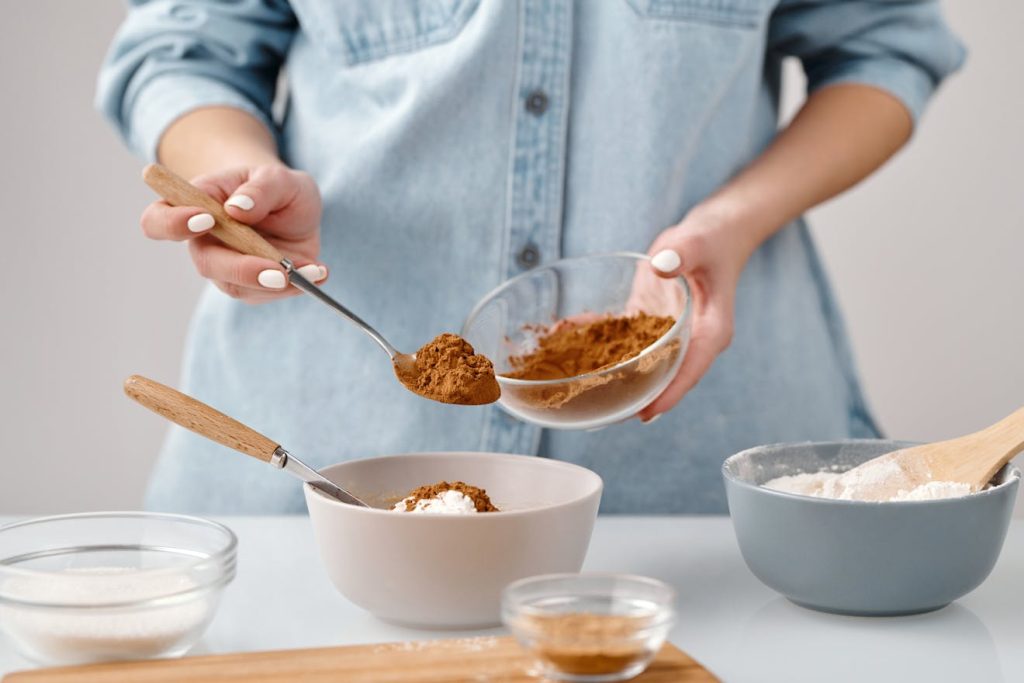
Unlike many other ingredients, cocoa powder quality can significantly affect the flavor and consistency of your chocolate beverages. It is important to consider factors such as the fat content, particle size, and the processing method used. High-quality cocoa powder should have a rich aroma and a deep, vibrant color, which reflect the quality of the cocoa beans sourced and the care given during processing.
- Sourcing and Production Methods
Against the backdrop of varying production methods, sourcing cocoa beans from reputable farms is vital to ensure high-quality cocoa powder. You should seek suppliers who prioritize sustainable practices, such as fair trade and organic farming. These practices lead to better flavor profiles while promoting ethical treatment of farmers and preserving the environment. The method of processing, including fermentation and drying, also impacts the final product’s quality, so attention to detail in sourcing is key.
- Certifications and Labels
Around the world, numerous certifications and labels can provide you with valuable insights into the quality and ethical standards of cocoa powder. Look for certifications such as Fair Trade, Rainforest Alliance, or USDA Organic, as these indicate that the cocoa has been sourced responsibly while supporting sustainable practices. These labels not only enhance the value of your product to consumers but also assure them of their commitment to quality and ethical consumption.
Production practices that adhere to recognized certifications and labels build trust with consumers and enhance your brand’s reputation. For instance, USDA Organic certification indicates that the cocoa powder has been produced without synthetic fertilizers or pesticides, ensuring a more natural flavor. Fair Trade certification promotes equitable trade practices, benefiting farmers and fostering sustainable farming methods.
Flavor Pairing and Chocolate Beverage Compatibility
Keep in mind that the flavor profile of your chocolate beverage can significantly impact its appeal. Selecting the right cocoa powder involves understanding its compatibility with various flavors, whether you’re aiming for traditional or innovative combinations. Balancing sweetness, acidity, and texture can turn a simple drink into a sophisticated offering that resonates with your target market.
- Pairing Cocoa Powder with Ingredients
After selecting the right cocoa powder, consider the other ingredients you plan to use. For instance, pairing cocoa with creamy bases like milk or plant-based alternatives can enhance the richness of your beverage. Additionally, experimenting with spices, such as cinnamon or vanilla, can further elevate the flavor profile and attract a broader audience.
- Targeting Different Consumer Preferences
Different consumers have varying tastes and preferences, so understanding your market is key. Crafting beverages that cater to health-conscious individuals, those with a sweet tooth, or even adventurous consumers can give you a competitive edge.
Another effective strategy is to create a range of products that appeal to diverse demographics. You can offer sugar-free options for health-conscious buyers, unique flavor infusions for those seeking novelty, or traditional recipes for consumers who prefer classic tastes. Engaging in market research can help you identify these preferences and tailor your products to meet the needs of each group, ensuring broad market appeal and customer loyalty.
Common Mistakes to Avoid
Despite the growing popularity of chocolate beverages, many manufacturers make common mistakes that can hinder their product’s success. By recognizing these pitfalls, you can enhance your cocoa powder selection process and ultimately create a superior beverage that satisfies your customers.
- Overlooking Sourcing Practices
Below, you’ll find the importance of sourcing quality cocoa powder from reputable suppliers. Prioritize transparency in sourcing practices to ensure that you are receiving high-quality products that meet ethical standards, which can enhance both your brand reputation and product quality.
- Neglecting Flavor Balance
Before finalizing your cocoa powder selection, focus on achieving a harmonious flavor balance. The right cocoa powder should complement other ingredients without overpowering them, creating a well-rounded beverage that delights the palate and encourages repeat purchases.
Overlooking flavor balance can lead to a product that either lacks depth or is overwhelmingly bitter or sweet. Aim for a cocoa powder that provides a robust yet balanced flavor profile, allowing the natural sweetness of other ingredients to shine through while still delivering that rich chocolate essence that consumers crave.
Cost versus Quality Debate
Now, when selecting cocoa powder for your chocolate beverages, it’s important to navigate the cost versus quality debate carefully. While lower-priced cocoa may seem appealing, it often lacks the depth of flavor and richness that consumers expect. You should consider how the quality of your cocoa reflects on your brand and influences customer loyalty, making the right investment pivotal for your product’s success.
- Budgeting for Cocoa Ingredients
With the right approach, you can establish a budget that balances quality and cost-effectiveness. Analyze your target market and determine how much you’re willing to invest in cocoa powder without compromising on flavor and customer satisfaction. Setting a clear budget allows you to make informed purchasing decisions while still catering to your audience’s expectations.
- Evaluating Long-Term Value
Value extends beyond the initial price—it’s about how your chosen cocoa powder enhances your beverage’s overall quality and brand reputation. You should assess the impact of your cocoa selection on repeat purchases and customer satisfaction, as high-quality ingredients can lead to increased loyalty and sales over time.
It’s important to recognize that investing in premium cocoa powder can yield long-term benefits that far exceed the cost differences. Higher quality cocoa often translates to better taste, enhanced customer experience, and potentially higher profit margins. By carefully evaluating the long-term value of your cocoa ingredients, you position your brand for sustained growth and profitability in a competitive market.
To wrap up
To wrap up, selecting the right cocoa powder for your chocolate beverages is important for achieving the desired flavor, texture, and overall quality. You should consider factors like processing type, fat content, and flavor profile to ensure your products meet consumer expectations. By understanding these elements and experimenting with various options, you can enhance your beverages and distinguish your brand in a competitive market. Make informed choices to delight your customers and elevate your chocolate offerings.