
In today’s competitive food industry, consistency is not optional—it is expected. Whether it’s a chocolate bar with a perfect snap, a smooth spread, or a stable beverage mix, manufacturers must deliver reliable texture and quality every time. This is where understanding chocolate stabilizer explained: role in modern chocolate becomes essential.
Chocolate is a complex system of fats, solids, and sometimes water-based ingredients. Without proper formulation, it can separate, bloom, lose texture, or degrade over time. Stabilizers play a critical role in preventing these issues, ensuring that chocolate products maintain their structure, appearance, and performance throughout their shelf life.
In this article, we break down what chocolate stabilizers are, how they work, and why they are indispensable in modern chocolate production—from industrial applications to everyday consumer products.
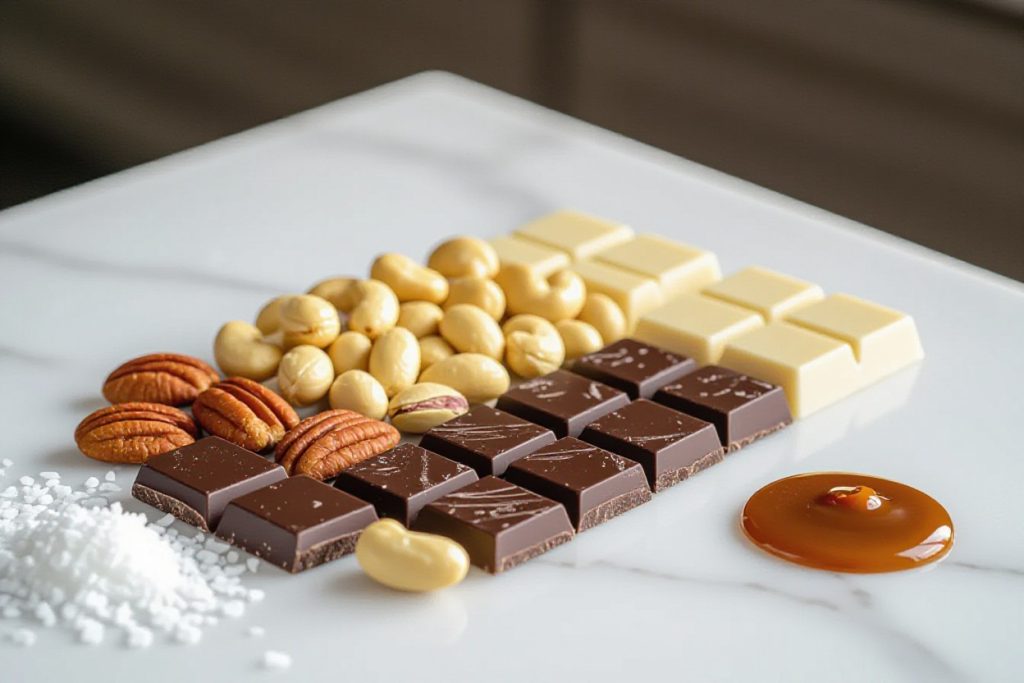
Chocolate Stabilizer Explained: Role in Modern Chocolate Formulation
To fully understand chocolate stabilizer explained: role in modern chocolate, it is important to define what stabilizers are and how they function within chocolate systems.
A stabilizer is an ingredient that helps maintain the physical and chemical stability of a product. In chocolate, stabilizers are used to control texture, prevent separation, and improve consistency. They are particularly important in products that contain additional components such as milk, water, or vegetable fats.
Common stabilizers used in chocolate and related products include emulsifiers like lecithin (often labeled as E322), as well as hydrocolloids such as carrageenan or guar gum. These ingredients work by improving the interaction between different phases—such as fat and water—within the formulation.
For example, lecithin reduces viscosity and helps distribute cocoa particles evenly in chocolate. This not only improves texture but also enhances processing efficiency by reducing the amount of cocoa butter needed.
Hydrocolloids, on the other hand, are often used in chocolate beverages and fillings to maintain thickness and prevent phase separation. They help create a stable structure that holds ingredients together over time.
Stabilizers are not about altering flavor—they are about ensuring that the product performs as intended from production to consumption.
Chocolate Stabilizer Explained: Role in Modern Chocolate Texture and Shelf Life
A key aspect of chocolate stabilizer explained: role in modern chocolate is its impact on texture and shelf life—two factors that directly influence consumer satisfaction.
Texture is one of the most important sensory attributes of chocolate. Consumers expect a smooth mouthfeel, consistent viscosity, and a pleasant melting experience. Stabilizers help achieve these characteristics by controlling how ingredients interact at a microscopic level.
In solid chocolate, stabilizers and emulsifiers contribute to a uniform distribution of cocoa solids and fats. This ensures that the chocolate melts evenly and does not feel grainy or uneven.
In liquid or semi-liquid products, such as chocolate syrups or spreads, stabilizers prevent separation. Without them, oil and water components can separate over time, leading to an inconsistent product that requires shaking or mixing before use.
Shelf life is another critical consideration. Chocolate products are susceptible to issues such as fat bloom and sugar bloom, which affect appearance and texture. While stabilizers do not completely eliminate these phenomena, they can help reduce their occurrence by improving structural stability.
Additionally, stabilizers help maintain product quality under varying storage conditions. Changes in temperature and humidity can affect chocolate, but a well-formulated product with appropriate stabilizers is more resistant to these environmental factors.
For manufacturers, this translates into fewer product defects, reduced waste, and improved customer satisfaction.
Chocolate Stabilizer Explained: Role in Modern Chocolate Industrial Applications
From an industrial perspective, chocolate stabilizer explained: role in modern chocolate is closely tied to efficiency and scalability. Producing chocolate at scale requires precise control over formulation and processing conditions.
Stabilizers enable manufacturers to achieve consistent results across large production batches. This is essential for maintaining brand quality and meeting regulatory standards. Without stabilizers, variations in raw materials or processing conditions could lead to inconsistencies in the final product.
In chocolate beverages, stabilizers are particularly important. They ensure that cocoa particles remain suspended in the liquid, preventing sedimentation. This is critical for ready-to-drink products and instant chocolate powders, where convenience and consistency are key selling points.
In compound chocolate and fillings, stabilizers help manage the interaction between cocoa, fats, and other ingredients. This is especially important in products that use vegetable fats instead of cocoa butter, as these systems can be more prone to instability.
Stabilizers also play a role in cost optimization. By improving flow properties and reducing viscosity, emulsifiers like lecithin allow manufacturers to use less cocoa butter without compromising quality. This can significantly impact production costs while maintaining product performance.
For businesses sourcing ingredients for chocolate production, working with reliable suppliers such as CocoaNusa ensures access to high-quality cocoa products that integrate well with stabilizer systems.
Chocolate Stabilizer Explained: Role in Modern Chocolate and Food Safety
Another important dimension of chocolate stabilizer explained: role in modern chocolate is its relationship with food safety and regulatory compliance.
Stabilizers used in chocolate are subject to strict food safety regulations. Ingredients such as lecithin (E322) and approved hydrocolloids have been extensively studied and are considered safe when used within recommended limits.
These ingredients not only improve product stability but also contribute to safety by maintaining consistent structure and preventing microbial growth in certain applications. For example, stabilizers in chocolate beverages can help maintain uniformity, reducing the risk of spoilage.
Transparency is also a growing concern among consumers. Many people want to understand what goes into their food and why. This has led to increased demand for clean-label stabilizers and natural alternatives.
Manufacturers are responding by using plant-based emulsifiers and minimizing the number of additives in their formulations. This balance between functionality and transparency is becoming a key factor in product development.
For those interested in food ingredient safety and regulation, this European Food Safety Authority resource provides detailed information on approved additives and their roles in food systems.
Understanding the safety and function of stabilizers helps dispel misconceptions and supports informed decision-making for both consumers and industry professionals.
Chocolate Stabilizer Explained: Role in Modern Chocolate Innovation
Innovation is another area where chocolate stabilizer explained: role in modern chocolate plays a significant role. As consumer preferences evolve, manufacturers must adapt by developing new products with improved functionality and appeal.
Stabilizers enable the creation of innovative chocolate formats, such as low-fat chocolate, plant-based chocolate, and functional chocolate products. These formulations often require precise control over texture and stability, which would not be possible without stabilizing agents.
For example, plant-based chocolate alternatives rely heavily on stabilizers to replicate the texture and mouthfeel of traditional chocolate. Similarly, reduced-sugar products use stabilizers to maintain structure despite changes in formulation.
Stabilizers also support the development of products with extended shelf life, which is particularly important for global distribution. As chocolate products travel across different climates and storage conditions, stability becomes a key factor in maintaining quality.
From a technical perspective, stabilizers allow for greater flexibility in formulation. This enables manufacturers to experiment with new ingredients and processes while maintaining product integrity.
Conclusion: Chocolate Stabilizer Explained in Practical Perspective
Understanding chocolate stabilizer explained: role in modern chocolate reveals how essential these ingredients are in today’s food industry. They are not simply additives—they are functional components that ensure chocolate products meet expectations in texture, stability, and performance.
From improving mouthfeel and shelf life to enabling large-scale production and innovation, stabilizers play a central role in modern chocolate formulation. While they may not be visible to consumers, their impact is evident in every consistent, high-quality chocolate product.
For businesses and product developers, choosing the right combination of cocoa ingredients and stabilizers is key to achieving optimal results. If you are exploring reliable cocoa solutions for your formulations, you can learn more through CocoaNusa, which provides specification-ready products for diverse applications.
Ultimately, understanding stabilizers is about understanding how chocolate works—and how to make it better.