In a global chocolate market shaped by supply fluctuations, sustainability concerns, and evolving consumer preferences, understanding origin matters more than ever. Buyers, manufacturers, and even end consumers increasingly ask where cocoa comes from—and why it matters. This is where Indonesian cocoa production: trends and global impact becomes a critical topic.
Indonesia has long been recognized as one of the world’s key cocoa producers. While it may not always dominate headlines like West African countries, its role in the global cocoa supply chain is both strategic and distinctive. From unique flavor profiles to growing downstream processing capabilities, Indonesia continues to influence how cocoa is sourced, processed, and consumed worldwide.
This article explores the current state of Indonesian cocoa production, the trends shaping its future, and its broader impact on the global chocolate industry.
Indonesian Cocoa Production: Trends and Global Impact Overview
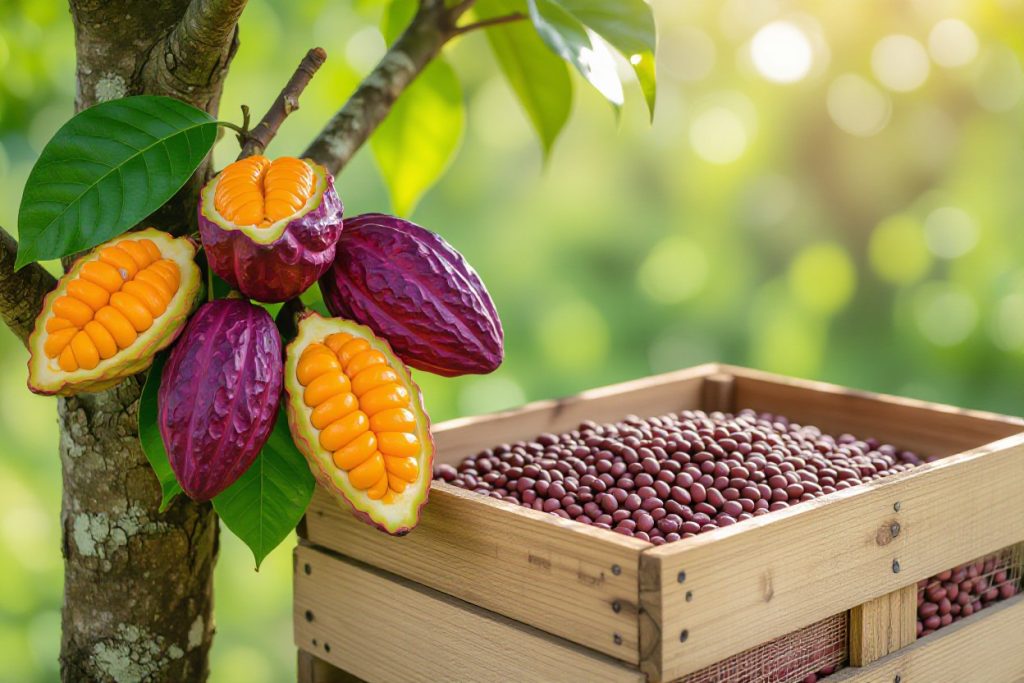
To understand Indonesian cocoa production: trends and global impact, it is essential to begin with the country’s position in the global cocoa landscape. Indonesia has consistently ranked among the top cocoa-producing countries, alongside Ivory Coast and Ghana. Its production is primarily concentrated in regions such as Sulawesi, Sumatra, and Papua.
Unlike some large-scale plantation systems seen in other countries, Indonesian cocoa farming is largely dominated by smallholder farmers. This decentralized structure brings both advantages and challenges. On one hand, it supports local economies and rural livelihoods. On the other hand, it can lead to variability in quality and yield.
In recent years, production volumes have fluctuated due to factors such as aging trees, pest infestations, and climate variability. However, these challenges have also driven innovation. Government initiatives and private sector investments are increasingly focused on improving productivity through better farming practices, replanting programs, and farmer education.
Another key trend is the shift from raw bean exports to value-added processing. Indonesia is investing in domestic processing capabilities, producing cocoa powder, cocoa butter, and other derivatives. This transition strengthens the country’s position in the global value chain and reduces reliance on exporting raw materials.
These developments highlight how Indonesian cocoa production is evolving—not just in quantity, but in strategic importance.
Indonesian Cocoa Production: Trends and Global Impact on Supply Chain
One of the most important dimensions of Indonesian cocoa production: trends and global impact is its role in the global supply chain. Cocoa is a highly traded commodity, and disruptions in one region can affect prices and availability worldwide.
Indonesia contributes to supply diversification. While West Africa remains the dominant producer, reliance on a single region poses risks related to weather, political stability, and disease outbreaks. Indonesia provides an alternative source, helping to stabilize global supply.
In addition, Indonesia’s geographic location offers logistical advantages. Positioned in Southeast Asia, it serves as a strategic hub for supplying cocoa to fast-growing markets in Asia, including China, India, and Southeast Asian countries. This proximity reduces shipping time and costs, making Indonesian cocoa an attractive option for regional manufacturers.
The country’s growing processing industry also changes how cocoa moves through the supply chain. Instead of exporting raw beans, Indonesia increasingly exports semi-finished products such as cocoa powder and butter. This shift allows buyers to source ingredients that are closer to final application stages, improving efficiency in manufacturing.
For businesses seeking reliable sourcing options, working with established suppliers such as CocoaNusa ensures access to consistent, specification-ready cocoa products that align with global standards.
Overall, Indonesia’s role in the supply chain is not just about volume—it is about flexibility, regional accessibility, and value-added production.
Indonesian Cocoa Production: Trends and Global Impact on Quality and Flavor
Another critical aspect of Indonesian cocoa production: trends and global impact lies in its unique contribution to flavor and product diversity.
Indonesian cocoa is often characterized by a strong, earthy flavor profile with slightly higher acidity compared to some African varieties. This makes it particularly suitable for certain applications, such as cocoa powder production, where a robust chocolate taste is desirable.
The country’s volcanic soil, tropical climate, and diverse cacao varieties all contribute to these distinctive characteristics. These natural factors create cocoa beans with specific mineral compositions, which can influence flavor development during processing.
In addition, fermentation practices play a significant role in determining quality. While there has historically been variability in fermentation levels, ongoing efforts are improving consistency through better post-harvest handling and training programs for farmers.
Quality improvement initiatives are increasingly aligned with international standards. Certifications related to sustainability, traceability, and food safety are becoming more common, helping Indonesian cocoa meet the expectations of global buyers.
This evolution in quality is crucial for expanding Indonesia’s presence in premium and specialty markets. As consumers become more interested in origin-specific chocolate, Indonesian cocoa has the potential to gain greater recognition for its unique sensory profile.
Indonesian Cocoa Production: Trends and Global Impact on Sustainability
Sustainability is a defining issue in modern agriculture, and Indonesian cocoa production: trends and global impact cannot be fully understood without addressing it.
Like many agricultural sectors, cocoa production faces challenges related to environmental impact, farmer income, and long-term viability. In Indonesia, these issues are being addressed through a combination of government policies, industry initiatives, and international partnerships.
One major focus is improving farmer productivity and income. By adopting better farming techniques, such as pruning, fertilization, and pest management, farmers can increase yields without expanding land use. This helps reduce pressure on forests and supports more sustainable production.
Another important area is traceability. Buyers increasingly demand transparency in sourcing, ensuring that cocoa is produced ethically and sustainably. Indonesian producers are responding by implementing traceability systems that track cocoa from farm to export.
Environmental sustainability is also gaining attention. Efforts to promote agroforestry—growing cocoa alongside other crops—help maintain biodiversity and improve soil health. These practices contribute to more resilient farming systems that can adapt to climate change.
For further insight into global cocoa sustainability challenges and initiatives, you can explore this World Cocoa Foundation resource, which outlines industry-wide efforts to improve sustainability.
These developments demonstrate that Indonesian cocoa production is not just adapting to global expectations—it is actively shaping the future of sustainable cocoa.
Indonesian Cocoa Production: Trends and Global Impact on Market Dynamics
From a market perspective, Indonesian cocoa production: trends and global impact influences pricing, competition, and industry structure.
As Indonesia increases its processing capacity, it competes more directly with established cocoa processors in Europe and other regions. This intensifies competition and can lead to more competitive pricing for cocoa products.
At the same time, Indonesia’s focus on value-added products allows it to capture more economic value domestically. This shift benefits the national economy and creates opportunities for local businesses involved in processing and export.
Demand trends also play a role. As consumption of chocolate and cocoa-based products grows in Asia, Indonesia is well-positioned to meet regional demand. This reduces dependence on imports and strengthens the local industry.
Global buyers are also diversifying their sourcing strategies, looking beyond traditional suppliers to mitigate risks. Indonesia’s growing reputation for quality and reliability makes it an increasingly attractive option.
These market dynamics highlight how Indonesian cocoa production is evolving from a commodity-based sector to a more integrated and competitive industry.
Conclusion: Indonesian Cocoa Production in Global Perspective
In conclusion, Indonesian cocoa production: trends and global impact reveal a sector that is both dynamic and increasingly influential. From supply chain diversification and unique flavor profiles to sustainability initiatives and market expansion, Indonesia plays a multifaceted role in the global cocoa industry.
While challenges remain, ongoing improvements in quality, processing, and sustainability are strengthening Indonesia’s position. For businesses and buyers, understanding these trends is essential for making informed sourcing and investment decisions.
If you are exploring high-quality cocoa products from Indonesia, you can learn more through CocoaNusa, a supplier committed to delivering consistent and application-ready cocoa ingredients.
As the global chocolate industry continues to evolve, Indonesia’s contribution will remain a key factor in shaping its future.