Chocolate is one of the most widely consumed products in the world, yet few people stop to consider its origin at a botanical level. Behind every chocolate bar, cocoa drink, or baked dessert lies a single plant species with a rich history and global significance. Understanding Theobroma cacao explained: origin, meaning, and uses provides a deeper appreciation of how cocoa shapes industries, cultures, and daily consumption.
The term Theobroma cacao may sound scientific, but it represents something familiar—the cacao tree, the source of cocoa beans used to produce chocolate. From ancient civilizations to modern food manufacturing, this plant has played a central role in economic development and culinary innovation.
This article explores the origin of Theobroma cacao, the meaning behind its name, and the wide range of uses that make it indispensable in today’s world.
Theobroma Cacao Explained: Origin, Meaning, and Uses in History
To fully understand Theobroma cacao explained: origin, meaning, and uses, we must begin with its historical roots. The cacao tree is native to the tropical regions of Central and South America, particularly the Amazon basin. Archaeological evidence suggests that cacao was used by ancient civilizations such as the Olmec, Maya, and Aztec thousands of years ago.
For these cultures, cacao was more than just a food ingredient. It held social, economic, and even spiritual significance. The Maya and Aztecs consumed cacao as a bitter beverage, often mixed with spices, and it was considered a symbol of status and power. In some cases, cacao beans were even used as currency.
The scientific name Theobroma cacao was assigned by the Swedish botanist Carl Linnaeus in the 18th century. The term “Theobroma” comes from Greek, meaning “food of the gods,” while “cacao” refers to the plant itself. This naming reflects the high value placed on cacao throughout history.
As European explorers encountered cacao in the Americas, it was introduced to global markets. Over time, the addition of sugar and milk transformed cacao into the chocolate products we know today. This marked the beginning of a global industry that continues to expand.
Today, cacao is cultivated in tropical regions around the world, including Africa, Asia, and Latin America, making it a truly global commodity.
Theobroma Cacao Explained: Origin, Meaning, and Uses in Botany
Another important aspect of Theobroma cacao explained: origin, meaning, and uses is its botanical characteristics. The cacao tree is a small, evergreen tree that thrives in humid tropical climates, typically within 20 degrees of the equator.
Cacao trees require specific environmental conditions, including consistent rainfall, shade, and well-drained soil. They are often grown under the canopy of larger trees, which protect them from direct sunlight and help maintain stable temperatures.
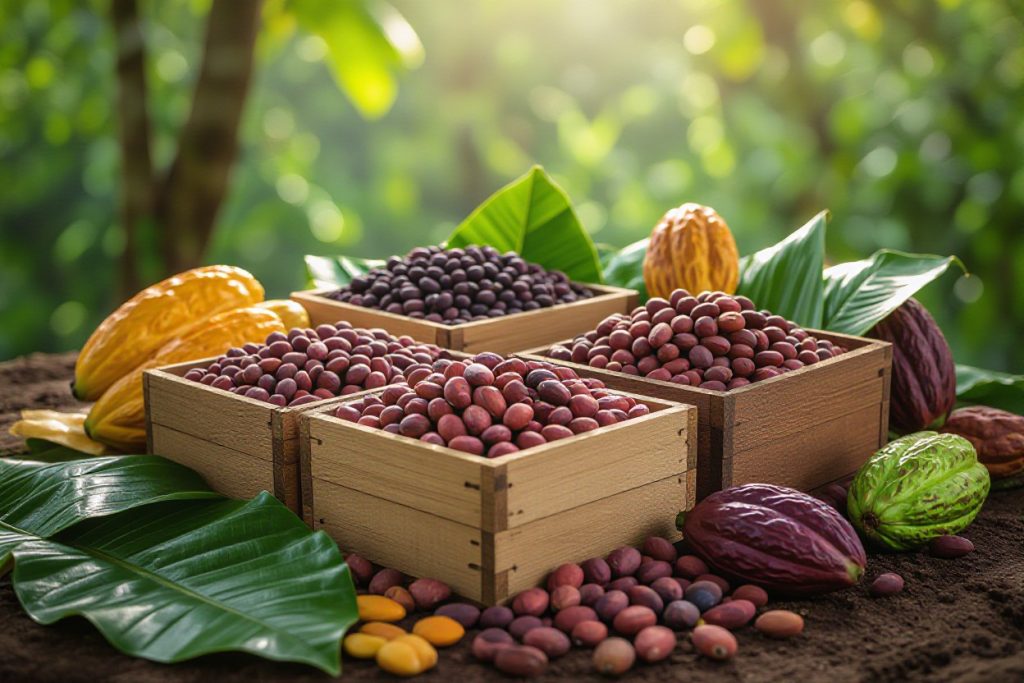
The tree produces pods that contain cocoa beans. Each pod can hold between 20 and 50 beans, surrounded by a sweet pulp. After harvesting, the beans undergo fermentation, drying, and roasting—processes that develop the characteristic chocolate flavor.
There are several main varieties of cacao, including Forastero, Criollo, and Trinitario. Forastero is the most widely cultivated due to its higher yield and disease resistance, while Criollo is known for its fine flavor but lower productivity. Trinitario is a hybrid that combines qualities of both.
The composition of cacao beans includes cocoa solids and cocoa butter, which are the primary components used in chocolate production. These elements can be processed into various products, including cocoa powder, chocolate liquor, and cocoa butter.
Understanding the botanical nature of cacao helps explain why its cultivation requires careful management and why its quality can vary based on environmental and genetic factors.
Theobroma Cacao Explained: Origin, Meaning, and Uses in Food Industry
A key dimension of Theobroma cacao explained: origin, meaning, and uses lies in its extensive role in the modern food industry. Cacao is the foundation of a wide range of products, from chocolate bars and beverages to bakery ingredients and confectionery.
After processing, cacao beans are transformed into cocoa liquor, which is then separated into cocoa butter and cocoa solids. Cocoa solids are further processed into cocoa powder, a versatile ingredient used in baking, beverages, and desserts.
Cocoa butter, on the other hand, is a key component in chocolate, contributing to its smooth texture and melting properties. It is also used in cosmetics and personal care products due to its moisturizing properties.
In industrial applications, cacao derivatives are used to create chocolate compounds, fillings, coatings, and flavorings. These products are essential for manufacturers producing snacks, bakery goods, and ready-to-eat desserts.
The versatility of cacao makes it a valuable ingredient for businesses across multiple sectors. For companies seeking reliable cocoa products for various applications, suppliers such as CocoaNusa provide high-quality cocoa powder and related ingredients tailored to industry needs.
In addition to traditional uses, cacao is increasingly being incorporated into functional foods, where it is valued for its natural compounds and flavor profile.
Theobroma Cacao Explained: Origin, Meaning, and Uses in Health Context
Another important perspective on Theobroma cacao explained: origin, meaning, and uses is its role in nutrition and health. Cacao contains a variety of bioactive compounds that contribute to its functional properties.
One of the most notable components is flavonoids, which are antioxidants that help protect cells from oxidative stress. These compounds have been studied for their potential benefits in supporting cardiovascular health and improving blood flow.
Cacao also contains theobromine, a natural stimulant that provides mild energy without the intensity associated with caffeine. This compound contributes to the characteristic effect of chocolate on mood and alertness.
In addition, cacao provides essential minerals such as magnesium, iron, and potassium. These nutrients play roles in muscle function, oxygen transport, and overall metabolic processes.
However, it is important to distinguish between pure cacao and processed chocolate products. The health benefits of cacao are most pronounced when it is consumed in less processed forms, such as unsweetened cocoa powder. Many commercial chocolate products contain added sugar and fats, which can reduce their nutritional value.
For more detailed insights into cacao’s nutritional profile, you can refer to this Harvard Nutrition Source guide, which discusses the role of cocoa compounds in health.
Understanding these factors allows consumers to make informed choices about how they incorporate cacao into their diets.
Theobroma Cacao Explained: Origin, Meaning, and Uses in Global Economy
The global significance of Theobroma cacao explained: origin, meaning, and uses extends beyond food and health—it plays a major role in the international economy.
Cacao is a key agricultural commodity, supporting millions of farmers worldwide. Its production is concentrated in tropical regions, with major producers including Ivory Coast, Ghana, Indonesia, and Ecuador.
The cacao supply chain involves multiple stages, from farming and harvesting to processing and distribution. Each stage adds value and creates economic opportunities, particularly in developing countries.
In recent years, there has been a shift toward sustainability and ethical sourcing. Issues such as farmer income, environmental impact, and supply chain transparency are becoming increasingly important. These factors influence how cacao is produced and traded globally.
Indonesia, in particular, has been strengthening its position by expanding its processing capabilities and focusing on value-added products such as cocoa powder and chocolate ingredients.
For businesses operating in the cocoa sector, understanding the global context of cacao production is essential for making strategic decisions about sourcing and product development.
Conclusion: Theobroma Cacao Explained in Modern Perspective
In conclusion, Theobroma cacao explained: origin, meaning, and uses reveals the depth and complexity behind a seemingly simple ingredient. From its origins in ancient civilizations to its role in modern industry, cacao continues to shape global markets and everyday consumption.
Its botanical characteristics, nutritional properties, and industrial applications make it one of the most versatile and valuable crops in the world. At the same time, ongoing developments in sustainability and processing are shaping its future.
For those exploring high-quality cocoa products for food applications, you can learn more through CocoaNusa, which provides reliable and specification-ready cocoa ingredients.
Understanding cacao at its source is not just about knowledge—it is about making better choices in how we produce, consume, and appreciate chocolate.