Table of Contents
For you whose work in the chocolate beverage business, you know this industry isn’t standing still for anyone. Now, consumer tastes are shifting—people are looking for healthier choices and also more adventurous flavors. It’s not just about delivering a sweet treat anymore; it’s about staying ahead of the curve and anticipating what your customers want next. This post will pointing out the major trends expected to shape the chocolate beverage market as we move toward 2025. Consider it your roadmap for keeping your products relevant and your business competitive in a market that’s getting more diverse by the day.
Current Market Overview
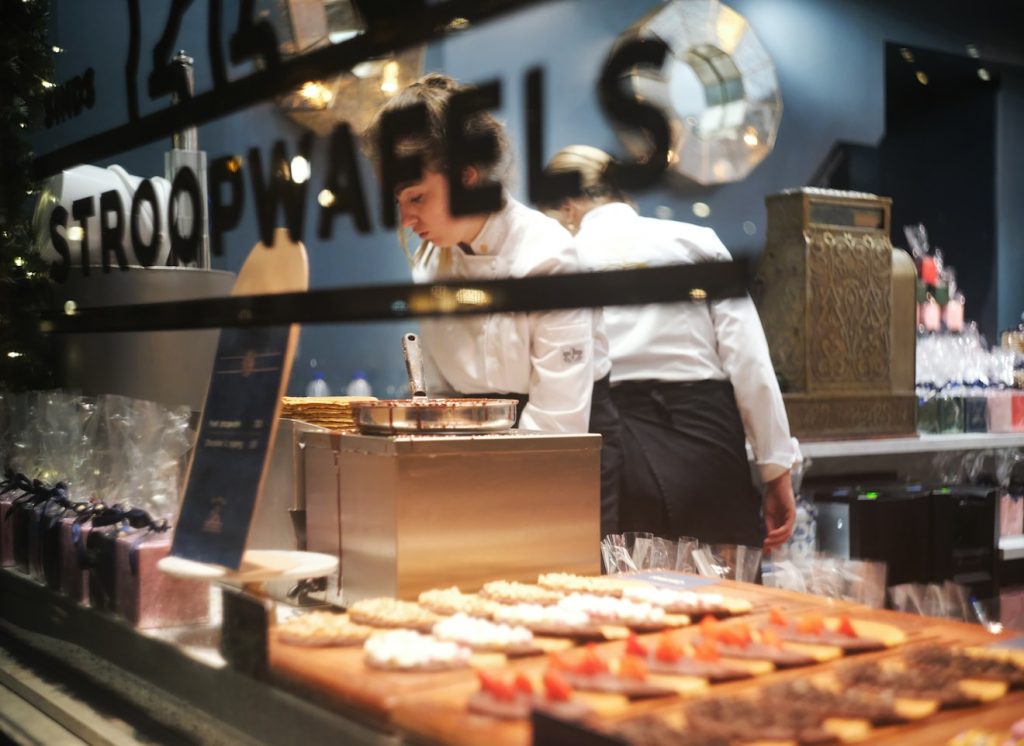
Look, if you wanna make it big in the chocolate drink game, you gotta keep your finger on the pulse. People aren’t just chugging basic hot cocoa anymore—they’re out here hunting for wild flavors and stuff that won’t wreck their diet. Vegan options, weird health twists, “gourmet” everything… it’s everywhere. Miss the boat on these trends, and good luck playing catch up. Jump in now, keep your eyes open, and you might just end up ahead of the pack.
- Global Consumption Patterns
Nowadays, people’s chocolate cravings are all over the map—literally. Folks in North America and Europe are suddenly obsessed with fancy, small-batch hot chocolate, like they’re all chocolatiers or something. Meanwhile, over in Asia and South America, things are just starting to heat up. There’s a whole wave of new chocolate fans out there, and honestly, if you’re not tweaking your marketing game to fit each spot’s quirks, you’re basically leaving money on the table. Cookie-cutter ads? Yeah, those aren’t gonna cut it anymore.
- Key Demographic Insights
Honestly, millennials and Gen Z are all about wild, new twists on chocolate drinks—boring hot cocoa just isn’t gonna cut it. They’re chasing flavors that surprise them, and if the brand’s got some eco-friendly or health-conscious vibe? Even better. It’s not just about the taste anymore; it’s gotta fit their whole “I care about the planet and my body” thing. Basically, if your chocolate drink isn’t cool, green, and a little bit daring, good luck catching their eye.
Look, millennials and Gen Z? They’ll totally drop extra cash on fancy chocolate drinks—especially if we’re talking wild flavor mashups or some kind of “good for you” health angle. They’re all about the next big thing, but don’t try to sneak any shady sourcing past them. If the chocolate isn’t ethical or you’re hiding where it’s from, forget it—they’ll call you out on social before you can say “fair trade.” So, honestly, if you wanna hook them and keep ‘em coming back, you gotta nail both the cool factor and the conscience. It’s not just about sweet drinks—it’s about trust and vibes, too.
Emerging Trends
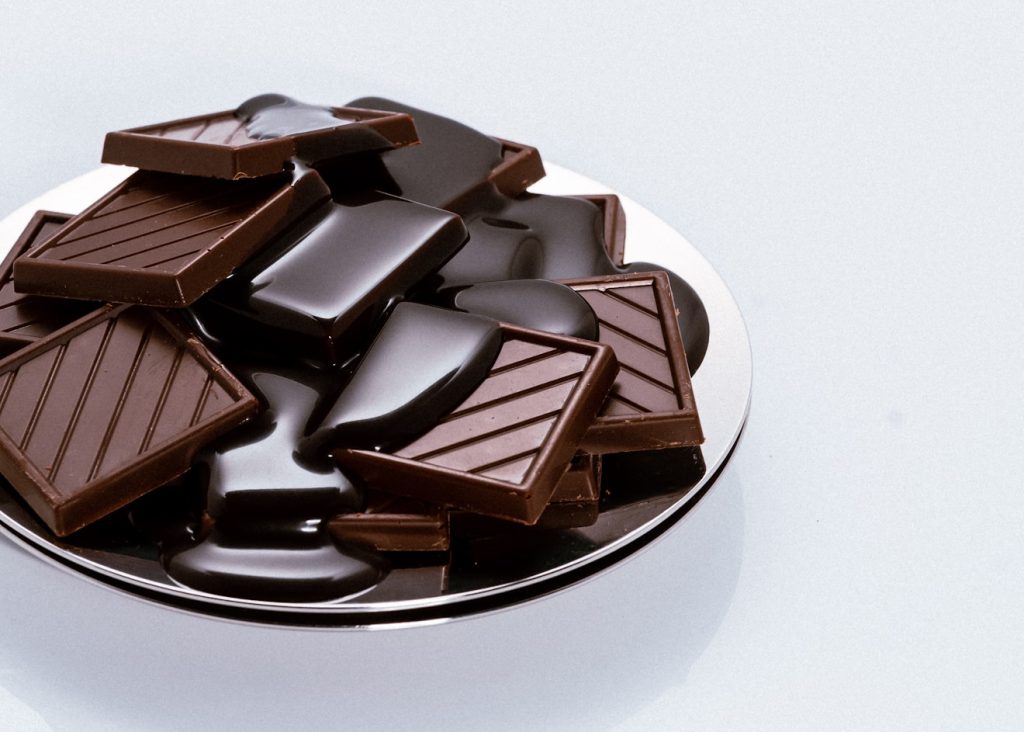
Some key trends are shaping the chocolate beverage market, highlighting shifts in consumer preferences and market demands. Manufacturers should be aware of these evolving trends to remain competitive and responsive to their target audience.
- Health-Conscious Choices
People are obsessed with health these days—everyone’s swapping sugar for, well, anything else, and suddenly chocolate drinks gotta have some sort of “functional” superpower. It’s not just a trend, it’s like a whole identity. Honestly, if your chocolate doesn’t do your taxes or boost your gut flora, who even wants it? So, yeah, there’s a massive opening for you to mix things up, throw in some healthy vibes, and snag those folks who read ingredient lists like bedtime stories.
- Sustainable Sourcing Practices
Let’s be real—people these days are actually checking labels and giving a damn about where their chocolate drinks come from. If your stuff’s got that “sustainably sourced” badge, suddenly everyone thinks your brand is the good guy. So, yeah, go all in on those ethical ingredients and show folks you care about the planet. It’s not just a nice look; it actually gets people talking (and buying).
People are all about brands that actually give a damn about the planet these days. If you’re sourcing your stuff the right way, like going fair trade or organic, you’re basically waving a big green flag for all the eco-conscious folks out there. Not only does that help the earth (which, you know, kind of matters), but it makes your customers trust you way more. Seriously, slap those sustainability wins all over your marketing—people notice. And if your brand’s out there walking the walk, you’ll stand out from all the posers.
Technological Innovations

So, if you’re pay attention to the wild world of chocolate drinks right now, buckle up—tech is totally flipping the script. New processing tricks and fancy gadgets are letting brands whip up wild flavors and silky textures you probably never saw coming. It’s not just about cocoa and sugar anymore; it’s about weird combos and mouthfeels that make you go, “is this even chocolate?” If you wanna keep your head above water, you better roll with these changes. Seriously, flexibility is the name of the game through 2025 and probably way past that.
- Production Techniques
After analyzing modern production techniques, you will find that methods such as cold brew and advanced emulsification are gaining traction. These processes enhance the flavor extraction from cocoa beans while improving overall product consistency. Embracing these techniques can lead to superior chocolate beverages that meet evolving consumer preferences.
- Packaging Developments
Between the innovations in packaging materials and design, you have the opportunity to reshape how consumers enjoy chocolate beverages. Eco-friendly packaging options, such as biodegradable and recyclable materials, are becoming more popular, as consumers seek brands that prioritize sustainability. This trend aligns with the growing expectation for transparency and responsibility in product sourcing.
Let’s talk packaging for a sec. You see a smart label or a QR code on your product, suddenly you’re not just selling a thing—you’re starting a conversation. Scan it, you’ll watching a video about where the ingredients came from or getting some wild pairing idea they never would’ve thought of. That’s how you get people to remember you.
Flexible packaging? Oh, that’s a win too. People want options—single-serve, family-size, whatever. If your packaging can roll with that, you’re basically telling customers, “Yeah, we see you.” Plus, it just looks cooler on the shelf, which never hurts.
Competitive Landscape
After analyzing the trends in the chocolate beverage market, it becomes clear that understanding the competitive landscape is vital for manufacturers looking to innovate and thrive. As consumer preferences evolve, you will need to keep an eye on your rivals, their product offerings, and pricing strategies. Adapting to these dynamics can help you carve out a distinctive position in this ever-changing market.
- Major Players in the Market
On your journey in the chocolate beverage market, it is imperative to identify the major players influencing the industry. These companies not only set benchmarks but also innovate with new flavors and sustainable practices. By understanding who is leading the market, you can better assess your own positioning and strategic goals.
- Market Entry Strategies
For example, if you’re trying to break into a new market, first off, you better know who you’re selling to. I’m talking real people: what they want, what annoys them, what makes them throw their money at something stupid. Don’t just slap a random price tag on your stuff either—figure out what people are actually willing to cough up. And, please, don’t think you’re done once you’ve got a shiny product. How you’re getting it out there matters—are you hawking it online, in sketchy corner stores, TikTok ads, or what? Oh, and if your thing looks just like everyone else’s, forget it. You need something that actually stands out. Give people a reason to care, or they’ll scroll right past you.
This means conducting thorough market research to identify gaps and opportunities. You should explore partnerships with established retailers to gain quick access to shelves or leverage e-commerce channels for direct consumer engagement. Additionally, consider aligning your brand with health and wellness trends, as well as sustainable sourcing, to resonate with modern consumers. A well-executed entry strategy can facilitate a smoother transition into the market and enhance your long-term success.
Consumer Preferences
Many consumers are increasingly leaning towards chocolate beverages that align with their lifestyle choices, embracing options that are organic, ethically sourced, and free from artificial ingredients. Health-consciousness has surged, prompting a demand for low-sugar, high-protein, or fortified varieties. Understanding these preferences not only helps you meet market demands but also strengthens your brand loyalty by connecting more authentically with your target audience.
- Flavor Profiles and Innovations
Behind the scenes, innovative flavor profiles are reshaping the chocolate beverage landscape. Consumers are now seeking exotic and diverse taste experiences that go beyond traditional chocolate. Incorporating unusual ingredients like spices, herbs, or global flavor influences can set your products apart and engage adventurous palates.
- Pricing Sensitivity
Behind the growing trend in the chocolate beverage market is a notable sensitivity to pricing among consumers. With increasing competition, you need to find a balance between quality and affordability to attract diverse consumer segments without compromising your brand’s integrity.
Hence, understanding the varying degrees of price sensitivity in your target market is important. Many consumers are willing to pay a premium for high-quality, ethically sourced chocolate beverages; however, others may prioritize budgetary constraints. Offering tiered pricing options or value packages can cater to both ends of this spectrum, ensuring a broader reach while still maintaining your product’s perceived value.
Regulatory Environment
To navigate the evolving chocolate beverage market by 2025, you must stay informed about various regulations that affect your products. Compliance with local and international laws is necessary, as these will influence everything from ingredient sourcing to marketing claims. Understanding the regulatory landscape not only helps avoid penalties but also enhances your brand’s reputation in a competitive market.
- Food Safety Standards
Alright, before you go deeper with your new chocolate drink idea, you gotta make sure you’re actually playing by the rules—like, the real food safety ones. Health inspectors and those international folks? Yeah, they’ve got a million boxes you need to tick, from where you’re getting your ingredients to how clean your machines are. You can’t just wing it and hope for the best, unless you want someone shutting you down. Oh, and those regular check-ups and certifications? Annoying, but pretty much non-negotiable if you want people to actually trust your stuff for a long time.
- Labeling Requirements
Standards for labeling your chocolate beverage must be meticulously followed to avoid legal issues. Accurate labeling informs consumers about ingredients, nutritional content, and potential allergens, helping them make informed choices. Moreover, labeling regulations may vary by region, necessitating that you pay close attention to local laws to ensure your product meets all legal requirements.
If you wanna nail those labeling rules, you gotta actually dig into the nitty-gritty for any market you’re aiming at. Here, we’re talking stuff like font sizes, required languages, nutrition info, and, of course, the dreaded allergy warnings. Don’t try to wing it—one tiny slip and, poof, your product’s off the shelves faster than you can say “recall.”
And also when labels are actually clear and not a jumbled mess, people notice. Folks trust you more. They might even stick around and buy your stuff again. That’s loyalty, baby. So yeah, spend the time figuring out all the rules—it might sound like a snooze, but it could be the thing that makes your product stand out compared to competitor.
Summing up
In conclusion, people’s tastes are all over the place these days, and if you’re not paying attention to what’s hot (hello, everyone’s obsessed with “sustainable” everything), you’re basically asking to be ignored. The chocolate drink scene? It’s exploding—everyone wants in, and suddenly “plain ol’ cocoa” isn’t cutting it. Think weird flavors, health-boosting claims, and packaging that looks good on TikTok.
If you’re not using top-notch stuff and actually caring about where your ingredients come from, good luck standing out. Folks are picky now; they want to feel good about what they’re sipping. And honestly, you gotta roll with the punches. Trends shift fast—one day it’s oat milk, next day it’s mushroom powder or could be anything.