In the global cocoa industry, quality is everything. A single mistake in handling, logistics, or inspection can turn a high-value shipment into a total loss. Recently, a viral news story highlighted exactly this risk—where a large shipment of ceremonial cacao reportedly arrived mouldy after being left exposed during customs inspection.
This incident brings a critical question to the surface: how fragile is cocoa in international trade, and what can businesses learn from it? Understanding cocoa shipment risks is not just important for exporters, but also for manufacturers, importers, and global buyers.
This article explores the real risks behind cocoa logistics, the causes of spoilage, and how businesses can prevent costly failures in the supply chain.
Cocoa Shipment Risks: Why Cacao Is Highly Sensitive in Transit
Understanding cocoa shipment risks: lessons from spoiled cacao incident starts with the nature of cacao itself. Unlike many dry commodities, cocoa beans and derivatives are highly sensitive to environmental conditions.
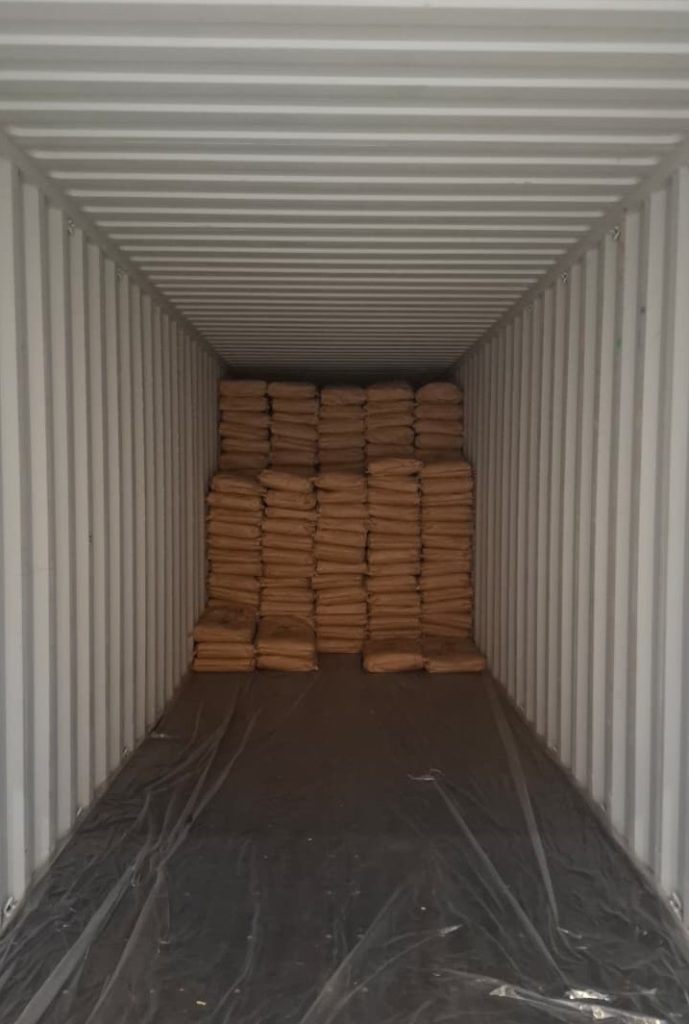
Cocoa is hygroscopic, meaning it easily absorbs moisture from the surrounding air. This makes it particularly vulnerable during shipping, especially in humid environments or when containers are improperly sealed.
In the viral case, the shipment was reportedly left unsealed after inspection, exposing the cacao to external elements. This kind of exposure can quickly lead to mold growth, especially when combined with temperature fluctuations.
Other key factors that increase risk include:
- Poor ventilation inside containers
- Condensation caused by temperature changes
- Inadequate packaging materials
- Long transit times without climate control
Once mold develops, cocoa becomes unsafe for consumption and cannot be salvaged. This results not only in financial loss but also in reputational damage for suppliers and buyers.
In global trade, where shipments can travel thousands of kilometers across varying climates, controlling these variables is essential.
Cocoa Shipment Risks: Lessons from Spoiled Cacao Incident in Global Trade
The incident also highlights broader issues in international trade systems. According to reports, the shipment was inspected and left exposed, leading to contamination and spoilage.
While inspections are a necessary part of border control, they can introduce unintended risks if not handled properly. This is particularly true for agricultural commodities like cocoa, which require careful handling.
At the same time, the cocoa market is experiencing volatility due to supply chain disruptions and logistics challenges. Recent developments show how shipping constraints and global demand are pushing cocoa prices upward, increasing the financial stakes of every shipment. You can explore more in this report: Cocoa prices extend rally on shipping concerns.
This situation reveals a gap between regulatory procedures and product-specific requirements. Not all commodities can be treated the same way, and cocoa requires protocols that account for its sensitivity to moisture and contamination.
For exporters and importers, this underscores the importance of:
- Clear documentation and handling instructions
- Working with experienced logistics partners
- Ensuring compliance with international standards
Without these measures, even high-grade cacao can lose its value entirely during transit.
Cocoa Shipment Risks: Lessons from Spoiled Cacao Incident for Businesses
From a business perspective, cocoa shipment risks: lessons from spoiled cacao incident offer several critical takeaways.
First, risk management in cocoa trade must go beyond sourcing and pricing. Logistics is equally important. Companies need to invest in proper packaging, container selection, and shipping methods.
Second, communication across the supply chain is essential. Exporters, freight forwarders, and inspection authorities must align on handling procedures. Miscommunication or lack of clarity can lead to costly mistakes.
Third, insurance plays a vital role. Given the high value of cocoa shipments, comprehensive cargo insurance is necessary to mitigate financial risk in case of damage or loss.
Fourth, supplier reliability is crucial. Working with experienced suppliers who understand export requirements reduces the likelihood of issues. For example, companies like CocoaNusa emphasize controlled processing, proper packaging, and export-ready standards to ensure product integrity throughout the supply chain.
Finally, businesses must adopt a proactive approach. Instead of reacting to problems after they occur, they should identify potential risks in advance and implement preventive measures.
Cocoa Shipment Risks: Lessons from Spoiled Cacao Incident and Industry Trends
The incident also reflects a larger trend in the cocoa industry—growing complexity in global supply chains.
As demand for premium and specialty cocoa increases, so does the need for stricter quality control. Buyers are no longer just looking for volume; they require consistency, traceability, and reliability.
At the same time, global trade dynamics are shifting. Policies, tariffs, and trade agreements are influencing where cocoa is processed and distributed. These changes make logistics even more critical.
Another emerging trend is the emphasis on post-harvest handling. Proper fermentation, drying, and storage are now seen as equally important as cultivation. This focus extends into shipping, where maintaining quality is part of the overall value chain.
Technology is also playing a role. Smart containers, humidity sensors, and real-time tracking systems are being adopted to reduce risks and improve transparency.
These innovations indicate that the industry is moving toward more controlled and data-driven logistics systems.
Cocoa Shipment Risks: Lessons from Spoiled Cacao Incident in Quality Assurance
Quality assurance is at the core of cocoa shipment risks: lessons from spoiled cacao incident. Once cocoa leaves its origin, maintaining quality becomes a shared responsibility.
Exporters must ensure that products are properly dried, packaged, and sealed before shipment. Moisture levels must be controlled to prevent mold development during transit.
Importers, on the other hand, must verify that shipments are handled correctly upon arrival. This includes inspecting containers, monitoring storage conditions, and ensuring compliance with food safety standards.
Certifications also play a role in quality assurance. Documents such as phytosanitary certificates, health certificates, and certificates of origin help ensure that cocoa meets international requirements.
However, documentation alone is not enough. Physical handling practices must align with these standards.
The viral incident demonstrates what happens when this chain is broken. Even with high-quality cacao, improper handling can render the product unusable.
For industry players, the lesson is clear: quality is not just about the product—it is about the entire process, from farm to final destination.
Conclusion: Turning Cocoa Shipment Risks into Strategic Advantage
In conclusion, cocoa shipment risks: lessons from spoiled cacao incident highlight a critical reality in the global cocoa industry—quality can be lost at any stage if proper controls are not in place.
The viral case serves as a reminder that logistics, handling, and communication are just as important as sourcing and production. Businesses that understand this can turn risk into a competitive advantage.
By investing in proper shipping practices, working with reliable partners, and maintaining strict quality standards, companies can protect their products and build long-term trust with buyers.
If you are looking for a supplier that prioritizes consistency and export-ready quality, you can explore more at CocoaNusa, where cocoa products are prepared with global standards in mind.
In a market where a single shipment can define reputation, attention to detail is not optional—it is essential.