Table of Contents
Fermentation is basically the behind-the-scenes magician turning boring old cocoa beans into the chocolate you can’t stop devouring. Seriously, without those wild microbes doing their thing, your favorite chocolate bar would taste like disappointment. Lately, people have been geeking out over microbial fermentation, not just because it brings out wild new flavors, but also because it’s way friendlier to the planet. Think of it as letting nature’s tiny chefs loose on cocoa to jazz things up—richer aroma, deeper taste, all that good stuff. Plus, it’s catching on fast ‘cause everyone’s obsessed with sustainability now. Stick around and I’ll spill the cocoa beans on how this science-y magic works and why it might totally flip your chocolate experience on its head.
The Biochemical Alchemy of Cocoa Fermentation
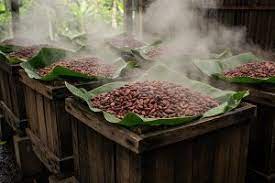
Cocoa fermentation is basically science magic. First off, you’ve got this slimy goop (the mucilage) around the beans—kinda gross, honestly—that gets broken down by a bunch of microbes just doing their thing and munching away. Suddenly, you’ve got a sugary playground. Then, as the days roll on, bam—organic acids and booze start popping up, thanks to the wild party happening in there. Those are the real MVPs behind that deep cocoa flavor we all lose our minds over.
It’s not just about taste, either—the whole process sets up the beans for whatever comes next, like roasting and grinding. Seriously, it’s amazing how much the flavor of chocolate depends on this messy, bubbling fermentation dance. Without it, you’d just end up with bland beans and a lot of disappointed chocolate lovers.
- The Role of Microorganisms in Flavor Development
The diversity of microorganisms present during fermentation is fundamental to flavor development in cocoa. Yeasts, bacteria, and molds work synergistically, producing volatile compounds like esters and phenols, which are important in crafting the nuanced flavors associated with quality cocoa. Each microorganism contributes uniquely, whether it’s Saccharomyces cerevisiae, responsible for the alcoholic fermentation phase, or lactic acid bacteria that enhance acidity and roundness in flavor. You can think of this microbial synergy as a carefully orchestrated symphony that culminates in the rich tapestry of flavors in your favorite chocolate.
- Factors Influencing Fermentation Profiles
Honestly, there’s a whole things that mess with how cocoa beans ferment—and, yeah, that’s why chocolate can taste so different. You’ve got bean variety, the temperature hanging around the beans, how humid it is, and how long you let the whole thing stew. Each one of those can totally flip the script on flavor. Crank up the heat? Sure, microbes speed up, but blink and you’ll over-ferment the batch. And then there’s stuff like enzymes doing their own funky dance, adding even more twists to the flavor rollercoaster. It’s a science experiment every single time. Understanding these variables allows you to refine fermentation methods better to achieve desired flavor profiles.
- Bean variety heavily influences flavor; for example, Forastero beans often yield a more robust taste than Criollo.
- Ambient temperature and humidity levels directly impact the fermentation process and microbial efficiency.
- Longer fermentation times can lead to more profound flavor development but must be balanced to avoid spoilage.
- Experimenting with turning frequency helps aerate the mixture, potentially altering flavor outcomes.
- After consistent observation and adjustment, you can hone in on optimal fermentation practices for your selected cocoa.
Definitely, temperature’s a big deal, but honestly, it’s not calling all the shots. There’s a whole things going on behind the scenes—stuff like the wild little microbes hanging around your place or even what your fermentation tub’s made of can totally flip the script. You try spontaneous fermentation in, say, Belgium versus Ghana, and you’ll end up with totally different vibes, thanks to whatever funky critters are floating around locally. It happened even the way you waste the beans in or how often you give ’em a toss for air can mess with the whole microbial activity, changing up flavors in ways you probably didn’t expect. So, if you’re the type who likes nerding out over details and keeping a close eye on things, you can really dial in your chocolate’s flavor just how you want it.
- Changes in nutrient availability can shift the microbial community dynamics, affecting flavor development.
- Microbial succession, where distinct groups dominate at different fermentation stages, creates layers of flavor complexity.
- Environmental contaminants or non-selective fermentation methods can lead to undesirable flavors and aromas.
- Your location’s unique climate can impart a distinctive terroir effect on the final product.
- After identifying and controlling these factors, you can elevate the craft of your cocoa fermentation to unprecedented levels.
Navigating the Sustainability Landscape

Understanding the complex interplay between microbial fermentation and cocoa production reveals a promising pathway toward sustainability. Emphasizing ecological practices and economic resilience, this innovative approach not only elevates flavor profiles but also strengthens community ties. As you explore into the environmental and economic aspects, consider how these methods contribute to a more sustainable future for cocoa cultivation.
- Environmental Benefits of Microbial Fermentation
Microbial fermentation enhances cocoa cultivation by promoting biodiversity and soil health. By utilizing natural microbial communities, this method reduces reliance on chemical fertilizers and pesticides, leading to healthier ecosystems. Moreover, fermentation helps to manage waste by utilizing byproducts from cocoa processing, minimizing carbon footprints. This approach not only conserves resources but also fosters resilience against climate change impacts.
- Economic Viability for Local Cocoa Farmers
Microbial fermentation presents a viable economic avenue for local cocoa farmers. By diversifying production processes and enhancing product quality, farmers can command higher prices for their cocoa beans. This innovation opens doors to niche markets that seek ethically produced, fermented cocoa. Collaborations with sustainability-focused brands can further amplify economic benefits, creating a supportive network that empowers local communities.
If you’re growing cocoa and thinking about jumping on the whole microbial fermentation train, yeah, your wallet might actually thank you. I’ve seen folks pull in close to 30% more cash just because fancy chocolate makers will pay extra for the good stuff. And hey, if you mix it up a bit—don’t just stick to the same old beans—you’re not putting all your eggs in one basket. Cocoa prices go up and down like a rollercoaster, so having more options kinda saves your butt when things get weird.
Also, don’t sleep on those groups out there that are all about helping farmers go green and smarter. They’ve usually got tips, maybe even some gear or cash, to get you rolling. Bottom line: try these new tricks, get some backup, and you’ll probably end up more stable.
Transforming Taste: Insights from the Lab
Scientists are basically getting their hands dirty messing around with cocoa and all its flavor secrets. They’re kind of like chocolate detectives, tracking down those wild little microbes that turn plain ol’ bitter cocoa into something that actually tastes mind-blowingly good. It’s not just tossing beans in a box and hoping for the best—nah, they’re picking out the right microorganisms, almost like casting the perfect actors for a movie, to really jazz up the flavor. And it’s not just about making it less bitter. They’re breaking down which microbes give off those fancy, wine-like aromas or those deep, nutty vibes you find in bougie chocolate bars.
- Innovations in Microbial Strains for Enhanced Flavor
New microbial strains are being developed to enhance cocoa fermentation, leading to richer and more diverse flavor profiles. For instance, the use of specially selected yeasts and bacteria can impart fruity or floral notes, which are often lacking in traditional fermentation processes. As you explore these innovations, consider how these customized strains contribute to a more refined chocolate experience, potentially appealing to gourmet chocolate enthusiasts.
- The Intersection of Science and Culinary Art
The collaboration between scientists and chefs is creating a new culinary frontier, where precise microbial fermentation techniques elevate chocolate to artisanal heights. While traditional chocolatiers focus on ingredients and techniques, these innovative partnerships leverage scientific rigor to refine fermentation processes, yielding chocolates that tantalize the palate with unexpected flavors and aromas. This synergy not only enhances cocoa production but also engages consumers in a dialogue about the science behind their favorite treats.
This intersection of science and culinary art fosters creativity and experimentation, as chefs incorporate insights from laboratory findings into their recipes. By blending chemistry with culinary skills, they experiment with fermentation parameters, leading to unique products that showcase the full potential of cocoa. Chefs have started to embrace these scientific advancements, pushing the boundaries of flavor and presentation, transforming the way chocolate is perceived, appreciated, and enjoyed. As you indulge in these creations, you’re experiencing the thoughtful culmination of both artistry and science, making each bite an exploration of innovative gastronomy.
Bridging Tradition and Innovation in Cocoa Production
The OGs in cocoa farming—yeah, the people who’ve been fermenting beans since forever—actually know a thing or two that science can’t just replicate in a lab. But you throw some smart tech in the mix, and suddenly you’re getting beans that taste unreal and don’t wreck the planet. A little bit of tradition, a dash of innovation, and bam—you’ve got flavors off the charts. Plus, producers can keep their craft legit while still keeping up with whatever the market’s craving this year.
- Traditional Fermentation Practices vs. Modern Methods
Traditional fermentation involves indigenous techniques, such as using banana leaves to cover cocoa bean piles, promoting natural microbial growth. Modern methods introduce controlled fermentation with specific microbial strains to enhance flavor consistently. This juxtaposition highlights the benefits of selecting microbial communities tailored to flavor characteristics while respecting local traditions that contribute to unique flavor nuances cherished by chocolate connoisseurs.
- Case Studies of Successful Microbial Fermentation Initiatives
Successful initiatives showcase the strategic application of microbial fermentation in cocoa production, yielding exceptional results in flavor and sustainability. Companies and research projects are leading the charge, providing a roadmap for others in the industry. Here’s a detailed look at some impactful case studies:
- Cocoa Research Institute of Ghana: A project utilizing specific indigenous microbial strains resulted in a 25% increase in flavor profile distinctive to Ghanaian cocoa within five years.
- Moka Origins: Implemented a controlled fermentation process in Colombia, boosting flavor quality by 30% and decreasing fermentation time by 20%, resulting in faster market readiness.
- Finca de Los Angeles in Ecuador: Leveraged traditional fermentation with controlled variables, leading to a 40% higher premium price for their beans at international auctions.
- Terra Firma Chocolate: A Massachusetts-based company, utilized microbial fermentation protocols that improved the antioxidant content of their chocolate bars by 50% compared to conventional products.
- Postharvest Losses in Peru: By adopting a novel fermentation technique, farmers reduced postharvest losses by 15%, improving both yield and sustainability outcomes.
From the Ghanaian research institute’s efforts to enhance local flavors to the innovative practices adopted by Moka Origins, these case studies demonstrate how microbial fermentation can uplift traditional cocoa production. These initiatives exemplify the potential for higher quality beans, increased marketability, and better farmer livelihoods. By documenting these transformations, you can appreciate the positive impact of bridging the past and present in cocoa fermentation processes, with measurable results that promote both tradition and innovation.
Potential Barriers and Challenges Ahead
Despite its promise, employing microbial fermentation in cocoa flavor development isn’t without its obstacles. Challenges in scaling up processes from lab to industrial levels, maintaining consistency in flavor profiles, and ensuring consumer safety all need meticulous attention. Furthermore, adequate training for cocoa farmers and producers is integral, as their broader adoption of these techniques could significantly influence future trends. A unified approach across the supply chain will be vital for overcoming these barriers.
- Regulatory Hurdles in Food Biotechnology
Regulatory frameworks surrounding food biotechnology can pose significant barriers to the adoption of microbial fermentation in cocoa production. Approval processes may vary by region, requiring extensive safety assessments and compliance with strict guidelines. These protocols not only prolong product development timelines but may also deter smaller producers who lack the resources to navigate complex regulations. Ensuring a balance between innovation and safety will be key in facilitating advancements in this space.
- Consumer Perceptions and Market Acceptance
Market acceptance of products derived from microbial fermentation often hinges on consumer perceptions. Many individuals may possess preconceived notions regarding genetically modified organisms (GMOs) and unconventional food processes, which could color their acceptance of fermentation-derived flavors. Educating consumers about the benefits of these methods, such as sustainability and flavor enhancement, is important to foster a positive reception.
Consumer perceptions of biotechnology are influenced by various factors, including media portrayal and personal values. Surveys show that approximately 60% of consumers express concern about GMOs, while only 20% are familiar with the specifics of microbial fermentation. Addressing these concerns through transparent communication and education initiatives can shift consumer sentiment. Engaging storytelling about the origins of flavors and health benefits can help. Collaborations with chefs, influencers, and sustainability advocates are also effective strategies to build interest and promote market acceptance.
Final Words
Microbial fermentation is like the secret sauce for taking cocoa flavors up a notch—without wrecking the planet. Seriously, playing around with these tiny organisms lets you mess with the taste in wild ways, all while keeping things green. People want unique, cool flavors and eco-friendly stuff these days, so, yeah, this totally hits both marks. If you’re used to thinking of cocoa as just a grindy, old-school business, this whole fermentation thing basically flips the script. Suddenly, you’ve got rich, bold flavors and a clear conscience.