Table of Contents
Wow, the superfoods market is about to blow up—like, we’re talking from $202 billion in 2025 to nearly $340 billion by 2032. That’s wild. People are clearly on the hunt for the next big thing, especially when it comes to swapping out the usual stuff in chocolate. Mushrooms as cocoa replacements, are sliding into the spotlight as a possible cocoa stand-in. Sounds new but also kinda genius? Health-conscious people are super into finding fresh, funky flavors, and myco-chocolate might just be the next crazy trend.
Imagine biting into a chocolate bar that’s got that earthy, umami twist from fungi—could be awesome, could be…well, let’s just say it’s a gamble. Anyway, let’s get into the nitty-gritty: what’s good, what’s tricky, and where these shrooms might actually fit in the chocolate world
The Nutritional Power of Fungi
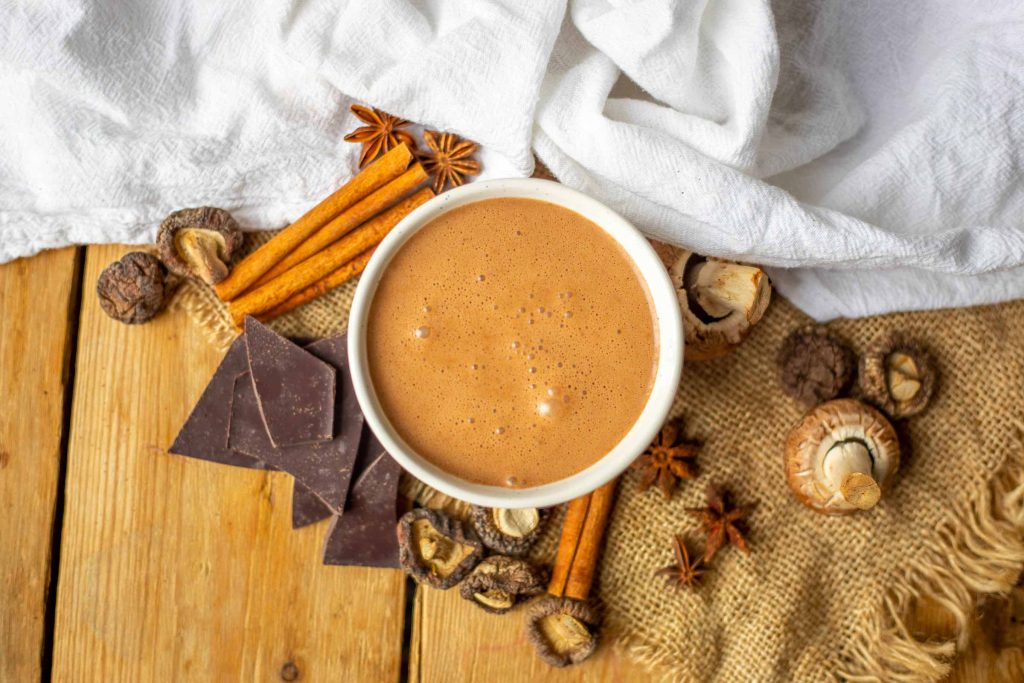
Look, mushrooms are seriously underrated. I mean, these little guys are basically nature’s multivitamin, just chilling in your omelette or hiding on your pizza. You’ve got vitamins, minerals, weird science-y stuff like polysaccharides (don’t ask me to spell that twice), all crammed into one funky-looking package. Not only do they compliment your food, but they’re also a sneaky way to boost your immune system and keep you feeling on top of your game. Mushrooms: not just tasty, but straight-up superfood material.
- Nutrient Composition: Beyond Antioxidants
Mushrooms are rich in vitamins such as B2, B3, and D, along with crucial minerals like selenium and potassium. They also contain polysaccharides, fibers that support gut health and blood sugar regulation. Unlike many vegetables, mushrooms provide a hearty dose of protein, making them an excellent alternative for those seeking plant-based options.
Mushrooms are basically antioxidant powerhouses. Seriously, they’re packed with all sorts of good stuff—think polyphenols, flavonoids, selenium, and, get this, ergothioneine. Scientists have actually geeked out over it in journals like Journal of Agricultural and Food Chemistry, saying mushrooms are pretty much loaded with it.
Food Chemistry points out that mushrooms are awesome at zapping free radicals. Basically, they help your cells chill out and fend off the chaos that is oxidative stress. What does that mean for you? Well, eating mushrooms might actually give your immune system a leg up, maybe even help with staying healthier as you rack up those birthdays. So, next time someone tells you mushrooms are boring, just hit ‘em with the science. Not only are they tasty (well, some of them), but they might just help you stick around longer too.
- Mushrooms as Cocoa Replacement: The Health Benefits
Medicinal mushrooms like reishi, lion’s mane, and chaga are gaining popularity for their specific health benefits. These fungi are studied for their potential to reduce inflammation, enhance cognitive function, and support your immune system. Incorporating them into your diet can lead to improved vitality and well-being.
Reishi mushrooms—get called the “mushroom of immortality” over in traditional Chinese medicine. Big name, right? People say they chill you out, maybe help you catch some Z’s, and honestly, if stress had an enemy, it’d probably look like reishi. Then there’s lion’s mane, which sounds like some wizard’s beard but is actually tied to boosting your brain, thanks to something called nerve growth factor. Supposedly, it keeps your mind sharp and humming. And with scientists poking around and discovering new stuff about these shrooms every other week, tossing ‘em into your daily lineup might just give your health a serious leg up.
Taste Test: Comparing Myco-Chocolate to Traditional Cocoa
| Criteria | Myco-Chocolate | Traditional Cocoa |
|---|---|---|
| Flavor Intensity | Earthy and umami-forward, with subtle sweetness | Rich and sweet, with deep cocoa notes |
| Aftertaste | Mushroom undertones linger pleasantly | Cocoa richness often leaves a sugary residue |
- Flavor Profiles: A Culinary Exploration
Myco-Chocolate introduces a complex flavor profile, offering earthy, umami notes that challenge the traditional sweetness of cocoa. This alternative delivers a unique combination that takes dessert enthusiasts on a flavorful journey, especially when paired with spices or nuts. By incorporating various mushrooms, chocolate lovers can experience different tastes—from the robust flavor of shiitake to the sweetness of the popular lion’s mane mushroom, each variety contributes its distinct character to create new culinary possibilities.
- Texture and Mouthfeel: The Sensory Experience
Myco-Chocolate’s texture? It’s got that smooth vibe you expect from chocolate, but then—bam—there’s this little bit of graininess sneaking in. Not in a bad way, just enough to make your tongue go, “Wait, what’s this?” Way more interesting than your usual melt-in-your-mouth stuff. The mushrooms—yeah, they actually bring a tiny crunch and a weird, earthy twist. Makes eating it feel like a mini adventure every time. Forget boring old chocolate, this stuff’s got layers.
The interplay between smooth and grainy in Myco-Chocolate enhances the overall tasting experience. When you bite into a mushroom-infused chocolate bar, the initial creaminess quickly shifts, revealing textural notes reminiscent of cocoa nibs or even a hint of slight chewiness. This intriguing combination invites you to savor each piece more mindfully, creating an exciting sensation that complements the unique flavors at play. As you explore Myco-Chocolate, your palate may find itself piqued, discovering textures that elevate this innovative alternative to new heights.
The Economics of Myco-Chocolate Production
The whole myco-chocolate thing? It lives or dies by the money, let’s be real. If you can whip it up without blowing the budget—or charging people a fortune—it might actually stand a chance. Cocoa prices are all over the place these days (thanks, climate chaos), so folks are hunting for backup plans. But nobody’s gonna buy mushroom chocolate if it tastes weird or costs triple, right? If they can crack the code—make it tasty and cheap enough—then, hey, maybe this fungus chocolate could actually turn a profit and shake up the chocolate game for everyone.
- Cost Analysis: Comparing Cultivation Practices
Understanding the cost of cultivating mushrooms versus traditional cocoa is vital in the myco-chocolate dialogue. Traditional cocoa farming requires extensive land, labor, and time, often suffering from environmental stresses. In contrast, mushroom cultivation can yield results more quickly and in less space. Here’s a simplified comparison of these two cultivation practices:
Cost Comparison of Cocoa vs. Mushroom Cultivation
| Factors | Cocoa Farming | Mushroom Farming |
| Land Requirements | High | Low |
| Time to Harvest | 3-5 years | 4-6 weeks |
| Labor Intensity | High | Moderate |
| Environmental Impact | Significant | Lower |
- Market Trends: Consumer Demand and Acceptability
People are actually getting pretty adventurous with their snacks lately—seriously, who would’ve guessed mushrooms and chocolate would be a thing? But here we are. Apparently, about 70% of people are down to try plant-based stuff, especially if it’s got that healthy, eco-friendly vibe. Chocolate fans, in particular, seem pumped to hunt for weird new flavors, and right now, mushroom-infused chocolate is weird in all the right ways. Honestly, myco-chocolate might be about to blow up. The market’s just waiting for it.
You know what’s amazing? People are finally waking up to the whole “what’s actually in my food” thing. Everyone’s chasing the next big healthy snack, and honestly, the regular chocolate game’s getting stale. Cocoa farming? Yeah, it’s got a gnarly environmental rap sheet, so folks are on the hunt for something greener. Enter myco-chocolate—yep, that’s chocolate with mushrooms in it. Sounds weird, but hey, weird is in.
Picture this: chocolate, but with this earthy, funky kick from mushrooms. It kinda screams “I’m cool and I care about the planet,” right? The early adopters and those health-obsessed people are all over it. It’s like the perfect storm for a new food trend. Brands are already rolling out these shroomy bars, and honestly? Early taste test folks aren’t hating it. If this vibe keeps rolling, I wouldn’t be shocked to see myco-chocolate popping up everywhere—from those hipster chocolate boutiques to the boring old grocery store aisle.
Environmental Impact: Fungi as a Sustainable Alternative
Embracing mushrooms as a cocoa replacement offers significant environmental benefits. Unlike cocoa, which often necessitates deforestation and heavy water usage, fungi thrive in various climates and require minimal resources. The cultivation of mushrooms can take place on agricultural waste, thus reducing waste while producing nutritious food options. This not only contributes to sustainability but also presents a viable solution to the increasing agricultural footprint of traditional cocoa farming.
- Carbon Footprint: Mushrooms vs. Cocoa Farming
When you stack mushroom farming up against cocoa, it’s not even close—mushrooms win hands down for being way easier on the planet. Cocoa beans? Pump out something like 2.5 kilos of CO2 for every kilo harvested. Blame all the rainforest clearing and those endless monoculture fields. Mushrooms, on the other hand, can actually absorb more carbon than they release. So yeah, next time you’re chowing down on a mushroom dish, you’re not just eating something tasty, you’re kinda helping the planet getting cleaner.
- Biodiversity Preservation: Understanding Ecosystem Benefits
Mushroom farming supports biodiversity by promoting polyculture practices that enhance ecosystem health. Unlike monoculture cocoa farming, which can deplete soil nutrients and harm local flora and fauna, mushrooms can be cultivated alongside other crops. This synergy encourages diverse habitats and soil integrity, which are vital for local wildlife and plant communities.
Mushrooms are kind of the unsung heroes when it comes to keeping nature’s wild party going. Toss ’em into your farm setup, and suddenly the dirt’s alive—thanks to those wild mycorrhizal hookups between fungi, plants, and a mess of invisible critters in the soil. It’s like a backstage pass to the circle of life under your feet. And when mushrooms are part of the picture, ecosystems just bounce back quicker. It’s not just about crunchier salads or fancy risottos—mixing up crops and letting fungi do their thing means fewer bug infestations, and you don’t have to nuke your fields with chemicals every five minutes. In the long run? You’re not just feeding yourself; you’re feeding the whole planet.
The Future of Chocolate: Myco-Chocolate’s Place in the Market
As consumer preferences shift toward sustainable and health-conscious options, myco-chocolate stands to carve out a notable niche within the confectionery market. With the demand for plant-based products on the rise, myco-chocolate offers a compelling alternative that can attract both traditional chocolate lovers and those seeking innovative health benefits. Market analysts predict a steady growth in sales as brands begin to invest more aggressively in fungal-derived products, positioning myco-chocolate as a potential trendsetter in the evolving landscape of sweets.
- Innovation in Confectionery: New Flavor Combinations
New flavor combinations await exploration as myco-chocolate emerges on the scene. Integrating mushrooms with traditional chocolate can yield unique profiles, such as umami-rich dark chocolates or earthy milk chocolate options that tantalize the palate. Think of the possibilities when blending mushrooms with ingredients like sea salt, espresso, or exotic spices, which could redefine what you expect from your sweet treats and expand your taste horizons.
- Industry Adaptation: How Brands Are Responding
Brands are rapidly adapting to the myco-chocolate trend, creatively infusing their products with the health benefits of mushrooms while maintaining pleasing flavors. Companies are experimenting with blends that highlight specific mushroom varieties—like cordyceps or lion’s mane—known for their unique health properties. Large chocolate manufacturers are also collaborating with small plant-based startups to devise a range of myco-chocolate bars, truffles, and coatings, responding to consumer interest in sustainable choices by showcasing transparent sourcing and innovative recipes.
For instance, a popular chocolate brand has recently launched a line of gourmet truffles that incorporate reishi mushrooms, highlighting not just the flavor but also the purported immune-boosting benefits. Additionally, several artisanal chocolatiers have begun to offer workshops focused on the craft of myco-chocolate production, helping consumers understand both the process and the unique taste experience. As these adaptations continue, expect to see an increasingly diverse range of myco-chocolate on store shelves, catering to evolving dietary preferences and a growing commitment to sustainability in the chocolate industry.
Summing up
People are obsessed with finding the next big food trend, right? Mushrooms as a stand-in for cocoa—yeah, that’s actually a thing now. Sounds a bit wild, but honestly, myco-chocolate’s got its own vibe. The taste? Totally different, but not in a bad way—just, you know, more earthy and kinda cool. Plus, if you’re into health stuff or just trying to eat like you care about the planet, this could be your ticket. Don’t knock it till you try it. Food’s always changing, and this mushroom-chocolate hybrid might just surprise you. Stay curious. Your taste buds might thank you later.