Table of Contents
You can do a research into the complex world of cocoa, where you will face numerous challenge in supply chain in the cocoa industry. Note that farmers, traders, and manufacturers are interconnected, yet often at odds. They struggle with issues like poor infrastructure, limited market access, and inconsistent quality. As a result, the cocoa industry is plagued by inefficiencies, affecting everyone involved. You can observe that these challenges have significant implications for the industry’s overall profitability and sustainability. They must be addressed to ensure a stable supply of high-quality cocoa.
Industry Overview
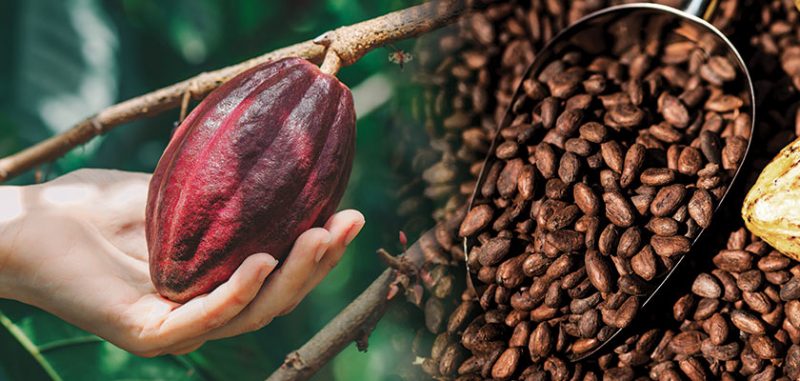
Before delving into the challenges, it’s imperative to understand the cocoa industry. They produce cocoa, a key ingredient in chocolate production. The industry is complex, involving multiple stakeholders and processes.
- Global Cocoa Market
The global cocoa market is set to observe USD 16.6 billion in 2025. The industry is expected to register 4.7% CAGR from 2025 to 2035, reaching USD 26.2 billion by 2035. Globally, the cocoa market is significant, with major producers like Côte d’Ivoire and Ghana. They dominate the market, accounting for a large share of global production.
- Key Players and Trends
Prior to analyzing trends, it’s clear that key players like Mars and Nestle drive the industry. They influence production and pricing, shaping the market.
Hence, these companies’ actions have a significant impact on the industry. Note that their decisions affect not only their own operations but also those of smaller producers and suppliers, highlighting the complex web of relationships within the cocoa industry. Observes that trends like sustainability and fair trade are increasingly important, as consumers become more aware of the industry’s social and environmental implications.
Supply Chain Complexity
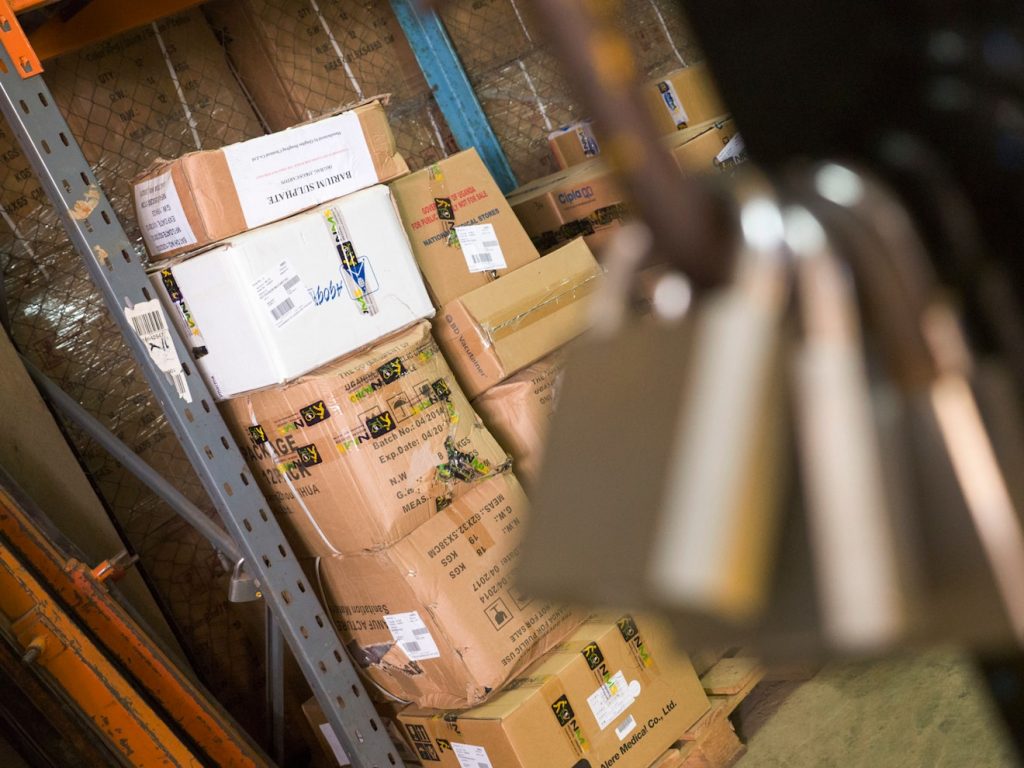
The cocoa industry’s supply chain is a complex network of farmers, traders, and manufacturers. They face numerous challenges, from farming and sourcing to logistics and transportation. These challenges can impact the quality and quantity of cocoa beans, ultimately affecting the final product.
- Farming and Sourcing
Chaining together multiple stakeholders, the farming and sourcing process is often fragmented. They work to ensure that high-quality cocoa beans are sourced from farmers, but this can be a difficult task, especially in remote areas.
- Logistics and Transportation
Sorting out the logistics of transporting cocoa beans from farms to manufacturers is a significant challenge. They must navigate complex transportation networks, ensuring that beans are handled and stored properly to maintain quality.
Another aspect of logistics and transportation that affects the cocoa industry is the need for efficient and cost-effective solutions. Manufacturers rely on timely deliveries to meet production schedules, and any disruptions can have significant consequences for the entire supply chain. They must balance the need for speed with the need to maintain quality and control costs, making logistics and transportation a delicate balancing act in the cocoa industry.
Challenges and Disruptions
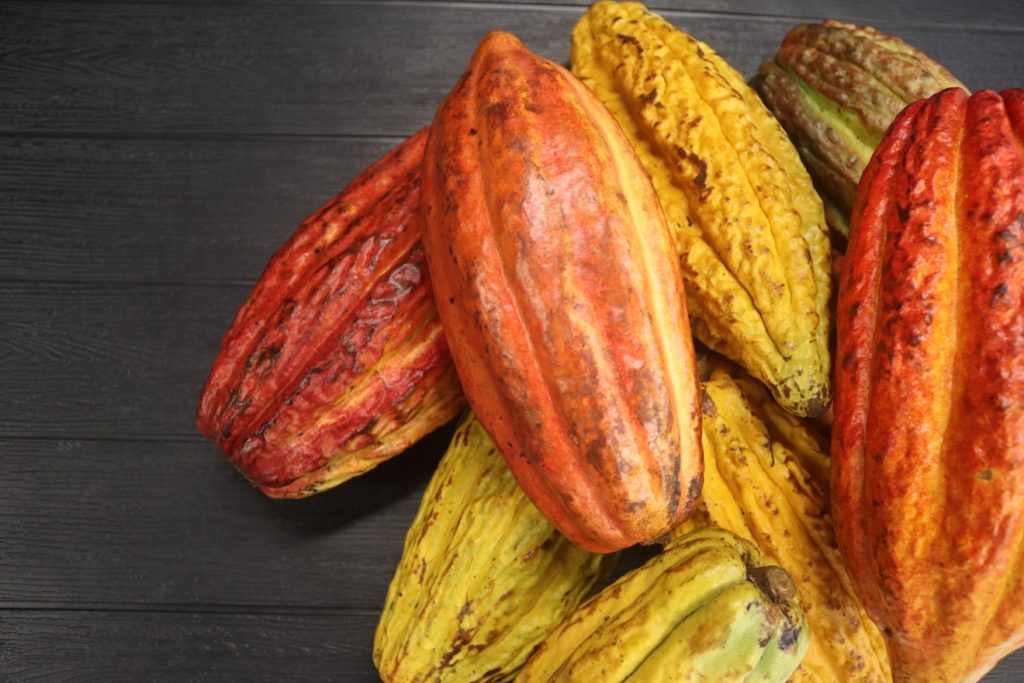
While the cocoa industry faces numerous challenges, disruptions to the supply chain can have significant impacts on the entire market. They affect farmers, manufacturers, and consumers alike, leading to price fluctuations and reduced product availability.
- Climate Change and Weather Events
Across the globe, extreme weather conditions are altering the delicate balance of cocoa production. They damage crops, reduce yields, and impact the quality of the beans, ultimately affecting the entire supply chain.
- Regulatory and Trade Issues
Beneath the surface of the cocoa industry, regulatory and trade issues pose significant threats to the supply chain. They create uncertainty and complexity, making it difficult for companies to navigate the market and ensure a stable supply of high-quality cocoa.
Also, regulatory changes and trade agreements can have far-reaching consequences for cocoa producers and manufacturers. They must adapt to new rules and regulations, which can be time-consuming and costly, diverting resources away from other important aspects of the business, such as sustainability and quality control, and he notes that these issues can have a lasting impact on the industry as a whole.
Sustainability and Social Responsibility
Despite growing concerns, the cocoa industry faces numerous sustainability and social responsibility challenges. They affect the environment, local communities, and the industry’s reputation. She notes that these issues must be addressed to ensure a stable supply chain.
- Environmental Impact
Societal expectations demand that companies prioritize environmental sustainability. They must adopt practices that reduce deforestation, conserve water, and promote eco-friendly farming methods. He believes this will help mitigate the industry’s ecological footprint.
- Labor Practices and Fair Trade
Towards a more equitable industry, labor practices and fair trade must be prioritized. They should ensure that farmers and workers are paid fairly and work in safe conditions. They emphasizes the need for transparency and accountability throughout the supply chain.
Impact of unfair labor practices is significant, affecting not only the workers but also the industry as a whole. He notes that companies are now working to improve labor conditions, providing training and fair prices to farmers, and promoting sustainable agriculture practices. They are also partnering with organizations to monitor and address labor issues, ensuring a more responsible and sustainable cocoa industry.
Technological Innovations
To address supply chain challenges, the cocoa industry is turning to technological innovations. They are implementing new solutions to improve efficiency and transparency.
- Digitalization and Data Analytics
Alongside this, advanced digital tools are being utilized. Analytics help them make informed decisions and optimize operations.
- Blockchain and Transparency
The use of blockchain technology is becoming more prevalent. They are using it to track shipments and verify authenticity.
In addition, blockchain technology provides a secure and transparent way to record transactions, enabling them to monitor the movement of cocoa beans throughout the supply chain. This increased transparency helps them identify and address issues promptly, ensuring a more efficient and reliable supply chain.
Future Outlook
Your view of the cocoa industry’s future is shaped by its complex supply chain. See a path forward, marked by innovation and adaptation, as they work to overcome current challenges.
- Emerging Markets and Trends
Trends in consumer behavior and technological advancements are driving change in the cocoa industry. They are shifting towards more sustainable and transparent practices, as consumers demand higher standards.
- Opportunities for Growth and Improvement
Opportunities abound for companies to improve their supply chain management and increase efficiency. They can invest in new technologies and develop more direct relationships with farmers, suggest, to create a more equitable and resilient industry.
Another area of potential growth lies in certification programs and sustainability initiatives. They can help to ensure that cocoa is produced in a way that benefits both farmers and the environment, and companies are taking notice, investing in these efforts to improve their reputation and bottom line.
Conclusion
Following this analysis, she notes that companies in the cocoa industry face significant supply chain challenges. They struggle with poor infrastructure, limited access to financing, and inconsistent crop yields. State that these issues hinder the industry’s ability to meet growing demand. They must adapt to overcome these obstacles and ensure a stable supply of cocoa.