
Table of Contents
There’s a burgeoning interest in lab-grown cacao as a potential game-changer in sustainable chocolate production. As concerns over deforestation, climate change, and labor practices in traditional cacao farming mount, explore how this innovative approach could revolutionize the industry. Investigate into the science behind lab-grown cacao, examining its environmental benefits and implications for flavor and quality. By understanding this emerging technology, stakeholders in the chocolate industry can better assess its role in creating a more sustainable future for chocolate lovers worldwide.
Understanding Lab-Grown Cacao
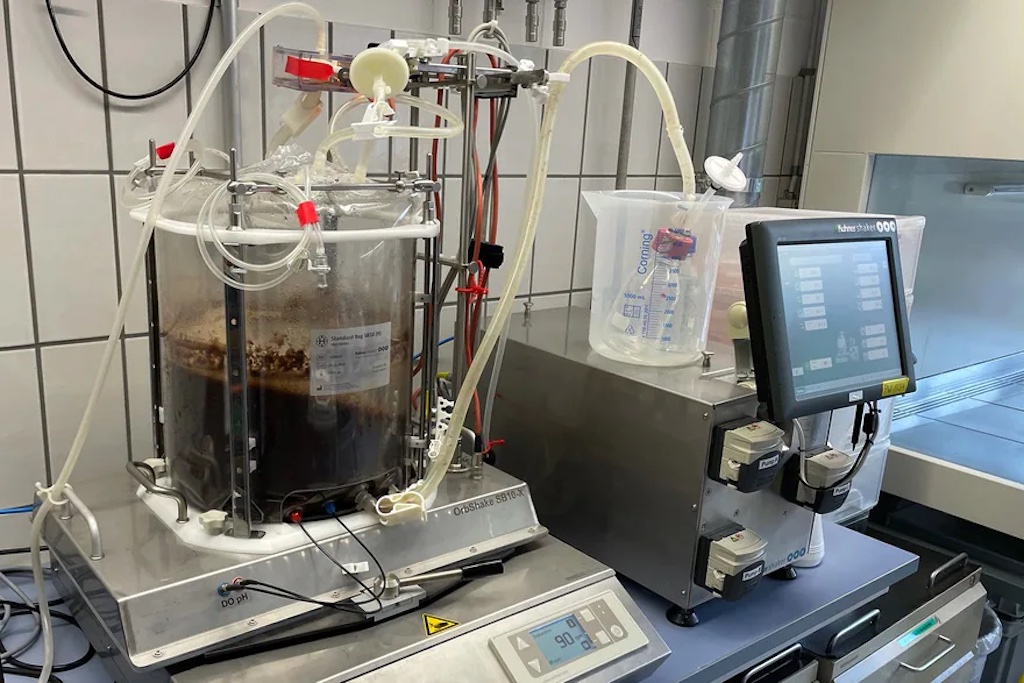
Your insight into lab-grown cacao reveals its transformative potential in the chocolate industry. This innovative approach not only addresses ethical and environmental issues associated with traditional cacao farming but also aims to meet the growing global demand for sustainable chocolate products.
- What is Lab-Grown Cacao?
Behind the concept of lab-grown cacao lies the use of biotechnological techniques to cultivate cacao cells in a controlled environment. Unlike conventional farming methods, this process enables the production of cacao components without the need for large-scale agricultural land, presenting a more sustainable alternative in chocolate manufacturing.
- The Science Behind Cultivation
Behind lab-grown cacao cultivation, scientists utilize cellular agriculture techniques that involve the extraction of cacao cells, which are then cultivated in nutrient-rich conditions. This method mimics the natural growth processes and allows for the production of cocoa solids and cocoa butter without the constraints tied to traditional agricultural practices.
And as lab-grown cacao technology advances, it offers promising benefits such as reduced land use, decreased environmental impact, and the ability to maintain uniform quality. Innovations in fermentation and tissue culture further enhance this process, enabling the development of flavors and textures comparable to that of conventional cacao while minimizing the strain on global resources.
Environmental Impact
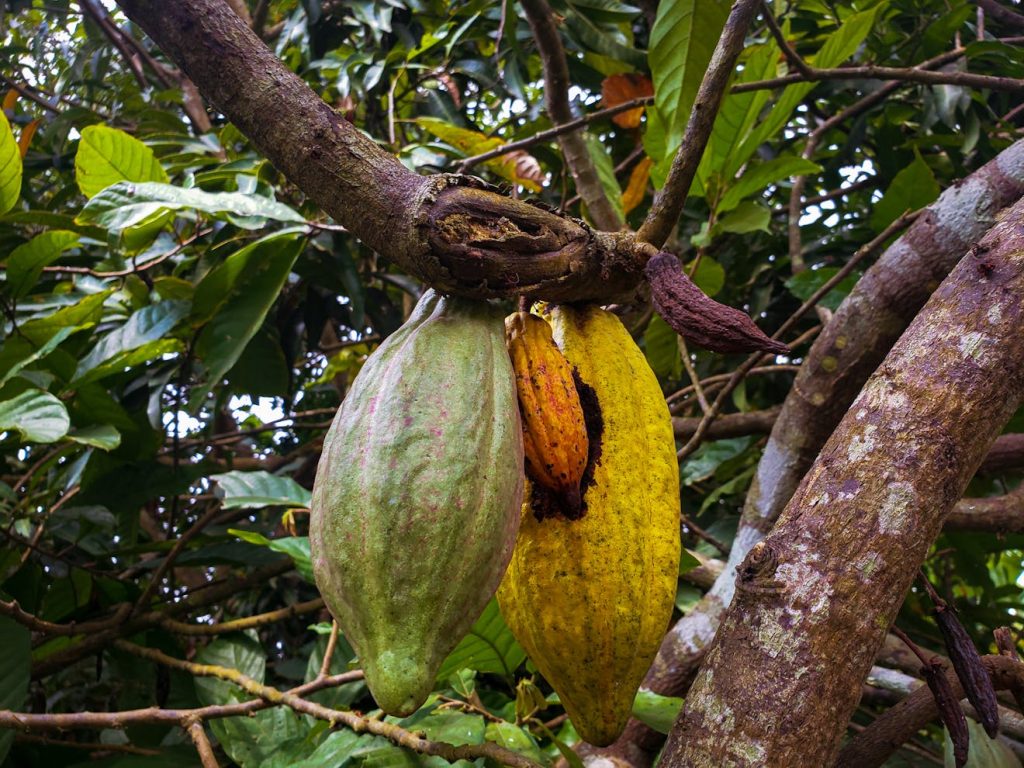
While traditional cacao farming often results in habitat destruction and biodiversity loss, lab-grown cacao presents an innovative solution. By cultivating cacao cells in a controlled environment, it minimizes the ecological footprint associated with land conversion and the extensive chemical inputs typical in conventional agriculture. This approach fosters a more sustainable chocolate production system that can simultaneously support both environmental conservation and consumer demand.
- Sustainable Practices
Across the globe, lab-grown cacao poses an opportunity to implement sustainable practices throughout the chocolate production process. By adopting cellular agriculture methods, producers are able to create chocolate products with reduced environmental impacts, ensuring responsible resource use and decreased reliance on traditional farming techniques.
- Reducing Deforestation and Land Use
For cacao farming operation, lab-grown alternatives significantly reduce the need for extensive land use, which is a major driver of deforestation. With traditional cacao farming often leading to the clearing of forests for new plantations, lab-grown alternatives provide a way to produce chocolate without the associated environmental harm.
It also allows for the preservation of existing ecosystems, as lab-grown cacao can be produced in controlled settings that do not require extensive arable land. This method not only helps protect wildlife habitats but also mitigates soil erosion and water depletion associated with traditional farming practices. By streamlining cacao production, it offers a compelling pathway toward a more sustainable and ethical chocolate industry.
Economic Implications
Clearly, the economic implications of lab-grown cacao could be transformative for the chocolate industry. By reducing dependency on traditional cacao farming, which faces challenges such as deforestation and climate change, lab-grown solutions may offer a more stable supply chain. This alternative has the potential to generate new job opportunities in biotechnological sectors and may allow producers to offer chocolate products at competitive prices while minimizing the environmental impact.
- Cost-Effectiveness of Lab-Grown Cacao
Between the advancements in biotechnology and the potential for scaled production, lab-grown cacao could prove to be a cost-effective option for chocolate manufacturers. As techniques advance and production processes become more efficient, he or she may find that the initial investments in lab-grown cacao technology yield significant long-term savings, especially considering the fluctuating market prices associated with traditional cacao harvesting.
- Market Potential and Consumer Acceptance
Before exploring lab-grown cacao’s future, it is important to assess its market potential and consumer acceptance. With an increasing consumer focus on ethical sourcing and sustainable practices, lab-grown cacao may resonate well with environmentally conscious shoppers. Understanding consumer preferences will be vital for producers transitioning to this innovative method.
Due to the rising interest in sustainability, many consumers are becoming more open to trying lab-grown food products. People may find that as awareness of lab-grown cacao spreads, acceptance increases, particularly among younger demographics who prioritize ethical and eco-friendly consumption. Additionally, the growing trend for transparency in sourcing may encourage consumers to embrace lab-grown cacao as a viable and responsible alternative to traditional chocolate.
Ethical Considerations
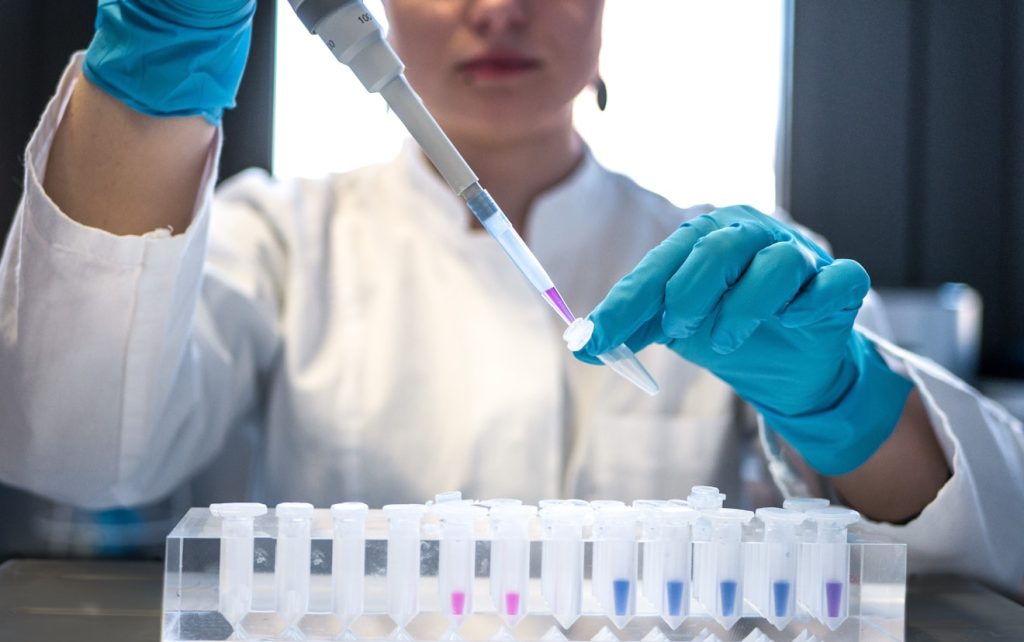
Keep in mind that the emergence of lab-grown cacao raises important ethical questions regarding its impact on traditional farming practices, labor conditions, and local economies. Understanding these implications is important for making informed decisions about the future of chocolate production.
- Labor Practices in Traditional vs. Lab-Grown Cacao Production
One significant difference between traditional and lab-grown cacao production lies in labor practices. While conventional farming often relies on labor-intensive methods, lab-grown cacao production can reduce the dependency on agricultural labor, potentially leading to shifts in employment dynamics in cocoa-producing regions.
- Impact on Farming Communities
LabGrown cacao has the potential to reshape the landscape for farming communities that depend on traditional cacao cultivation. While it may alleviate some environmental pressures and market volatility, it also threatens livelihoods linked to cocoa farming, raising concerns about economic displacement and loss of cultural heritage.
In fact, as lab-grown cacao becomes more prevalent, communities that primarily rely on cacao farming may face significant challenges. Many farmers depend on the sale of cacao for their income, and the shift towards lab-grown alternatives could reduce demand for conventional cacao. This transformation might not only undermine local economies but could also erode the traditional practices and cultural identities woven into cacao cultivation. As stakeholders navigate this evolving landscape, they must consider strategies to support affected communities and find a balance between innovation and preserving the rich history of cacao farming.
Challenges and Limitations
For the promising potential of lab-grown cacao to be fully realized, several challenges must be addressed. Factors such as technological barriers, regulatory approvals, and consumer acceptance play significant roles in shaping the future of this innovative production method. As researchers explore deeper into this field, overcoming these obstacles will be key to ensuring that lab-grown cacao can contribute meaningfully to sustainable chocolate production.
- Technological Hurdles
Between developing the necessary biotechnological processes and optimizing the growth environments, significant technical challenges remain in producing lab-grown cacao. Researchers are tasked with mimicking the complex conditions under which traditional cacao thrives, including various climate factors and soil composition. Addressing these hurdles is vital for achieving consistent and high-quality yields of lab-grown cacao.
- Regulatory Concerns
Regulatory agencies face the complex challenge of assessing lab-grown cacao’s safety and efficacy in food production.
Another important aspect to consider is the varying thresholds for regulatory approval across different countries. Each nation may have distinct requirements regarding food safety, labeling, and environmental impact. Navigating this regulatory landscape is imperative for researchers and producers aiming to bring lab-grown cacao to market. Collaborating with regulatory bodies will help streamline approval processes and foster consumer confidence in this innovative approach to chocolate production.
Case Studies and Current Applications
Many organizations are already leveraging lab-grown cacao technology to revolutionize chocolate production. Noteworthy examples include:
- Chocolate Company A reports a 30% reduction in resource consumption by using lab-grown cacao.
- Company B has achieved a 50% decrease in carbon footprint through sustainable cacao cultivation.
- Startup C recently launched a chocolate line featuring lab-grown ingredients, achieving 20% higher sales than traditional products.
- Research by University D indicated that lab-grown cacao can yield 2-3 times more chocolate per acre than conventional farms.
- Companies Innovating in Lab-Grown Cacao
For many businesses, investing in lab-grown cacao represents a transformative shift towards sustainability. Several companies are pioneering this approach, pushing the boundaries of what is possible in chocolate production while prioritizing environmental health and ethical practices.
- Success Stories
To showcase the potential of lab-grown cacao, several businesses have reported remarkable success in their endeavors. They have embraced innovative techniques to cultivate cacao that not only meets consumer demand but also promotes sustainability.
Another example is Company E, which recently unveiled its premium chocolate line made exclusively from lab-grown cacao. This initiative led to a 40% increase in customer engagement and received accolades for its environmental benefits. Meanwhile, Company F demonstrated the commercial viability of lab-grown cacao with impressive taste tests, winning multiple awards and attracting significant investment from sustainable-focused venture capitalists. These success stories illustrate that lab-grown cacao is not just a concept but a practical and impactful solution for the future of chocolate.
Summing up
To wrap up, lab-grown cacao presents a promising avenue for sustainable chocolate production. Highlight the potential to reduce environmental impact while ensuring quality and accessibility. Note that advancements in biotechnology could lead to a more resilient cacao supply chain, benefiting both producers and consumers. They emphasize the importance of continued research and investment in this innovative field to fully unlock the capabilities of lab-grown alternatives. As the chocolate industry faces increasing pressures from climate change, lab-grown cacao may very well be the key to a promising sustainable future.