
Table of Contents
Cocoa markets are kinda flipping upside down right now, thanks to all this AI stuff barging in. Algorithms are running the show—seriously, it’s like computers have taken up day trading as a hobby. If you’ve noticed chocolate prices bouncing around new flavors popping up, yeah, you can probably thank some nerdy program crunching numbers behind the scenes of cocoa trading. Machine learning and data analytics aren’t just buzzwords anymore—they’re actually messing with how beans get priced, who gets paid, and even what shows up on your grocery shelf.
So if you wanna keep up with what’s happening in the chocolate biz, you gotta pay attention to these techy changes. It’s not just about fancy robots—it’s about how your favorite candy bar gets made, who profits, and why you might start seeing some unexpected stuff next time you hit the snack aisle.
Digital Transformation in Cocoa Production

The digital revolution is reshaping cocoa production, introducing innovations that optimize yield and quality. Farmers are now leveraging technology to manage climate impacts, enhance pest control, and streamline supply chains. With smart sensors and real-time data analysis, you can monitor soil health and crop conditions, allowing for better decision-making and increased sustainability in practices. Digital transformation empowers you to meet market demands while minimizing environmental impact.
- The Rise of Smart Agriculture
Smart agriculture is revolutionizing cocoa farming through advanced technologies such as IoT devices, UAVs, and precision agriculture tools. These innovations provide you with invaluable insights into your farming practices, allowing you to monitor crop health, optimize irrigation, and implement targeted interventions. By integrating these technologies, your cocoa production can become more efficient and sustainable, leading to higher yields and better quality beans.
- Data-Driven Decisions on Farms
Based on research, data-driven decision-making is at the heart of modern cocoa farming. By harnessing data analytics, you can analyze weather patterns, soil conditions, and crop performance to make informed choices. For example, using predictive analytics can help you anticipate yield fluctuations and adjust planting schedules accordingly. The adoption of these insights not only boosts productivity but also enhances resilience against climate extremes.
Making decisions based on data it’s basically survival mode these days. You’re out there, sweating over rainfall charts, watching the thermometer bounce around, and keeping an eye on every creepy-crawly pest that shows up uninvited. There’s tech for all this now, and it’s not just for Silicon Valley types. These tools pull together everything—weather, bugs, you name it—so you’re not flying blind. Why guess when you can have the odds stacked for you? Especially now, with everyone fighting for a piece of the cocoa pie, you kind of have to play it smart. Data isn’t just a nice-to-have; it’s your ticket to keeping your farm alive and actually making some money.
Algorithmic Pricing: The New Norm
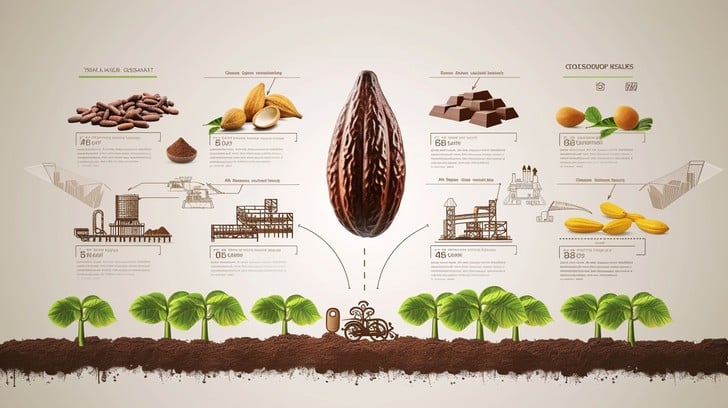
Algorithmic pricing has become a standard practice in the cocoa market, where automated systems analyze vast datasets to set real-time prices. This method allows traders to respond instantly to market fluctuations based on demand, supply chain disruptions, and competition. With algorithms continuously optimizing prices, your ability to remain competitive hinges on understanding these dynamic changes and leveraging them for better profitability.
- How Machine Learning Models Predict Market Trends
Machine learning models have emerged as powerful tools for forecasting market trends in cocoa. By examining historical data and consumer patterns, these algorithms can identify emerging trends and anomalies. For you, this means not only having insights into price movements but also predicting shifts in demand influenced by factors such as weather conditions, geopolitical events, and changes in consumer preferences.
- The Impact of Dynamic Pricing on Cocoa Sellers
Dynamic pricing strategies can significantly benefit cocoa sellers, allowing you to adjust prices based on real-time data. This approach helps you maximize revenue during peak demand periods and remain competitive during price declines. You might find your margins improve as algorithms optimize your selling price relative to market conditions, ultimately enhancing your position in an ever-evolving marketplace.
With dynamic pricing, sellers can capitalize on immediate shifts, such as sudden weather changes impacting cocoa production, ensuring you remain aligned with market needs. For instance, if a competing seller raises prices due to low supply, an adaptable pricing model allows you to stay competitive by lowering your prices, drawing more buyers without sacrificing too much margin. Additionally, understanding consumer elasticity through predictive models helps you refine pricing strategies, turning potential losses into profits. This fluidity creates a more resilient selling strategy, vital in fluctuating markets, making you more agile and responsive in your sales approach.
Sustainability and Transparency: A Shift in Trade Dynamics
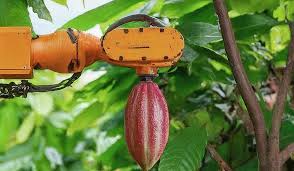
Sustainability and transparency have emerged as central themes in the cocoa trading, reshaping consumer expectations and supply chain operations. As concerns regarding environmental impact and social responsibility grow, many brands are now prioritizing ethical sourcing. This shift is not just a response to consumer demand; it enhances brand loyalty and sets companies apart in a competitive market. Enhanced visibility into the supply chain allows consumers to make informed choices, potentially favoring products that quantify their commitment to sustainable practices.
- The Role of Algorithms in Traceability
Algorithms facilitate unprecedented levels of traceability in cocoa production, enabling brands to track the journey of cocoa beans from farm to consumer. By leveraging blockchain technology and data analytics, you now have access to detailed insights regarding the origins of your chocolate. This improved accountability not only ensures ethical sourcing but also opens pathways for farmers to share their stories, thereby connecting consumers with the source of their favorite treats.
- Balancing Profitability with Eco-Friendly Practices
Maintaining profitability while adopting eco-friendly practices is a delicate balance for cocoa producers. Increased consumer preference for sustainable products often comes with higher production costs, requiring careful adjustments in pricing strategies. Innovative companies are finding that investing in sustainability not only meets consumer demand but can also open up new revenue streams, such as eco-certifications or premium pricing for ethically produced chocolate.
Finding the right equilibrium between profitability and sustainable practices involves leveraging technology to increase operational efficiency. For instance, techniques such as precision agriculture can reduce resource use while maximizing yields, allowing you to lower costs without compromising on environmental standards. In addition, brands that transparently communicate their sustainability efforts can attract a more discerning customer base willing to pay a premium for responsible products. By integrating eco-friendly methods into their business models, companies are not just responding to market trends; they’re driving a fundamental shift in how cocoa is traded and perceived around the world.
Consumer Behavior in the AI Landscape
Your chocolate preferences are increasingly informed by sophisticated algorithms that analyze trends and behaviors. These systems monitor factors like seasonal buying patterns, flavor popularity, and even social media conversations to tailor offerings that resonate with your tastes. By continuously adapting to the insights gained from your interactions, brands are now able to create more personalized marketing strategies that enhance your overall chocolate experience.
- Understanding Preferences through Data Analytics
Data analytics provides brands with a deep understanding of your specific chocolate preferences, utilizing demographic information, purchasing history, and consumer feedback. This nuanced analysis allows companies to forecast demand for unique flavor combinations or eco-friendly chocolates. By tapping into this wealth of information, they can present options that you are likely to enjoy, ultimately enriching your chocolate selection experience.
- The Influence of Targeted Marketing on Chocolate Choices
Targeted marketing leverages the insights gathered from data analytics to influence your chocolate choices in remarkable ways. Personalized ads, recommendations based on previous purchases, and tailored promotions shape your buying decisions, leading to a more engaging shopping experience. If you frequently choose dark chocolate or organic varieties, you’ll likely receive push notifications about new products that align with your preferences, driving your future purchases.
Consider the impact of a personalized email featuring a delightful new line of artisanal dark chocolates after you’ve recently explored similar products. This targeted approach catches your attention because it aligns perfectly with your history, making it more likely that you’ll make a purchase. Studies reveal that targeted marketing can increase conversion rates significantly—up to 50%—when compared to generic advertising strategies. For consumers, this means the brands you love are increasingly aware of your preferences, developing stronger connections and enhancing your chocolate discovery journey.
Navigating Market Volatility with AI
Market volatility poses challenges for cocoa traders, but AI technologies offer innovative solutions to mitigate risks. Advanced algorithms can analyze vast datasets in real-time, enabling you to react swiftly to market shifts. Machine learning models can predict price fluctuations by considering historical trends and external factors, ensuring you stay ahead in an unpredictable landscape.
- Risk Management Strategies for Cocoa Traders
Implementing AI-driven risk management strategies can significantly bolster the resilience of your cocoa trading operations. By utilizing predictive analytics, you can identify potential risks early and formulate action plans, such as adjusting your pricing strategies or diversifying supplier relationships to minimize exposure to adverse price movements.
- Predictive Analysis for Future Trends
Adopting predictive analysis in the cocoa market elevates your ability to forecast future trends with precision. AI models leverage complex algorithms to sift through historical and real-time data, assisting you in recognizing patterns that signal shifts in supply and demand, thus positioning you to make informed cocoa trading decisions.
For instance, models can pinpoint seasonal effects on cocoa supply and incorporate climate data to predict harvest yields, empowering you to anticipate price changes. If recent weather patterns indicate potential droughts in key producing regions, your cocoa trading strategy can adapt proactively. Additionally, understanding consumer preferences through social media sentiment analysis can guide your investments in upcoming cocoa products, making your strategies not just reactive but also visionary. By marrying your market insights with AI-driven projections, you can enhance your competitive edge in the chocolate market.
Summing up
In conclusion, when you think about all the algorithms sneaking their way into the cocoa trading business, it’s kind of wild how much they’re shaking things up. We’re not just talking about making stuff run smoother—these things are out here basically predicting the future of chocolate. You’ve got data collected everywhere, machine learning crunching numbers, and suddenly you know when to buy, when to sell, and how to get those beans from point A to point B without losing your mind. It’s not just about keeping up anymore—it’s about staying one step ahead, or the competition’s gonna eat your lunch.