Table of Contents
Researchers analyze the cocoa market trends, noting that they drive trends with their purchasing power. They observes that as global demand for chocolate and cocoa products increases, they impact market prices and production levels. Cocoa market size was valued at USD 16.4 Billion in 2023 and predicted to grow to USD 24.37 Billion by 2032.
They seek to understand the complex dynamics at play, and he finds that consumer preferences and economic factors shape the industry’s direction, influencing the lives of cocoa farmers and manufacturers alike, as they navigate the ever-changing landscape of the cocoa market.
Market Overview
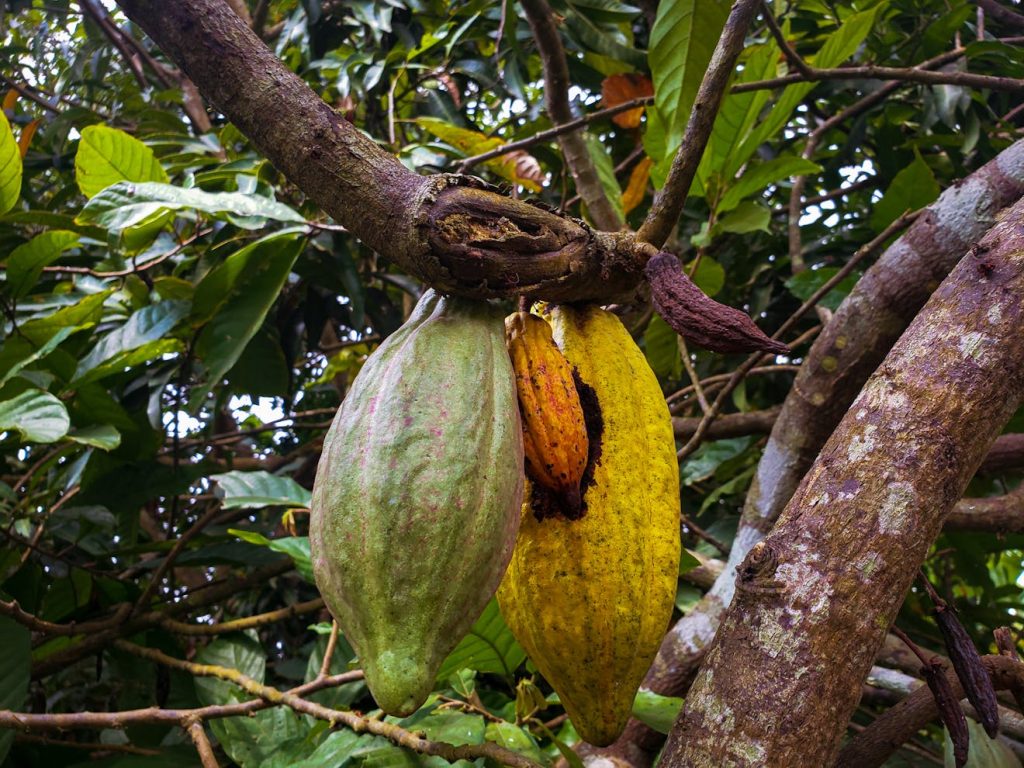
The cocoa market is a complex system influenced by various factors, including global demand and production patterns. Noting the fluctuations in prices and trade volumes. In fact, the market is sensitive to changes in demand, particularly from emerging economies.
- Global Demand Trends
Across the globe, demand for cocoa is increasing, driven by growing consumer interest in chocolate and other cocoa-based products. She notes that this trend is particularly evident in Asia, where he sees a rising middle class with a growing appetite for luxury goods.
- Cocoa Production Patterns
Generally, cocoa production is concentrated in a few regions, with West Africa being the largest producer. They produce over 70% of the world’s cocoa, with countries such as Côte d’Ivoire and Ghana being the major players.
And as a result, the global cocoa market is heavily dependent on these regions, with any disruptions to production having a significant impact on prices and trade volumes. Factors such as weather conditions, pests, and diseases can all affect cocoa yields, making production patterns a key factor in determining market trends.
Economic Factors

Some key economic factors influence the cocoa market. They include:
- Factors:
- Global demand
- Supply and demand balance
This affects the overall market trends and prices.
- Price Fluctuations
Following market analysis, prices can fluctuate greatly. They are influenced by various factors, including global events and climate change.
- Trade Policies
The trade policies of countries impact the cocoa market. They regulate the import and export of cocoa, affecting the market trends. Factors such as tariffs and quotas are considered when analyzing trade policies. They can limit or increase the trade of cocoa, and notes that these policies are set by governments to protect their domestic markets, which in turn affects the global cocoa market trends and prices, as they try to balance their own economic interests with the demands of the global market.
Consumer Behavior

Assuming a significant impact on the cocoa market, consumer behavior plays a key role in shaping trends. They drive demand, influencing prices and production. Their preferences and purchasing decisions are closely monitored by manufacturers and suppliers.
- Changing Preferences
Beneath the surface of the cocoa market, shifting consumer preferences are altering the landscape. They are opting for premium and sustainable products, forcing companies to adapt and innovate to meet these new demands.
- Emerging Markets
By examining the global cocoa market, it becomes clear that emerging markets are gaining prominence. They are driving growth, with increasing demand from countries such as China and India.
Emerging markets are experiencing rapid economic growth, leading to an increase in disposable income and a growing middle class. Market are developing a taste for cocoa products, particularly chocolate, which is becoming more accessible and affordable, further fueling demand and shaping the future of the cocoa market.
Supply Chain Dynamics

For the cocoa market, supply chain dynamics play a significant role in shaping trends. State that the complex interactions between producers, processors, and distributors to understand the market’s fluctuations.
- Farming Practices
Between the rows of cocoa trees, founded the varying farming practices that impact supply. Affect the quality and quantity of cocoa beans, influencing the overall market. Chocolate products are the end result of cocoa plants. Chocolate is produced from cocoa beans that go through various stages of processing. Good cocoa cultivation practices will affect the production of dry cocoa beans. Optimal cultivation techniques will support the production of cocoa fruit containing cocoa beans.
- Processing and Distribution
One of the key factors in the supply chain is the processing and distribution of cocoa beans. They are handled by various intermediaries before reaching the final consumer.
It is during the processing and distribution stages that the cocoa beans are transformed into the final product, with companies like Cargill and Olam playing a significant role in shaping the market trends. They source cocoa beans from farmers, process them, and distribute the products to manufacturers, ultimately influencing the global demand and prices of cocoa products.
Environmental Impact
Not surprised at all, the cocoa market’s growth has significant environmental implications. They affect ecosystems and biodiversity, particularly in regions with high cocoa production.
- Sustainability Efforts
Besides the environmental concerns, companies are implementing sustainable practices to reduce their ecological footprint. They adopt methods like shade-grown cocoa and reforestation programs.
- Climate Change Effects
About climate change, it poses a significant threat to cocoa production. Experience changing weather patterns and rising temperatures, impacting crop yields.
Hence, the effects of climate change on cocoa production are far-reaching. Note that warmer temperatures alter the regions where cocoa can be grown, affecting the quality and quantity of the crop. In turn, impacts the livelihoods of cocoa farmers and the entire supply chain, as they struggle to adapt to the changing environmental conditions.
Industry Outlook
Many factors contribute to the fluctuations in the cocoa market, and he analyzes them to understand the trends. The demand for cocoa is on the rise, driven by growing consumer interest in chocolate and other cocoa-based products. They expect the market to continue growing, with new players emerging and existing ones expanding their operations.
- Future Projections
For the most part, projections indicate a steady increase in global cocoa demand, and she expects this trend to continue in the coming years. The rising demand is driven by emerging markets and changing consumer preferences, and they are likely to shape the industry’s future.
- Market Opportunities
Before entering the cocoa market, companies need to understand the trends and challenges, and he notes that this knowledge is necessary for success. They can capitalize on the growing demand by investing in sustainable and high-quality cocoa production, and this approach can lead to increased market share and profitability.
Future market opportunities will be driven by innovation and sustainability, and they will play a key role in shaping the industry’s development. Companies that adapt to changing consumer preferences and invest in sustainable practices will be well-positioned for growth, and their efforts will contribute to the industry’s long-term success.
Summing up
Ultimately, they note that global demand drives cocoa market trends. He observes that consumer preferences and economic conditions shape the industry. Analyzing the data, concluding that emerging markets fuel growth. They agree that understanding these factors is key to navigating the complex cocoa market, where supply and demand constantly intersect.