
Table of Contents
There’s significant interest in the impact of cocoa powder particle size on chocolate quality among chocolate makers and connoisseurs alike. People may understand that particle size plays a vital role in determining texture, flavor release, and overall mouthfeel of chocolate. This blog post will investigate into how varying particle sizes influence the production of chocolate, examining the science behind it and its effects on taste and quality. By exploring these factors, they aim to illuminate the complex interplay between cocoa powder characteristics and the final chocolate experience.
The Science of Cocoa Powder Particle Size

Cocoa powder particle size plays a pivotal role in the overall quality of chocolate products. As chocolate makers formulate their recipes, they rely heavily on understanding how these size variations influence solubility, texture, and flavor. The particle size can dictate not only how the cocoa interacts with other ingredients but also how it contributes to the final product’s aroma and taste, shaping the chocolate experience for consumers.
- How Particle Size Affects Solubility and Flavor Release
Smaller cocoa powder particles exhibit greater surface area, leading to improved solubility and more efficient flavor release during chocolate production. This means that chocolates made with finely milled cocoa powder can have a richer, more robust flavor profile, as the smaller particles dissolve more readily in liquids and interact more effectively with other ingredients. Consequently, chocolates that utilize finely ground cocoa often showcase an enhanced burst of flavor when consumed, elevating the overall sensory experience.
- The Role of Milling Techniques in Particle Size Variation
Milling techniques have a direct impact on the resultant particle size of cocoa powder, thereby influencing chocolate quality. Different methods, such as hammer milling, pin milling, and roller milling, yield varying particle sizes and shapes, which can subtly alter the melting characteristics and flavor integration in chocolate. For instance, roller milling can produce a finer, more uniform powder, while hammer milling tends to create a coarser product with different melting properties. Chocolate makers often choose specific milling techniques based on the desired attributes of the final chocolate product, underscoring the connection between production methods and resulting quality.
The selection of milling technique is crucial in achieving the desired particle size distribution crucial for optimal flavor and texture. Hammer milling is efficient for producing coarser cocoa powder, which can impart a distinct nib-like texture in certain chocolates, enhancing mouthfeel. Conversely, pin or roller milling is often preferred for finer powders, which facilitate smoother emulsification in chocolate formulations, leading to a more velvety finish. Different chocolate products, from dark to milk varieties, may leverage these milling differences to evoke specific taste profiles, illustrating the complex interplay between production methods and chocolate attributes.
Quality Indicators in Chocolate Production

The quality of chocolate is influenced by various factors, including the quality of cocoa beans, processing methods, and particle size. Each of these elements plays a significant role in determining the final product’s characteristics, such as flavor, texture, and aroma. Manufacturers focus on specific indicators to ascertain chocolate quality, making particle size one of the pivotal elements affecting the overall experience of the consumer.
- The Importance of Particle Size in Chocolate Texture and Mouthfeel
Particle size directly affects the texture and mouthfeel of chocolate. Smaller particles are imperative for achieving a smooth and creamy consistency, which enhances the overall enjoyment. A typical optimal particle size range for premium chocolate is between 20 to 25 microns; any coarser textures often lead to a gritty mouthfeel that detracts from the sensory experience.
- Influence on Aroma and Flavor Complexity
The relationship between particle size and chocolate’s aroma and flavor complexity is profound. Finer particles allow for greater surface area, which enhances the release of volatile compounds when chocolate is melted in the mouth. This results in a more pronounced flavor profile, showcasing the rich notes inherent in the cocoa beans used.
The science of chocolate production underscores the interplay between particle size and flavor development. Smaller cocoa particles facilitate the extraction of oils and other flavor compounds, leading to a more complex and nuanced palate. For instance, fine chocolate with a particle size under 30 microns often exhibits multi-layered notes of fruit, nut, or spice, thereby enhancing the sensory experience. In contrast, coarser particle sizes tend to produce a simpler flavor profile, sacrificing subtlety for bulk.
Consumer Preferences and Market Trends
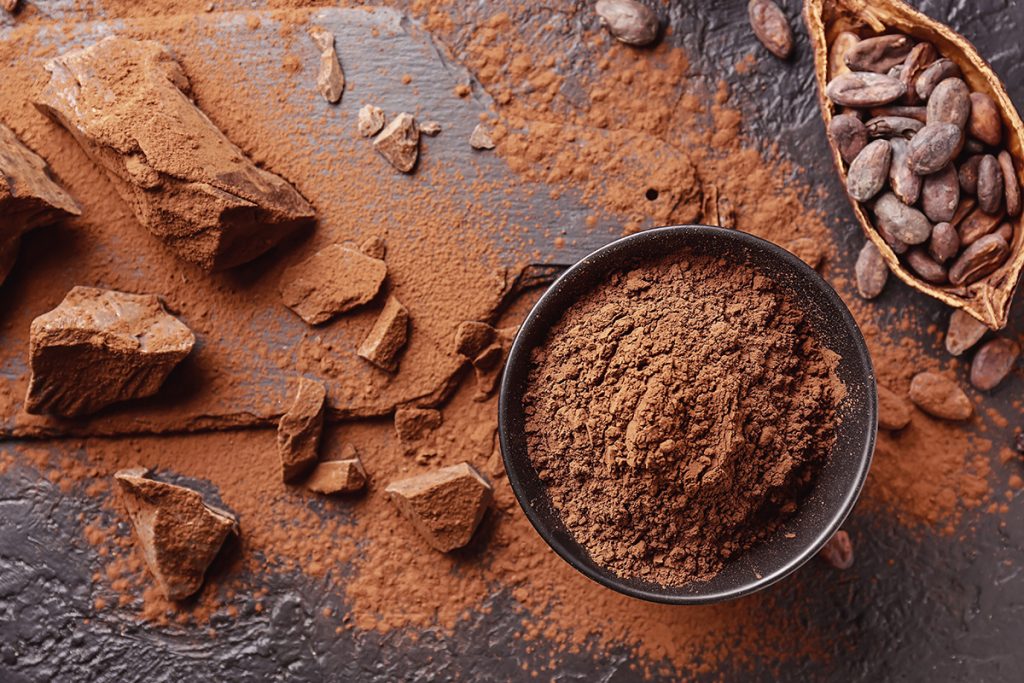
Current trends in the chocolate market reflect a growing consumer desire for high-quality, artisanal products. As chocolate enthusiasts become more discerning, they seek out products made with fine cocoa powders that offer superior taste and texture. The demand for ethically sourced and sustainably produced chocolate also influences purchasing behavior, as consumers increasingly look for brands that align with their values. This shift towards quality-driven choices has encouraged manufacturers to prioritize premium cocoa powders in order to meet market expectations.
- The Shift Towards Fine Cocoa Powders in Artisan Chocolate
Artisan chocolate makers increasingly emphasize the importance of using fine cocoa powders, which have smaller particle sizes that enhance flavor and mouthfeel. As shoppers develop a palate for gourmet chocolate, they gravitate towards brands that showcase the meticulous selection of cocoa beans and processing methods that yield high-quality products. This movement is partly driven by a rising awareness of the craft behind chocolate-making, where finer powders contribute to a more refined final product that elevates the overall chocolate experience.
- How Particle Size Affects Perceived Quality
Particle size plays a fundamental role in the perceived quality of chocolate. Smaller cocoa powder particle sizes result in smoother textures and enhanced flavor release, making chocolates more appealing to consumers. For instance, research indicates that a particle size reduction from 30 microns to below 10 microns can lead to a significantly improved mouthfeel, which translates to a richer, creamier chocolate experience. As a result, perceptual quality is enhanced, leading consumers to favor products that boast finer cocoa powders.
Chocolate with finer cocoa powders not only satisfies individual palate preferences but also aligns with the broader market trend toward premium ingredients. The smoothness of the chocolate, attributed to reduced particle sizes, heightens the overall enjoyment of the product, creating a more indulgent experience. Studies have shown that consumers are willing to pay a premium price for chocolates that deliver exceptional taste and texture, underscoring the importance of particle size in shaping their perception of quality. As such, manufacturers must pay close attention to the milling processes that refine cocoa powder, ensuring they meet consumer expectations and industry standards.
Implications for Chocolate Manufacturers
For chocolate manufacturers, the particle size of cocoa powder holds significant implications for both the final product and production efficiency. Smaller particles can enhance flavor release and improve texture, yielding a creamier mouthfeel in finished chocolate products. However, such advancements often require sophisticated processing techniques, which can increase production costs. Striking the right balance between size, quality, and cost-effectiveness is crucial for manufacturers aiming to satisfy consumer preferences while maintaining profitability.
- Balancing Cost and Quality: Sourcing vs. Processing
Manufacturers face a continuous challenge in weighing the benefits of high-quality cocoa sourced from reputable suppliers against the costs of processing. Quality cocoa—often derived from specific geographic regions—can offer superior flavor profiles, but these advantages might come at a steep price. Conversely, opting for lower-cost materials may necessitate intensive processing to achieve desired particle sizes, impacting overall product quality. Proficient manufacturers skillfully navigate this dynamic to optimize both sourcing and processing strategies, ensuring they deliver appealing products while controlling production expenses.
- Innovations in Particle Size Adjustment Techniques
Recent advancements in technology have played a key role in refining the methods used to adjust cocoa powder particle sizes. Innovations such as ultra-fine milling and high-shear mixing processes have emerged, allowing manufacturers to achieve desired sizes more consistently while minimizing energy usage. For instance, supercritical fluid technology can also enhance particle size distribution without compromising flavor integrity.
These innovative techniques are paving the way for improved control over the milling process, enabling manufacturers to tweak particle size with precision. Technologies such as air-stream milling and oscillating granulators allow chocolate makers to manipulate particle distribution effectively. For example, air-stream milling can create ultra-fine cocoa powders while keeping the chocolate’s flavor profile intact. Such advancements not only enhance product quality but also optimize production processes, allowing manufacturers to stay competitive as consumer preferences evolve and demand for premium chocolate continues to rise.
The Future of Cocoa Powder Research
Future research into cocoa powder will likely center on optimizing particle size to enhance chocolate quality, flavor profiles, and processing efficiency. Advances in analytical techniques, along with a deeper understanding of cocoa’s complex chemistry, could refine how producers approach cocoa powder production. Given the rise of consumer demand for high-quality chocolate, this focus will be vital for both premium and mass-market segments.
- Emerging Technologies for Particle Size Analysis
Innovations such as laser diffraction, dynamic image analysis, and automated microscopy are reshaping particle size analysis in cocoa powder research. These technologies provide insights that were previously difficult to obtain, allowing researchers to quantify particle size distributions more accurately and in real-time. Such advancements enable manufacturers to correlate specific particle sizes with sensory attributes, leading to better-quality chocolate products.
- Potential Impact on Sustainability and Production Practices
Understanding cocoa powder particle size may significantly influence sustainable practices within the chocolate industry. By optimizing grinding processes and reducing waste, manufacturers can lower energy consumption and improve overall efficiency. Additionally, smaller particle sizes may enable the utilization of lower-quality cocoa beans, thereby contributing to a more circular economy where every part of the cocoa pod can be effectively used.
Future implications for sustainability could reshape how chocolate is produced and marketed. For instance, if particle size optimization allows for the use of underutilized cocoa strains, farmers may benefit financially while promoting biodiversity in cocoa cultivation. Moreover, energy-intensive processes could be streamlined, minimizing the carbon footprint of chocolate production. The prospect of aligning particle size with sustainable practices invites a more conscientious approach to sourcing and production, potentially transforming the industry landscape for the better.
Summing up
With these considerations, one can appreciate that the particle size of cocoa powder significantly impacts the quality of chocolate. Highlights that finer particles generally improve texture and flavor release, enhancing overall enjoyment. Points out that coarser particles may lead to a grainy mouthfeel, affecting the chocolate’s appeal. They will find that understanding cocoa powder particle size allows chocolatiers to tailor their products, achieving desired characteristics and satisfying consumer preferences. Hence, attention to this detail is necessary in the art of chocolate making.