Table of Contents
People are absolutely craving for chocolate. But now, people concern about sugar. Sugar? Suddenly public enemy number one. Cue the stampede for some miracle sweetener that won’t torch your gym gains or send your dentist into early retirement. The chocolate biz though? Oh, it’s not just hanging in there—it’s exploding. Like, $312 billion by 2030? That’s a mind-blowing number of Snickers and fancy truffles. Clearly, folks want to indulge, but without side orders of guilt or sugar crashes.
So, let’s get into the nitty-gritty. We’re talking best natural sugar alternative, stevia, monk fruit, coconut sugar, all those “nature blessed” options. I’ll give you the lowdown on what each one actually is, what it does to your taste buds, and if it’ll make your chocolate dreams come true or just taste like disappointment.
The Sweet Revolution: Why Sugar Alternatives Matter

As consumers become more health-conscious, sugar alternatives are reshaping the landscape of food and beverage industries, especially in chocolate confectionery. These substitutes not only provide sweetness but also aim to mitigate the adverse health effects associated with traditional sugars. The shift towards natural sugar alternatives enables manufacturers to cater to a wider audience, including those with dietary restrictions, by offering options that are both delicious and better for overall health.
- Health Concerns Over Traditional Sugars
People be talking about sugar these days—like, it’s the new villain in town. Doom and gloom: obesity, diabetes, heart stuff, sugar’s probably getting the blame. Folks are finally catching on that regular ol’ sugar isn’t just empty calories, it’s more like a sneaky troublemaker hiding in your snacks. So, what happens? The big hunt for “healthy” sweeteners kicks off. Suddenly, every food label is bragging about natural alternatives, especially when it comes to chocolate and all those other guilty-pleasure foods.
- Best Natural Sugar Alternative: The Impact on the Chocolate Industry
The chocolate industry is undergoing a transformation as manufacturers explore best natural sugar alternatives. This shift is driven by consumer demand for healthier options and a desire to reformulate recipes without sacrificing taste. Brands are experimenting with sweeteners like stevia, monk fruit, and date sugar, which allow them to maintain consumer loyalty while catering to their nutritional needs. Companies that adapt to this trend are seeing a competitive edge, as more shoppers prioritize health and well-being in their purchasing decisions.
Moreover, leading chocolate brands have observed that incorporating natural sugar alternatives not only improves their product appeal but also aligns them with wellness trends. For instance, brands that have introduced low-sugar or sugar-free chocolate bars boast a growing market share, demonstrating that health-conscious consumers are willing to seek out products that cater to their dietary preferences. By embracing these alternatives, chocolate manufacturers can innovate their offerings while promoting a healthier lifestyle, ultimately leading to long-term sustainability in the industry.
The Front-Runners: Natural Sugar Alternatives in Chocolate

Finding the right natural sugar swap for chocolate? Oh that’s been a long journey. Some sweeteners really shine—they don’t just make your bar taste good, they’ve got these funky health perks that get all the wellness junkies fired up. And honestly, a few of ’em fit so well, you’d almost forget you’re eating an “alternative.” Chocolate makers are all over this now, tossing these new sweeteners into the mix like it’s some sort of candy revolution.
- Stevia: Nature’s Sweetener
Stevia, derived from the leaves of the Stevia rebaudiana plant, boasts a sweetness level that far surpasses that of sugar. This natural sweetener contains zero calories, making it a popular choice for those looking to reduce calorie intake without sacrificing sweetness in chocolate products.
- Monk Fruit: The New Contender
Monk fruit, or luo han guo, gained popularity recently as a natural sweetener with impressive health benefits. Rich in antioxidants, it contains zero calories and does not affect blood sugar levels, making it an appealing choice for diabetic consumers. Chocolate infused with monk fruit maintains a rich flavor profile, appealing to both traditional and health-conscious chocolate lovers.
This revolutionary ingredient offers a unique sweetness without the bitter aftertaste often associated with other alternatives. Used in various chocolate products, monk fruit effectively complements cocoa flavors, enriching the overall taste experience. As chocolate makers experiment with monk fruit, they discover innovative ways to integrate this sweetener, resulting in guilt-free indulgence that resonates with modern dietary preferences.
- Coconut Sugar: A Taste of the Tropics
Coconut sugar, made from the sap of the coconut palm tree, has gained traction as a natural sweetener due to its caramel-like flavor and lower glycemic index compared to traditional sugars. This wholesome alternative not only provides sweetness but also retains vital nutrients found in the sap, making it a more nutritious choice for chocolate lovers.
Coconut sugar just vibes with chocolate—seriously, it melts right in. The flavor’s a whole scene: deep, kinda caramelly, not that one-note sweetness you get from white sugar. Honestly, it makes chocolate taste fancier, but doesn’t steal the spotlight. Plus, people dig that it won’t spike your blood sugar like crazy, and it’s not all stripped down and bleached to oblivion. It hits that sweet spot for people who want their treats a little cleaner, a little kinder to the planet.
Flavor Profiles: Balancing Taste with Health
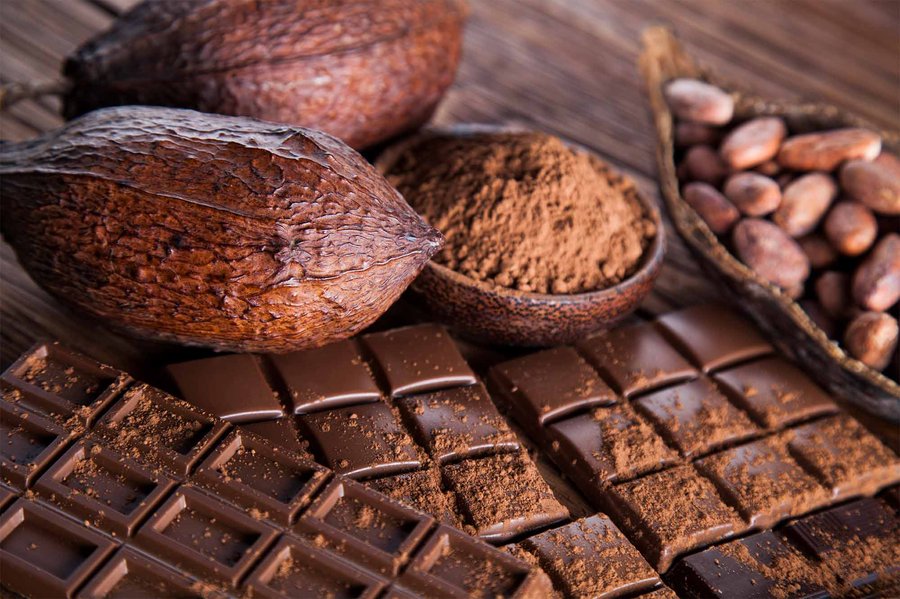
Exploring best natural sugar alternatives in chocolate confectionery involves a delicate balance between flavor and health. Consumers are increasingly looking for options that do not compromise on taste while providing health benefits. Many sugar alternatives possess unique flavor profiles, which can complement the rich taste of chocolate or create a distinct experience altogether.
- Comparing Sweetness and Aftertaste
Sweetness Levels and Aftertaste Comparison
| Erythritol | About 70% as sweet as sugar, with a mild cooling aftertaste. |
| Stevia | Up to 300 times sweeter than sugar, may leave a lingering herbal aftertaste. |
| Coconut Sugar | Similar sweetness to sugar, with a slight caramel flavor and no aftertaste. |
- How Sugar Alternatives Affect Chocolate Texture
Texture can significantly influence the overall enjoyment of chocolate treats. Natural sugar alternatives can impact the creaminess or mouthfeel of chocolate in various ways. Traditional sugars help achieve a smooth texture, while some sugar substitutes can create a grainier consistency or alter the melting point, affecting the chocolate’s final quality.
For example, erythritol, while a popular choice for its low-calorie count, can lead to a drier chocolate texture due to its lower hygroscopic nature than sugar. Conversely, coconut sugar retains moisture better, promoting a smoother mouthfeel. This differentiation highlights the necessity for manufacturers to experiment with combinations of sweeteners to maintain desired textures in chocolate confectionery, preserving that indulgent experience for consumers while keeping health considerations in mind.
Crafting Chocolate: The Manufacturing Process
The journey from cocoa bean to delightful chocolate confection involves several meticulously crafted steps. Initially, beans undergo fermentation, which develops their unique flavor profiles. Next, thorough drying and roasting enhance their aromatic qualities. Following this, a process called winnowing separates the bean shells from the nibs, yielding the pure cocoa content. This is then ground into a liquid known as chocolate liquor, which can be further processed into cocoa powder or combined with various ingredients, including natural sweeteners, to create an array of chocolate products.
- Sourcing and Combining Natural Sweeteners
Procuring natural sweeteners like coconut sugar, stevia, or monk fruit is integral to the modern chocolate-making process. Manufacturers typically seek high-quality, sustainably sourced sweeteners to ensure their products align with health and environmental standards. The blending of these alternatives not only retains the essence of traditional sweetness but also imparts unique flavors, enriching the consumer’s experience. For example, the combination of stevia and erythritol can produce a balanced sweetness without calorie overload.
- Innovations in Confectionery Techniques
Innovations in confectionery techniques are transforming how chocolate is crafted and enjoyed. New methods such as cold-pressing and bean-to-bar production allow for the preservation of the beans’ natural oils and flavors, resulting in richer and more authentic tasting chocolate. Furthermore, advancements in technology enable precise temperature control during chocolate tempering, enhancing the final product’s texture and shine. Techniques like infusion and crystallization are also being explored to incorporate unique flavor profiles from herbs and spices, appealing to the evolving palate of health-conscious consumers.
As manufacturers continue to embrace innovation, techniques in flavor infusion have gained traction, allowing for an array of unexpected chocolate profiles. For instance, infusing dark chocolate with matcha or lavender provides not only visual intrigue but also potential wellness benefits. Incorporating superfoods, such as chia seeds or goji berries, into chocolate bars enhances their nutritional value, appealing to health-focused consumers.
Consumer Trends: Shifting Preferences in Chocolates
Recent years have seen a significant transformation in consumer preferences regarding chocolate products. As a growing number of individuals prioritize health and wellness, they increasingly lean towards chocolates that offer natural ingredients, reduced sugar content, and enhanced nutritional profiles. This trend not only reflects the changing priorities of consumers but also drives manufacturers to innovate and create confectionery options that align with these new values.
- The Rise of Health-Conscious Shoppers
People who actually care about what they put in their bodies have totally flipped the chocolate game on its head. Now it’s all about finding treats that taste amazing but won’t leave you feeling guilty after. Folks are way more clued-in about what sugar does to them, so they’re hunting for chocolate sweetened with, like, honey or stevia instead of the usual junk. And let’s be real—nobody’s falling for brands that slap “healthy” on the label unless they’ve got the goods: extra protein, some weird superfood, or at least a higher cacao percentage.
- Labeling and Transparency in the Market
Transparency in labeling has become a significant concern among chocolate consumers. Shoppers are increasingly inclined to scrutinize ingredient lists, favoring products that are free of artificial additives and preservatives. They desire clear, honest information on sourcing and manufacturing processes, which has compelled brands to adopt more transparent practices. This preference extends beyond mere ingredient declaration; consumers are also seeking certifications like organic or fair trade to ensure ethical sourcing.
Labeling and transparency serve as critical factors influencing purchasing decisions in the chocolate market. Research shows that 73% of consumers are willing to pay more for products that are transparently labeled. Companies responding to this trend have begun emphasizing detailed ingredient information, sourcing origins, and health benefits directly on packaging. Moreover, they are increasingly using straightforward, unambiguous language to connect with consumers, fostering trust and awareness in their brand narrative.
Conclusion
So digging into the whole “natural sugar alternatives” thing in chocolate, it’s honestly kind of wild how many options are out there now. Stevia, coconut sugar, monk fruit—these aren’t just weird health food aisle stuff anymore; they actually work. You still get that sweet hit without sending your blood sugar on a rollercoaster.
People are really geeking out over how each sweetener brings its own vibe. Monk fruit’s got this mellow sweetness, stevia can be a little sharp if you use too much, and coconut sugar? It’s got this sort of caramel thing going on. It’s not just about swapping out sugar, there’s a whole flavor journey happening, and honestly, it’s kind of fun to mess around with it.
In conclusion, getting smart about your sweetener game in chocolate doesn’t mean you have to sacrifice flavor. If anything, it opens up a bunch of new possibilities—and yeah, you can totally eat your chocolate and feel a little less guilty about it.