Table of Contents
Hazelnut paste has emerged as a transformative ingredient in the world of confectionery and chocolate products. Explore its rich flavor and creamy texture, elevating both classic and modern recipes. With its versatility, hazelnut paste allows chefs and home bakers to experiment and innovate, leading to delightful flavor combinations and unique textures. This blog post will explore the ways in which hazelnut paste is reshaping culinary practices and influencing the confectionery industry.
The Rise of Hazelnut Paste in Confectionery

Your palate is in for a treat as hazelnut paste has surged in popularity among confectioners, revolutionizing a variety of recipes. This delectable ingredient is now a staple in many chocolate products, offering rich flavors and a creamy texture that elevate traditional sweets. As consumers gravitate towards indulgent, artisanal treats, hazelnut paste continues to take center stage in the world of confectionery.
- Historical Context
Below, the evolution of hazelnut paste can be traced back to its use in European kitchens, where it was often paired with chocolate. Originating in Italy, hazelnut crema gained fame in the early 20th century, leading to widespread adoption across Europe. As confectionery artisans embraced its unique flavor, hazelnut paste became an integral component in many classic recipes, steadily solidifying its place in the industry.
- Current Trends and Popularity
Across the globe, the demand for hazelnut paste has catapulted it into the spotlight, as consumers seek out innovative flavors and textures in their sweets. Confectioners are increasingly incorporating hazelnut paste into a wide array of products, from artisanal chocolates to baked goods. Its versatility and appeal have made it a favorite, driving brands to experiment with unique flavor combinations and textures, offering an exciting culinary experience that resonates with both traditional and modern palates.
Context shows that hazelnut paste’s popularity reflects broader trends in the confectionery market where authenticity and quality are paramount. Consumers are increasingly interested in artisanal products made with natural ingredients, which aligns perfectly with the essence of hazelnut paste. As industry leaders and artisans alike explore creative applications for this ingredient, they are not only enhancing taste profiles but also appealing to health-conscious consumers looking for flavors that deliver indulgence without guilt.
Nutritional Benefits of Hazelnut Paste
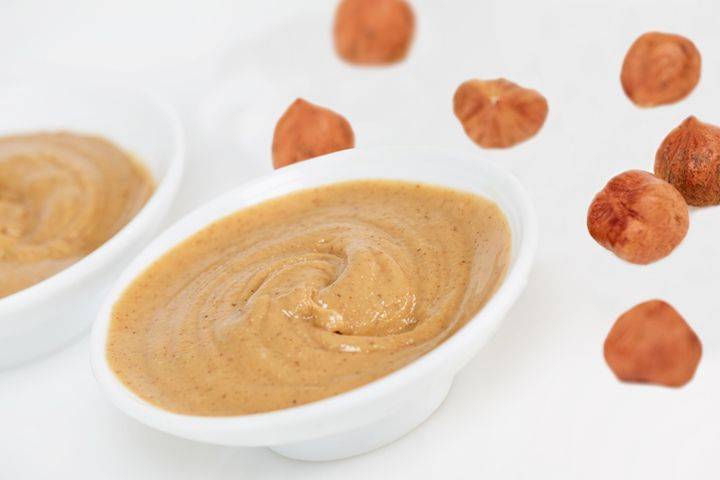
Any confectionery enthusiast should be aware that hazelnut paste not only enhances flavor but also offers various nutritional benefits. It is rich in vitamins and minerals, promoting overall health. Calories from hazelnut paste come primarily from healthy fats and plant-based proteins, making it a nutritious addition to sweets and chocolates.
- Key Nutrients and Health Benefits
Above all, hazelnut paste contains crucial nutrients that contribute to well-being. It is a good source of vitamin E, magnesium, and heart-healthy fats, which can help improve cardiovascular health. Additionally, its fiber content supports digestive health, making it a valuable ingredient for those looking for nutritious options in their diet.
- Comparisons with Other Nut Pastes
Any comparison of hazelnut paste with other nut pastes highlights its unique nutritional profile. The following table outlines key differences in nutrient composition.
Comparison of Nut Pastes
| Nutrient | Hazelnut Paste |
| Calories | 600 kcal |
| Protein | 14 g |
| Fat | 60 g |
| Sugars | 5 g |
| Fiber | 8 g |
- Comparisons with Other Nut Pastes
Hence, when evaluating hazelnut paste against almond or peanut butter, you may find that hazelnut paste provides a greater amount of healthy fats while being lower in sugars. Both almond and peanut pastes contain beneficial nutrients; however, hazelnut paste stands out with its unique flavor and rich content of antioxidants. The following table compares these nut pastes on various aspects.
Comparison of Hazelnut, Almond, and Peanut Pastes
| Type of Paste | Key Nutrients |
| Hazelnut Paste | High in Vitamin E, Magnesium |
| Almond Paste | High in Calcium, Vitamin E |
| Peanut Paste | High in Protein, Niacin |
Techniques for Incorporating Hazelnut Paste into Recipes
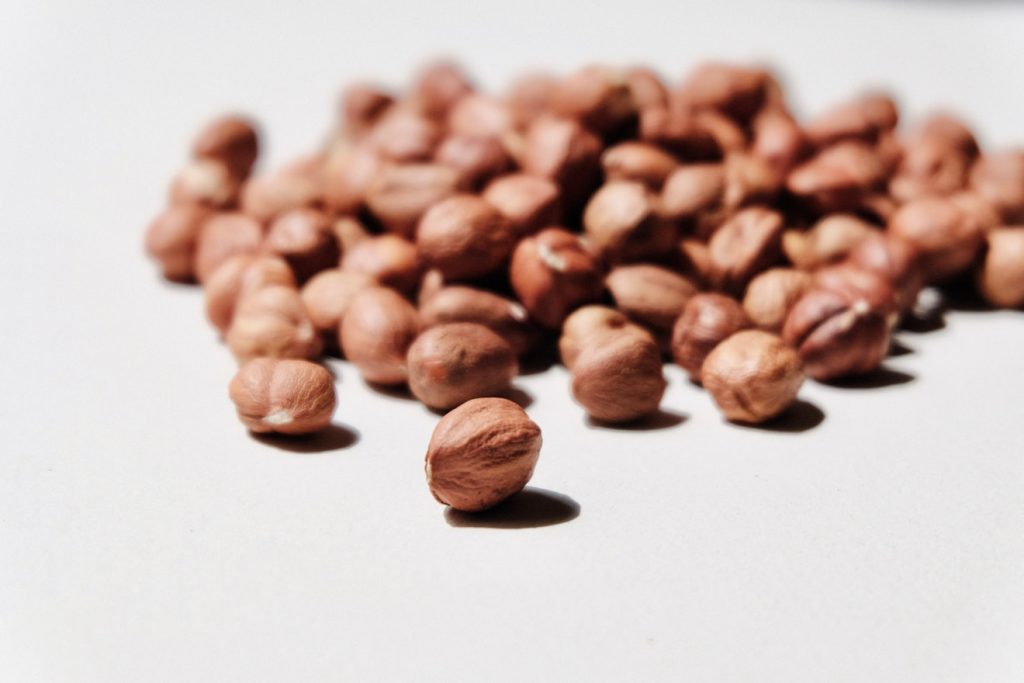
Some chefs and bakers are discovering innovative ways to integrate hazelnut paste into their recipes, enhancing both flavor and texture. By adding a smooth, rich base to baked goods, they create decadent desserts that surprise the palate. From swirls in brownies to fillings in pastries, hazelnut paste allows for versatile applications that elevate traditional recipes into gourmet creations.
- Baking Applications
By incorporating hazelnut paste into baking, culinary professionals achieve a delightful depth of flavor that pairs wonderfully with chocolate and fruit. It serves as a base for mousses, tarts, and scones, while also acting as a bonding agent in cookies and cakes. Its smooth consistency ensures an even distribution throughout the batter, bringing a luxurious nutty richness to every bite.
- Confectionery Innovations
One of the most exciting trends in the confectionery sector is the incorporation of hazelnut paste into both classic and modern treats. This ingredient plays a pivotal role in creating unique flavor profiles that attract adventurous consumers looking for novel taste experiences.
Further exploration into confectionery innovations reveals that hazelnut paste can be used to craft new dessert bars, pralines, and spreads that resonate with chocolate lovers. It enhances the texture and flavor of ganaches, fostering a pleasurable mouthfeel while also improving shelf life. As confectioners experiment with temperature and pairing techniques, hazelnut paste emerges as a standout ingredient, revolutionizing how sweets are formulated.
Pairing Hazelnut Paste with Chocolate
For chocolate enthusiasts and confectioners alike, the marriage of hazelnut paste and chocolate offers a delightful experience. This exquisite combination elevates both flavors, creating rich and creamy confections that tantalize the palate. By incorporating hazelnut paste, he, she, or they can achieve a luxurious mouthfeel while enhancing the overall sweetness and nutty undertones of chocolate products.
- Flavor Profiles and Combinations
Between the rich, earthy flavor of hazelnut paste and the diverse taste spectrum of chocolate, they create a symphony of savory and sweet notes. Dark chocolate contributes a bittersweet essence, while milk chocolate adds creaminess, allowing confectioners to choose the perfect balance based on their desired outcome. Together, these components not only complement one another but also enhance the overall tasting experience.
- Enhancing Chocolate Products
Across various chocolate products, hazelnut paste plays a significant role in transforming textures and flavors. By adding this nutty paste to pralines, ganaches, or even truffles, they can deepen the richness and complexity, appealing to a wide audience. Hazelnut paste also serves as an excellent filling for chocolate bars, providing an irresistible contrast to the smoothness of chocolate.
The combination of hazelnut paste and chocolate not only enhances flavor but also adds depth to the texture of various chocolate confections. Additionally, utilizing hazelnut paste in recipes allows for an increased creaminess that many chocolate lovers find irresistible. They can also explore the versatility of this blend in creating innovative desserts, ranging from chocolate-hazelnut mousses to decadent cakes, ensuring that every bite is met with satisfaction.
Consumer Preferences and Market Trends
Despite the rapid evolution of the confectionery landscape, consumers are increasingly gravitating towards products that offer unique flavors and healthier alternatives. This shift in preferences has prompted manufacturers to innovate, with hazelnut paste emerging as a top contender. The versatile ingredient aligns with the growing demand for all-natural and indulgent options, catering to consumers seeking both quality and flavor in their chocolate and confectionery indulgences.
- Demand in the Gourmet Sector
An increase in the appreciation for gourmet products has propelled hazelnut paste into the spotlight. Chefs and home cooks alike are utilizing this ingredient to elevate their desserts, creating a noticeable uptick in demand. As cooking shows and social media platforms inspire culinary exploration, hazelnut paste has become synonymous with luxurious taste experiences.
- Hazelnut Paste in Artisan Chocolates
Consumer interest in artisan chocolates has led to a remarkable incorporation of hazelnut paste into many handcrafted confections. They are discovering that the rich, nutty flavor complements various chocolate profiles, creating a delightful balance that excites the palate.
Also, the trend of personalization among chocolate artisans allows them to experiment with hazelnut paste infused in innovative ways. Many artisans are blending it with exotic spices or pairing it with seasonal ingredients, enhancing the depth and complexity of flavors. This creative use not only showcases the versatility of hazelnut paste but also attracts consumers seeking exclusive and memorable taste experiences, reinforcing its role as a transformative ingredient in the gourmet chocolate sector.
Challenges and Considerations
To successfully incorporate hazelnut paste into confectionery recipes and chocolate products, one must navigate various challenges and considerations. These can include maintaining product consistency, balancing flavors, and ensuring proper storage to preserve freshness. Additionally, she or he must be mindful of consumer preferences and the competition, which can influence the overall success of these innovative creations.
- Sourcing Quality Ingredients
By prioritizing the selection of high-quality hazelnuts, producers can significantly impact the flavor and texture of their products. They often seek suppliers who adhere to stringent quality standards, ensuring that the hazelnut paste made from these nuts enhances the overall confectionery experience. Sourcing practices may include assessing the origin of the nuts and their processing methods, as these factors often affect the final taste profile.
- Addressing Allergies and Dietary Restrictions
Among the challenges faced in utilizing hazelnut paste is the need to accommodate consumers with allergies and specific dietary restrictions. Hazelnuts are a common allergen, and the presence of such ingredients can limit marketability. Therefore, manufacturers need to explore alternative recipes or label products accurately to protect consumers while still appealing to health-conscious individuals.
Also, you should consider offering hazelnut-free options or ensuring that all products are clearly labeled to indicate potential allergens. This approach not only fosters consumer trust but also expands accessibility, enabling those with dietary restrictions to enjoy the taste of chocolate and confectionery creations. Such considerations round out a well-informed strategy that meets the evolving demands of today’s market.
Conclusion
Hence, hazelnut paste has emerged as a transformative ingredient in confectionery recipes and chocolate products, redefining flavors and enhancing textures. They appreciate its ability to meld seamlessly with various ingredients, offering a rich, nutty profile that elevates desserts. As chefs and chocolatiers increasingly incorporate hazelnut paste into their creations, they are paving the way for innovative culinary experiences that delight the palate and captivate consumers.