Table of Contents
Over the years, many have become increasingly aware of the hidden allergens in cocoa powder, posing risks during chocolate production. They understand that cross-contamination can occur at various stages, leading to potential health issues for individuals with food allergies. Investigate the supply chain and production processes to ensure that precautionary measures are in place. This blog post aims give you more information of the various hidden allergens found in cocoa powder and provide practical strategies for avoiding cross-contamination in chocolate manufacturing.
Understanding Allergens in Cocoa Powder

To comprehend the complexities of allergens in cocoa powder, one must consider that while cocoa itself is often regarded as a safe ingredient, it can inadvertently harbor allergens due to various factors during its production and processing. These hidden allergens can pose significant risks to individuals with sensitivities or allergies, demanding awareness and diligence from manufacturers and consumers alike.
- Common Allergens Associated with Cocoa
Against the backdrop of cocoa powder, various allergens can surface, including milk, nuts, and soy. These ingredients might be present in chocolate products either as additives or due to cross-contamination during manufacturing. Such allergens can be hidden threats, complicating the safety of what is often perceived as a straightforward ingredient.
- The Impact of Allergens on Consumers
Between the challenges posed by allergens, consumers must navigate their dietary restrictions while seeking enjoyment from cocoa-based products. Allergic reactions can range from mild to severe, making awareness about potential allergens and their sources paramount.
For instance, individuals with dairy allergies may unknowingly consume chocolate products that contain milk derivatives, as these are frequently utilized in many recipes. Furthermore, cross-contamination during production can lead to exposure to allergens like peanuts or tree nuts, exacerbating health risks for sensitive individuals. Understanding these factors allows consumers to make informed choices and encourages manufacturers to implement stringent safety measures, ensuring a more inclusive chocolate experience.
Sources of Cross-Contamination in Chocolate Production

If manufacturers do not take proper precautions, the risk of cross-contamination in chocolate production can increase significantly. Various sources of allergens can unintentionally mix with cocoa powder during different stages of production. Understanding these potential risks is necessary for producing safe, allergen-free chocolate products.
- Processing Equipment and Shared Facilities
Any equipment used in chocolate production can harbor residual allergens if not thoroughly cleaned between batches. Shared facilities, where multiple products are made, heighten the risk of cross-contamination, as traces of one product can easily be transferred to another. It is important for manufacturers to implement rigorous cleaning protocols to mitigate these risks.
- Supply Chain Vulnerabilities
Above all, the supply chain presents numerous vulnerabilities that can lead to allergen cross-contamination. Raw materials sourced from different suppliers may be processed in facilities that also handle allergens, raising the risk of unintentional mixing. Careful selection of suppliers and diligent monitoring of their practices are vital for ensuring the integrity of the final product.
Understanding the complexities of the supply chain is necessary for manufacturers aiming to minimize allergen risks. Each link in the chain, from cocoa bean sourcing to processing and packaging, must be thoroughly vetted for allergen handling standards. He or she must ensure that suppliers provide transparent information about their facilities and processes. By doing so, they can create accountability within the supply chain and minimize the likelihood of cross-contamination affecting their chocolate products.
Best Practices for Managing Cross-Contamination
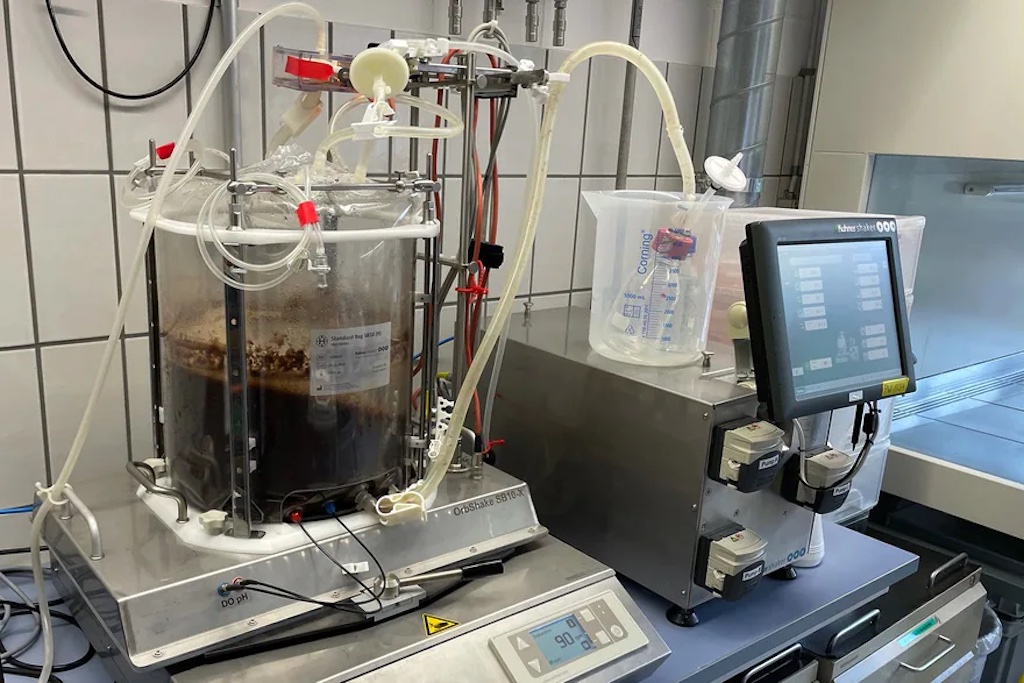
Assuming manufacturers prioritize food safety, they must implement strong procedures to mitigate the risk of cross-contamination in chocolate production. These practices not only protect consumers with allergies but also enhance the overall quality and integrity of the chocolate products. By fostering an environment of vigilance and adherence to best practices, producers can maintain high standards in their operations.
- Strict Cleaning Protocols
Managing a safe production environment requires thorough cleaning protocols to eliminate allergens from surfaces and equipment. Industry professionals should establish routine cleaning schedules, utilizing appropriate sanitizers and techniques to ensure that cocoa powder and other ingredients do not cross-contaminate. Training staff on these protocols significantly enhances compliance and safeguards product integrity.
- Ingredient Sourcing and Testing
An effective strategy for minimizing cross-contamination involves the meticulous sourcing and testing of ingredients. Producers should seek suppliers who are transparent about their processes and allergen management systems. Regular testing for hidden allergens within supplied ingredients plays a vital role in ensuring safety throughout the production cycle.
Ingredient sourcing is fundamental to maintaining allergen-free production. By collaborating with reputable suppliers, manufacturers can ensure that they receive raw materials that adhere to strict allergen management guidelines. Conducting comprehensive tests on every batch not only confirms the absence of harmful allergens but also strengthens the overall trust between producers and consumers. This proactive approach not only promotes product safety but also aligns with regulatory standards and customer expectations.
Labeling and Consumer Awareness
Despite the growing demand for gourmet chocolate, many consumers remain unaware of hidden allergens found in cocoa powder. Elevating transparency in labeling is crucial for ensuring that individuals with allergies can make informed choices when purchasing chocolate products. Businesses need to prioritize consumer safety by clearly outlining the ingredients and potential allergens present in their offerings.
- Importance of Transparent Labeling
Labeling serves as the primary line of defense for consumers with food allergies. It allows them to identify potential risks quickly. Without clear labeling practices, individuals may unknowingly expose themselves to allergens. It is vital for manufacturers to adhere to stringent labeling requirements to foster trust and safety among consumers.
- Educating Consumers on Allergens
Educating consumers about allergens is a key component of promoting safe chocolate consumption. Businesses should strive to provide informative resources that highlight common allergens found in cocoa and chocolate products. By doing so, they empower consumers to better manage their dietary restrictions and make informed decisions at the point of purchase.
Another effective approach to educating consumers about allergens is to offer workshops and informational sessions. These initiatives can help demystify allergen labeling and the significance of cross-contamination. Additionally, increase the awareness can lead to more informed discussions among consumers, ultimately fostering a community that is aware of the implications of food allergies in chocolate production.
Regulatory Standards and Guidelines
Not all chocolate manufacturers are aware of the importance of adhering to regulatory standards and guidelines when it comes to cross-contamination in their production processes. Compliance with these regulations is vital for ensuring the safety of consumers, especially for those with food allergies. They serve as a framework for manufacturers to mitigate risks associated with hidden allergens in cocoa powder, ultimately fostering trust in the industry.
- Industry Regulations
Among the various industry regulations, organizations such as the FDA and the EU Food Safety Authority set specific guidelines to address allergen management in food production. These regulations detail the proper labeling of ingredients and necessitate the implementation of controlled environments to minimize cross-contamination risks. By adhering to these standards, manufacturers can better protect their consumers and enhance product safety.
- Impact of Regulations on Production
About the implications of these regulations, manufacturers often face increased operational costs and the need for rigorous testing protocols. However, such measures can lead to higher-quality products and improved consumer confidence in their brands. Failure to comply can result in severe penalties and damage to a company’s reputation, highlighting the importance of meticulous adherence to regulatory standards.
Due to the persistent nature of allergens in food production, regulations compel manufacturers to adopt stringent measures that extend beyond basic compliance. This involves regular audits, training for staff, and maintaining transparency in ingredient sourcing. These practices not only help prevent cross-contamination but also cultivate a more robust safety culture within the industry, ensuring that all products are safe for consumers, particularly those with allergies.
Case Studies of Cross-Contamination Incidents
Keep awareness of past cross-contamination incidents to ensure better practices. Some notable examples include:
- 2006: A popular chocolate brand reported a recall affecting over 2,000 units due to traces of peanuts in cocoa powder.
- 2012: An allergen report revealed that cocoa powder production facilities had cross-contact with milk proteins, affecting several batches of chocolate bars.
- 2018: A bakery faced severe backlash when customers reported allergic reactions from chocolates contaminated with gluten.
- 2020: A leading chocolate manufacturer recalled products after discovering undeclared soy lecithin in their dark chocolate mix.
- Notable Industry Examples
At a time when allergen awareness was rising, a major chocolate producer faced scrutiny when a third-party audit highlighted potential cross-contamination risks in their facilities. Their commitment to transparency led them to adopt stricter measures for allergen management.
- Lessons Learned for Future Prevention
Behind the data, collaboration among industry stakeholders is vital. This includes sharing best practices and establishing comprehensive allergen control programs to minimize risks.
Understanding the past incidents and their impact leads to improved safety measures in chocolate production. Stakeholders must invest in training, equipment upgrades, and thorough cleaning protocols. Furthermore, sharing insights across the industry can help create a standardized approach, improving overall consumer confidence against allergens. Enhanced communication with suppliers and the implementation of effective traceability systems are also pivotal in mitigating potential cross-contamination in the future.
Conclusion
With this in mind, it is vital for those involved in chocolate production to be vigilant about potential allergens in cocoa powder. You must implement stringent practices to avoid cross-contamination, ensuring that their products remain safe for consumers with sensitivities. They should prioritize sourcing high-quality cocoa from reputable suppliers, conduct regular allergen testing, and maintain rigorous cleaning protocols in production facilities. By taking these steps, they can foster a safer environment for all chocolate lovers, while also enhancing the overall quality of their products.