
Table of Contents
The global chocolate market is expected to grow at a compound annual growth rate of 4.8% from 2025 to 2033 to reach USD 184.69 billion by 2033. If you’re in the chocolate biz, you already get it—nailing that cocoa mass is the whole deal. That’s day one stuff. But have you checked out the latest cocoa grinding technology? I mean, these things are wild.
These machines are like, “Hey, how do you want your cocoa? Creamy as velvet? Or with some attitude?” Just drop one of these bad boys into your routine and bam, your chocolate’s suddenly got this crazy depth. Smoother, richer—honestly, borderline witchcraft. So strap in, because we’re about to see how this new grinding tech might just flip your whole chocolate-making game on its head.
The Transformation of Cocoa Beans: From Pod to Liquid
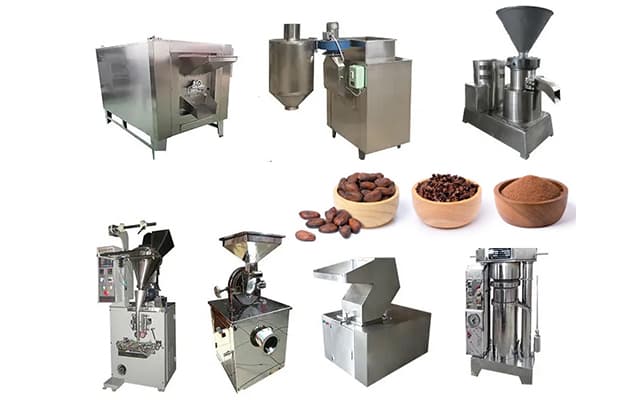
Turning cocoa beans into that dreamy liquid cocoa stuff? Oh, it’s a whole adventure. First, you’ve got the harvest – sweaty work, probably full of bugs. Then there’s this parade of steps nobody really talks about unless they’re obsessed with chocolate: fermenting, drying, roasting. Each one messes with the flavor in its own way, making sure things don’t end up bland or weirdly bitter. By the time you get to the grinding part, those beans have been through it. All this? Just to make sure your chocolate bar actually tastes like, well, chocolate, not cardboard. Every single phase matters, trust me – skip one and you’ll regret it big time.
- The Journey of Cocoa Beans
Everything starts with these funky little trees called Theobroma cacao—fancy name, but they’re just cocoa trees hanging out in hot, equatorial places. Farmers? They’re basically plant babysitters for, like, three to five years, fussing over these trees with just the right amount of shade, making sure the soil’s got its act together and bugs don’t crash the party.
When the trees finally hit puberty, they go wild—thousands of tiny flowers just popping out all over the trunks and branches. It’s called cauliflory, which sounds like a Harry Potter spell, but nope, it’s just how these trees do their thing. Here’s the kicker: most of those flowers are just for show. Only a handful actually grow up into pods.
These pods? They’re stubborn little things, taking their sweet time—like half a year—to ripen. Inside, you’ve got cocoa beans chilling in this gooey, sweet white pulp. During all this, farmers are basically on weather watch, poking at the soil, checking if the pods are healthy or throwing tantrums. All that so when harvest time rolls around, you get the good stuff.
- The Role of Fermentation and Drying
Fermentation and drying are key processes that develop the unique flavor profile of cocoa beans. After extraction, beans are placed in shallow containers and left to ferment for several days. This fermentation stage transforms the bitter flavor of raw beans into rich, complex notes. Following fermentation, beans undergo drying to reduce moisture content, which is necessary for preventing spoilage during storage and transport.
During the fermentation phase, the natural sugars in the surrounding pulp are converted into acids, leading to a significant shift in flavor. For example, well-fermented beans can yield fruity and wine-like nuances, while poorly fermented beans may result in off-flavors. Typically, the beans ferment for 5 to 7 days, depending on the climate and desired chocolate profile. Once fermentation is complete, drying in the sun or through mechanical means lowers the moisture content to around 7%, optimizing the beans for storage and subsequent processing.
Innovations in Cocoa Grinding Technology: Beyond Traditional Methods
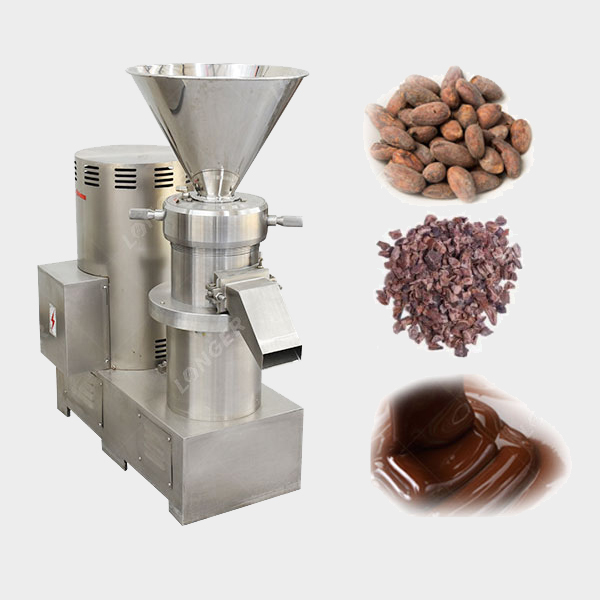
Cocoa grinding isn’t just some old-school. It’s gone kinda high-tech, and honestly, it’s wild how far it’s come. You’ve still got the classics—stone grinding, wet milling, all that jazz—but now there’s gear out there that would make Willy Wonka jealous. This stuff nails the texture and keeps things super consistent, which is half the battle if you care about chocolate that actually tastes fine.
Temperature control? That’s not just a technology trend anymore. They’ve got it down to a science, so you’re not burning the beans or losing all those good flavors. And managing the size of the cocoa particles? Yeah, turns out that’s a big deal for how silky and rich the final product gets. Basically, you end up with cocoa mass that’s got killer flavor and aroma, and you don’t lose the soul of the cocoa bean in the process.
- The Evolution of Grinding Equipment
Grinding equipment has undergone significant evolution, transitioning from basic stone mills to sophisticated machinery. Today’s grinders utilize a combination of mechanical and thermal processes to achieve optimal results. For instance, developments in conching technology allow for more efficient and precise grinding of cocoa nibs, ensuring that you can fine-tune the texture and flavor profile of your cocoa mass with impressive accuracy.
- Energy Efficiency and Sustainability in Cocoa Processing
People in the cocoa biz are finally waking up to the whole energy efficiency thing—about time, right? Nowadays, the fancy grinding machines come packed with these slick energy-saving tricks, so they don’t guzzle electricity like they used to. You still get loads of cocoa out of them, but you’re not getting a terrifying power bill at the end of the month. Plus, it’s not just about saving cash. Less energy chomped means the whole process isn’t trashing the environment quite as much. And, let’s be real, folks buying chocolate these days actually care if it’s made in a way that doesn’t wreck the planet. So, yeah, greener cocoa isn’t just a trend—it’s becoming the new normal.
Transitioning towards sustainable cocoa processing includes strategies that significantly reduce energy usage and waste generation. For instance, using more efficient motors in grinding equipment can cut energy consumption by 30%, while implementing heat recovery systems can further enhance sustainability efforts. By investing in such technologies, your cocoa processing operation can benefit from reduced costs and demonstrate environmental responsibility, addressing both industry standards and consumer expectations.
The Science of Achieving Optimal Cocoa Mass Consistency
Achieving the ideal cocoa mass consistency is a meticulous process influenced by several scientific factors. The balance of temperature, particle size, and moisture content plays a vital role in creating a smooth and homogenous cocoa mass. A thorough understanding of these aspects allows chocolatiers and manufacturers to produce high-quality cocoa products that meet consumer expectations.
- Particle Size Reduction Techniques
You can refine cocoa mass consistency by employing various particle size reduction techniques. Methods like conching, which involves continuous mixing and aerating, or the use of specialized grinders can help achieve a desired fineness. Techniques such as stone milling or high-shear blending also contribute to creating a smoother texture while ensuring optimal flavor extraction.
- The Impact of Temperature Control on Quality
Temperature plays an vital role in cocoa processing, influencing both flavor development and texture. Maintaining specific temperature ranges during grinding is crucial; excessive heat can lead to unwanted flavor changes or even the degradation of fat content in cocoa. By carefully regulating the temperature, you can preserve the quality and integrity of the cocoa mass, ensuring a rich and robust flavor profile.
Temperature Control vs. Cocoa Quality Factors
| Effect of Low Temperature | Presents a richer flavor and preserves volatile compounds. |
| Effect of High Temperature | Causes flavor degradation and may produce a burnt taste. |
| Recommended Temperature Range | 50-70°C for optimal grinding and flavor retention. |
Managing temperature throughout the cocoa grinding process is vital for maintaining quality. For example, studies have shown that processing cocoa at cooler temperatures not only preserves vital flavor compounds but also enhances the overall aroma profile. In contrast, temperatures that exceed 70°C can lead to the volatilization of these delicate compounds, adversely affecting the cocoa’s sensory properties and resulting in a product that lacks depth and complexity.
Effects of Temperature on Cocoa Mass
| Temperature Management | Ensures consistency in texture and flavor retention. |
| Flavor Complexity | Maintains a balance of acidity and sweetness in chocolate. |
| Production Efficiency | Enhanced temperature stability leads to smoother operations. |
Integrating Technology: Digital Tools and Quality Control
Utilizing digital tools enhances the efficiency and consistency of cocoa grinding processes, ensuring that your cocoa mass consistently meets quality standards. With integrated systems, you can automate various stages of grinding and monitor the quality in real-time. This integration not only reduces human error but also streamlines production, allowing you to focus on other critical aspects of your operations.
- Sensors and Automation in Grinding Processes
Throwing some fancy sensors into your cocoa grinders? Total game-changer. You can actually keep tabs on stuff like temperature and how fine your cocoa bits are getting, pretty much in real time. No more guessing or hoping for the best—you just tweak things as you go. Suddenly, your cocoa mass isn’t all over the place; it’s way more reliable. Plus, with the machines basically running the show, you don’t have those annoying ups and downs that can mess with the final product. Quality stays tight, and you look like a genius.
- Data Analytics for Enhancing Cocoa Mass Quality
Data analytics plays a vital role in assessing and improving the quality of cocoa mass. By collecting data from your grinding processes, you can identify trends and deviations that may affect the final product. This analytical approach allows for informed decision-making aimed at optimizing both taste and texture.
With continuous monitoring and collection of grinding data, you have the opportunity to utilize statistical models that predict outcomes based on specific adjustments in grinding parameters. For instance, analyzing particle size distribution in conjunction with sensory evaluation data can reveal insights about how certain adjustments impact the flavor profile of the cocoa mass. Implementing machine learning algorithms can further refine these predictions, allowing you to proactively enhance your processes and ultimately create a superior cocoa product that meets evolving consumer preferences.
Industry Perspectives: Voices from Cocoa Producers
Shifting perspectives from those who nurture cocoa to those who craft chocolate reveals a rich tapestry of insights that shape the industry’s future. Cocoa producers emphasize the significance of adopting advanced technology to enhance both yield and quality. Meanwhile, chocolate makers focus on the flavors and textures that differentiate their products in a competitive market, ensuring that they remain attuned to consumer preferences and emerging trends.
- Insights from Cocoa Producers on Technological Adoption
Cocoa producers increasingly recognize the value of innovative technology, moving towards automated grading systems and precision fermentation techniques. These advancements have been shown to boost crop quality and minimize labor costs. An example of this is the utilization of drones for crop monitoring, allowing farmers to identify areas needing attention, ultimately increasing both efficiency and profit margins.
- Chocolate Makers’ Preferences and Feedback Loops
For chocolate makers, the grindability of cocoa mass is crucial, with many adapting to tools that provide real-time feedback on particle size and viscosity. Their preferences often drive manufacturers to innovate with equipment that can meet specific flavor and texture profiles. Many turn to customer insights to refine their products, ensuring that what flows from their molds meets the palate’s demands.
Chocolate makers have established a dynamic feedback loop that influences production choices. Engaging directly with consumers through taste tests and online surveys allows them to gather specific preferences regarding flavor intensity and mouthfeel. This collaborative approach results in incremental adjustments, such as fine-tuning grinding times or temperatures, leading to a cocoa mass that resonates with their brand ethos and captivates a discerning audience. Their active participation in technological evolution ultimately shapes not just their products but the broader chocolate landscape, enhancing the art of chocolate making as a whole.
Summing up
Alright, let’s cut to the chase: better cocoa grinding tech? It’s a total game changer. You get smoother cocoa mass, less hassle, more consistency—basically, your chocolate gets a serious upgrade. New machines and fancy tricks don’t just make life easier, they help you crank out awesome products and keep up with what people actually want (because, yeah, tastes change fast). Honestly, if you’re not keeping an eye on this stuff, you’re gonna get left in the dust. The cocoa biz doesn’t wait around for anybody.