Table of Contents
Here’s the lowdown on the chocolate compound market from a business lens. The sector’s valuation? A solid $36.6 billion in 2024, with forecasts pointing to $38.57 billion in 2025 and a serious leap to $59.29 billion by 2032. Clearly, demand isn’t letting up anytime soon.
Now, let’s talk innovation. Researchers are tapping into yeast fermentation to engineer cocoa compounds that mimic the taste and mouthfeel of traditional chocolate. This isn’t just science for the sake of it—it’s a direct response to consumers pushing for more sustainable and plant-based options, plus an answer to the not-so-small ethical and environmental headaches tied to classic cocoa farming.
As the industry moves forward, yeast-derived cocoa compounds could become a major player, giving manufacturers fresh ways to meet shifting market demands and stay ahead of the curve. In this article, we’ll dig into the tech advancements that might just be the secret sauce for keeping a competitive edge in an ever-evolving market.
The Science Behind Yeast-Derived Cocoa Compounds
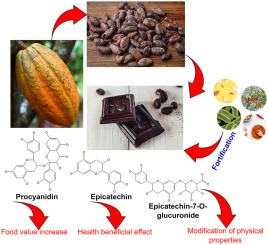
A remarkable transformation in chocolate production is occurring, rooted in advanced yeast fermentation techniques. Researchers are harnessing metabolic pathways in yeast to synthesize compounds analogous to those found in traditional cocoa beans. This process not only minimizes the reliance on agricultural practices tied to cacao cultivation but also opens up potential for sustainable sourcing while maintaining the rich taste and aroma you expect from chocolate.
- Exploring the Fermentation Process
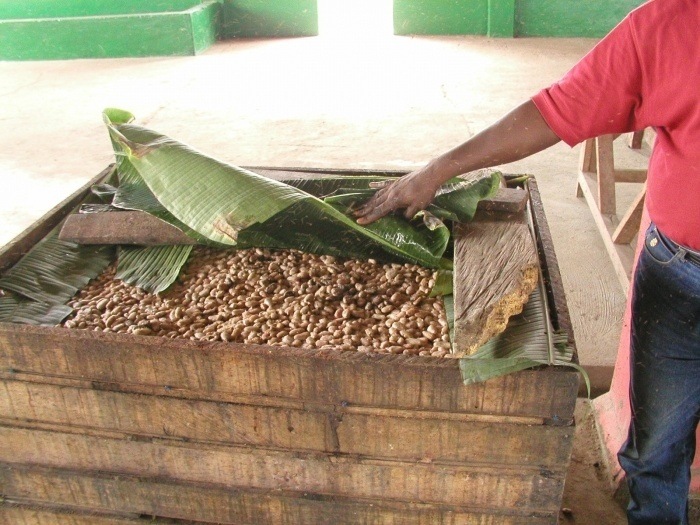
Fermentation is essentially the powerhouse behind developing those signature yeast-driven cocoa flavors. When fermentation time happen, cocoa beans are introduced to a curated mix of yeast strains—chosen. Next, these strains go to work on the sugars, generating a range of valuable flavor compounds as the process unfolds. It’s basically a controlled version of what would happen inside the cacao bean anyway, but with more predictability and less risk. This approach lets chocolate manufacturers develop a wide spectrum of product profiles, even if traditional bean sources are inconsistent or unavailable. In conclusion fermentation is a strategic level for innovation and competitive edge in chocolate production.
- Unlocking Flavor Profiles through Yeast Strains
Your palate can experience a symphony of flavors thanks to the selection of distinct yeast strains utilized in this innovative process. Each strain boasts unique capabilities, influencing the aroma and taste of the final product. For instance, some yeast strains may emphasize fruity notes akin to tropical cacao, while others could highlight nutty or floral hints, offering you a wide array of taste experiences.
When it comes to yeast, there’s a facts that each strain offering its own unique impact on flavor. Saccharomyces cerevisiae, basically the go-to yeast in brewing—can really draw out pronounced chocolate notes if fermentation’s managed right. Then you’ve got Brettanomyces, which steps in to add those layered, earthy undertones—think richer, more nuanced chocolate, the kind that stands out on a tasting panel.
When producers get strategic with their yeast choices and fine-tune the process, they’re basically customizing the end product to fit whatever’s trending or whatever their target market’s craving. This offering a product lineup that feels fresh and tailored.
The Ethical Implications of Beanless Chocolate
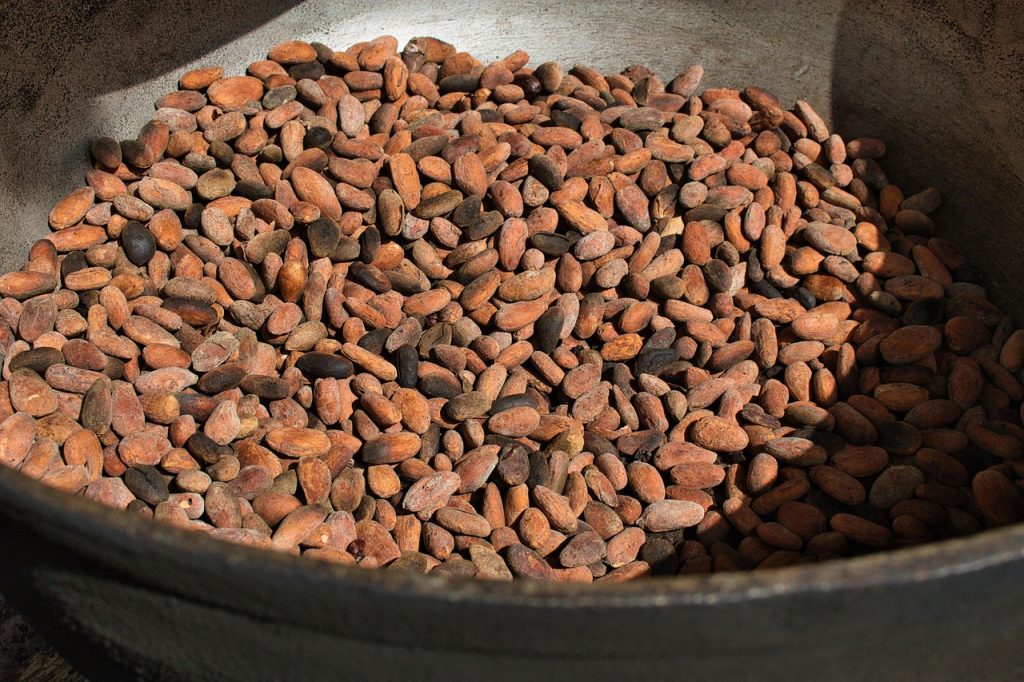
They way you choosing beanless chocolate isn’t just a quirky pivot—it’s a real response to the ethical mess traditional cocoa production brings. Let’s be honest: the old system is plagued by child labor, deforestation, and underpaid farmers. By shifting to yeast-derived chocolate, you’re not only sidestepping those legacy issues but also putting your company at the forefront of responsible sourcing. It’s a move that signals you care about both people and the planet—something consumers are watching more than ever. It’s an emerging technology, but leading with innovation and ethics.
- Sustainability Considerations in Cocoa Production
Let’s be real—sustainability used to be that thing brands aware on their packaging to look cool, but now? People legit want to know if their chocolate bar destroyed half a jungle or kicked a bunch of critters out of their homes. And then you’ve got this yeast-based chocolate popping up. Wild, right? Sounds more like a science experiment than dessert. But hey, brewing up yeast doesn’t bulldoze rainforests or guzzle water. All you need is a few tanks and some brainy folks in lab coats. So basically, these chocolate wizards can dodge a lot of the eco-guilt that comes with the usual cocoa game.
- Addressing Consumer Concerns on Authenticity
Let’s be honest—consumers have a strong attachment to traditional chocolate, and a lot of that comes from its storied past and those signature flavors tied to particular cacao beans. Introducing beanless chocolate? That’s a big shift. People need transparency. Clear labeling’s a must—no burying the lede. And, don’t just toss out the science behind the process; take the time to educate folks on how fermentation and yeast play a role here.
It’s really about highlighting the expertise and commitment to quality behind this product. If you communicate that this isn’t a shortcut or a knockoff, but rather a carefully crafted innovation, you’ll have a much better shot at consumer acceptance. Bridge that gap by focusing on craftsmanship and flavor, and you’ll set the stage for beanless chocolate to carve out its own spot in the market.
Host engaging tasting events and share compelling stories that illustrate how yeast brings out those rich, layered flavors people associate with premium chocolate. Be sure to highlight any partnerships with respected flavor scientists and seasoned chocolatiers—collaborations like these really boost credibility. This strategy isn’t just about showing off your product; it’s about building trust and establishing your brand as innovative and genuinely dedicated to top-notch quality.
Navigating the Taste Test: Yeast vs. Traditional Chocolate
To understand how yeast-derived chocolate compares to traditional varieties, a closer look at sensory evaluations is necessary. Panelists often highlight differences in sweetness, bitterness, and mouthfeel, impacting overall enjoyment and satisfaction. As innovation progresses, discerning your own palate will become increasingly necessary, revealing whether this novel chocolate stands up to the classic forms you cherish.
- Flavor Comparisons: What Science Reveals
The synthesis of chocolate-like flavors using yeast raises interesting discussions surrounding taste profiles. A comparative breakdown elucidates how both forms deliver distinctive notes:
Flavor Profile Comparison
| Characteristic | Yeast-Derived Chocolate |
| Sweetness | Often higher due to fermentation processes |
| Bitterness | Generally milder, with a smoother finish |
| Complexity | Unique flavor notes, often reminiscent of dark fruits |
| Texture | Varies widely, but can mimic creamy mouthfeel |
- Consumer Reactions: Preferences and Perceptions
Initial consumer reactions to yeast-derived chocolate reveal mixed responses. Some appreciate the innovative approach, while others express skepticism due to the absence of traditional chocolate’s rich heritage. Evaluation sessions indicate that age, dietary preferences, and previous chocolate experiences heavily influence preferences.
Feedback from taste tests highlights how your background shapes your perception of chocolate. Younger consumers often embrace novelty, welcoming the yeast-derived options for their sustainability and distinct tastes. Conversely, traditionalists may hesitate, scrutinizing the lack of historical context. Anecdotes from surveys reveal a split: while 55% of participants found yeast chocolate enjoyable, 45% remained loyal to classic cacao. As the market evolves, your taste preferences will play a pivotal role in shaping the future of chocolate consumption.
The Future of Chocolate Innovation
As food technology continues to evolve, chocolate is poised for transformative breakthroughs. Innovations like yeast-derived cocoa compounds represent not just sustainability, but also an opportunity to redefine chocolate-making processes, leading to healthier and more accessible products. Entrepreneurs and food scientists are already experimenting with various recipes to blend these compounds into traditional favorites, paving the way for not only delicious alternatives but also new market trends in the confectionery industry.
- Yeast-Derived Compounds in Food Technology
Yeast-derived compounds are paving the way for innovative food technologies beyond just chocolate. With the ability to harness natural fermentation processes, these compounds can mimic flavor profiles and functionalities typically provided by cocoa beans. Manufacturers are integrating them into baked goods, snacks, and even beverages, expanding the possibilities of how they can deliver richer textures and flavors without relying on traditional sources.
- Potentials for Expansion Beyond the Confectionery
Okay, real talk—yeast-based cocoa replacements aren’t just popping up in chocolate bars and candy aisles. Nah, they’re sneaking into everything: your morning muffin, that oat milk latte, even those green smoothies your gym buddy. Basically, brands are grabbing this stuff to fake chocolate flavor in just about anything. And honestly? It works. Health nuts, vegans, anybody avoiding dairy or sugar—they’re all over it. Plus, for the people making this stuff, it’s a dream: more ways to mix things up and chase whatever new food trend pops up next week.
Yeast-made cocoa isn’t just some science fair gimmick. This stuff just worms its way into, like, whatever you can imagine—protein bars, overpriced hipster granola, even those dairy-free ice creams that make your wallet cry. I mean, everybody’s on this plant-based kick lately. It’s like, eat this and you’re basically a hero for the planet. So, yeah, gluten-free, vegan treats packed with this chocolatey goodness? They’d absolutely hit the spot for anyone craving a sweet fix, and honestly, the health freaks and food snobs would be all over it.
Market Disruption: How Yeast-Derived Chocolate Could Change the Industry
Yeast-derived chocolate is poised to make some serious waves in the traditional chocolate industry. With sustainability and ethical sourcing becoming non-negotiable for a lot of consumers, this innovation couldn’t have landed at a better time. No more headaches over cocoa supply chain hiccups or wild price swings—manufacturers finally get some predictability. Plus, the reduced environmental footprint is a massive win for brand reputation.
If the taste holds up, we could see a major shift in consumer preferences. The market might start viewing conventional chocolate as the outdated option, while yeast-based alternatives become the new go-to. Honestly, the chocolate landscape could look very different in just a few years.
- Strategies for Baking and Incorporation in Recipes
Alright, so tossing yeast-based chocolate into your baking game isn’t as simple as swapping one for the other and calling it a day. Seriously, this stuff acts a bit wild compared to your regular cocoa from beans. You’ll probably need to mess around with the amounts—maybe more, maybe less, who knows until you try? Techniques might need a tweak too. Don’t be afraid to get your hands dirty and play with it. Oh, and don’t sleep on mixing in other flavors—vanilla, some chopped nuts, maybe a dash of cinnamon if you’re feeling fancy. The right combo can make your whole kitchen smell like a dream and your taste buds do a happy dance.
First off, don’t go dumping the whole bag in—start slow. Seriously, just use a little less than you normally would, ‘cause who knows what flavor bomb you’re about to unleash. If you’re doing brownies or cookies (classic), try mixing it with your regular cocoa so you don’t end up with something weird. Also, heads up: yeast chocolate can mess with the texture a bit, so you might have to fiddle around with the liquids—add a splash more milk, maybe? Basically, just make a small batch first. No need to waste a pile of ingredients while you’re experimenting.
To wrap up
Messing around with yeast to make cocoa stuff? Honestly, that’s a new level innovation. Scientists are basically hacking chocolate, and, weirdly enough, it tastes legit—like, you probably wouldn’t even miss the original beans. No more stressing about where the cocoa came from or if rainforests got bulldozed for your midnight snack. The whole thing’s way better for the planet, and, let’s be honest, who isn’t here for guilt-free chocolate? Keep an eye out, ‘cause the chocolate game’s about to get wild.