Table of Contents
With the growing popularity of white compound chocolate in the culinary world, chefs and confectioners are keen to understand its unique composition and potential uses. This blog post explores the important ingredients that constitute white compound chocolate, distinguishing it from traditional white chocolate. Additionally, it covers various applications, highlighting how they can enhance desserts, confections, and a range of other culinary creations. By delving into this subject, they can gain a comprehensive overview that equips them with the knowledge to utilize white compound chocolate effectively.
The Essential Components of White Compound Chocolate

Crafting white compound chocolate involves a blend of key ingredients that set it apart from traditional chocolate. The unique combination of cocoa butter, sugar, and emulsifiers gives it its characteristic creamy texture and sweet flavor, while also allowing for easier melting and molding. These components work in harmony to create a versatile product ideal for various applications in baking, confectionery, and dessert-making.
- Key Ingredients: Cocoa Butter, Sugar, and Emulsifiers
Cocoa butter serves as the foundation of white compound chocolate, providing a smooth mouthfeel and rich consistency. Combined with sugar, it creates a sweet base that appeals to many palates. Emulsifiers, often derived from lecithin, are included to enhance texture and stabilize the mixture, ensuring that it stays well-blended and retains its quality during storage and use.
- The Role of Flavoring Agents: From Vanillin to Milk Powder
Flavoring agents play a significant role in defining the taste profile of white compound chocolate. Ingredients like vanillin, a synthetic substitute for vanilla, impart sweetness and depth. Additionally, milk powder contributes creaminess and richness, elevating the overall flavor experience. These agents can be tailored to produce various taste levels, from traditional vanilla notes to more innovative combinations that cater to diverse consumer preferences.
The subtle sweetness of flavoring agents such as vanillin and milk powder significantly enhances the overall culinary application of white compound chocolate. By introducing not just sweetness but also complexity, these elements allow for creativity in recipes ranging from ganaches to mousses. Notably, using high-quality milk powder can amplify the creaminess and richness that many seek in dessert recipes. Adjustments in flavoring levels can create endless possibilities, making it a favorite among chefs looking to experiment with textures and tastes.
Distinguishing Characteristics: White Compound vs. Real Chocolate

White compound chocolate and real chocolate have distinct differences that are pertinent to various applications. While real chocolate must contain cocoa solids, cocoa butter, sugar, and in some cases, milk solids, white compound chocolate relies primarily on vegetable fats instead of cocoa butter. This substitution allows for a more stable product at room temperature, making it suitable for molds and coatings in confectionery. Moreover, white compound does not inherently offer the rich flavor profile associated with high-quality chocolate, often leading to varying levels of sweetness and creaminess depending on the specific formulation used.
- Understanding the Ratio of Ingredients and Their Impacts
Ingredient ratios significantly affect the properties of both types of chocolate. Real chocolate requires a minimum of 35% cocoa solids for dark varieties and about 20% for milk chocolate. In contrast, white compound chocolate usually consists of around 20-30% sugar, 30-50% vegetable fats, and limited dairy components. This disparity leads to different melting points and mouthfeel—white compound typically softens at lower temperatures, making it easier to work with in certain culinary contexts while offering a sweeter flavor that can overshadow the cocoa notes found in real chocolate.
- Sensory Attributes: Taste, Texture, and Appearance
The sensory profile of white compound chocolate diverges considerably from that of real chocolate. It possesses a sweeter flavor with pronounced creaminess due to the absence of cocoa solids, which contributes to a more neutral base. The texture is often smoother and silkier, thanks to the inclusion of emulsifiers, resulting in a glossy finish. In terms of appearance, white compound chocolate usually displays a bright white or off-white hue, appealing for decorative uses in desserts, though it lacks the rich, deeper colors characteristic of real chocolate.
The taste, texture, and appearance of white compound chocolate distinctly showcase its suitability for various culinary applications. The sweetness can range considerably, often making it more appealing to those who prefer milder flavors. Instead of the complex cocoa notes found in real chocolate, white compound offers a creamy, buttery profile that enhances its versatility in melting and molding. Texturally, the smooth mouthfeel is ideal for coatings, while its shiny finish adds an aesthetic quality to confections.
Culinary Applications: Beyond the Basics
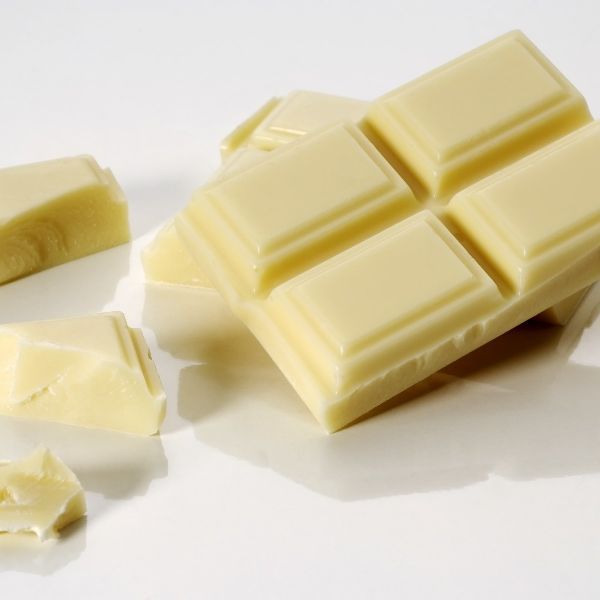
White compound chocolate offers versatility that extends far beyond traditional confections and coatings. Chefs and bakers explore its rich, creamy texture in various innovative recipes, incorporating it into mousses, ganaches, and even bread doughs. Its stability and ease of melting make it a favorite for creative culinary applications, such as decorative toppings and flavor-infused fillings. The opportunities are endless, allowing artisans to craft unique desserts that highlight the unique character of white compound chocolate.
- Innovative Uses in Baking and Confectionery
In baking, white compound chocolate shines as an elegant addition to macarons and cheesecake batters. Confectioners utilize it in truffles, blending with various extracts and flavorings to bring a new facet to their sweet creations. This adaptability allows for the integration of colors and designs, making it an attractive choice for themed desserts and seasonal treats.
- Pairing with Other Ingredients: Elevating Flavor Profiles
The flavor profile of white compound chocolate becomes even more exciting when paired with complementary ingredients. Combining it with fruits like raspberries or citrus enhances its sweetness while providing a refreshing balance. Additionally, you might experiment with spices such as cardamom or cinnamon to evoke warmth and complexity. Nuts, such as almonds or hazelnuts, introduce a delightful crunch, while a touch of sea salt can amplify its sweetness, resulting in a harmonious fusion of flavors.
Specific pairings can significantly impact the overall taste experience. For instance, when matched with tart fruit purees, the sweetness of white compound chocolate transforms into an indulgent yet refreshing dessert. Adding a hint of vanilla or honey amplifies richness, while ingredients like matcha or espresso create intriguing contrasts. Chefs often seek to craft layered desserts that play on these complementary notes, showing how white compound chocolate can be a canvas for culinary creativity, enhancing flavors and textures to delightful effect.
Nutritional Insights: What You Should Know
While white compound chocolate has a delightful taste profile, its nutritional content warrants attention. Typically, it contains a higher sugar content compared to dark or milk chocolates, making moderation key for those conscious of caloric intake. In addition, its lack of cocoa solids means it lacks certain beneficial compounds found in traditional chocolate, like flavonoids that contribute to heart health.
- Caloric Content and Ingredient Labeling
The caloric density of white compound chocolate usually ranges from 500 to 600 calories per 100 grams. Ingredient labeling will often reveal high sugar levels and vegetable fats, which substitute for cocoa butter. Understanding these elements can help individuals make informed dietary choices while enjoying their favorite sweets.
- Allergen Considerations and Dietary Restrictions
Individuals with specific allergies or dietary restrictions should proceed with caution when consuming white compound chocolate. Common allergens include dairy and soy, often present in various formulations. Moreover, cross-contamination may occur in manufacturing processes, especially where nuts are also handled.
People who follow a vegan diet or have lactose intolerance face challenges with white compound chocolate, as most varieties include dairy-derived ingredients. It is imperative for consumers to scrutinize product labels carefully, seeking out versions that explicitly state they are dairy-free and vegan-friendly. For those with nut allergies, selecting products from brands that focus on allergen-free processes will further minimize risk. Enhanced awareness regarding ingredient origins and manufacturing practices can help individuals navigate their food choices safely, ensuring a pleasurable yet safe indulgence in white compound chocolate.
The Future of White Compound Chocolate: Trends and Innovations
- Market Demand and Consumer Preferences
As consumers increasingly seek unique flavor profiles and dietary options, the market demand for white compound chocolate is evolving. With a growing interest in non-dairy and gluten-free alternatives, manufacturers are exploring innovative formulations that cater to health-conscious and adventurous eaters. This includes flavor infusions such as matcha, turmeric, and even exotic fruits, creating a diverse range of products to satisfy various palates.
- Sustainable Practices and Ethical Sourcing Initiatives
Efforts to adopt sustainable practices and ethical sourcing are gaining traction in the white compound chocolate market. Companies are prioritizing the use of responsibly sourced ingredients and eco-friendly packaging as consumer awareness of environmental issues continues to rise. This shift not only enhances brand reputation but also meets the ethical expectations of modern consumers.
Brands are increasingly focusing on transparency in their supply chains, verifying that cocoa and other ingredients are sourced from fair trade producers. Initiatives such as Rainforest Alliance certification and direct trade practices are being utilized to ensure that farmers receive a fair wage and work under safe conditions. For example, some companies have even partnered with local cooperatives to support agricultural education and development, fostering a more sustainable future for both producers and consumers. Such commitments not only impact the quality of the final product but also resonate with a clientele that values ethical consumption.
Conclusion
Drawing together the insights on white compound chocolate, one can appreciate the unique blend of ingredients that sets it apart from traditional chocolate. You will recognize its versatility in various culinary applications, from confections to baked goods. They should also note the balance of functionality and flavor that white compound chocolate provides, making it an appealing choice for both amateur and professional chefs. Understanding these elements helps them harness its potential in creative and delectable ways, showcasing the flexibility and appeal of this specialized ingredient.