Table of Contents
Nestlé’s market value is $250.18 billion USD as of July 2025. Based on their statistics, Nestlé is now the 49th most valuable corporation in the world by market capitalization. The total market value of a publicly traded company’s outstanding shares is known as the market capitalization, or market cap, and it is frequently used to determine the value of a business.
What is the origin of Nestlé?
The roots of Nestlé SA date back to 1866 in Vevey, Switzerland. Henri Nestlé, a German-born pharmacist, keen on contributing to societal wellbeing, developed Farine Lactée, an infant cereal aimed at combating high infant mortality rates. The product was a blend of cow’s milk, wheat flour, and sugar, a groundbreaking innovation at the time. It addressed the prevalent issue of inadequate infant nutrition and caught the attention of poorly-fed and undernourished infants’ caregivers, achieving considerable success.
However, Nestlé SA didn’t reach its full potential until it joined forces with the Anglo-Swiss Condensed Milk Company in 1905. This company, founded by Americans Charles and George Page in 1866, was a pioneer in producing condensed milk in Europe. The fusion of these two formidable entities enhanced Nestlé’s product line and foothold in the market, truly marking the beginning of the Nestlé SA we know today.
How did Nestlé become successful?
Nestlé SA’s rise to success is a combination of several factors. The company’s commitment to product innovation, strategic acquisitions, and consistent market expansion played crucial roles in propelling them to their current global status.
After its merger with the Anglo-Swiss Condensed Milk Company, Nestlé expanded its product line beyond infant formula to include condensed and powdered milk. During the First and Second World Wars, the demand for such products skyrocketed, allowing Nestlé to establish a significant global presence.
The later part of the 20th century saw the company strategically acquiring and merging with other brands. These include Cross & Blackwell in 1960, Findus in 1962, Libby’s in 1971, and Stouffer’s in 1973. The acquisition of Rowntree’s in 1988, best known for brands such as KitKat and After Eight, positioned Nestlé as a serious player in the chocolate and confectionery industry.
In the modern era, Nestlé SA has stayed relevant by prioritizing innovation and sustainability, investing $2 billion towards recyclable packaging in 2020 and championing initiatives like plant-based food products in response to changing consumer needs.
How many brands are owned by Nestlé?
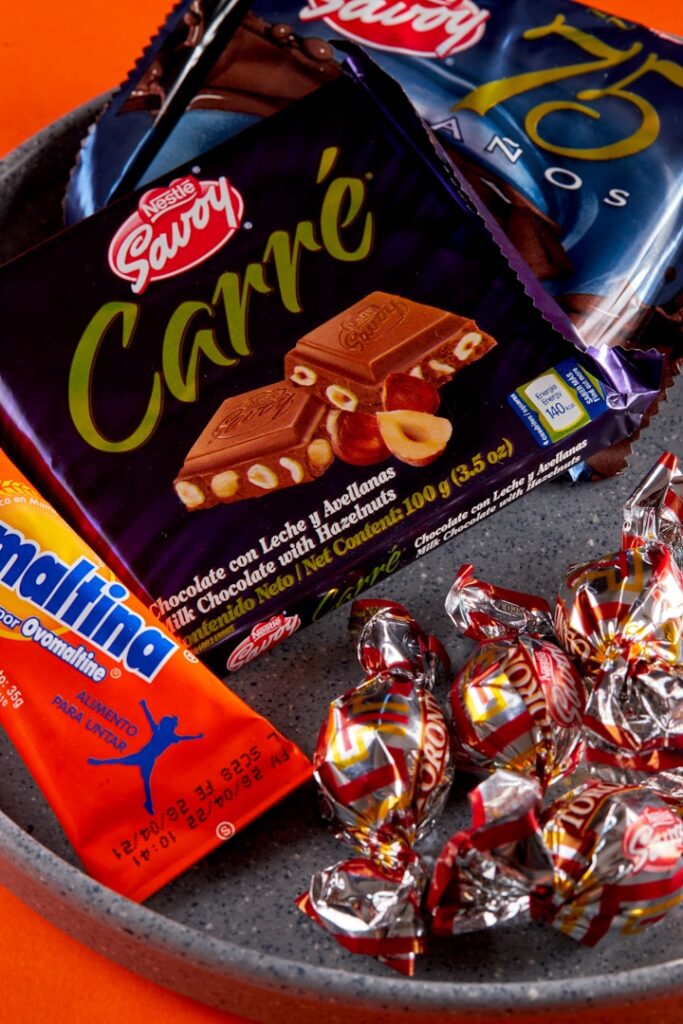
Nestlé SA, a Switzerland-based company, is no doubt a global powerhouse in the food and beverage industry. The colossal reach of Nestlé extends to owning an impressive portfolio of more than 2,000 brands. These brands fall into a diverse range of categories including coffee, bottled water, milk products, ice cream, prepared dishes, confectionery and pet food, among others. Some of its most notable global brands include Nespresso, Nescafé, Kit Kat, Purina, Gerber and Maggi.
The company’s rich collection of brands has helped it establish a presence in 187 countries worldwide. Nestlé’s current revenue (TTM) is $101.54 billion USD, per the company’s most recent financial reports. The company’s revenue in 2024 was $101.54 billion USD, which was less than its sales in 2023 of $111.03 billion USD.
How Nestlé started in Malaysia?
Nestlé’s venture in Malaysia unfolded in 1912 when it commenced as the Anglo-Swiss Condensed Milk Company, selling only infant products. It started to consolidate its operations and in 1962, adopted the more familiar name, Nestlé Malaysia Berhad.

In its early years, Nestlé Malaysia played a pivotal role in the local manufacturing sector. The opening of the company’s first factory in Petaling Jaya in 1965 paved the way for major investments, research, and development in the nation’s food industry. Nestlé Malaysia currently run 12 manufacturing facilities with more than 6,000 Malaysian workers. We are the biggest Halal manufacturer for Nestlé globally, and all of their products are 100% Halal. Nestlé Malaysia is a publicly traded corporation on Bursa Malaysia that complies with syariah. Hundreds of small investors and EPF, the biggest minority shareholder, are among their local shareholders.
What is the growth strategy of Nestle?
Nestlé’s growth strategy is driven by a clear focus on Nutrition, Health, and Wellness. This strategy is built around the desire to consistently innovate and renovate their products. The company has seen a growing trend among consumers towards products perceived as healthier, and it positions itself to meet this demand by enhancing the nutritional profile of their products and exploring healthier alternatives.
In addition, the company’s pursuit of sustainable growth also includes digital transformation and e-commerce, building an ever-stronger portfolio through innovation and acquisitions, and improving their operational efficiency. Nestlé has also ventured into premium products and plant-based food options as part of their growth strategy.
Moreover, they pay particular attention to growing in emerging markets. With a presence in nearly every country in the world, Nestlé leverages local tastes and preferences to build strong bonds with their customer base. By doing this, they are able to penetrate these markets more deeply and steer continual growth.
Lastly, strategic partnerships and acquisitions, such as the acquisition of Freshly, a U.S. based provider of fresh-prepared meals, signal Nestlé’s strategy to explore new pathways for growth, highlighting its constant pursuit of diversification in its vast portfolio.
Nestle Product Sources
According to ICCO data, Indonesia, the world’s sixth-largest cocoa-producing country, was expected to have seen a 20,000-ton annual decline in production between 2019 and 2020, reaching 200,000 tonnes. Initial work under the Nestlé Cocoa Plan (NCP) will start with 2,000 farmers and will involve a number of activities under three main NCP pillars: Better Lives, which will expand its child monitoring and remediation systems (CLMRS) to more cocoa farming households; Better Farming, which will provide farmers with coaching on GAP (good agricultural practices), support for planting cocoa trees and shade trees, and access to farm inputs.
Indonesia are being one of the world’s fastest-growing chocolate markets is Asia, which has given Indonesia the chance to become the region’s leading producer. The nation already serves as one of the region’s primary cocoa sourcing and processing hubs for Cargill’s goods.
With $77.9 million in exports in 2023, Indonesia ranked 14th out of 134 countries in the world for cocoa bean exports. Indonesia also import cocoa bean, Indonesia became the world’s fifth-largest importer of cocoa beans (out of 159 countries) in 2023, bringing in $731 million.
What is Nestle’s Brand Strategy?
Nestlé SA, a name synonymous with quality, has a deep-rooted history in the food industry and it has been around for over a century. Nestlé’s brand strategy is centered around their mission “Good Food, Good Life“. It converts consumers’ needs and desires into successful products offerings through effective brand strategies. Nestle’s goal is to lead the industry in Nutrition, Health, and Wellness.
A crucial part of Nestlé’s brand strategy is a dynamic portfolio, which incorporates an array of renowned brands globally, including Nestle, KitKat, Nescafe, Milo, Nestle Professional, Nestle Health Science, and Nestle Skin Health. By maintaining a vast portfolio of quality brands, Nestlé has managed to establish a strong presence in nearly every food and beverage category.
Nestlé invests heavily in research & development aspiring to enhance its product portfolio constantly and offer improved products with nutritional benefits. This aids in aligning with its aim to foster a healthier and happier life.
Additionally, digital transformation is central to Nestlé’s brand strategy. The company continues to evolve its digital marketing methods and backbone operations, using data science and digital technology to support decision-making.
What Makes Nestlé Unique?
Nestlé’s uniqueness derives from several strategic pillars that the company relies upon. Firstly, it’s their vast geographic presence. Nestlé operates in 189 countries, making it the world’s largest food and beverage company. It tailors its products to cater to local tastes, making it an integral part of communities worldwide.
Secondly, the uniqueness of Nestlé is undoubtedly evident in its commitment to quality and innovation. The company operates the largest single-company food network with 23 research, development, and technology centers worldwide.
Nestlé’s focus on sustainable development adds another aspect to its uniqueness. The company has embedded sustainability and corporate responsibility in its business operations and brand strategies. Nestlé’s commitment to sustainable development is evident in its goal to make 100% of its packaging recyclable or reusable by 2025.
Nestlé still dedicated to making all of their plastic packaging recyclable. Nestlé anticipate that 95% of it will be by 2025. As of right now, 86.8% of their packaging is recyclable or reusable. Although 80% of their plastic packaging is made to be recycled in facilities specifically for that purpose, Nestlé are aware that they still have more work to do. Being the biggest food and beverage corporation in the world, they dedicated to using size and scale to their advantage.
By 2025, Nestlé plan to cut the amount of virgin plastics use in packaging by one-third, and leading the way in the development of substitute packaging materials that will make recycling easier. As of year-end 2021, they had already accomplished an 8.1% reduction.
Finally, the diversity of its product portfolio is unmatched. Nestlé offers a wide range of products, from baby foods, bottled water, milk-based products, chocolates and confectionery, ice cream, and pet food. This diverse product range caters to various customer needs, immensely contributing to Nestlé’s global reach and success.
What’s New From Nestlé?
Martin Thompson was named CEO and leader of the U.S. market by Nestlé USA, with effect from January 1, 2025. Thompson will join the Zone Americas Leadership Team and answer to Nestlé CEO Zone Americas Steve Presley.
In 2018, Thompson joined Nestlé as part of the company’s acquisition of Starbucks’ foodservice and consumer packaged goods division. He was then named president of Nestlé Coffee Partners in 2020, which is the U.S. company that owns coffee brands like Seattle’s Best, Starbucks at Home, and Nescafé. According to reports, the division has been a major development engine for Nestlé USA under his direction, generating years of steady, profitable growth and increases in market share.
What Are the Future Plans of Nestlé?
Looking at the future, Nestlé has formulated plans that align with its brand strategy of meeting ever-changing consumer needs. Nestlé continues to forecast food and diet trends to update its product portfolio accordingly.
Considering the growing interest in plant-based foods and sustainability, Nestlé plans to invest CHF 3.2 billion in the next five years to shift towards regenerative farming and combat climate change.
In the context of health and wellness, Nestlé is dedicated to addressing health issues related to dietary intake. The company aims to reduce the salt and sugar content in its products and increase the number of organic and plant-based products.
Additionally, Nestlé plans on strengthening its focus on personalized nutrition. The company is keen to explore how individual genetic makeups might affect dietary needs, helping people make better nutritional decisions.
In conclusion, Nestlé SA, with its powerful brand portfolio, commitment to innovation, and dedication to sustainable practices, maintains its position at the helm. The company’s future plans indicate a continuous commitment to cater to consumers’ evolving needs while driving the sustainability agenda. With Nestlé, you are not just consuming a product; you are savoring a rich chocolate legacy that continues to unfold.
Boost your business with high-quality chocolate products from Cocoanusa. Whether you’re in the bakery, confectionery, or beverage industry, our premium cocoa powder, chocolate chips, compounds, and fillings are crafted to elevate your products with rich flavor and consistent quality. Sourced with care and processed to meet international standards, Cocoanusa’s chocolate solutions help you stand out in a competitive market.
Explore our wide range tailored for B2B needs and ensure your customers keep coming back for more. Visit https://cocoanusa.com to learn more, or contact us at contactus@cocoanusa.com for personalized assistance.