Table of Contents
The majority of industry professionals concur that improvements in chocolate compound manufacturing are revolutionizing the market by greatly raising quality. Here’s the scoop on what’s happening with chocolate compounds lately—yeah, the stuff that makes your favorite cheap chocolate bars so addictive. People in the biz are getting pretty creative, trying to make these choco-blends not just tastier, but also way better for the planet. You’ve got cocoa butter alternatives popping up, some wild plant-based fats, and even tech that dials in the mouthfeel so it melts just right. No more waxy aftertaste… finally.
And, get this: the whole compound chocolate scene is straight-up booming. We’re talking a leap from about $12.66 billion in 2025 to over $23 billion by 2035. That’s not pocket change. Why? Well, folks everywhere want new, fun chocolatey things—think crazy flavors or stuff you can bake with at home without breaking the bank. Plus, companies are all about making cheaper, flexible chocolate options that don’t suck. Basically, it’s a chocolate arms race out there, and honestly, I’m here for it.
People are learning how innovations in chocolate compounds, like better emulsifiers, environmentally friendly sourcing methods, and advanced processing techniques, help create better chocolate compounds. This blog article explores these fascinating advancements and offers insights into how they are changing the chocolate market and satisfying the needs of contemporary customers.
The Rise of Sustainable Sourcing in Chocolate Production

Alright, let’s be real—everyone now cares about where their chocolate comes from. It’s not just about the taste anymore, it’s about feeling good while you devour that bar. With people actually reading labels now, chocolate brands are scrambling to team up with cocoa growers who aren’t trashing the planet or exploiting workers. It’s all about the eco-friendly vibes and treating farmers like actual humans, not just cogs in the chocolate machine. Sure, companies love to brag about their “sustainable sourcing” because it makes them look woke, but hey, at least it means farmers might get a fair shake and the supply chain isn’t as fragile when the world goes haywire.
- Ethical Ingredient Procurement: Beyond Fair Trade
Forget the old-school Fair Trade certifications—these days, more chocolate makers are just cutting out the middleman and dealing straight with cocoa farmers. They’ll pay a bit extra for the good stuff, but that cash actually lands in the growers’ pockets, not in some corporate black hole. It’s not just about the money, either. These brands are rolling up their sleeves: teaching skills, handing out resources, and sticking around long enough to make a real difference. It’s all about trust, real relationships, and making sure their chocolate isn’t just tasty, but actually does some good for the people behind it. Ethical, sustainable… and honestly, just way more human.
- Environmental Impact Reduction Techniques
So, if you care about the planet and you also have a thing for chocolate, there’s actually a bunch of smart moves out there making cocoa less of a guilt trip. For starters, agroforestry’s kind of a game-changer. Picture this: instead of just rows and rows of cocoa plants, you get a little jungle vibe, with trees and cocoa mingling together. Helps the soil, lets birds and bugs do their thing, and feels a lot less like a monoculture disaster.
Oh, and the factories? Some folks are ditching fossil fuels and going solar. That’s not just a buzzword—actual panels, real sun, lower carbon mess. Pretty sweet. Then there’s rainwater harvesting. Why waste perfectly good water when you can just catch it falling from the sky, right? And don’t get me started on packaging—a lot of companies are finally realizing nobody wants their chocolate wrapped in plastic that’ll outlive us all. Biodegradable wrappers are actually happening. So yeah, it’s not perfect, but there’s real progress happening behind the scenes while you’re munching on that chocolate bar.
For example, companies like Tony’s Chocolonely have made strides in integrating these techniques into their operations by implementing waste reduction programs that minimize production waste while promoting resource efficiency. By 2030, the company wants to cut its carbon impact by at least 42% while offsetting its full carbon footprint, and it pledges to ensure that its supply chain is completely free of deforestation. Some brands have even adopted a circular economy approach, ensuring that their packaging is recyclable or compostable.
Technological Advancements that Elevate Flavor Profiles
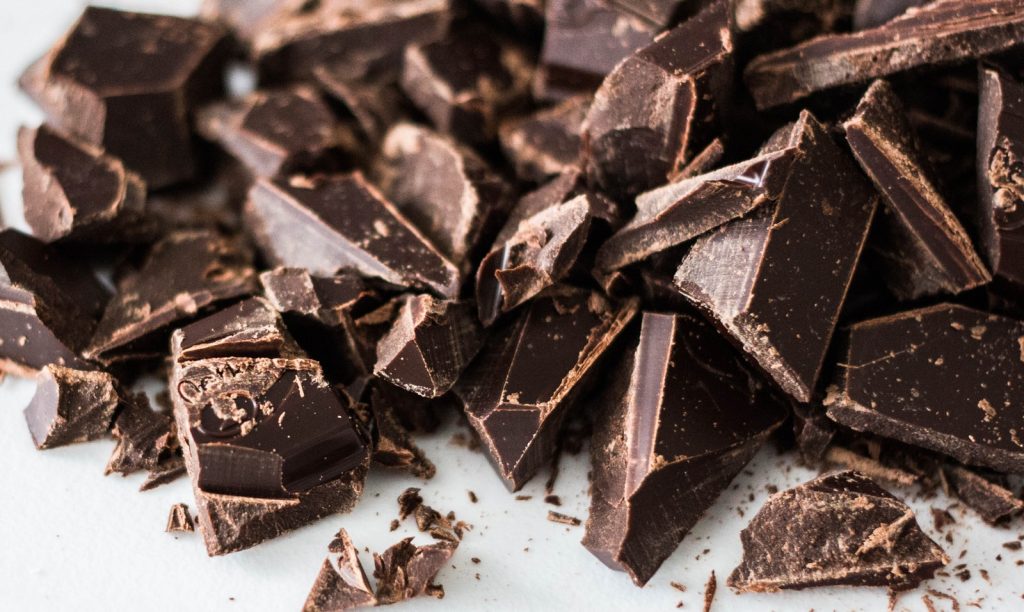
Chocolate isn’t what it used to be, and honestly, that’s a good thing. Tech’s been having a field day with chocolate, I swear. These days, you’ve got folks dialing in the roast on cacao like it’s some kind of science experiment, just to pull out flavors nobody even knew were hiding in there. The new milling setups? Chef’s kiss. Suddenly, chocolate’s not just “sweet” or “bitter”—it’s all about those crazy subtle notes, like maybe you’ll catch a hint of raspberry or toasted hazelnut if you’re paying attention.
And don’t even get me started on those sensory analysis gadgets. It’s like chocolate makers have got their own crystal balls now, figuring out exactly what people crave before we even know it ourselves. So yeah, companies are cranking out these custom blends that actually taste different. Better, even. If you’re a chocolate snob, this is basically a golden age. Not to mention, it’s a solid way for brands to stand out in the chocolate wars.
- The Role of Fermentation in Quality Enhancement
Fermentation’s basically the secret sauce behind awesome chocolate—no kidding. You mess with the fermentation time or swap up the conditions, and suddenly your chocolate goes from meh to “holy crap, what is this magic?” All those wild flavors and fancy aromas? Yeah, that’s mostly thanks to the little microbes—yeast and bacteria—doing their thing in the beans. People have actually geeked out over this, tweaking the temperature or stretching out the process just to see how wild they can make the taste. Single-origin chocolate? That’s where you really taste the difference. Honestly, if you ever get a chance to try chocolate where they actually cared about fermentation, don’t pass it up.
- Innovations in Tempering Processes and Their Benefits
Innovative tempering technologies are revolutionizing the production of chocolate compounds, ensuring superior quality and consistency. Automated tempering machines, utilizing precise temperature control, eliminate human error and guarantee optimal crystal formation. This not only enhances the chocolate’s texture and sheen but also prolongs its shelf life, making it more appealing to consumers. Furthermore, advancements in continuous tempering processes enable manufacturers to scale production without compromising quality.
Chocolate makers is the key. They’ve started busting out these advance vibrating tempering machines—yeah, vibrating—just to get that molten chocolate all perfectly warmed up and flowing like a dream. What’s the payoff? You bite in and get that snappy, shiny chocolate bar that actually looks as good as it tastes.
And, get this, some people are even swapping in stuff like rice bran oil into the mix. Sounds new, but apparently it makes the whole tempering thing smoother and gives the final product a best texture. Plus, it helps the chocolate survive the chaos of store shelves and sticky hands without turning into a melty mess. Honestly, with all these tricks up their sleeves, chocolate makers are basically wizards at this point, always leveling up what we get to snack on.
Automation and Precision in Chocolate Compound Manufacturing

Automation plays a pivotal role in chocolate compound manufacturing, maximizing efficiency while ensuring consistent quality. State-of-the-art robotic systems handle various processes, from ingredient mixing to packaging, minimizing human error and reducing production time significantly. Implementing automation not only accelerates the production cycle but also allows manufacturers to scale operations without sacrificing quality, creating a more efficient workflow across all stages of production.
- How AI is Shaping Production Efficiency
AI isn’t just some shiny toy—it’s basically the brainiac in the back room, crunching numbers and spotting trouble before you even smell smoke. In chocolate factories? Yeah, it’s all over that too, tweaking the process so you get more bars with fewer screw-ups. Those machine learning thingies—think of them like obsessive perfectionists, always poking at the data to make every step smoother. And those machine learning systems? They’re like hawk-eyed supervisors who never blink, calling out every wonky piece before it sneaks past quality control.
With all this tech, chocolate makers can crank out more goodies, waste less time fixing busted machines, and even save on the electric bill. It’s real money in the pocket, not just some vague “innovation.” Plus, hey, the planet gets a break too since they’re running cleaner and greener. Honestly, it’s a game-changer for anyone in the chocolate biz—no exaggeration.
- The Precision of Smart Sensors in Quality Control
Smart sensors equipped with advanced technology provide unparalleled precision in quality control during chocolate production. These sensors monitor various parameters such as temperature, humidity, and ingredient consistency in real-time. By discreetly collecting data throughout the manufacturing process, they enable manufacturers to maintain optimal conditions, ensuring that the final product meets the highest quality standards.
Smart sensors are basically the unsung heroes of chocolate compound manufacturing these days. Before them? Things were kind of wild—temperature swings messing up the crystals, leaving you with chocolate that’s more “meh” than magic. Now? Thanks to those fancy IoT sensors, folks can keep tabs on every little detail, tweaking things on the fly. It’s like having a tiny chocolate-obsessed robot babysitting your batch 24/7. Not kidding, some companies have seen their defect rates drop by nearly a third after slapping these sensors on their production lines. That’s huge. So yeah, if you’re chasing that perfect, melt-in-your-mouth texture every time, smart sensors are pretty much non-negotiable.
Formulation Science: Crafting the Ideal Chocolate Experience
To achieve the perfect blend of taste and texture in chocolate, formulation science plays a pivotal role. Experts focus on creating harmonious profiles by manipulating ingredients, from cocoa solids to emulsifiers, balancing richness and smoothness. By understanding the interplay of these components, chocolatiers can develop products that cater to diverse consumer preferences, ensuring an exceptional chocolate experience from the very first bite.
- Balancing Flavor and Texture through Ingredient Innovations
Innovations in ingredient selection are key to balancing flavor and texture in chocolate. By incorporating alternative fats, natural flavor enhancers, and stabilizers, manufacturers can create confections that offer a unique mouthfeel while enhancing the overall taste experience. For instance, using high-quality cocoa butter can impart a creamier texture, while specific emulsifiers facilitate a smoother melt-in-the-mouth sensation, making each bite memorable.
- The Impact of Alternative Sweeteners and Additives
Alternative sweeteners and additives are reshaping the chocolate landscape, allowing manufacturers to cater to health-conscious consumers. By utilizing sweeteners such as stevia or monk fruit, they can reduce sugar content without sacrificing sweetness, appealing to those seeking lower-calorie options. Moreover, functional additives like collagen or superfoods are being integrated, not only to enhance health benefits but also to create unique selling propositions for chocolate brands.
The integration of alternative sweeteners and additives has proven instrumental in expanding chocolate’s appeal. For instance, stevia, derived from natural sources, allows for a significant reduction in sugar while maintaining flavor integrity, a vital consideration given the rising demand for healthier products. Additionally, the adoption of superfood powders, such as matcha or spirulina, not only enhances nutritional profiles but also creates a distinct market advantage. Data shows that superfood powders market size was valued at USD 6.8 billion in 2023 and is poised to grow from USD 7.3 billion in 2024 to USD 12.93 billion by 2032, growing at a CAGR of 7.4% during the forecast period (2025-2032).
Customer-Centric Trends Shaping Compound Chocolate
People just don’t eat chocolate like they used to. It’s not enough to just slap some cocoa and sugar together anymore—folks want the story, the ethics, the whole shebang. Chocolate makers are hustling to keep up, chasing after better ingredients and actually telling us where that cocoa came from (no more mystery bars, thank you very much). And don’t even get me started on plant-based and allergen-friendly stuff. Someone’s always asking, “Is this vegan? Does it have nuts?!” So, yeah, the industry’s doing backflips to cater to every picky eater and health nut out there. Not a bad thing, honestly—at least we’re getting more interesting, thoughtful chocolate out of it.
- The Demand for Functional Chocolate: Health Benefits Redefined
Functional chocolate is increasingly popular among health-conscious consumers seeking indulgence without guilt. Today’s compound chocolate producers are integrating ingredients like superfoods, adaptogens, and proteins to cater to nutritional needs. This trend redefines the purpose of chocolate, transforming it from a simple treat to a functional addition to diets, enhancing well-being while satisfying sweet cravings.
- Custom Flavor Profiles and Personalization in Chocolates
Personalization has emerged as a vital trend in chocolate production, offering consumers tailored experiences that cater to their unique tastes. Brands are innovating with diverse flavor profiles, from exotic spices to unexpected pairings, giving chocolate enthusiasts the opportunity to explore and create their ideal confectionery experience.
Customers can now participate in the taste development process thanks to the growing number of artisan and business partnerships. Chocolate aficionados can build distinctive mixtures that appeal to their palates by choosing from alternatives like milk chocolate infused with chili or dark chocolate combined with lavender. Additionally, clients can customize chocolate bars by choosing different components through innovative online platforms. The future of compound chocolate is therefore set to embrace uniqueness—carefully constructed to accommodate a wide range of tastes and preferences, therefore elevating the entire eating experience.
Conclusion
Chocolate’s not just chocolate anymore. The folks behind your favorite bars and truffles? Yeah, they’re obsessed. Always messing around with new ways to make the stuff taste better, feel smoother, maybe even be a little less evil for the planet. You’ve got scientists poking at beans, factories trying out wild processes, and everyone’s on the hunt for fancier ingredients. It’s all about upping their game, really—because let’s face it, people are picky and tastes change faster than you can say “cacao.” All this nerdy innovation isn’t just for show, either. It helps companies actually survive in the cutthroat candy world.