Table of Contents
- Understanding Emulsifiers in Baking
- Role of Emulsifiers in Dough Formation
- Improving Volume and Crumb Texture
- Extended Shelf Life and Anti-Staling
- Examples of Common Emulsifiers
- Emulsifier Dosage and Application
- Emulsifiers in Different Types of Baked Goods
- The Role of Emulsifiers in Gluten-Free Baking
- Sensory Evaluation of Emulsifiers’ Effects
- Regulatory Considerations and Safety
- Innovations in Emulsifier Technology
- Consumer Perspective – Clean Label vs Functionality
- Practical Insights for Bakers
- Conclusion
There’s a range of emulsifiers in baking that you can use to strengthen dough, control moisture, and extend shelf life; emulsifiers in baking help you achieve consistent crumb structure, emulsifiers in baking improve dough handling and tolerance, and emulsifiers in baking enhance texture and freshness so your breads and pastries stay softer longer; understanding emulsifiers in baking lets you select ingredients and techniques that elevate your results.
Understanding Emulsifiers in Baking
Definition and Purpose of Emulsifiers
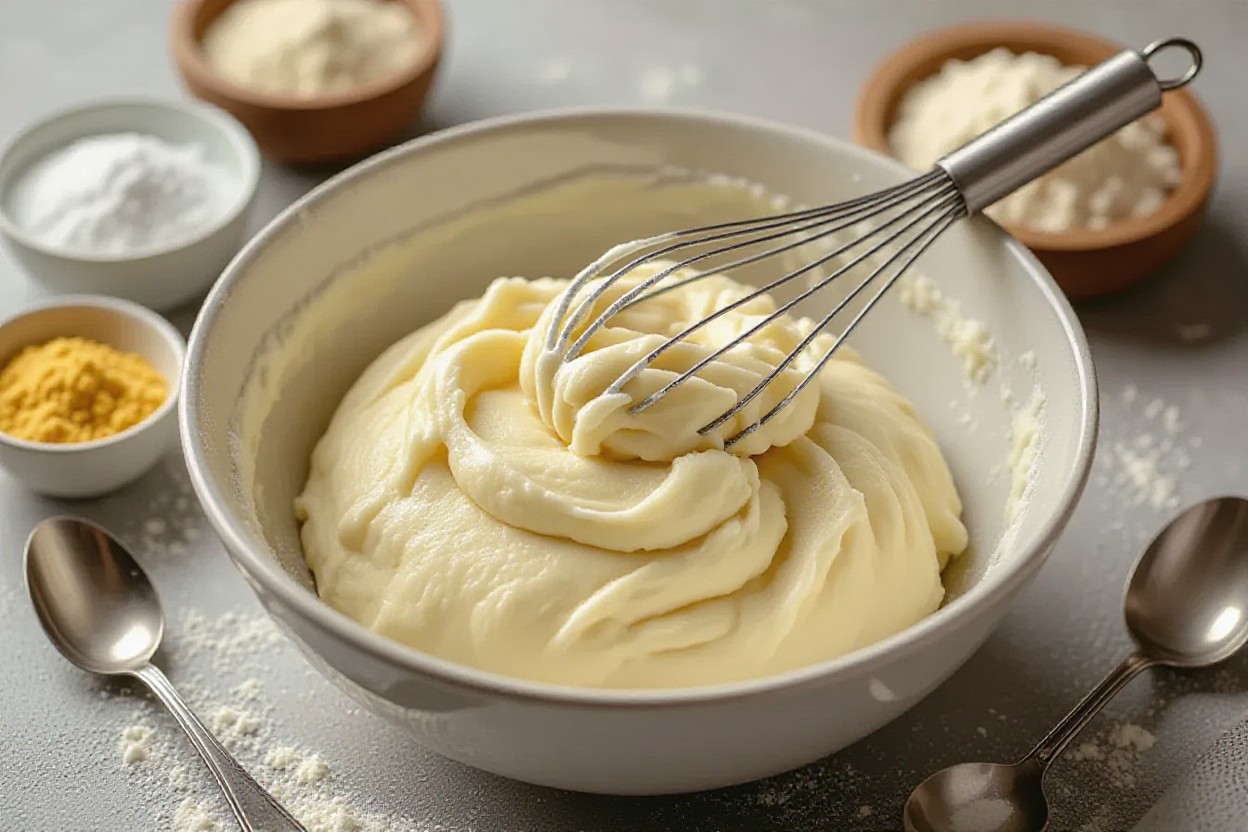
In practice, emulsifiers in baking are amphiphilic ingredients—like lecithin, mono- and diglycerides, SSL, and DATEM—that you add at roughly 0.3–1.0% of flour weight to stabilize fat-water interfaces, improve gas retention, and produce finer crumb structure. You’ll use them to boost dough machinability, increase loaf volume, and slow staling so your products keep desirable texture and mouthfeel longer.
The Chemistry Behind Emulsification
At the molecular level, emulsifiers in baking position their hydrophobic tails in fat and hydrophilic heads in water, lowering interfacial tension and forming monolayers around fat droplets and air cells. You can think in HLB terms (0–20 scale): oil-in-water systems favor HLB ~8–18. This interfacial film stabilizes bubbles during mixing and baking, directly affecting crumb and volume.
Further, emulsifiers in baking interact with starch and protein: mono- and diglycerides form amylose–lipid complexes that inhibit recrystallization of amylose, slowing starch retrogradation and staling. You’ll see measurable firmness reductions on texture analyzers and extended shelf life in commercial trials when emulsifier levels (often 0.3–0.7%) are optimized for the formula.
Categories of Emulsifiers
Common classes of emulsifiers in baking include natural lecithins (soy, sunflower), mono- and diglycerides, esters like DATEM and SSL, and polysorbates (e.g., polysorbate 60). You’ll select them based on function: dough conditioners, crumb improvers, or anti-staling agents, and based on solubility and HLB to match the specific fat and water balance of your recipe.
In application, you’ll find differences: SSL (sodium stearoyl lactylate) is relatively hydrophilic and improves gas retention and dough handling at ~0.25–0.5% flour weight; DATEM (diacetyl tartaric esters) strengthens gluten and boosts loaf volume at ~0.2–0.6%; lecithin at ~0.3–0.8% offers natural emulsification and improved crumb. You should trial combinations—many bakers use 0.3% SSL plus 0.5% lecithin—to tailor texture and shelf life.
Role of Emulsifiers in Dough Formation
You see emulsifiers in baking act at the molecular level to align water, fat, and protein—so your dough develops predictable strength and extensibility. Common emulsifiers (DATEM, SSL, mono‑/diglycerides, lecithin) are used at 0.2–0.6% flour weight to modify gas retention, dough tolerance, and crumb structure. In practical trials, a 0.3% DATEM addition often increases loaf volume and handling consistency, while monoglycerides help retain moisture—both effects you’ll leverage to standardize production and extend shelf life.
Enhancing Dough Stability
You benefit from emulsifiers in baking because they improve dough stability by strengthening gluten–lipid interfaces, which boosts tolerance to mechanical stress during sheeting and molding. For example, SSL at 0.25% increases gas-hold capacity and reduces cell rupture in enriched doughs, so your dough resists collapse during high-speed processing and yields more uniform loaves across batches.
Impact on Gluten and Starch Interaction
You’ll notice emulsifiers in baking change how gluten and starch behave together: DATEM and SSL preferentially interact with gluten to increase elasticity, while monoglycerides form complexes with amylose that slow retrogradation. That combination gives you a finer crumb and delayed firming, especially in white pan breads and rolls.
You can exploit the dual action: gluten-strengthening emulsifiers (DATEM at ~0.2–0.5%) let you build a tighter protein network for higher oven spring, while emulsifier–amylose complexes (monoglycerides at 0.3–0.6%) reduce starch recrystallization rates. In pilot bakings, this strategy often extends perceived freshness by 2–4 days and reduces slice firmness increases measured by texture analyzers, so you gain both processing robustness and improved shelf performance.
Effect on Mixing and Proofing Durations
You’ll find emulsifiers in baking can shorten or broaden processing windows: some (lecithin, monoacylglycerols) reduce required mixing time by improving hydration and dough cohesion, whereas others (DATEM) increase mixing tolerance so you can run longer mixes without breakdown. That flexibility helps you optimize cycles on mixers and proofing lines for consistent volume and crumb.
In practice, adjusting emulsifier type and dosage lets you fine‑tune operations: switching from a lecithin‑dominant system to 0.25% DATEM may allow a 10–30% change in optimal mixing time or permit longer bulk fermentation without overdevelopment. For automated lines, this means fewer stoppages, more predictable gas retention during proofing, and tighter control of final loaf weight and shape. Emulsifiers in baking therefore become a tool to synchronize formulation with your equipment capabilities.
Improving Volume and Crumb Texture
When you target loaf volume and crumb structure, emulsifiers in baking act as interface managers: they lower surface tension, stabilize gas cells, and improve gas retention during proofing and oven spring. Using targeted levels—typically 0.2–0.5% for mono- and diglycerides or 0.1–0.3% for lecithin—you can boost volume and keep crumb even; see industry guidance like Emulsifiers for the baking industry for formulation examples.
Dough Strengtheners vs. Dough Softeners
You choose emulsifiers in baking either to tighten gluten networks or to tenderize crumb: DATEM and SSL at 0.25–0.5% strengthen gluten for pan breads and improve gas retention, while monoglycerides and lecithin at 0.1–0.3% act as dough softeners to shorten mixing time and yield a finer, more tender crumb in cakes and enriched rolls.
The Science of Air Incorporation
You’ll see that emulsifiers in baking position themselves at air–liquid interfaces, lowering interfacial tension so bubbles form more easily and resist coalescence; that stability translates to higher oven spring and more uniform crumb, often giving you measurable volume gains versus control loaves in bench tests.
At the molecular level, emulsifiers in baking interact with proteins and lipids: mono- and diglycerides form lamellar phases with gluten proteins and starch, lecithin integrates with egg phospholipids, and all of them reduce bubble coalescence during proofing and early bake, so your dough traps more, smaller cells and yields a finer, more stable crumb.
Textural Outcomes in Different Baked Goods
You’ll notice emulsifiers in baking deliver distinct textures by product type: lean artisan loaves get tighter, more uniform crumbs; enriched doughs become softer and sliceable for longer; and sponge cakes achieve finer, velvety crumbs with less collapse, all by adjusting emulsifier type and dosage to the formulation.
In practice, manufacturers use 0.2–0.5% emulsifiers in pan breads to extend sliceability and tolerance to overmixing, while bakeries add 0.1–0.3% to cake batters to increase volume and slow staling—so you can tailor texture and shelf life across baguettes, brioche, and layered cakes by selecting the right emulsifiers in baking and dose.
Extended Shelf Life and Anti-Staling
Emulsifiers in baking extend your product’s freshness by slowing starch retrogradation and stabilizing crumb moisture; when you add targeted emulsifiers in baking like DATEM or SSL, your loaves typically stay softer 2–4 days longer. Industry trials and formulation guides show that combining lecithin with monoglycerides optimizes moisture retention — see How Emulsifiers and Surfactants Improve Bakery Products for practical data on emulsifiers in baking.
The Mechanism of Staling
Staling is driven primarily by amylose and amylopectin recrystallization and moisture redistribution; you notice crumb firming and loss of elastic bite as amylose retrogrades within 24–72 hours, while moisture migrates from crumb to crust, accelerating dryness. Emulsifiers in baking intervene at the polymer level, altering crystallization kinetics and holding water within the gluten-starch matrix to slow firmness gain.
How Emulsifiers Combat Staling
You use emulsifiers in baking to form amylose–lipid complexes and to coat starch granules, which reduces recrystallization and slows crumb firming; simple additions of 0.2–0.6% functional emulsifiers often translate to noticeably slower staling during typical ambient storage.
In practice, mono- and diglycerides and SSL/DATEM form complexes with linear amylose chains, lowering their mobility and crystallization tendency; lecithin improves dispersion of fat and binds water to the protein matrix. You’ll see bench-top trials where DATEM at 0.5% reduced crumb firmness increases by ~30–40% over 5 days versus control, and blends (e.g., 0.3% SSL + 0.2% monoglyceride) maintain sensory softness while reducing weight loss 2–4 percentage points after 7 days. Emulsifiers in baking also stabilize gas cells during staling-prone periods, so your slices look and feel fresher longer.
Case Studies of Longer-Lasting Baked Goods
You can evaluate specific trials showing how targeted emulsifiers in baking extend shelf life: manufacturers report multi-day gains in softness and reduced firmness slopes when using optimized emulsifier systems alongside proper packaging.
- Pan bread (commercial): 0.5% DATEM + 0.3% SSL — shelf life extended from 4 to 7 days; crumb firmness increase reduced by ~40% at day 6; mold-free under ambient storage for 6 days.
- Sweet rolls (retail): 0.2% lecithin + 0.3% monoglyceride — moisture loss cut from 6% to 2% after 5 days; sensory panel rated softness +18% on day 3 versus control.
- Sponge cake (high-ratio): 0.5% DATEM — crumb firmness 35% lower at day 4; weight retention improved by ~12% over control at day 5.
- Frozen par-baked baguettes: 0.4% SSL — post-bake shelf stability improved, re-bake yield up 9% with preserved crumb elasticity after 72 hours refrigerated thaw.
Across these examples you’ll notice patterns: lower firmness slopes, smaller moisture losses, and longer sensory acceptability windows when emulsifiers in baking are matched to product type and concentration. Scale trials typically report formulation ranges (0.2–0.6% total emulsifier) with ROI from reduced waste and longer retail display time; pairing emulsifiers with modified-atmosphere or barrier packaging often doubles the practical shelf-life gains.
- Retail test A: 10,000-unit run of pan bread with 0.5% DATEM — unsold waste reduced 22% over two weeks, distribution returns dropped by 18%.
- Manufacturer trial B: sweet bun line switched to 0.25% lecithin blend — average shelf-life extended 2.5 days, sensory acceptability maintained at 85% on day 5.
- R&D pilot C: sponge cake with 0.5% DATEM — firmness (measured by texture analyzer) increased 0.6 N/mm on day 4 vs 0.9 N/mm for control, a 33% slowing of staling rate.
Examples of Common Emulsifiers
Lecithin
You’ll find lecithin (soy or sunflower) used at about 0.25–1.0% of flour weight in many formulas; it’s roughly 60–80% phospholipids and helps improve mixing tolerance, crumb softness, and oven spring. In practical trials lecithin reduces mixing time and can modestly extend shelf life, so when you’re optimizing recipes, lecithin is one of the gentler emulsifiers in baking to start with.
Monoglycerides and Diglycerides
Monoglycerides and diglycerides are widely used at approximately 0.3–1.0% of flour weight to boost gas retention, loaf volume, and crumb softness; industrial bakeries often rely on them to standardize product quality. If you compare batches, these emulsifiers in baking typically produce higher specific volume and more uniform crumb cell structure than controls without emulsifiers.
Functionally, these molecules interact with starch and gluten: they form lipid–amylose complexes that slow starch retrogradation and help maintain softness over several days. You can pair them with enzymes or oxidants for synergistic effects; trials commonly report a 5–15% increase in specific volume and noticeably slower firming when monoglycerides and diglycerides are included.
DATEM and Other Specialty Emulsifiers
DATEM (diacetyl tartaric acid esters of mono- and diglycerides) is typically used at 0.25–0.5% of flour weight to strengthen the gluten network, improve machinability, and enhance sliceability in pan breads and rolls. When you need performance beyond basic softeners, DATEM and other specialty emulsifiers in baking give predictable dough strength and improved handling for high-speed production.
At the molecular level, DATEM preferentially binds to gluten proteins, increasing dough tolerance and resilience; many bakeries combine 0.3–0.5% DATEM with ascorbic acid or enzymes to maximize volume and crumb stability. You’ll see the biggest gains in lean formulas and prolonged shelf life, where DATEM helps maintain texture and reduce staling compared with unemulsified controls.
Emulsifier Dosage and Application
Dosage ranges vary by function: you typically use 0.2–1.0% of flour weight for most emulsifiers in baking; at 0.5% that’s 0.5 kg per 100 kg flour. Use the form (powder, liquid, pre-blend) that suits your process and consult technical sheets — see Why Are Emulsifiers Important in Cooking and Baking? for practical examples. You should adjust dosage based on dough hydration, fat level, and desired shelf life; small changes of 0.1–0.2% often alter volume and crumb softness.
Recommended Usage Levels
Bench formulas often start you at 0.25% for lecithin, 0.3–0.6% for SSL, 0.25–0.5% for DATEM, and 0.5–1.5% for mono‑/diglycerides, all expressed as percent of flour weight. When scaling, note 0.5% equals 0.5 kg per 100 kg flour. You’ll find blends can lower total dosage to 0.2–0.8% while delivering similar functionality in many products using emulsifiers in baking.
Methods of Incorporation in Dough
Add emulsifiers in baking either with the water phase, mixed into the fat, or pre‑dispersed in warm water; powder forms can be sprinkled onto flour, while liquid lecithins are easier in fat‑based systems. You should select the addition point to maximize dispersion—early in mixing for uniformity or with the fat for laminated doughs—and use high‑shear mixing when needed to avoid lumps and ensure consistent performance.
You get finer control by technique: disperse lecithin or other nonionic emulsifiers in 40–60°C water for 5–10 minutes before adding, or pre‑blend an emulsifier into shortening at 10–20% of fat weight for straight doughs. For sponge‑and‑dough systems, add 0.3–0.6% SSL to the dough stage to boost gas retention; pilot runs of 100–500 kg help confirm whether your chosen method improves oven spring and extends freshness when using emulsifiers in baking.
Balancing between Functionality and Cost
You must weigh functionality against ingredient cost: at 0.5% usage you add 0.5 kg per 100 kg flour, so with material priced $2–5/kg your cost is roughly $1–$2.50 per 100 kg flour. Often using a targeted 0.2–0.5% dose or switching to a blend cuts costs while preserving shelf life and texture; pairing enzymes with emulsifiers in baking can further reduce total additive spend.
Run objective trials to find the sweet spot: bake 100–300 loaves per formulation, measure specific volume and crumb firmness over 7 days, and compare staling rates. You should calculate ROI by comparing reduced waste versus added ingredient cost; for many retail breads, extending shelf life by 2–3 days justifies increasing dose by 0.1–0.3% or replacing single emulsifiers with a 0.2–0.4% blend combined with targeted enzymes to hit both performance and margin goals when formulating with emulsifiers in baking.
Emulsifiers in Different Types of Baked Goods
| Bread | You typically use DATEM, SSL or lecithin at 0.25–0.5% flour weight to strengthen gas retention and extend shelf life; emulsifiers in baking reduce staling and improve sliceability. |
| Cakes | You often add mono- and diglycerides or SSL at 0.3–1.0% of batter to stabilize air bubbles, improve crumb fineness and boost volume; emulsifiers in baking help uniform batter distribution. |
| Pastries | You apply lecithin or low levels of SSL (0.2–0.6%) to control fat migration in laminated and enriched doughs; emulsifiers in baking preserve flakiness and layering. |
| Cookies | You use lecithin or monoesters to improve dough handling and reduce oil bloom; emulsifiers in baking can cut mixing times and produce more consistent spread. |
| Muffins & quick breads | You include emulsifiers in baking like lecithin or monoesters at 0.2–0.8% to improve batter viscosity, give a moister crumb and extend freshness by several days. |
Bread
You’ll see emulsifiers in baking such as DATEM or SSL used in pan breads at 0.25–0.5% to improve dough tolerance and oven spring; they interact with gluten and starch to boost loaf volume by 5–15% in many commercial formulas and slow crumb firming so your loaves stay softer for days.
Cakes
You rely on emulsifiers in baking like mono‑ and diglycerides or SSL to stabilize whipped batters, improve aeration and give a finer, more uniform crumb; in sponge and layer cakes 0.3–1.0% often increases volume and reduces crumbling during slicing.
You can fine‑tune batter rheology by adjusting emulsifier type and dose: use lecithin for improved mouthfeel and reduced egg requirements, choose SSL for stronger bubble stabilization in high‑fat batters, and expect shelf life gains of several days when emulsifiers retard moisture migration and lipid crystallization.
Pastries
You apply emulsifiers in baking to laminated and enriched pastry to control fat dispersion and dough extensibility, typically at 0.2–0.6%; this reduces oil bleed, preserves distinct layers and helps you achieve consistent lift and flakiness in croissants and puff pastry.
You should consider emulsifier selection by laminate type: lecithin improves dough workability and flavor release, while small amounts of SSL or monoesters prevent lamination collapse during proofing and extend crispness by limiting starch retrogradation and fat migration.
- You can match emulsifier choice to the functional need—volume, softness, or shelf life—across product lines.
- You generally dose between 0.2% and 1.0% of flour or batter weight depending on formulation and processing.
- Thou will see more consistent results when you test emulsifiers in scaled trials before full production.
The Role of Emulsifiers in Gluten-Free Baking
In gluten-free formulations, emulsifiers in baking replace some functions of gluten by improving gas retention, water distribution, and dough cohesion. You can use lecithin, mono- and diglycerides, SSL or DATEM at roughly 0.2–1.0% of flour weight; trials combining 0.3% DATEM with 0.5% xanthan often increase loaf volume and slow crumb firming over 48–72 hours. Emulsifiers in baking also help you adjust mixing tolerance when using rice, sorghum, or buckwheat bases.
Challenges of Gluten-Free Formulations
You deal with a fragile matrix because gluten’s network is absent, so starch retrogradation and crumb dryness accelerate. Typically you add 0.5–4% hydrocolloids (xanthan, HPMC) and increase hydration by 5–15% to compensate. Emulsifiers in baking can mitigate dough fragility and improve sliceability, but you still need hydrocolloids for elasticity and film formation in high-starch mixes.
Emulsifiers as Texture Enhancers
You use emulsifiers in baking to stabilize air cells and strengthen gas-cell walls, which improves crumb resilience and reduces crumbliness. In practice, SSL or DATEM at 0.2–0.4% has been shown in pilot tests to boost specific volume by up to 10–15% when paired with xanthan, while also interacting with starch to delay retrogradation and maintain softness for 48–72 hours.
Types matter: lecithin improves dough lubricity and mouthfeel, mono- and diglycerides build film strength, and GMS improves spread and crumb cohesion. You’ll typically dose lecithin at 0.25–1.0% and DATEM/SSL/GMS at 0.15–0.5% of flour weight; combining ~0.3% emulsifier with 0.5–1.0% hydrocolloid often yields optimal crumb structure in gluten-free breads. Emulsifiers in baking therefore serve multifunctional roles beyond simple mixing.
Examples of Emulsifiers in Gluten-Free Products
You’ll find lecithin (E322) in many commercial gluten-free sandwich loaves, mono/diglycerides (E471) in cakes, and DATEM (E472e) in rolls; label levels commonly range from 0.2–0.8%. Emulsifiers in baking let formulators increase rice or potato starch content to 30–60% while preserving sliceability and reducing crumb graininess, enabling stable retail products with acceptable shelf life.
In formulation practice, manufacturers switch soy lecithin to sunflower lecithin to avoid allergen labeling while maintaining function at ~0.5–0.8%. Industry trials show replacing eggs with 0.8% lecithin plus 0.4% GMS can extend perceived softness by roughly 48 hours versus controls. Check labels for E-numbers (lecithin E322, mono/diglycerides E471, DATEM E472e) when specifying emulsifiers in baking for your product.
Sensory Evaluation of Emulsifiers’ Effects
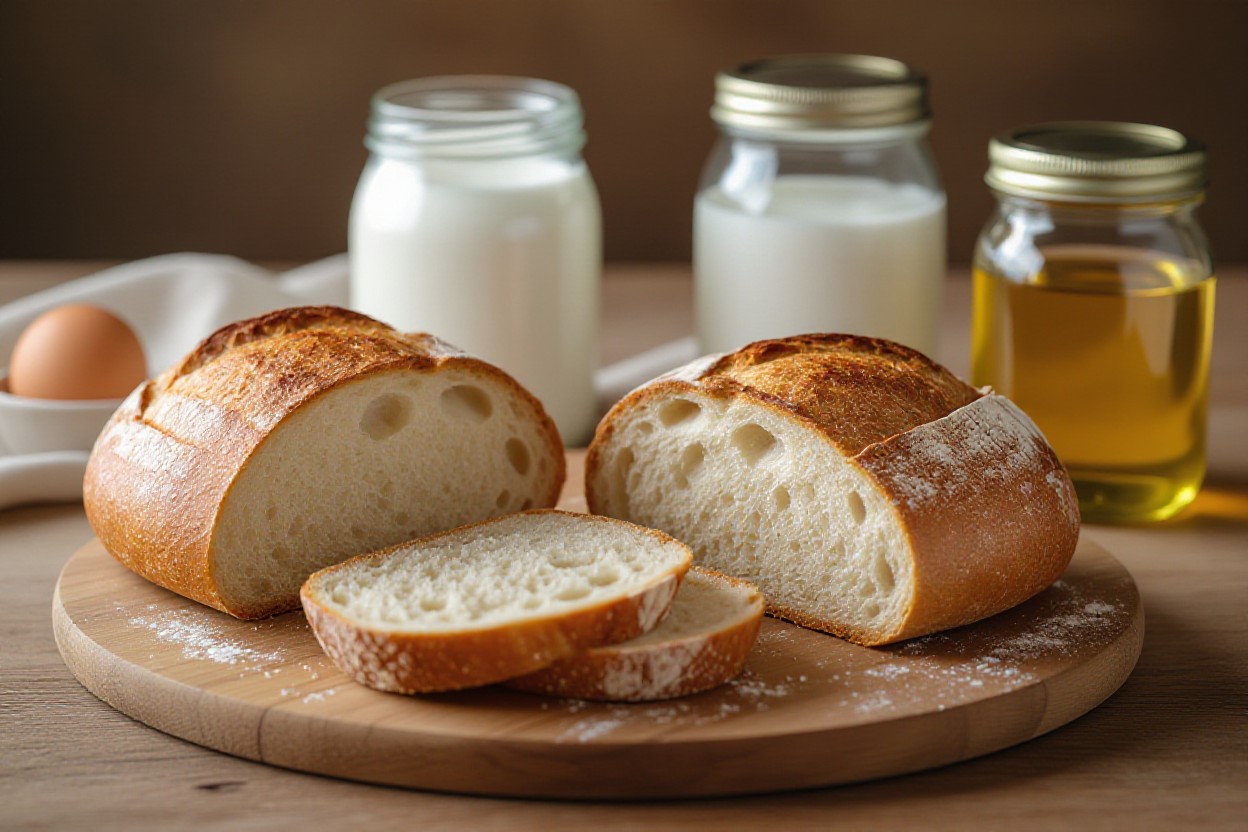
You assess emulsifiers in baking through a mix of instrumental and human testing: Texture Profile Analysis (TPA) and image-based crumb analysis quantify hardness, springiness and cell structure, while trained panels and 9-point hedonic consumer tests (n=50–200) capture perceived freshness and mouthfeel. You should correlate TA.XTplus or Instron data with sensory scores to see how emulsifiers in baking (e.g., 0.25–0.5% SSL, 0.5% lecithin) change acceptability and shelf-life perception over 3–7 day storage.
Measuring Texture and Crumb Quality
You use TPA to report hardness, cohesiveness and resilience, measure crumb firmness in Newtons, and perform image analysis to quantify cell size and wall thickness; pilot trials often run side-by-side controls and 0.25–0.5% emulsifier levels. You compare instrumental shifts to sensory panel thresholds, noting that emulsifiers in baking like DATEM or SSL frequently improve dough handling and reduce firmness, detectable within 24–72 hours of baking.
Consumer Preferences and Perception
You run large consumer panels (typically 100+ people) using 9-point hedonic and purchase-intent scales to track which emulsifiers in baking yield the highest acceptance; demographic splits (age, frequency of bread consumption) reveal that habitual consumers prioritize soft crumb and perceived freshness more than occasional buyers. You should include blind and informed tests to separate texture-driven liking from label-driven bias.
You can segment results by attributes: for example, older consumers often rate softness and ease of chewing higher, while younger buyers emphasize mouthfeel and flavor intensity; when you test lecithin at 0.5% versus monoglycerides at 0.25%, many panels detect better mouth-coating with monoglycerides but more neutral flavor with lecithin, informing formulation choices based on your target market.
The Role of Emulsifiers in Flavor Release
You evaluate flavor release by combining GC-MS headspace analysis (SPME) with sensory time-intensity tests to see how emulsifiers in baking alter volatile partitioning between lipid and air phases. You track key volatiles over baking and storage, and find that emulsifiers influence both immediate aroma and delayed flavor perception, especially in formulas with >5% added fat.
You should note mechanism differences: lecithin tends to bind lipophilic volatiles, often reducing headspace concentration, while small-molecule emulsifiers (SSL, monoglycerides) can increase release rate by altering droplet interfaces; in model breads with 8–12% fat, headspace GC studies report measurable shifts in volatile abundance that align with sensory intensity changes when you switch emulsifier type or level. Emulsifiers in baking therefore become a tool to tune aroma lifetime and immediate impact.
Regulatory Considerations and Safety
Overview of Emulsifier Regulations
You should be aware that regulatory frameworks differ: the EU uses E-numbers (e.g., E322 lecithins, E471 mono‑ and diglycerides, E472a–f esters) often authorized at quantum satis or specific maximums, while the US FDA lists many emulsifiers in baking as GRAS. You must align your formulations and documentation with Codex/JECFA opinions when exporting, and typical use levels for emulsifiers in baking are usually 0.2–0.5% of flour weight.
Consumer Safety and Acceptable Daily Intake
You rely on ADI and toxicology reviews to gauge safety; many common agents used as emulsifiers in baking have JECFA or EFSA assessments that result in “ADI not specified” or conservative mg/kg bw limits, indicating low risk at standard use. You should compare recipe use levels to ADI to maintain a substantial margin of safety.
You can run a simple exposure check: if your bread contains 60% flour and you use an emulsifier in baking at 0.4% of flour, a 200 g loaf contains about 480 mg emulsifier; for a 70 kg adult that equals ~6.9 mg/kg body weight, which you then compare to published ADI or ‘not specified’ guidance to confirm safety.
Labeling Regulations and Consumer Awareness
You must follow labeling rules that vary by market: the EU mandates E-numbers and allergen source declaration (so lecithin must indicate soy or sunflower), while US allergen labeling under FALCPA generally requires soy disclosure though highly refined derivatives can have exemptions; clear labels help consumers and reduce recall risk for emulsifiers in baking.
You should request supplier certificates and residual protein testing for lecithins and other source-derived emulsifiers in baking, and prefer explicit labeling like “lecithin (soy)” or “lecithin (sunflower)”; this practice supports allergen management, meets retailer specifications, and aligns with rising consumer demand for transparent ingredient sourcing.
Innovations in Emulsifier Technology
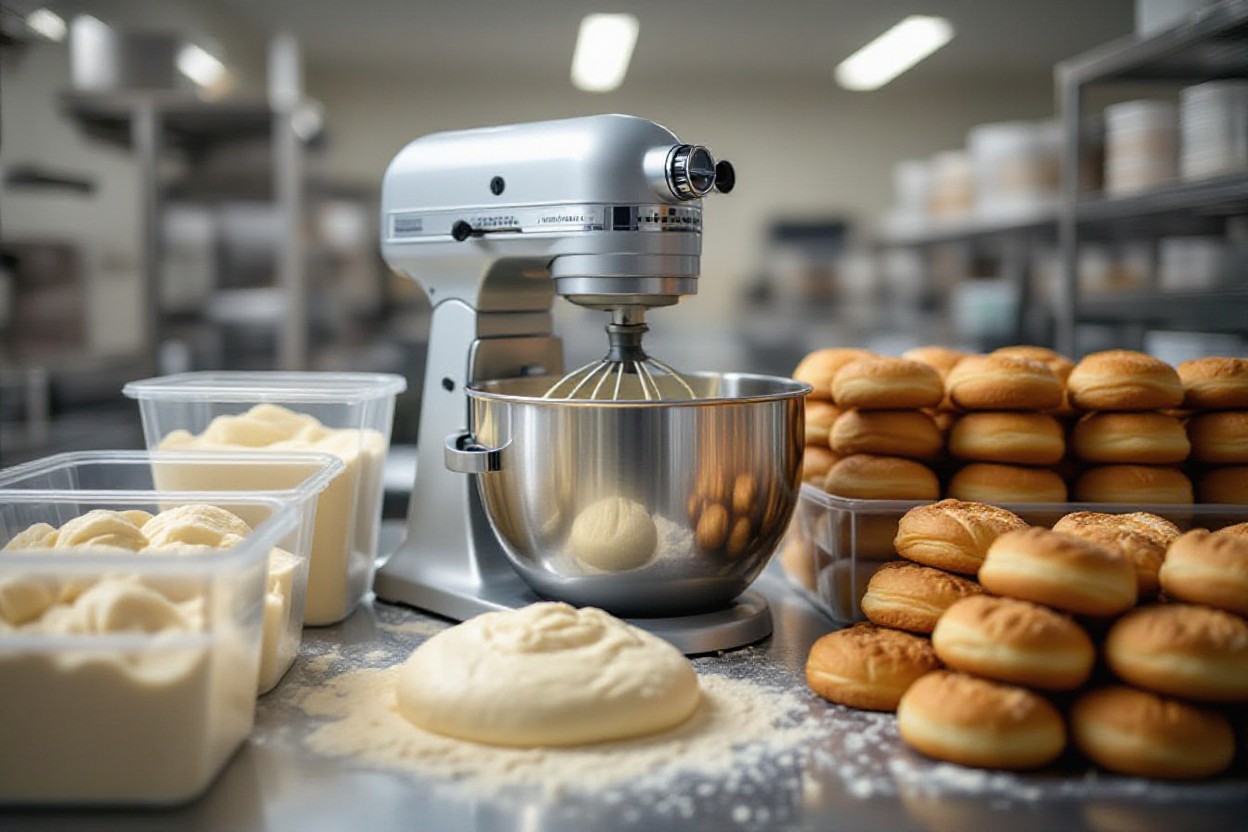
You’re seeing rapid innovation in emulsifiers in baking driven by clean-label demand, microencapsulation, and enzyme-enabled modifications. Manufacturers now formulate blends at 0.2–1.5% total usage that combine sunflower lecithin, mono- and diglycerides, and enzymatically modified starches to improve dough tolerance and extend softness by 2–4 days in many breads. In practice, microencapsulated emulsifiers release over time to sustain crumb freshness, while precision blends cut sensory trade-offs you previously accepted in lean formulas.
Development of Natural Alternatives
You’ll find a steady shift toward natural emulsifiers in baking such as sunflower lecithin, pea protein isolates, and enzyme-modified sorghum starches. Formulators often replace synthetic monoesters at roughly 0.5–1% lecithin while using 0.5–2% hydrocolloid support to match functionality. Suppliers report that sunflower lecithin reduces off-notes linked to soy and meets non-GMO labeling, helping you deliver clean-label products without sacrificing dough handling or sliceability.
Emulsifier Synergy with Other Ingredients
You should exploit synergy between emulsifiers in baking and enzymes, oxidants, and hydrocolloids to boost performance. For example, pairing SSL or lecithin with xylanase or amylase can improve gas retention and volume while allowing you to lower emulsifier dose by 20–50% in some formulas. Such combinations often yield stronger dough extensibility and more uniform crumb structure than single-ingredient approaches.
You can apply this synergy strategically: in enriched breads, combine 0.25–0.5% SSL with 50–150 ppm ascorbic acid and 0.5% xylanase to stabilize gluten and increase oven spring; in gluten-free systems, pair 0.5% lecithin with 1–2% HPMC plus 0.2% transglutaminase to improve gas cell stability. These practical pairings help you reduce staling and optimize sensory outcomes while lowering ingredient costs.
Future Trends in Emulsifier Research
You’ll notice future emulsifiers in baking driven by biotech, AI formulation, and sustainability metrics. Predictive modeling and machine-learning platforms already shorten bench trial cycles by an estimated 30–40% in industry reports, enabling rapid screening of novel monoesters, lecithin derivatives, and algal lipids. Expect more multifunctional ingredients that combine emulsification with antioxidation or anti-staling activities to arrive in the next 2–5 years.
You can prepare for commercially scaled designer emulsifiers produced via fermentation (yeast- or microalgae-derived lipids) that offer tailored fatty-acyl profiles and lower land-use impact. Regulatory pathways—EU Novel Food and FDA GRAS filings—will determine adoption speed, but pilot plants and partnerships indicate several candidates may reach cost parity with traditional emulsifiers in baking within a few years, changing how you formulate for shelf life and label claims.
Consumer Perspective – Clean Label vs Functionality
You face a trade-off between label simplicity and performance when choosing emulsifiers in baking: shoppers often favor recognizable ingredients, yet bakery formulators need consistent dough handling and shelf-life. Industry data show clean-label demand grew substantially over the last five years, pushing manufacturers to quantify how substitutions affect loaf volume, crumb softness, and anti-staling—metrics you track closely when reformulating to keep product quality while meeting consumer expectations.
The Clean Label Movement
You see clean-label claims—short ingredient lists, “no artificial emulsifiers,” and allergen-free wording—on more bakery launches, driven by a shift in purchase drivers away from additives. Retail audits indicate label-focused marketing increases shopper trust, and you must weigh that against functionality: removing traditional emulsifiers in baking can change dough tolerance and shelf life, so many brands adopt partial swaps or clearer explanations rather than outright elimination.
Natural Alternatives to Synthetic Emulsifiers
You can often replace synthetic emulsifiers in baking with natural options like sunflower lecithin (0.25–0.8% of flour weight), egg yolk (phospholipids), whey protein isolates (0.5–2%), and hydrocolloids (xanthan, gum arabic at 0.1–0.5%) to maintain emulsification and crumb structure. Formulators report sunflower lecithin matches soy lecithin performance while avoiding allergen labeling, helping you align formulations with clean-label goals.
You should test combinations because functionality differs: proteins stabilize air cells, lecithins reduce batter viscosity, and gums control moisture migration. In pilot trials, pairing 0.4% sunflower lecithin with 0.2% xanthan often preserves slice volume and delays firmness increases; still, you may need slight process adjustments (mix time, water absorption) and shelf-life monitoring to match synthetic-emulsifier benchmarks.
Educating Consumers on Emulsifier Benefits
You gain acceptance by communicating why emulsifiers in baking improve freshness and texture—use on-pack copy, QR-linked technical notes, and simple analogies (phospholipids as “natural stabilizers”) to bridge the gap. Brands that present short, transparent explanations plus sensory claims (e.g., “stays soft for 5 days”) tend to convert label-skeptical shoppers while retaining functional gains from emulsifiers in baking.
You can also use point-of-sale demos and digital channels showing data from shelf-life tests (moisture, firmness, mold-free days) and third-party certifications to build credibility. When you train staff to explain how emulsifiers in baking reduce staling and improve slice yield, consumers often accept ingredient trade-offs if the benefits are clear and quantified.
Practical Insights for Bakers
Focus on measurable outcomes: test emulsifiers in baking for loaf volume, crumb softness (measured by compression at 25% strain), and shelf life (days to 50% firmness increase). Use small-scale trials (1–3 kg dough) and track hydration, mixing time, and proofing; you’ll often see 5–20% volume gains or 2–6 days slower staling depending on the emulsifier and formula.
Selecting the Right Emulsifier
Match functionality to your goal: choose lecithin (0.25–1.0% of flour) for mouthfeel and dough tolerance, SSL or DATEM (0.2–0.5%) for increased dough strength and oven spring, and monoglycerides (0.3–0.8%) to improve crumb softness and sliceability; if you need a clean-label claim use enzyme–lecithin blends or sunflower lecithin to replace soy, and consider cost per kg and regulatory labeling in your market.
Experimenting with Emulsifiers in Recipes
Run a 3×3 matrix: control, low, and high inclusion for two emulsifiers across identical doughs, holding water and yeast constant; bake three loaves per condition and record specific volume (mL/g), crumb firmness day 0 and day 4, and sensory notes to spot trade-offs between softness and over-strengthening.
Extend trials by varying mixing time and salt level, since emulsifiers in baking interact with gluten development—shorter mix times may need higher emulsifier doses for volume, while longer mixes can amplify strengthening effects. For example, a 0.3% DATEM addition with a shortened mix increased oven spring 8% in a wheat-lean formula; meanwhile, lecithin at 0.5% preserved crumb softness but did not boost volume as much. Log each variable and use blinded sensory panels for shelf-life grading.
Troubleshooting Common Dough Issues
If dough becomes overly tight or collapses in the oven, reduce emulsifier by 10–30% or switch to a weaker emulsifier—SSL and DATEM can over-strengthen high-protein flours; conversely, if crumb feels dry after 2–4 days, try adding 0.25–0.5% lecithin or monoglycerides to improve moisture retention and slicing performance.
Diagnose problems systematically: run farinograph or mixograph profiles to see if mixing tolerance increases with your emulsifier dose, and check proof time—over-strengthened dough often proofs faster but is more prone to collapse. In one bakery test, cutting DATEM from 0.5% to 0.25% corrected post-bake collapse while retaining a 6% volume improvement; use incremental adjustments and document both lab metrics and bakery performance. Emulsifiers in baking are tools you tune, not one-size-fits-all fixes.
Conclusion
Hence you should use emulsifiers in baking to improve dough handling, as emulsifiers in baking stabilize fat and water, so emulsifiers in baking strengthen gluten interactions and extend shelf life; emulsifiers in baking refine crumb structure and emulsifiers in baking maintain moisture, giving your breads and pastries better texture and freshness.