Choosing the right cocoa powder can be surprisingly confusing, especially with so many options available in the market. From natural to alkalized variants, different fat contents, and varying flavor profiles, many buyers—whether home users or professionals—struggle to identify which type best suits their needs. This cocoa powder guide: types, uses, and health benefits is designed to provide clarity, helping you understand not only the differences but also how to use cocoa powder effectively for both culinary and nutritional purposes.
Cocoa powder, derived from roasted cacao beans, is a versatile ingredient widely used in beverages, baking, and confectionery. Beyond its rich chocolate flavor, it offers a range of functional and health-related benefits. By understanding its types and applications, you can maximize both quality and performance in your recipes or product formulations.
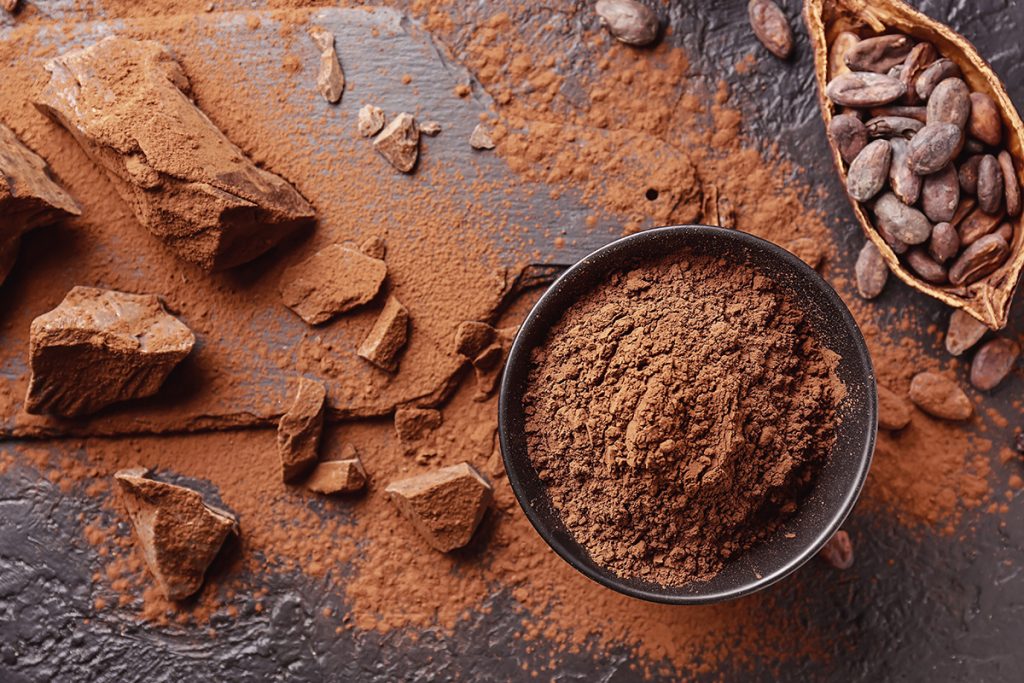
Cocoa Powder Guide: Types, Uses, and Health Benefits Explained
To fully understand cocoa powder, it is essential to start with its main types. The two most common categories are natural cocoa powder and alkalized (Dutch-processed) cocoa powder. Each type differs in processing method, pH level, taste, and application.
Natural cocoa powder is produced by pressing cocoa liquor to remove most of the cocoa butter, leaving behind a dry powder. It retains its natural acidity, resulting in a sharp, slightly bitter flavor. This type is often used in recipes that require baking soda, as the acidity reacts to create leavening.
Alkalized cocoa powder, on the other hand, undergoes a treatment process using alkaline solutions to neutralize its acidity. This results in a smoother, milder taste and darker color. It also dissolves more easily in liquids, making it ideal for beverages and certain dessert applications.
Another important classification is based on fat content. Low-fat cocoa powder (typically 6–9%) offers a more intense, bitter taste and lighter texture, while medium-fat cocoa powder (10–12%) provides a richer flavor and smoother mouthfeel. The choice depends on the intended use, whether for baking, beverages, or industrial food production.
Understanding these differences is crucial because the type of cocoa powder you choose directly affects the final outcome of your product. For consistent quality and specification-based sourcing, working with reliable suppliers such as CocoaNusa can ensure you get the right cocoa powder tailored to your needs.
Cocoa Powder Guide: Types and Their Best Uses in Food Industry
Each type of cocoa powder has specific applications that align with its characteristics. Selecting the right type is not just about flavor—it also impacts texture, color, and overall product performance.
Natural cocoa powder is commonly used in baked goods such as cakes, brownies, and cookies. Its acidity reacts with baking soda, creating a light and airy structure. It also delivers a more intense chocolate flavor, which is preferred in recipes where a bold cocoa taste is desired.
Alkalized cocoa powder is widely used in beverages, chocolate drinks, and premium desserts. Its neutral pH allows it to blend smoothly with liquids, producing a consistent texture without clumping. The darker color also enhances visual appeal, especially in products like chocolate cakes, ice cream, and sauces.
For more specialized applications, black cocoa powder—a heavily alkalized variant—is used to achieve deep black color and a distinct flavor profile. It is often found in sandwich cookies and premium bakery products where visual impact is important.
In industrial settings, cocoa powder is also used in chocolate compounds, fillings, and coatings. Manufacturers often select specific grades based on solubility, color intensity, and fat content. This level of customization is essential for maintaining consistency across large-scale production.
Additionally, cocoa powder plays a role in non-traditional applications such as protein shakes, functional beverages, and even savory dishes. Its versatility makes it a valuable ingredient across multiple segments of the food and beverage industry.
For a deeper understanding of cocoa processing and applications, you can explore this World Cocoa Foundation resource, which provides comprehensive insights into cocoa production and usage.
Cocoa Powder Guide: Health Benefits and Nutritional Value
Beyond its culinary uses, cocoa powder is widely recognized for its health benefits. Rich in flavonoids, cocoa powder contributes to antioxidant activity in the body, helping to combat oxidative stress and support overall health.
One of the most notable benefits is its impact on heart health. Flavonoids in cocoa have been associated with improved blood circulation and reduced blood pressure. These compounds help relax blood vessels, promoting better cardiovascular function.
Cocoa powder is also a source of essential minerals such as magnesium, iron, and potassium. Magnesium supports muscle and nerve function, while iron is crucial for oxygen transport in the blood. Potassium plays a role in maintaining fluid balance and regulating blood pressure.
Another important aspect is its potential effect on brain function. Studies suggest that cocoa flavonoids may enhance cognitive performance by improving blood flow to the brain. This can support memory, focus, and mental clarity over time.
In addition, cocoa powder contains natural compounds like theobromine and small amounts of caffeine, which can provide a mild energy boost. Unlike stronger stimulants, these compounds offer a more balanced and sustained effect, making cocoa-based drinks a suitable option for daily consumption.
However, it is important to note that the health benefits depend on the type and quality of cocoa powder used. Natural cocoa powder typically retains more antioxidants compared to heavily processed variants. Choosing high-quality products ensures that you receive the maximum nutritional value.
Cocoa Powder Guide: Choosing the Right Type for Your Needs
Selecting the right cocoa powder requires a clear understanding of your intended use, whether for home cooking, baking, or commercial production. Several factors should be considered to ensure optimal results.
First, identify the application. For baking recipes that rely on chemical leavening, natural cocoa powder is usually the better choice. For beverages and smooth-textured desserts, alkalized cocoa powder offers better solubility and flavor balance.
Second, consider the desired flavor profile. If you prefer a bold, slightly acidic taste, natural cocoa powder is ideal. For a milder, smoother chocolate flavor, alkalized cocoa powder is more suitable.
Third, evaluate the fat content. Higher fat cocoa powder provides a richer mouthfeel and is often preferred in premium products. Lower fat options may be more suitable for applications where a lighter texture is required.
Consistency and quality are also critical, especially for businesses. Working with a trusted supplier ensures that the cocoa powder meets specific standards, including particle size, color, and flavor consistency. This is particularly important for manufacturers and HORECA businesses that require reliable ingredients for large-scale production.
Finally, consider certifications and sourcing. Cocoa powder that meets international standards for safety and quality provides added assurance, especially for export-oriented businesses.
By taking these factors into account, you can make informed decisions that align with your goals, whether you are creating a simple homemade drink or developing a commercial product line.
Cocoa Powder Guide: Practical Tips for Daily Use and Storage
To get the most out of cocoa powder, proper usage and storage are essential. Even high-quality cocoa powder can lose its effectiveness if not handled correctly.
When using cocoa powder in recipes, it is important to sift it before mixing. This helps remove lumps and ensures even distribution, especially in baking applications. For beverages, dissolving cocoa powder in a small amount of warm liquid before adding the rest can improve consistency.
Storage conditions also play a significant role in maintaining quality. Cocoa powder should be kept in a cool, dry place, away from direct sunlight and moisture. Exposure to humidity can cause clumping and reduce shelf life.
It is also advisable to store cocoa powder in an airtight container to preserve its aroma and flavor. Over time, exposure to air can lead to oxidation, which may affect taste and nutritional value.
For those using cocoa powder regularly, monitoring freshness is important. While cocoa powder has a relatively long shelf life, its flavor and potency can gradually decline. Using fresh, high-quality cocoa powder ensures the best results in both taste and functionality.
By following these practical tips, you can maintain the quality of your cocoa powder and fully enjoy its benefits in your daily routine.
Conclusion: Cocoa Powder Guide for Smarter Choices
This cocoa powder guide: types, uses, and health benefits highlights the importance of understanding cocoa powder beyond its basic definition. From selecting the right type to maximizing its health benefits and applications, informed decisions can significantly enhance both your culinary results and nutritional intake.
Whether you are a home user exploring healthier beverage options or a business seeking consistent ingredient quality, cocoa powder remains a versatile and valuable component. The key lies in choosing the right product, using it appropriately, and maintaining its quality over time.
If you are looking to explore high-quality cocoa powder options tailored to professional needs, you can learn more through CocoaNusa. With the right knowledge and sourcing, cocoa powder can become a reliable part of your daily routine or product development strategy.