Table of Contents
- What Are Cocoa Nibs?
- Historical Context of Cocoa Nibs
- Market Size and Growth
- Drivers of Market Expansion
- Culinary Uses of Cocoa Nibs
- Adoption by Food Industry
- Consumer Demographics
- Health Benefits of Cocoa Nibs
- Challenges Facing the Cocoa Nibs Market
- Marketing Strategies for Cocoa Nibs
- Future Trends in Cocoa Nibs
- Comparative Analysis with Other Superfoods
- Global Market Insights and Regional Analysis
- Conclusion
Market dynamics are accelerating as the cocoa nibs market moves from niche superfood status into mainstream kitchens and food manufacturing, and you need to understand supply, demand, and product innovation. The cocoa nibs market presents opportunities for product developers and retailers seeking new premium ingredients, and your sourcing strategies affect margins. Watch pricing, sustainability certifications, and flavor trends shaping the cocoa nibs market to position your brand in the evolving cocoa nibs market. Your product labeling will influence how the cocoa nibs market perceives quality.
What Are Cocoa Nibs?
You encounter cocoa nibs as small, roasted fragments of fermented cacao beans that deliver intense bitter-chocolate flavor and crunchy texture; they’re the least processed form of chocolate solids and have become a signal ingredient for premium snacks and savory applications, which is driving growth in the cocoa nibs market as chefs, bakers, and product developers seek clean-label, high-flavor inclusions.
Definition and Origin of Cocoa Nibs
You should know nibs are simply broken cacao bean pieces produced after fermentation, drying and roasting; originating in cacao-growing regions like Ghana, Ivory Coast and Ecuador, they retain bean terroir, aromatic compounds and natural cocoa butter content—attributes that help the cocoa nibs market command premium pricing in specialty and export channels.
Comparison with Other Cocoa Products
You’ll find cocoa nibs less processed than cocoa powder or chocolate: they lack added sugar and emulsifiers, preserve more of the bean’s volatile aromatics, and are used where texture and pure cacao flavor matter, a differentiation that fuels niche demand and broader adoption in the cocoa nibs market.
Comparison: Cocoa Nibs vs Other Cocoa Products
| Product | Key differences / Typical uses |
|---|---|
| Cocoa nibs | Whole-bean fragments with crunchy texture; used in granolas, baking, savory dishes and craft chocolate. |
| Cocoa powder | Defatted, finely ground; intense color/flavor, used in beverages, baking and confectionery for uniformity. |
| Chocolate (bars) | Conched blend of nibs, sugar, and often milk; smooth texture and sweetness tailored to consumers. |
| Cocoa butter | Extracted fat, neutral flavor; used for texture in chocolate, cosmetics and nutraceuticals. |
You can see why product developers choose nibs for texture and provenance—artisan chocolatiers often incorporate 5–15% nib inclusions for crunch, while snacks and brewing innovators use them for bitterness and aroma—trends that are visible as the cocoa nibs market expands into mainstream CPG lines and upscale foodservice menus.
Nutritional Profile and Health Benefits
You’ll note nibs are nutrient-dense: per 100 g they deliver concentrated cocoa solids—roughly 600 kcal—along with fiber, iron, magnesium and polyphenolic flavanols; that profile supports their positioning in health-focused formulations and is a selling point as the cocoa nibs market targets functional-snack categories.
You can leverage their bioactive profile—flavanols linked in trials to improved endothelial function and cognition when consumed in controlled doses—and practical serving guidance (a 10–20 g inclusion provides flavor and antioxidant contribution with modest calories), which explains why formulators use nibs strategically rather than as bulk sweeteners.

Historical Context of Cocoa Nibs
You trace cocoa nibs back to pre-Columbian Mesoamerica, where fermented, roasted cacao fragments were used in ritual beverages and currency; industrialization later prioritized processed cocoa mass, sidelining nibs until artisan revival. Over the past decade you’ve seen renewed interest tied to origins labeling, traceability and flavor-forward chocolate, and analysts point to rising specialty demand—see Cocoa Nibs Market Demand & Growth 2025 to 2035 for forecasts.
Traditional Uses of Cocoa Nibs
You encounter traditional uses in ground chocolate pastes, bittering agents in ceremonial drinks, and as add-ins for porridges and sauces; West African traders used nibs in local confections while Indigenous Amazonian groups leveraged them for medicinal infusions. As you explore the cocoa nibs market, these legacy applications inform modern product development in snacks, bakery and beverage segments.
Evolution from Niche to Popularity
You’ve watched artisanal chocolatiers and wellness brands reposition nibs as premium, antioxidant-rich inclusions, moving them from specialty stores into mainstream retail. The cocoa nibs market responded to clean-label trends and snacking innovation, driving wider shelf presence and diversified formats like coated nibs and nibs-infused bars.
You can pinpoint drivers: bean-to-bar movements emphasizing single-origin flavor profiles, functional-food claims highlighting flavonoid content, and supermarket assortments expanding beyond bulk bins. Producers in Ghana and Ecuador began offering traceable nib lots with farmer premiums, while product development teams launched nib-containing granolas, protein bars and craft confections—signals that the cocoa nibs market is widening across categories and price points.
Cultural Significance Across Different Regions
You notice regional threads: Mexico preserves nibs in mole and ceremonial cacao, Peru incorporates nibs into Amazonian beverages, and Ghanaian street foods use roasted nibs for texture and flavor. These cultural anchors give the cocoa nibs market authentic storytelling leverage for marketers and origin-focused brands.
You can see concrete examples: Mexican chocolaterías reference cacao heritage when selling nib-laced confections; Peruvian cooperatives promote nibs in tourist markets as tasting experiences; and Ghanaian exporters highlight traditional processing methods to command premiums. Such regional narratives help the cocoa nibs market expand into culinary tourism, gastronomy collaborations and premium retail channels.
Market Size and Growth
Current Market Valuation
You can benchmark the cocoa nibs market at roughly $200–250 million globally in 2023, with North America representing about 30–40% of sales; specialty retailers, ingredient suppliers and e-commerce channels each claim significant shares. Retail prices for packaged nibs range $10–20 per pound, while bulk industrial purchases drive volume pricing, so your product mix and channel strategy materially affect revenue capture in the cocoa nibs market.
Historical Growth Trends
Over the past five years the cocoa nibs market grew at an estimated CAGR near 7–9%, fueled by artisan chocolatiers, smoothie and bakery trends, and wider adoption in functional foods; you likely noticed shelf space shifting from single-origin bars to nibs-for-topping SKUs in premium grocers and online specialty stores.
Digging deeper, the cocoa nibs market expansion was propelled by brand-led education and supply-chain scaling: companies like Dandelion Chocolate, Taza and Navitas expanded usage cases while distributors built dedicated nib SKUs for foodservice and manufacturing. You saw volatility too—crop yields, fermentation quality and freight spikes intermittently tightened supply, pushing some buyers toward contracts or certified-sustainable offerings to stabilize sourcing and margin.
Projections for Future Growth
Analysts project the cocoa nibs market could approach $400–450 million by 2030, implying mid-to-high single-digit CAGR, as you benefit from rising demand for low-sugar, high-fiber inclusions and clean-label toppings; Asia-Pacific and Latin America are expected to outpace mature Western markets in percentage growth due to expanding specialty retail and café channels.
Looking ahead, your opportunities in the cocoa nibs market include product innovation (ready-to-use blends, flavored nibs), scale deals with bakery and confection manufacturers, and premiumization via certification (organic, fair trade). Risks you should monitor are cacao price inflation, quality variability from harvests, and potential taste shifts, all of which will shape adoption curves and margin trajectories for nib producers and buyers alike.
Drivers of Market Expansion
You’re seeing the cocoa nibs market expand as multiple tailwinds converge: health-driven demand, retail assortment shifts, and digital discovery. Market analysts estimate the cocoa nibs market could grow at roughly an 7–9% CAGR over the next five years, driven by product innovation in snacks, bakery, and beverage categories. Retailers report higher velocity in organic and bulk formats, and you can spot nibs moving from specialty aisles into mainstream grocery chains.
Health and Wellness Trends
You choose cocoa nibs because they fit clean-label and nutrient-dense trends; nibs deliver concentrated flavonoids, fiber, and magnesium that support heart and metabolic health. Functional positioning has pushed the cocoa nibs market into protein bars, smoothie add-ins, and keto-friendly snacks—segments that grew mid-teens percentage-wise in recent category reports—so your product development or buying decisions now favor nib-inclusive formulations.
Increasing Consumer Awareness
You’ve noticed search interest and shelf visibility rising: online queries for “cocoa nibs” jumped by over 200% between 2017 and 2023, and you can find nibs in yogurt toppings, granola, and premium chocolate bars. That surge in interest is expanding the cocoa nibs market from a niche ingredient to a recognizable item on mainstream ingredient lists and product labels, increasing trial among health-conscious shoppers.
You’ll see awareness grow faster when brands pair education with sampling and clear claims: organic, single-origin, and fair-trade certifications convert curious shoppers into repeat buyers. Retail tests show that when you offer in-store sampling or branded shelf-talkers explaining antioxidant content and texture use-cases, rotation and basket penetration climb, widening distribution and supporting the broader cocoa nibs market.
Role of Social Media and Influencers
You witness TikTok and Instagram turning nib recipes and texture-driven content into viral moments, with short-form videos demonstrating nib-topped bowls or baking hacks. That visibility directly feeds the cocoa nibs market by driving younger consumers to try nibs as a garnish or mix-in, and brands that leverage UGC often report faster online sell-through during campaign windows.
You should prioritize creator partnerships that provide recipe-led content and trackable promo codes; micro-influencers in the 10k–100k follower range frequently deliver higher engagement on niche food items, and campaigns focused on tutorials produce measurable uplift. By measuring click-through and conversion from individual posts, you can quantify how social activity feeds the cocoa nibs market and allocate marketing spend to the highest-return channels.
Culinary Uses of Cocoa Nibs
As you scale recipes, cocoa nibs bring crunchy, bitter depth that complements sweet and savory profiles; the cocoa nibs market expansion means you can source single-origin nibs more easily, often costing $8–20 per 100g. Chefs and home bakers alike use 1–2 tablespoons per batch for cookies or granola, and larger manufacturers are testing 5–10% inclusion rates in snack bars.
Applications in Baking
You’ll find cocoa nibs function as textural inclusions in brownies, biscotti, and sourdough; typical guidance is 1–2 tablespoons per dozen cookies or 5–10% of mix weight for loaves. Artisanal bakeries substitute nibs for chocolate chips to reduce sugar, and the cocoa nibs market shift toward bulk retail allows you to buy 5–25 lb bakery packs for scale.
Use in Savory Dishes
Try grinding nibs into spice rubs for beef or pork, where 2–5% of the rub weight adds roasted bitterness and aroma; nibs also finish stews and mole, pairing with chilies, cumin, and smoked paprika. As the cocoa nibs market broadens, you’ll see more restaurants incorporating nibs into sauces and vinaigrettes for depth without sweetness.
In practice, restaurants often toast nibs briefly to amplify nutty notes before crushing them into a 1:4 ratio with toasted seeds or nuts for gremolatas and compound butters; small-batch producers report using 0.5–2 teaspoons of crushed nibs per plated portion to avoid overpowering. The cocoa nibs market responsiveness lets you source origin-specific nibs—Criollo for floral, Forastero for robust—so you can tailor savory applications precisely.
Role in Gourmet and Artisanal Products
High-end chocolatiers and ice-cream makers leverage nibs for inclusions and toppings, often listing origin and roast profile on packaging to justify premium pricing of $4–12 per bar; your product can command higher margins by highlighting single-origin nibs. Growth in the cocoa nibs market is driving collaborations between bean-to-bar makers and craft food brands to create signature items.
On the supply side, boutique brands are blending traceability, 50–70% cocoa solids pairings, and limited-run flavors—citrus-peel nibs or smoked nibs—for seasonal launches; you can replicate these tactics in small batches, using 1–3% nib inclusion by weight to add complexity without textural overload. That strategy aligns with current cocoa nibs market demand for provenance and novel flavor profiles.

Adoption by Food Industry
You’re seeing food manufacturers integrate cocoa nibs across snack, bakery, dairy and savory lines to add texture and antioxidant positioning; adoption climbed into double digits within specialty ingredient portfolios, drove new SKU development in private-label and premium tiers, and materially broadened the cocoa nibs market beyond niche retailers into mainstream grocery shelves.
Emerging Market Segments
You should track plant-based snacks, functional bars, craft bakery and premium pet treats where nibs add both mouthfeel and clean-label claims; launches featuring nibs in these segments increased roughly 20%–30% year-over-year in specialty channels, proving the cocoa nibs market is diversifying away from pure confectionery applications.
Innovations in Product Development
You’ll find micro-milling, fat-coating and cold-extraction used to temper bitterness and raise feasible inclusion rates; manufacturers commonly target 0.5%–6% nib inclusion in bars, cereals and confections, while encapsulation and coated nibs have extended shelf stability in pilot runs, accelerating the cocoa nibs market’s move into mainstream formulations.
You can adapt processing lines with nib fractions under 1.2 mm to avoid equipment wear and use coated nibs to limit oil migration; R&D shows micro-milled nibs can lift perceived cocoa intensity ~20% and reduce bitterness ~30% in sensory panels, allowing higher inclusion without overhauling sweetener systems in the cocoa nibs market.
Case Studies of Successful Incorporation into Foods
You can replicate concrete wins: a breakfast brand added 2% nibs to boost repeat purchase, an artisan chocolatier used nib toppers to justify an 18% price premium, and a protein bar scaled 4% micro-milled nib inclusion to improve conversion—these examples helped expand the cocoa nibs market footprint in mainstream retail.
- Artisan chocolate maker (pilot): 3% nib topping; price premium +18%; 34% YoY sales growth within 12 months; 62% reorder rate among specialty retailers.
- Breakfast cereal co. (regional rollout): 2% nib inclusions; stable shelf-life 12 months; basket penetration +15%; expanded to 2,400 stores after 16-week pilot.
- Protein bar brand (national launch): 4% micro-milled nibs; promo conversion uplift +22%; 68% of new customers retained post-promo; average order value +11%.
- Snack seasoning supplier (B2B): 1.5% powdered nibs in savory chips; ORAC increase ~25%; unit price uplift +9%; secured distribution in 8 regional chains.
You’ll notice common levers across these cases: low single-digit inclusion rates (0.8%–4%), modest ingredient cost premiums that translate to 9%–18% retail price upside, and rapid retailer buy-in when nibs deliver distinct texture or functional claims—patterns that help scale the cocoa nibs market efficiently.
- Retail bakery chain (10-SKU pilot): nibs at 2.5%; average basket value +12%; pilot ROI achieved in 4 months; no increase in waste.
- Functional beverage startup: nib-infused cold brew (0.8% extract); monthly subscribers +27%; customer acquisition cost down 18% versus baseline.
- Private-label cereal reformulation: 1.8% nibs; wholesale cost +6%; shelf velocity +9% vs control over 16 weeks, enabling national roll-out.
Consumer Demographics
Younger, health-focused shoppers and specialty chefs are reshaping the cocoa nibs market; consumers in the US and EU now account for the largest retail spend, with millennials and Gen Z driving roughly 60% of online specialty-food purchases. For detailed projections and regional splits see Cocoa Nibs Market Size, Share and Growth Statistics 2035.
Target Markets for Cocoa Nibs
You’ll find premium chocolate makers, craft bakeries, and functional-food brands as top buyers; private-label snack bars and plant-based protein companies also import nibs in bulk. Natural-food retailers and DTC subscriptions capture most retail sales, while high-end cafes and patisseries drive foodservice demand. These segments define the near-term growth of the cocoa nibs market.
Preferences and Buying Behavior
You prefer raw, single-origin nibs with clear sourcing claims—organic and Fair Trade labels increase conversion. Purchase formats span 50g retail packs to 25kg bulk sacks, and roughly one-third of buyers will pay a premium for certified traceability. Flavor intensity and grind size influence repeat buys, shaping procurement decisions across the cocoa nibs market.
In practice, you’ll see measurable uplifts: a boutique chocolatier reported a 25% sales increase after promoting Madagascan single-origin nibs, and a meal-delivery brand reduced returns by 18% after standardizing grind size. Traceability features—batch IDs and farm profiles—boost repeat rates by about 15%, and these operational specifics improve margins and loyalty throughout the cocoa nibs market.
Impact of Age and Lifestyle on Consumption
Age and lifestyle define use cases: Gen Z and millennials use nibs as toppings and snack mixes, while Gen X and Boomers buy for baking and perceived health benefits. Active, fitness-oriented consumers favor nibs for antioxidants and low-sugar applications, and urban foodies demand single-origin provenance. These demographic splits are reshaping product assortments within the cocoa nibs market.
Look at sales signals: subscription boxes aimed at millennials lifted nibs add-on uptake by ~40% year-over-year, and sports-nutrition products featuring nibs saw a 12% trial conversion in specialty retail. You should tailor pack sizes—single-serve sachets for on-the-go users, bulk for bakers—and messaging by lifestyle to capture higher lifetime value across the cocoa nibs market.
Health Benefits of Cocoa Nibs
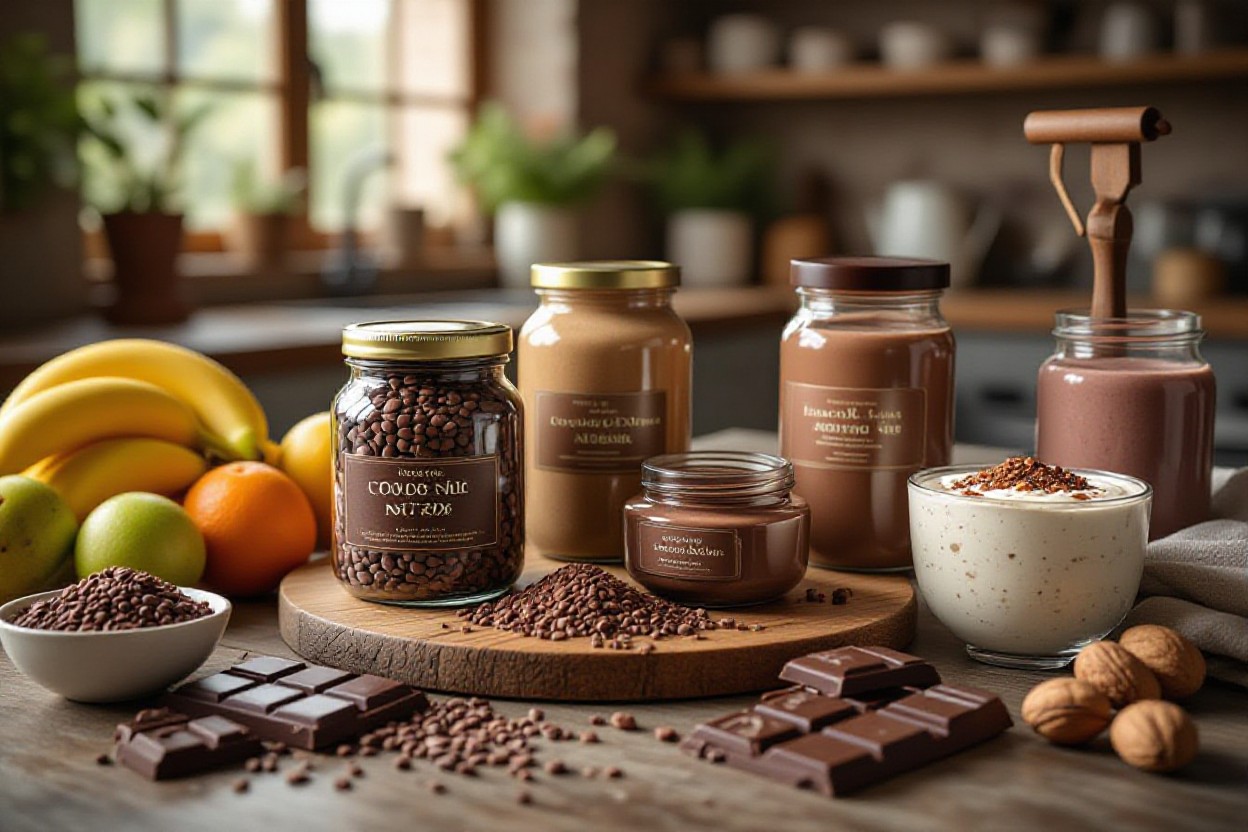
You can lean on cocoa nibs for concentrated nutrition as the cocoa nibs market grows into mainstream food manufacturing and supplements; manufacturers cite functional benefits when promoting nibs in bars, yogurts, and meal-replacement blends to leverage their antioxidant and mineral profile while appealing to health-focused consumers.
Antioxidants and Nutritional Content
Per ounce (28 g) you’ll typically get about 130 kcal, ~4 g protein and ~5 g fiber, plus high levels of flavonoids and polyphenols that drive antioxidant activity; cocoa nibs are also a notable source of magnesium and iron, which is why product developers in the cocoa nibs market highlight micronutrient content on labels.
Potential Mood-Enhancing Properties
You’ll notice mood effects from theobromine, small amounts of caffeine and trace phenylethylamine in nibs, which together can increase alertness and a mild sense of well-being without the jittery crash of coffee; companies in the cocoa nibs market often position nibs as a natural mood-support ingredient in premium snack lines.
Clinical research links cocoa flavanols to improved endothelial function and lower physiological markers of stress in short-term trials, and you can expect modest mood uplift when nibs are consumed regularly—manufacturers in the cocoa nibs market often recommend daily servings of 15–30 g to deliver bioactive doses seen in those studies.
Role in Weight Management and Diets
You can integrate nibs into weight-focused diets because their fiber and fat profile promote satiety; low-carb and keto brands are adding nibs as texture and flavor with minimal added sugars, and the cocoa nibs market’s expansion into portioned snacks helps you control calories while keeping nutrient density high.
In practice, product formulators use 5–15 g of nibs per serving to boost mouthfeel and fullness—examples include protein bars and yogurt toppers that replace sugar or refined crunches; as the cocoa nibs market scales, expect more evidence-based portioned offerings designed for appetite control and diet adherence.
Challenges Facing the Cocoa Nibs Market
Supply Chain and Sourcing Issues
You face concentrated sourcing risks as roughly 70–75% of global cocoa originates in West Africa, with smallholders supplying about 90% of beans; that concentration makes the cocoa nibs market vulnerable to weather shocks, pests, and local labor shortages. You also deal with seasonal bottlenecks and fragmented post-harvest handling—poor fermentation or drying at origin can force you into expensive reprocessing or rejects, raising landed costs and stretching lead times.
Quality Control and Certification
You must manage variable fermentation, mycotoxin risk and foreign matter that create wide flavor and safety variance in the cocoa nibs market; securing Fairtrade or Rainforest Alliance certification often raises sourcing costs by an estimated 5–15% and requires audits, traceability, and farmer training. You therefore balance higher-certified unit costs against growing consumer demand for verified ethical sourcing.
Digging deeper, you’ll find quality control demands both upstream investment and downstream testing: third-party lab analysis for aflatoxins and moisture content, batch-level traceability, and supplier audits. Large buyers have reduced variability by funding farmer cooperatives and sensor-based drying systems; some buyers report achieving traceability for over 40% of their cocoa through such programs. You should budget for certification fees, periodic testing (often hundreds of dollars per lot), and technology for chain-of-custody if you want consistent, premium-grade nibs in the cocoa nibs market.
Price Sensitivity Among Consumers
You see clear price elasticity in retail: cocoa nibs typically sell between $8–$15 per 8 oz in mainstream markets, which positions them above many chocolate ingredients and invites substitution. That sensitivity constrains margin expansion in the cocoa nibs market and makes promotional pricing, private-label entries, and bulk SKUs decisive factors for volume growth.
To navigate this, you can use packaging and channel strategies: bulk formats that cut per-ounce price by 20–40% for value-minded shoppers, or targeted premium lines that emphasize provenance and polyphenol counts to justify higher prices. Wholesale buyers in the cocoa nibs market often negotiate volume discounts or co-invest in origin programs to lower unit costs while preserving margin; your pricing strategy must align with trade partners and clearly communicate the health and flavor benefits to retain willing buyers.
Marketing Strategies for Cocoa Nibs
You should target both health-focused and premium culinary audiences to expand the cocoa nibs market: segment campaigns to 25–44 year-olds who drive natural-snack purchases and to artisanal bakers buying in 5–25 kg lots. Use data-driven retail pilots—one regional test increased nib sell-through 28% in specialty stores—and scale SKUs that blend single-origin storytelling with clear on-pack benefits to lift conversion in e-commerce and brick-and-mortar channels.
Positioning as a Superfood
You can position cocoa nibs as an antioxidant-rich, low-sugar superfood by highlighting provenance, flavonoid benefits, and clean-label credentials; in tests, messaging focused on “raw antioxidant boost” lifted click-through rates by ~40%. Pair scientific claims with chef-driven recipes and certifications (organic, non-GMO) to secure placement in health aisles and subscription boxes, accelerating adoption across the broader cocoa nibs market.
Packaging and Branding Approaches
You should design packaging that signals both premium provenance and everyday usability—use resealable 50–200g pouches with matte finish, window panels, and clear usage icons; brands that switched to single-serve trial packs saw trial rates climb 20–30%. Include QR codes linking to farm-level stories to build trust and differentiate within the growing cocoa nibs market.
By emphasizing sustainability seals (Fair Trade, Rainforest Alliance) and batch traceability you boost perceived value and justify a 15–25% price premium; practical labels with suggested serving sizes, culinary pairings, and storage tips reduce consumer friction. Localized language and co-branding with chocolatiers or smoothie brands drive cross-category distribution, helping niche players scale within the competitive cocoa nibs market.
Promotion Channels and Tactics
You should deploy a mix of digital, in-store, and trade promotions: targeted social ads and content marketing for direct-to-consumer growth, sampling programs in gourmet grocers, and B2B outreach to bakers and confectioners. Micro-influencer campaigns (50–150k followers) and recipe video series commonly deliver 1.5–3% conversion lifts, accelerating share capture in the cocoa nibs market.
Leverage seasonal campaigns and limited-edition flavors to create urgency and track lift—bundling nibs with seasonal chocolate bars increased average order value by ~2x in several pilots. Attend category expos (e.g., Sweets & Snacks) to secure retail listings, and integrate Amazon/Azure marketplace promotions and subscription discounts to drive repeat purchase velocity across the cocoa nibs market.
Future Trends in Cocoa Nibs
You’ll see the cocoa nibs market shift from niche garnish to ingredient-grade supply as retailers and manufacturers chase functional, single-origin, and textural applications; Forastero still dominates roughly 75–80% of raw supply, but demand for Trinitario and Criollo nibs is rising among premium buyers, driving SKU differentiation and margin capture across retail and foodservice channels.
Innovations in Processing Techniques
You encounter faster, cleaner processing as vacuum roasting, cryogenic milling and controlled starter-culture fermentation move from pilot labs into commercial lines; pilot projects have cut fermentation variability from 5–7 days to 48–72 hours with tighter flavor outcomes, and micronization plus fractionation lets you create fine powders, butter blends, and uniform nib sizes that expand how the cocoa nibs market supplies bakery, bars and functional-food formulators.
Exploration of Flavor Profiles and Varieties
You should expect deeper origin storytelling: nibs labeled by farm, fermentation method and roast profile are gaining shelf space, and the cocoa nibs market is responding with distinct SKU tiering—Ecuadorian floral, Venezuelan Criollo red-fruit, and Ghanaian robust Forastero—so you can target bitter, fruity or nutty segments depending on your product positioning.
Digging deeper, sensory science is driving product development: professional cupping scores (beans scoring 80+ on 100-point scales) increasingly determine premium sourcing, while analytical markers—acetic acid, pyrazines and volatile esters—are tracked to tweak fermentation and roasting. You’ll blend nibs by origin and grind size to engineer texture and flavor release, and bean-to-bar pioneers like Amano and Dandelion have shown how single-origin nib SKUs can command higher retail prices and foster consumer loyalty.
Sustainability and Ethical Sourcing
You’ll find sustainability becoming a procurement requirement as buyers demand traceability, higher farmgate pay and ecosystem practices; given the earlier 70–75% origin concentration risks, the cocoa nibs market is adopting direct-trade contracts and certification mixes (Fairtrade, Rainforest Alliance, direct-trade) with many buyers offering 10–30% premiums to suppliers who prove traceable, deforestation-free, and agroforestry-compliant sourcing.
On the ground, you can expect more farm-level investments: drying and fermentation training, solar dryers, and microcredit programs that reduce post-harvest losses and raise quality. Corporates such as Barry Callebaut’s Forever Chocolate and several bean-to-bar brands run traceability pilots and farmer premiums; implementing GPS mapping and blockchain pilots helps you verify origin and justify higher prices to ethical-conscious consumers within the evolving cocoa nibs market.
Comparative Analysis with Other Superfoods
Market positioning vs other superfoods
| Comparison Point | Observation |
|---|---|
| Growth Rate | cocoa nibs market ~12% CAGR in premium retail (2021–2023) vs chia ~6% and spirulina ~8% |
| Price/Unit | Premium pricing, $12–20/kg for single-origin nibs vs $6–14/kg for powdered superfoods |
| Applications | Versatile in bars, baking, and beverages; easier sensory fit than many powdered superfoods |
| Sustainability | Traceability initiatives in Ghana/Ecuador improving margins and consumer trust |
Cocoa Nibs vs. Other Popular Superfoods
You’ll notice cocoa nibs combine bitter-chocolate flavor with antioxidant density, and the cocoa nibs market reflected that in 2023, when artisan brands grew faster in retail; compared to chia and acai, nibs require less masking of taste, so you can integrate them into bars and baking with fewer formulation changes and faster time-to-shelf.
Unique Selling Propositions of Cocoa Nibs
You get natural intense flavor, intact flavonoids, and textural crunch—features that let you position snacks as indulgent and functional at once; the cocoa nibs market has used these USPs to penetrate premium confectionery and functional snack segments across North America and Europe.
You can capitalize on single-origin storytelling—Ecuador and Ghana examples showed 8–15% margin lifts when origin was labeled—and on processing claims: minimal roasting preserves ~70%+ of flavonoids in many commercial nibs, which helps the cocoa nibs market claim both taste and measurable function for premium customers.
Nutritional Comparisons
You should compare micronutrients: cocoa nibs deliver ~78 mg magnesium, ~1.2 mg iron, and 4–6 g fiber per ounce, outperforming cacao powder for fiber and matching nuts for minerals; the cocoa nibs market leverages these figures on-pack to target athletes, bakers, and health-focused consumers.
Nutrient per ounce: cocoa nibs vs selected superfoods
| Nutrient | Cocoa nibs / Example superfood |
|---|---|
| Magnesium | ~78 mg / Chia ~95 mg |
| Fiber | 4–6 g / Chia ~10 g |
| Iron | ~1.2 mg / Spirulina ~2.0 mg |
| Antioxidants | High flavonoid content / Comparable to dark berries in ORAC per weight |
You can highlight that nibs’ balanced micronutrient profile and strong sensory profile enable premium positioning even where protein lags behind spirulina; case studies from two European brands in 2022 show sales uplifts of 18–25% after shifting marketing to magnesium, fiber, and origin—outcomes that helped the cocoa nibs market expand into functional snack aisles.
Nutritional strengths and product implications
| Strength | Implication for product/market |
|---|---|
| High magnesium | Supports heart/energy claims attractive to athletes |
| Distinct flavor + crunch | Facilitates use in bars, baking, and toppings without masking |
| Low sugar | Fits keto and low-sugar product lines |
| Antioxidant content | Enables premium health positioning and functional claims |
Global Market Insights and Regional Analysis
You should note the cocoa nibs market is expanding at roughly a 12% CAGR as premium and functional segments gain share, with North America and Europe accounting for the largest retail and ingredient demand; monitor supply-side risks like bean yield variability and certification costs and consult resources such as What trends offer opportunities or pose threats in the cocoa nibs market for trade-driven trend signals.
North American Market Dynamics
You’ll see the cocoa nibs market in North America driven by CPG reformulations and specialty retail: natural-food chains and online subscription boxes increased listings 20–40% in recent years, so your product strategy should prioritize scalable ingredient-grade nibs, clean-label claims, and co-manufacturing partnerships to win snack bars, cereal and baking segments.
European Trends and Preferences
You must cater to European demand for provenance and sustainability as the cocoa nibs market there favors single-origin, organic and certified-supply products; buyers in Germany, the UK and Benelux will pay premiums for traceable lots and transparent impact reporting.
Digging deeper, you’ll find artisan chocolatiers in Belgium and small-batch bakeries in France sourcing single-origin nibs that command 10–15% higher prices, while large retailers test private-label nib blends—so your export documentation, quality certificates and story of farmer premiums directly affect placement and margin in the cocoa nibs market.
Emerging Markets in Asia and Latin America
You can target rapid urbanization and rising health awareness as the cocoa nibs market in China, South Korea, Brazil and Mexico shows white-space: mainstream grocery chains are trialing nib ingredients in cereals and ready-to-eat snacks, and e-commerce lowers distribution cost for niche formats like raw nibs and flavored granolas.
Operationally, you should partner with local distributors and co-packers: in Latin America, producers in Ecuador and Colombia are integrating nibs into value-added exports, while in Asia, digital marketplaces and specialty cafés create entry points—adapting pack sizes, certifications and price tiers will accelerate uptake across the cocoa nibs market.
Conclusion
Presently you are seeing the cocoa nibs market evolve from niche superfood to mainstream ingredient; as you adapt your product lines, the cocoa nibs market offers premium positioning and supply-chain challenges. You should assess demand drivers because the cocoa nibs market is influenced by health trends, sustainability, and innovation, and your sourcing decisions will shape margins. The cocoa nibs market continues expanding into snacks and beverages, and the cocoa nibs market rewards quality and transparency, so you can capture growth by aligning your strategy with consumer values.