Table of Contents
Indonesia’s seizing this cocoa boom right from the heart of cocoa industry in southeast Asia. With its prime location, climate that’s practically made for cocoa, and a workforce experienced in the trade, the country’s carving out a leading role in the regional industry. They’re not just participating—they’re aiming to dominate.
Fact, in the second quarter of 2025, the cocoa market across region of Southeast Asia hit $5.64 billion, posting an impressive 7.2% compound annual growth rate. Indonesia led the charge, controlling 50.8% of the market ($2.84 billion). The country isn’t just relying on traditional strengths, either. There’s a rapid digital transformation underway, and Indonesia’s rolling out strong sustainability initiatives that are genuinely changing how business is done. The competitive landscape is shifting fast—and Indonesia is clearly a step ahead
Overview of the Cocoa Industry in Southeast Asia
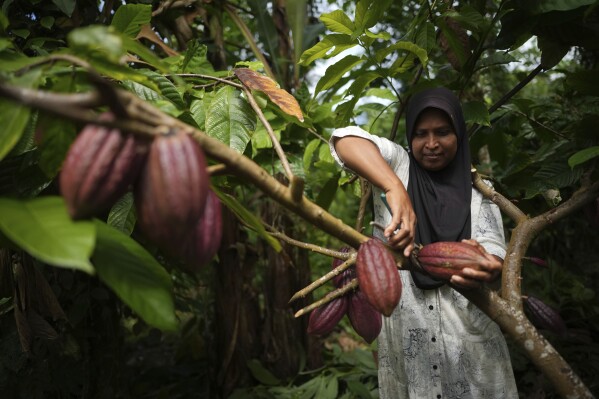
For decades, the cocoa industry has played a significant role in Southeast Asia’s agricultural landscape. Countries like Indonesia and Malaysia have emerged as vital players, contributing a substantial portion of the global cocoa supply. The region’s favorable climate conditions and fertile soils make it ideal for cocoa cultivation, fostering a growing market that supports local economies and meets international demand.
- Historical Development
The cocoa industry in Southeast Asia has had quite the evolution. Back in the day—think 19th century—colonial powers introduced cocoa to the region. Fast forward a bit and Indonesia, in particular, saw a boom in cultivation. We’re talking major expansion in both production and exports. Honestly, Southeast Asia’s now a serious contender in the global cocoa market, not just sitting on the sidelines.
- Current Market Trends
Across Southeast Asia, the cocoa market is witnessing notable trends that reflect changes in global consumer preferences. Factors such as the rising demand for sustainable and ethically sourced cocoa products have influenced production practices. Additionally, the region is seeing increased investments in technology and farming techniques to enhance yield and quality.
Development initiatives aimed at improving sustainability and productivity are reshaping the cocoa sector. Farmers are increasingly adopting eco-friendly methods, responding to a growing preference for organic products. Furthermore, innovations in processing techniques are enhancing the flavor profiles of cocoa products, capturing the attention of the gourmet chocolate market.
Indonesia’s Cocoa Production

If you ever peek behind the curtain of where your favorite chocolate bars begin their journey, Indonesia’s basically strutting down the runway. Not kidding—they’re one of the world’s cocoa powerhouses, just churning out beans like it’s a superpower. Some beans hit you with bold, earthy vibes; others are all fruity and surprising. No wonder chocolate makers and obsessed chocolate snobs are finally waking up and giving Indonesia the respect it deserves. Feels like the nation’s cocoa is finally getting its standing ovation.
- Key Regions for Cocoa Cultivation
Indonesia’s like nature’s secret recipe for growing cocoa. Imagine Sulawesi, Sumatra, and West Java—lush green, drenched in just enough rain, like the universe itself is rooting for chocolate. The land? Fertile as a daydream. The rain? Shows up right on cue.
Now, the farmers out there—they’re kind of like magicians, honestly. They don’t just plant cocoa trees; they work ancient magic, passing down secrets like family heirlooms. Every bean is a little piece of their story. If chocolate had a birthplace with a pulse, it’d probably be right there, under the wide Indonesian sky.
- Production Statistics and Economic Impact
Indonesia’s cocoa scene is less a quiet little farm operation, more a buzzing, chocolate-fueled engine powering the country. Behind those beans? Millions of farmers hustling, sweating, and basically running the show. Cocoa isn’t just padding the GDP. And let’s be honest, with the world’s unending sweet tooth, that demand isn’t fading anytime soon. Every time someone unwraps a candy bar, a village in Indonesia gets a little brighter. Now that’s some real-life magic.
Indonesia as a land of spicy sambal and wild beaches, is also knee-deep in cocoa beans—somewhere in the ballpark of 600,000 to 700,000 metric tons every single year. Yep, they’re flexing as the world’s third-biggest cocoa heavyweight. Picture about 1.5 million farmers out there, most of ’em running small setups, hands stained with cocoa—this isn’t just a job, it’s their bread and butter. So, beyond just pumping up the economy, this whole cocoa scene is basically the heartbeat of the villages.
Challenges Facing the Cocoa Sector in Indonesia

The Indonesian cocoa world is like a wild jungle gym, and everyone’s just trying not to fall off. Nature keeps throwing curveballs—rain one second, drought the next—while money issues nip at everyone’s heels. Farmers? Suppliers? They’re basically playing survival mode on expert level.
- Climate Change and Environmental Factors
At the forefront of these challenges is climate change, which adversely impacts cocoa yields through rising temperatures and erratic rainfall patterns. Additionally, land degradation and deforestation continue to pose significant threats to cocoa cultivation. Farmers face the following environmental issues:
- Plant disease outbreaks
- Soil fertility depletion
- Pest invasions
- Water scarcity
- Economic and Supply Chain Obstacles
Based on research, Indonesia’s cocoa scene is basically a rollercoaster you never quite signed up for. One minute, prices are climbing, the next they’re nosediving, and the roads—oh, the roads—are more pothole than pavement. Most of the beans come from small-scale farmers just doing their best to keep the lights on, and honestly, it’s a juggling act nobody asked for.
Then there’s the whole “modern farming” dream. Loans? Tech? Forget about it. These people are stuck with what they’ve got, and that means productivity crawls at a snail’s pace. Don’t even ask about transport—sometimes just getting the cocoa to market feels like sending it on an epic quest. If anyone’s hoping for a chocolatey golden age, somebody’s need to step up and sort out this beautiful mess. Until then, Indonesia’s cocoa industry stuck in the world’s longest waiting room.
Opportunities for Growth in the Cocoa Industry
Indonesia, where the air’s thick and sweet, and the ground practically begs for cocoa trees. It’s like nature’s own golden ticket. The world’s got a wild sweet tooth these days—chocolate everywhere, from hipster coffee shops to grandma’s secret stash. Indonesian farmers? They’re perched right on the edge of something big. If they throw in a dash of hustle—tinker with the harvest, sprinkle in some top-shelf quality—they could absolutely steal the spotlight. Seriously, the place is practically crackling with possibilities. Wouldn’t be shocked if the next chocolate legend is born right there, where the palms sway and dreams get sticky with cocoa.
- Sustainable Farming Practices
chocolate, but make it guilt-free—like, for real. Cocoa farmers getting wise to the whole “let’s not torch the jungle for a quick buck” thing, and instead, they’re mixing cocoa trees with all sorts of other plants. It’s not just trendy, it’s kinda genius. The soil gets a glow-up, the bugs chill out (without needing a chemical warfare budget), and the whole patch of land basically throws a biodiversity party.
The area of cocoa farming in Indonesia currently reaches around 1.5 million hectares. Organic farming? Yeah, it’s extra work, but it’s like giving Mother Nature a spa day instead of a slap in the face. The best part? People can’t get enough of that “ethically sourced” label—seriously, chocolate bar and people are lined up. So, not only does the planet get a breather, but cocoa farmers rake in the good vibes.
- Investment and Innovation
Above all, investment and innovation are vital for the continued success of the cocoa industry. Strategic financial backing can help farmers access modern technologies and participate in training programs, which can lead to better productivity and quality. Innovation in processing techniques and product development can create niche markets for unique cocoa-derived products. As the global cocoa market evolves, focus on innovation will enable Indonesian farmers to remain competitive and capitalize on emerging opportunities.
Tech is sprinting ahead, and the world’s gone wild for anything “eco-friendly”—so, why not bet big on cocoa? Imagine sinking some cash into research and suddenly having cocoa trees that basically shrug off disease and spit out beans like a jackpot machine. That’s not just good for local farmers, but it also gives Indonesia a serious shot at being the trendsetter in green cocoa. Basically, you get to help the planet and maybe eat more chocolate. Win-win, right?
Indonesia’s Role in the Global Cocoa Market
Once again, Indonesia has established itself as a significant player in the global cocoa market. As one of the top cocoa producers, Indonesia contributes substantially to the international supply chain, catering to both the rising global demand for chocolate and various cocoa derivatives. With favorable climatic conditions and a dedicated farming community, Indonesian cocoa farmers have positioned the country as a key supplier in Southeast Asia, influencing market trends and pricing structures worldwide.
- Export Dynamics
Indonesia’s cocoa game? Oh, it’s next level. We’re talking beans, butter, powder—if it’s got cocoa in the name, they’re probably exporting it. And they don’t just send it anywhere; they’ve buddied up with the top chocolate kings and queens around the globe. Picture a country with one hand shaking deals and the other showing off their eco-friendly, high-quality stash—it’s basically the cool kid at the global snack table. No shocker everyone wants a piece of the action. I mean, who can resist a good cocoa story with a twist of green vibes?
- Competition with Other Cocoa-Producing Countries
Against this competitive backdrop, Indonesia faces challenges from other cocoa-producing nations such as Ivory Coast and Ghana. These countries consistently dominate the market with larger production volumes and established reputations. As a result, Indonesian cocoa must navigate a landscape where price, quality, and sustainability are pivotal factors influencing buyer decisions.
It is necessary to note that the competition extends beyond just volume; factors such as farming practices, traceability, and sustainability certifications play a significant role in shaping consumer preferences. Indonesian producers are increasingly adopting innovative agricultural techniques and sustainability initiatives in an effort to enhance their market position.
The Future of Cocoa Farming in Indonesia
To ensure sustainability and growth in the cocoa industry, the future of cocoa farming in Indonesia hinges on innovative agricultural practices, technology adoption, and improved farmer education. As demand for cocoa rises, stakeholders must collaborate to enhance production efficiency and environmental stewardship. By focusing on these aspects, Indonesia can solidify its position as a leader in the global cocoa market while supporting local farmers’ livelihoods.
- Policy and Government Support
Indonesia’s government rolling up its sleeves, ready to play fairy godparent for cocoa farmers. They’re not just handing out pocket change, either—think real access to loans, hands-on tips so farmers can actually boost their harvests, and the kind of resources that make a difference. Plus, they’re paving roads, tossing research money around, and making sure the whole setup feels less like a risky bet. In a world where everyone’s scrambling to get ahead, these farmers finally have some wind at their backs.
- Trends in Consumer Preferences
Against the backdrop of rising health awareness, consumers are increasingly favoring sustainably sourced and high-quality cocoa products. This growing trend indicates a shift towards organic and fair-trade options, prompting Indonesian producers to consider the preferences of an environmentally-conscious market. As they adapt to these expectations, farmers are experimenting with practices that prioritize sustainability, which enhances their competitiveness in the global cocoa supply chain.
Understanding the evolving consumer preferences is important for Indonesian cocoa farmers to align their production with demand. As consumers seek transparency in sourcing and high-quality products, farmers who adopt sustainable and ethical practices can differentiate themselves in a crowded market. Moreover, this alignment with consumer values can enhance brand loyalty and ultimately drive sales in both local and international markets, paving the way for the future of cocoa farming in Indonesia.
Summing up
Dive into the wild world of Southeast Asian cocoa, and—boom—Indonesia’s strutting around like the rockstar of the bunch. Mother Nature handed them a golden ticket with all that steamy weather, and trust me, they’re using every drop of it. Farms are cropping up faster than gossip in a village, and the tech? Oh, they’re not stuck in the past; think drones, smart farming, and all that jazz.
But here’s the twist: it’s not all about fattening wallets. Nope. They actually care about their farmers, like, “let’s make life better” vibes, not just “get rich quick.” So, if cocoa were a concert, Indonesia’s totally headlining—lighting up the stage and making sure the whole crew gets an encore.