Table of Contents
By 2032, the cocoa powder biz is looking at a wild $34.9 billion. That’s nearly 5% growth every year—amzing, right? People just can’t get enough of the chocolatey goodness, especially in spots where chocolate used to be a rare treat and now it’s basically the new avocado toast.
If you’re eyeing cocoa powder for plant-based chocolate, listen up: grabbing any old cocoa powder just won’t cut it. This is your foundation, your MVP ingredient. Natural or Dutch-process? High fat, low fat? Single origin? Yeah, there’s a whole universe behind that dusty bag on aisle three. And, oh boy, don’t even get me started on processing methods and all those eco-friendly, “fair-trade” stamps that everyone’s flexing these days.
Bottom line—if you actually pay attention to these details instead of just winging it, your plant-based chocolate won’t just taste better. It’ll vibe with what people actually care about: killer flavor, some good karma, maybe even a little bragging rights. Don’t settle for basic. Make your chocolate something people actually remember.
Decoding Cocoa Powder Labels: What You Need to Know
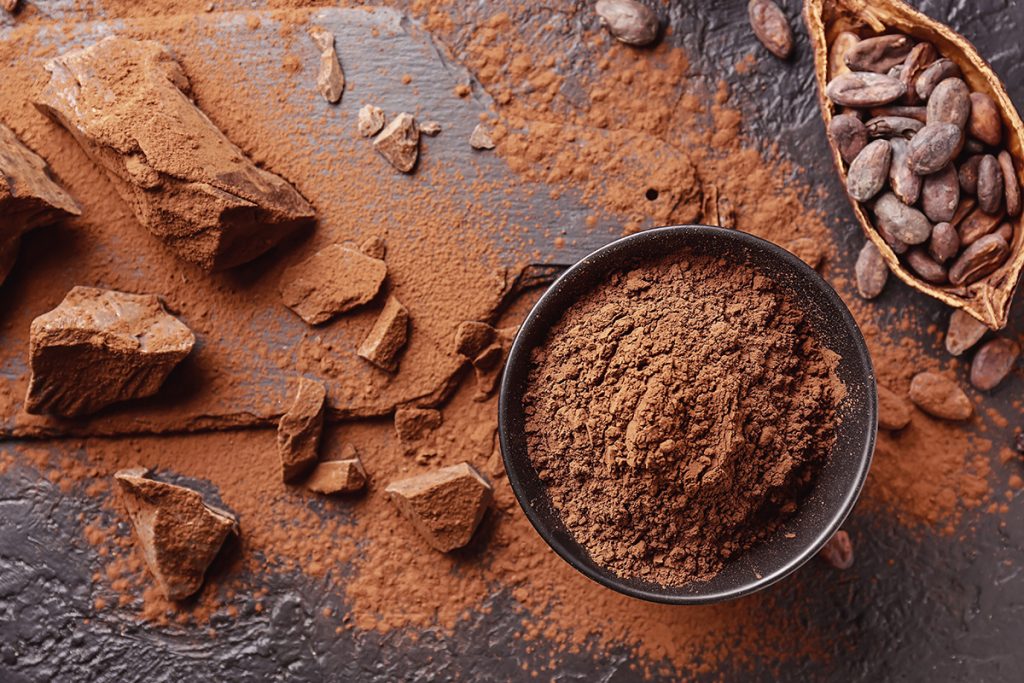
Cocoa powder labels are a jungle. You’ve got words like “Dutch-process,” “natural,” even “raw” just chillin’ there, and unless you’re a chocolate nerd, half of it sounds like marketing gibberish. But, honestly, those terms matter way more than most people realize—especially if you’re trying to whip up some plant-based chocolate magic at home.
Dutch-process? That’s your smoother, darker, less tangy stuff. Natural cocoa? Expect it to bite back a bit, all sharp and intense. “Raw” is for the health crowd, the folks who probably put cacao nibs in everything. Point is: if you actually care about how your chocolate turns out—flavor, texture, even, like, the vibe—don’t just grab the first brown tub you see. Read those labels, decode the lingo, and you’ll end up with chocolate that actually tastes how you want it. Otherwise, hey, you might be in for some chalky, sad brownies. Don’t say I didn’t warn you.
- Ingredient Sourcing: Single-Origin vs. Blends
Get to know that single-origin chocolate basically means you’re getting your cocoa beans from one spot—like, maybe a particular country or even one tiny farm. The flavor’s got attitude, you know? It’s all about the local weather, the dirt, and honestly, whatever magic the farmer’s working. That’s why bars from different places taste wildly different. Kinda like how wine snobs obsess over terroir.
Now, single-origin is for the folks who want to taste something bold or quirky—stuff you’ll remember. But if you’re churning out chocolate for the masses, you probably want to keep things predictable. That’s where blends roll in. Blended chocolate grabs beans from all over, sometimes even from different years. The goal? Smooth things out, keep the flavor steady, and make sure nobody’s surprised by a weird aftertaste. It’s less about spotlighting any one place, more about nailing that crowd-pleaser vibe.
- Deciphering Color and Fat Content: Understanding Variants
Cocoa powder’s color kinda spills the beans on how much it’s been processed. That pale, dusty stuff? Usually the straight-up natural kind, barely touched. The deep, rich, almost reddish-brown? Yeah, that’s the Dutch-processed version, all smoothed out and fancy. And don’t even get me started on fat content—it swings from, like, 10% to 24%. The more fat, the better the mouthfeel—it’s that silky, melt-in-your-mouth vibe everyone wants in good chocolate. Seriously, if you’re baking, knowing this stuff can totally change the end game.
Cocoa powder isn’t just “chocolate dust.” You’ve got light cocoa, which is kinda tangy, a bit acidic, and honestly, it just pops when you throw it together with baking soda. Makes your brownies taste like a million bucks. Then there’s dark cocoa, which, let’s be real, is the moody older sibling—smooth, deep, and all about that rich, almost decadent vibe.
Now, if you ever spot cocoa with, say, 20% fat, yeah, that’s the good stuff. Super creamy, melts on your tongue, and basically turns anything you bake into a fancy dessert. Oh, and let’s not even get started on the Dutch vs. natural cocoa debate. That’s like Marvel vs. DC for bakers. Dutch cocoa? It’s been alkalized, so it’s darker, mellower, and less acidic. Natural cocoa, on the other hand, is the wild child—lighter in color, sharper in flavor, and totally changes how your cake rises. Bottom line: picking your cocoa powder isn’t just a random choice.
The Impact of Processing Methods on Flavor and Quality

Honestly, the way you mess around with cocoa beans is the whole game-changer for your hot chocolate. Fermenting, drying, roasting, it’s basically the difference between something magical and something you want to spit out. Botch the roast, and bam, you’ve got yourself a cup of straight-up bitterness or some funky tang that nobody signed up for. Even the color starts getting weird if you don’t nail those steps, and that totally messes with how your vegan chocolate turns out—taste, texture, all of it. If you’re aiming for that god-tier plant-based chocolate, you can’t just wing it with the cocoa.
- Cocoa Powder for Plant-Based: Natural vs. Dutch-Processed
Natural cocoa powder for plant-based? That stuff keeps it real—original color, real-deal chocolate vibes, and yeah, there’s this little acidic kick that can actually make plant-based treats taste way more interesting. Now, Dutch-processed cocoa? Whole different beast. They basically hit it with an alkalizing process, so it turns out looking all dark and fancy, and honestly, it’s smoother—almost creamy.
But, you kinda lose a bit of that complex cocoa magic. People love it ’cause it’s easy on the taste buds, super mellow, but if you’re chasing those deep chocolate notes, you might be missing out. At the end of the day, it’s all about what flavor you’re after and what kind of thing you’re whipping up. Pick your fighter.
- The Role of Alkalization in Health and Taste
Alkalization significantly impacts cocoa powder’s taste, color, and health properties. This process, which neutralizes cocoa’s natural acidity, enhances its richness while yielding a more uniform dark color. However, it also reduces some antioxidant activity, which is a considerable consideration for health-conscious consumers. As the demand for high-quality, health-oriented products grows, striking a balance between the benefits of alkalization and maintaining the chocolate’s unique flavor is imperative for manufacturers.
Alkalization, while enhancing the visual appeal and smoothness of cocoa powder, can lead to a notable reduction in flavonoid content, which are compounds valued for their antioxidant properties. Studies show that Dutch-processed cocoa contains up to 50% fewer flavonoids than its natural counterpart, potentially impacting the health benefits often associated with cocoa consumption. Therefore, when formulating plant-based chocolate products, you should consider not just the impact on taste but also the nutritional value that consumers seek from natural ingredients.
Evaluating Purity and Additives: What to Look For

Quality of your choice of cocoa product, simplicity is key. The ingredient list should ideally consist of just one thing: cocoa powder. Any presence of additives—like sugars, artificial flavors, or hydrogenated oils—signals a processed product that may compromise both taste and nutritional value. In short, opt for brands that keep their formulas clean and straightforward; it’s a strong indicator of integrity and premium flavor. Always review the label carefully to ensure you’re selecting a product that you wanted.
- The Importance of Certifications: Organic, Fair Trade, and Beyond
Look, if you’re picking out cocoa powder, those little “organic” or “Fair Trade” labels aren’t just for show. You want the organic stuff? That means nobody’s been dumping weird chemicals or sketchy pesticides all over your chocolate fix—just good, old-fashioned farming. Fair Trade? Basically, it’s making sure the folks growing your cocoa aren’t getting totally ripped off. They get paid decently, and, in theory, that keeps things a bit more ethical and less guilts. So yeah, sure, the flavor might even be better, but honestly? It’s also about not feeling guilty every time you bake brownies.
- Avoiding Artificial Additives: Preservatives and Fillers
Let’s be real—if you want your cocoa to actually taste like cocoa, you gotta throw the bad containment. So much of the stuff on shelves is packed with weird fillers and chemicals. Maltodextrin? Sodium bicarbonate? Yeah, no thanks. Those just mess with the flavor and honestly, who needs extra nonsense in their chocolate fix?
Grab the pure stuff. I’m talking one ingredient: cocoa. That’s it. No mysterious powders, no preservatives with names you can’t pronounce. Seriously, just flip the bag over and check. Brands that actually care about quality keep it simple, and your taste buds will thank you. Don’t let sneaky ingredients crash your chocolate party. Just go pure and keep it real.
Balancing Flavor Profiles for Plant-Based Recipes
Achieving a harmonious flavor balance in plant-based chocolate recipes requires a keen understanding of various components. Cocoa powder itself, alongside sweeteners and fats, contributes substantially to the final taste. Specialty ingredients like vanilla extract and nut butters can enhance the cocoa’s natural flavor, while spices such as cinnamon or chili flakes can introduce unexpected yet complementary notes, leading to a more robust chocolate experience.
- Enhanced Pairings: Creating Depth with Other Ingredients
Pairing cocoa powder with ingredients such as spices, extracts, or fruits is necessary for creating layered flavors. For instance, adding a hint of coffee can intensify the chocolate’s richness, while a splash of almond extract might provide a warm undertone, enhancing the overall tasting experience. These thoughtfully chosen combinations can elevate a simple cocoa base into a multidimensional dessert that excites the palate.
- Adjusting Sweetness: How Cocoa Affects Recipe Dynamics
The natural bitterness of cocoa powder necessitates careful adjustment of sweetness in recipes. Depending on the type of cocoa used, whether it’s Dutch-processed or natural, the perceived bitterness can vary, prompting tweaks in sweetness levels. Noting that unsweetened cocoa may require more sugar in comparison to sweetened varieties ensures a more balanced outcome in plant-based desserts.
The balance between sweetness and bitterness can significantly influence overall recipe dynamics. Unsweetened cocoa powder generally offers higher acidity and bitterness, prompting bakers to compensate with additional sweeteners. For example, using maple syrup or agave nectar not only counters bitterness but also adds unique flavors. A recent study highlighted that recipes with a higher cocoa percentage can enhance flavor complexity while maintaining the appropriate sweetness levels, showing that understanding these nuances is key to successful plant-based chocolate recipes.
Sustainable Sourcing: Ethical Considerations in Cocoa Production
Sustainable sourcing in cocoa production encompasses practices that prioritize environmental health and social equity. Responsible growers focus on reducing their carbon footprint by implementing agroforestry techniques, promoting biodiversity, and ensuring that farmers receive fair wages. By choosing cocoa sourced from certified sustainable farms, consumers can make choices that bolster ethical labor practices and environmental stewardship, thereby influencing the market toward more humane and eco-friendly methods of production.
- The Environmental Impact of Cocoa Farming Practices
Cocoa farming, it’s messy. We’re talking forests getting axed, dirt turning crappy, and animals getting the boot from their homes. Old-school cocoa growers? They’ll bulldoze trees like there’s no tomorrow, all so you can have your chocolate fix. That means habitats get trashed, rare critters disappear, and—surprise—carbon emissions shoot up. Now, if you go the sustainable route, like planting cocoa under taller trees or mixing crops, things look a whole lot better. You keep the shade, the soil stays happy, animals don’t hate you as much, and, honestly, farmers can even pull in better beans.
- Supporting Fair Trade: Why it Matters for Consumers
Look, Fair Trade isn’t just a fancy sticker slapped on your chocolate bar—it’s actually a way for regular folks (like you and me) to put our money where our mouth is when it comes to treating farmers decently. When you grab that Fair Trade cocoa, you’re basically voting for better pay and safer working conditions for the people who actually grow the stuff. It’s not just about warm fuzzies either; it means farmers aren’t stuck at the mercy of wild market swings because they get a base price, no matter what. That kind of stability? Huge deal. Plus, Fair Trade’s got a thing for the environment and local communities, so you end up supporting farming that isn’t trashing the planet or leaving people in the dust. Win-win, honestly.
Understanding Fair Trade principles allows consumers to make informed choices that resonate with their values. The Fair Trade certification not only ensures that farmers earn a living wage, but it also mandates the use of environmentally friendly farming methods. With over 1.65 million farmers in the network, their collective purchasing power challenges unethical practices and promotes community development projects like schools and health clinics. This not only uplifts the individuals involved but also secures a more sustainable future for cocoa farming as a whole, making the purchase of Fair Trade cocoa a proactive step towards ethical consumerism.
Summing up
Picking cocoa powder for plant-based chocolate? It’s not rocket science, but you must think about a few things—like how good you want the flavor, how much fat you’re after, and whether you’re cool with all the processing magic. Honestly, springing for the good stuff—like organic, high-quality cocoa—just makes everything taste better. You’ll exactly taste the difference. Oh, and don’t sleep on the whole natural vs. Dutch-processed debate; it actually matters if you care about how your chocolate turns out. Make smart choices and your choice of vegan chocolate game just leveled up.