Table of Contents
The adaptability of dark compound chocolate in the confectionery industry may be something you’ve been curious about. With its diverse spectrum of flavors and textures, this unusual item is perfect for a number of uses. Dark compound chocolate can improve the flavor and appearance of truffles, batters, and coatings. The global dark chocolate market size was valued at USD 5.68 billion in 2024.
The market is projected to grow from USD 5.97 billion in 2025 to USD 8.98 billion by 2032, exhibiting a CAGR of 5.99% during the forecast period. You will learn how to do this. Discuss the various ways that dark compound chocolate can be used in confections in this piece, offering advice that will motivate both new and seasoned chocolatiers.
The Rich Flavor Profile of Dark Compound Chocolate
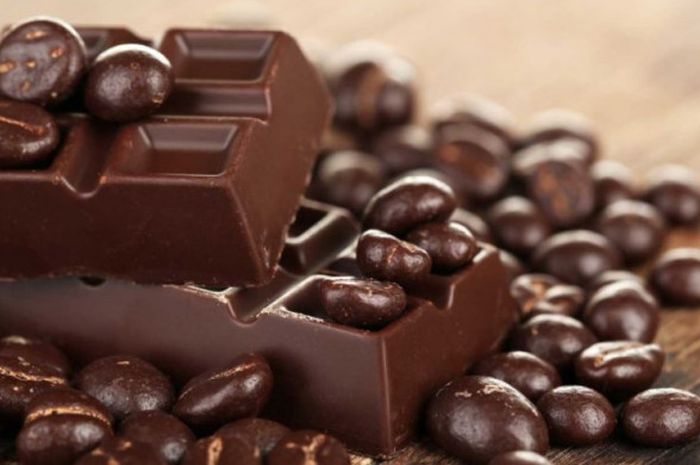
Dark compound chocolate isn’t just your average bar of sugar and cocoa. It’s like, the brooding artist of the chocolate world. You bite into it and there’s this wave of bold, almost mysterious bitterness, but right behind it? A whisper of sweetness, just enough to keep you coming back. No wonder pastry chefs love the stuff—it plays nice with basically anything. You can melt it over fruit, drown truffles in it, or just eat it straight when you’re feeling dramatic. Honestly, if chocolate had a cool, misunderstood cousin at the candy reunion, this would be it.
- Unpacking Taste: Bitterness, Hints, and Depth
Okay, here’s the lowdown. Dark compound chocolate, it taste like that bitter punch. But hang on, there’s always this undercover fruity vibe, maybe a touch of nuttiness, sometimes a little spicy kick lurking in the shadows. Seriously, the flavor swings are amazing, all depending on where those cocoa beans grew up or how generous they got with the cocoa percentage. Chocolatiers? Basically wizards in aprons, mixing and matching until they end up with something classic, or, you know, something that’ll make you question your entire chocolate existence.
- Aroma’s Role in Confectionery Appeal
Crack open a bar of dark compound chocolate, and boom—the smell hits you like a velvet hammer. Honestly, that rich, almost mysterious aroma is half the reason people go nuts for the stuff. It just kind of worms its way up your nose, making your mouth water before you’ve even taken a bite. And not all dark chocolate smells the same, either. The vibe shifts a lot, depending on how much cocoa’s crammed in there or if the makers got fancy with extra flavors. Sometimes you get deep, earthy whiffs, other times—bam!—it’s fruity or even a little spicy.
The elements in dark compound chocolate often include hints of roasted coffee, deep caramel, or even floral undertones, enticing consumers and drawing them into a deeper appreciation of the confection. For confectioners, understanding how these aromatic components interact with other ingredients—like fruits or spices—can lead to a more harmonious and appealing end product. Engaging the senses through both taste and smell enhances the overall enjoyment and can often lead to larger sales, highlighting the importance of thoughtful aroma design in culinary creations.
Crafting Confections: Techniques with Dark Compound Chocolate
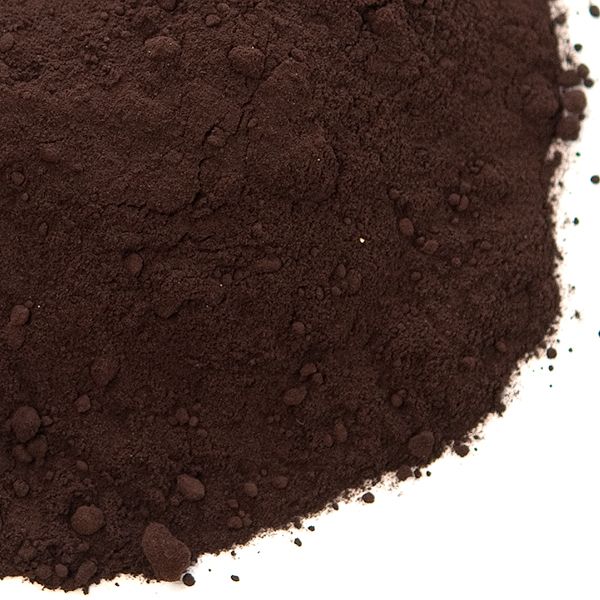
So, making drool-worthy chocolate isn’t just about tossing some cocoa in a bowl and hoping for the best. It’s part mad science, part art class. You’ve got to really get how to work dark compound chocolate if you want it to shine—literally and taste-wise. Some chefs? They treat chocolate like it’s their muse, getting all creative with molding, dunking, and stacking layers, making you wonder if you’re about to eat a dessert or a masterpiece smooth finish and glossy appearance.
And then there’s the whole hot-and-cold dance—tempering. Yeah, sounds fancy, but basically it’s about knowing just when to heat and cool so you end up with chocolate that snaps perfectly and has that glossy look that makes you want to Instagram it before eating.
- Molding and Enrobing: Best Practices
Molding and enrobing with dark compound chocolate requires finesse and precision. Professionals often recommend working with templates to ensure uniformity in shapes, achieving stunning results. A controlled temperature during melting is vital for optimal viscosity, while maintaining a proper cooling environment aids in creating a glossy shell. Incorporating flavors or fillings prior to sealing provides a creative edge, allowing for innovative combinations that surprise and delight the palate.
- Combining Textures: Balancing Creamy and Crunchy
Mixing creamy and crunchy in candy is just a total game-changer. Imagine biting into a chocolate and boom—silky ganache oozes out, but then you hit this crispy shell or, maybe, some roasted nuts hiding in there. Absolute bliss, right? It’s like your mouth gets a plot twist. And, honestly, when you see all those layers or that glossy finish with a little crunch poking through, it just looks fancy as hell. You remember those bites. Probably dream about them, too.
Confectioneries can provide their customers with a sensory experience by experimenting with the harmony between creamy and crunchy. For example, caramelized nuts and dark compound chocolate can create a pleasant contrast where the crunchiness of the nuts contrasts with the smoothness of the chocolate. For example, the well-known chocolate wrapped toffee combines the intensity of dark chocolate with the buttery richness of toffee. These tasteful pairings enhance the tasting experience and draw in a wide range of customers, demonstrating the dark compound chocolate’s adaptability in a variety of confections.
Functional Benefits: Why Confectioners Prefer Dark Compound Chocolate
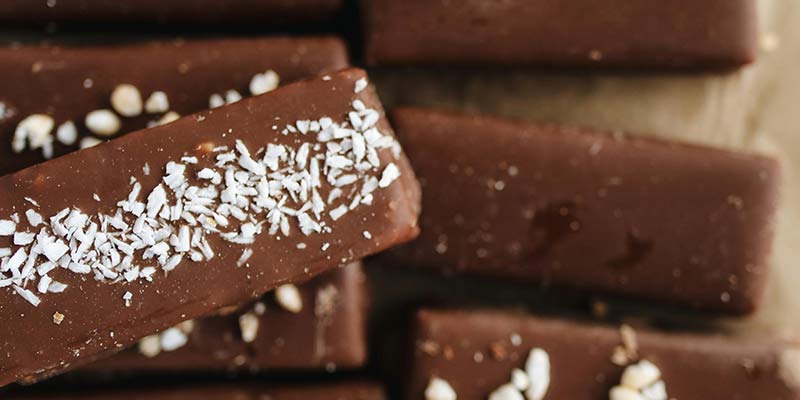
It’s no wonder a lot of candy makers reach for dark compound chocolate—it just makes life easier. You don’t have to fuss over tempering like you would with the fancy stuff, it melts at a lower temp, and it’s way cheaper than top-shelf chocolate. Toss it in a recipe, and boom, you’ve got something tasty that doesn’t break the bank.
If you just want a quick sugar fix, compound chocolate’s your buddy. But, hey, if you’re chasing more nutrients or want to feel a little smug about your health choices, you’re better off with the real deal—couverture chocolate. That’s where the good stuff hangs out.
- Shelf Stability and Easier Handling
Dark compound chocolate shines in terms of shelf stability, making it ideal for long-lasting confections. The inclusion of vegetable fats instead of cocoa butter allows it to withstand heat and humidity, reducing the risk of blooming and ensuring a visually appealing finish on chocolates. Additionally, its stability means confectioners can produce in larger batches without frequent quality checks, streamlining the production process.
- Nutritional Perks: Antioxidants and Lower Sugar Content
Choosing dark compound chocolate often means offering a product with lower sugar content and beneficial antioxidants, appealing to health-conscious consumers, stated by Journal from University of California. Manufacturers can balance sweetness without sacrificing flavor, catering to various dietary preferences. Dark compound chocolate doesn’t dump a ton of sugar into your system, which is honestly a win if you’re trying to eat a little smarter (or just wanna pretend you are). Plus, cocoa’s packed with antioxidants—yeah, those flavonoids everyone keeps raving about—which don’t just make it taste legit, but actually give you a health boost. There’s some research floating around that says they help fight off oxidative stress, so companies get to give a “good for you” sticker on the wrapper. Not a bad excuse to grab another piece, right?
Innovative Applications: Beyond Traditional Sweets
Dark compound chocolate is finding an exciting niche beyond traditional confectionery, captivating culinary enthusiasts and confectioners alike. Chefs are creatively integrating this robust ingredient into diverse products ranging from gourmet pastries to artisanal sauces. By pushing the boundaries of flavor and texture, they are crafting unique experiences that marry taste and aesthetic appeal, satisfying the increasingly adventurous palate of modern consumers.
- Dark Chocolate in Savory Treats
Savory applications of dark compound chocolate are emerging as an innovative trend, enticing food lovers with unexpected flavor combinations. This versatile ingredient enhances various dishes, including chili con carne, rich mole sauces, and even gourmet cheese pairings, where its bittersweet notes complement the umami aspects beautifully, creating depth and richness in each mouthful.
- Collaborations with Other Flavors: Unlikely but Tasty Pairings
Throwing dark chocolate together with weird flavors? Oh that’s where the magic happens. I’m talking sea salt, bacon—heck, even tossing in some cayenne if you’re feeling a little wild. It’s not just about being fancy for the sake of it; these combos straight-up mess with your taste buds in the best way. Forget the basic stuff. This is for people who want their snacks to be the best, not just sit there being boring.
Flavor pairings that might seem unusual at first glance can lead to delightful surprises. For instance, the combination of dark compound chocolate with smoky bacon introduces a savory element that plays off the chocolate’s inherent sweetness. Similarly, adding a dash of chili heat enhances the richness of the chocolate, contributing an exciting and bold kick. Notably, pairing dark chocolate with floral notes, such as lavender or hibiscus, creates a beautiful balance of sweet and fragrant, enchanting the taste buds and offering a multi-dimensional experience.
Consumer Trends: What Today’s Chocolate Lovers Want
Today’s chocolate connoisseurs are increasingly leaning towards dark chocolate options, appreciating not only its rich flavor but also its perceived health benefits. This shift indicates a growing awareness of nutrition among consumers, who are now more inclined to choose products that contain higher cocoa percentages, believing them to be more indulgent and satisfying. The rise of artisanal chocolate makers also reflects this trend, as they focus on creating unique blends that cater to the sophisticated palates of modern chocolate enthusiasts.
- The Shift Towards Dark Chocolate Preferences
People are waking up to the whole dark chocolate thing—like, suddenly everyone’s a connoisseur, looking for bars with enough cocoa to knock your socks off. You can totally see the hype building, too. Folks are ditching the basic milk chocolate and going for the “healthier” (quotes for a reason) dark stuff, probably because someone on TikTok said it’s better for you. Brands? Oh, they’re loving it. Now you’ve got flavors that sound like someone raided a spice cabinet after midnight—sea salt, chili, orange peel, whatever. It’s less about just eating chocolate and more about.
- Sustainability and Ethical Sourcing Influence on Choices
Chocoholics these days aren’t just grabbing whatever’s on sale at the checkout counter. Nope, people actually care where their chocolate comes from now. Fair trade, eco-friendly, all that? It’s not just marketing anymore. Folks wanna know their sweet tooth isn’t wrecking the planet or exploiting farmers. That means chocolate companies are scrambling to show off their green creds and prove they’re not the bad guys. Basically, if a brand’s still shady about where it gets its cocoa, good luck keeping customers around.
Big chocolate brands are finally waking up to the whole “don’t trash the planet and exploit people” thing. Look at Ghirardelli and Alter Eco—these guys actually brag about paying cocoa farmers fairly and not wrecking the environment while making your favorite treats. Wild, right? And get this: apparently, like 60% of people are cool with shelling out extra cash if their chocolate has that fancy “organic” or “fair trade” label slapped on it. Guess we all want to eat our feelings and still feel like good humans.
Conclusion
If you’re messing working with dark compound chocolate, you’re in for a treat. This stuff’s got range—like, you can toss it into fancy ganaches, slap it into handmade bars, or even go a little wild and sneak it into some savory recipes. Seriously, who knew chocolate could play nice with more than just sugar?
Once you get a feel for how it works—texture, melt, all that jazz—you’ll start leveling up your creations. Suddenly, your desserts aren’t just desserts, they’re “Whoa, what is this?!” moments for anyone who tries them. Whether you’re shooting for something classy or just want to surprise folks with an offbeat snack, dark compound chocolate totally delivers. It’s like the Swiss army knife of the candy world—can’t really go wrong.