Table of Contents
Based on data, 90% of global cocoa beans come from small, family-owned farms—most of them less than two hectares. Averaging just 600 to 800 kilograms of cocoa per year. Still, they’re the backbone of the chocolate industry, especially AI in the cocoa supply chain.
AI’s crashing the cocoa party, and, oh boy, it’s not just standing in the corner. Farmers, suppliers, retailers—they’re all geeking out, tossing AI into the mix like it’s the secret ingredient nobody saw coming. Suddenly, age-old headaches like “where did this bean even come from?” and “how do we keep this whole thing from falling apart?” are getting the high-tech treatment. We’re talking data flying in real-time, farmers crunching numbers instead of just eyeballing the soil, and machine learning playing quality cop. No more rolling the dice on whether the chocolate’s gonna taste like heaven or heartbreak.
The Role of AI in Cocoa Sourcing

AI is genuinely shaking up how cocoa gets sourced. Nowadays, farmers and suppliers aren’t stuck relying on old-school guesswork, they now try tapping into sophisticated algorithms that pinpoint the best regions for quality beans, cut down on waste, and keep every step of the process transparent. The result? Not only are relationships between growers and distributors getting stronger, but we’re also seeing higher quality products hit the market and trading practices that are actually fair. Honestly, it’s a win-win for everyone up and down the supply chain.
- Data Collection and Analysis
At its core. Let’s be honest, in the business of cocoa sourcing, AI’s not just a nice-to-have—it’s a game changer. We’re talking deep dives into everything from soil quality to those unpredictable weather swings, and yeah, the chaos of the global market too. With the right data at your fingertips, you’re ahead of the curve, spotting trends and making strategic moves before the competition’s even woken up.
Data science isn’t just a trend, its actually reshaping how companies operate. Instead of flying blind, organizations are digging into customer behavior and preferences, using real numbers, not hunches. Machine learning? It’s like having a crystal ball for inventory—especially with products that have a short shelf life. No more guessing how long those perishables will last; algorithms are on it, keeping tabs on temperature and making sure nothing goes to waste. And let’s talk weather data. It’s a game changer, especially for farmers and folks in the restaurant industry. With solid predictions, they can plan ahead—whether it’s managing soil nutrients or making sure the menu matches what’s fresh.
This is how the advance technology works. AI’s got its sleeves rolled up and its nose to the grindstone, always on the hunt for trouble before it even thinks about showing up—and. AI’s basically your gold key. It sorts through the chaos and hands you the good stuff: advice that actually means something, not just buzzwords in a PowerPoint. Bosses eat this up—who wouldn’t want to look like the supply chain wizard while the competition’s still untangling their spreadsheets? End of the day, smart tech is a must.
- Predictive Analytics for Supply Forecasting
For this era, data is the backbone of modern supply forecasting in the industry, also for coconut industry. Companies aren’t just guessing anymore what is works and what doesn’t. Company leveraging AI to sift through everything from historical yields to global economic shifts and unpredictable weather patterns. It’s all about staying ahead.
Two things, gathering and analyzing as much relevant data as possible, cocoa producers and suppliers can spot market trends. Predictive analytics gives them the power to sidestep risks—think shortages, or the opposite, warehouses packed with unsold beans—by making smarter calls on inventory and pricing.
Honestly, in today’s fast-moving market, this isn’t just a nice-to-have. It’s critical. When businesses use these tools right, they’re not just reacting—they’re setting themselves up to compete and thrive, no matter how wild things get in the supply chain.
Enhancing Cocoa Farming Practices with AI

Integrating AI into cocoa farming is a solid investment move. Focusing on smart tech in the mix, farmers aren’t just guessing anymore, AI data-backed decisions helps ramp up productivity and cut down on waste. You want higher yields and better sustainability? This is how you get there. Efficient resource management, improved crop quality, and a stronger bottom line. It’s not just a buzzword—it’s the future of the cocoa industry, plain and simple.
- Precision Agriculture Techniques
Precision agriculture is taking center stage. In this context, we’re not into traditional methods anymore. Now, AI are evaluating soil quality, monitoring crop health, and streamlining how resources are used. Devices, like drones and sensors aren’t just fancy add-ons—they’re gathering real-time data and letting AI spot the earliest signs of disease, whether it’s a change in color, texture, or even the structure of the plants. This isn’t about guesswork. Farmers get alerts the moment something looks off, so they can step in before problems spread. The best part? These systems offer recommendations tailored to what’s actually happening in the field, right now.
- Disease Detection and Pest Management
Managing pests and diseases is a constant challenge for cocoa growers—no one wants unexpected crop loss eating into their bottom line. With AI-powered solutions stepping in, farmers gain a solid advantage: these tools can flag potential threats early, making it possible to intervene before problems actually take hold.
Talking about real-time field data from sensors, satellite images, the whole tech toolkit. With this, growers can pinpoint where issues are starting and act fast—maybe it’s a targeted pesticide application, maybe it’s tweaking farming practices. The key point? You’re not just blanketing the whole field with chemicals anymore. This means less waste, healthier crops, and a cleaner environment all around.
Improving Quality Control through AI
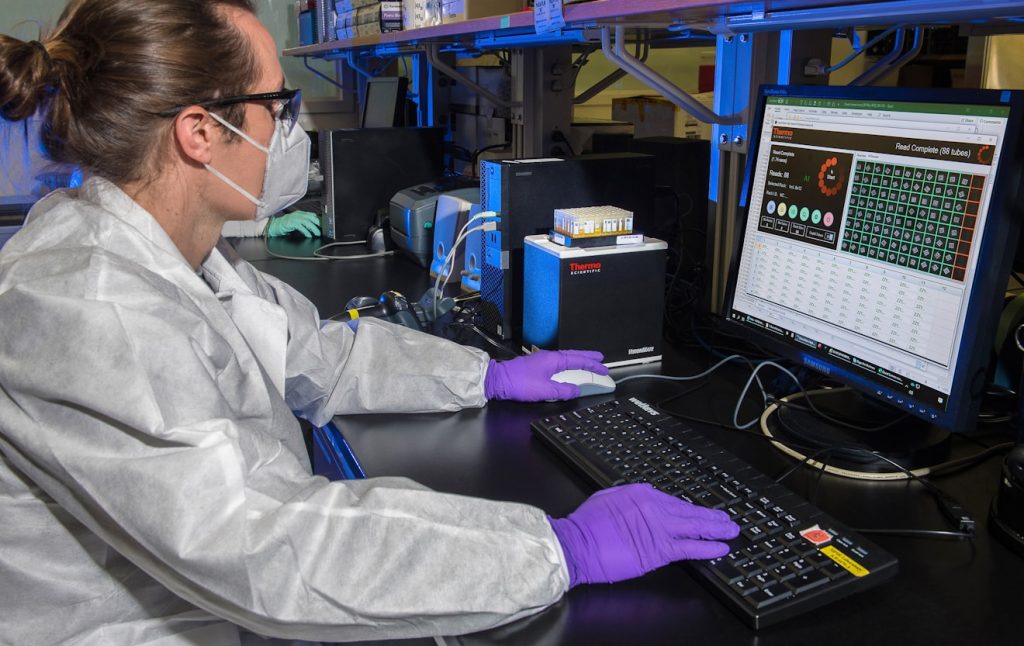
Maintaining top-tier quality across the cocoa supply chain is very important if you want to stay competitive. AI is transforming quality control in a big way. How it work? Systems, powered by advanced algorithms and machine learning—aren’t just catching defects; they’re proactively monitoring production, spotting inconsistencies, and helping companies keep product standards sky-high. For manufacturers, that means less waste, fewer costly errors, and a stronger reputation for delivering only the best cocoa beans to market. You have to aware of smarter tech, better outcomes, and a real edge in the industry.
- Sorting and Grading Innovations
Below the surface, sorting and grading innovations are transforming the way cocoa beans are evaluated. With advanced imaging technologies and AI algorithms, you can achieve finer distinctions between high-quality and inferior products. This automation reduces the time spent on manual labor and increases the consistency of grading, ultimately contributing to higher-quality products reaching the market.
Imagine, robots with laser eyes are now judging your cocoa beans. Thanks to fancy tech like computer vision and deep learning, chocolate makers get to play mad scientist—every single bean gets checked out faster than you can say “Willy Wonka.” And it’s not just fast, it’s freakishly precise. Now it’s all sci-fi smooth, every batch getting the same VIP treatment. No human flakiness, no guessing games—just pure, automated cocoa justice for grading cocoa.
Supply Chain Transparency and Traceability
Artificial intelligence is rapidly transforming transparency and traceability in the cocoa supply chain. Using advanced data analytics, you, as a stakeholders can now monitor cocoa beans on every detail. This kind of technology is what today’s consumers expect. It builds trust, holds everyone accountable, and pressures producers to stick to ethical, sustainable practices. On top of that, these insights help pinpoint inefficiencies and streamline operations. AI is driving a smarter, more responsible, and more sustainable cocoa industry.
- Blockchain and AI Integration
An innovative approach is the integration of blockchain technology with artificial intelligence, which is reshaping cocoa sourcing. This combination allows for secure, immutable records of each transaction in the supply chain, making it easy to verify the origins of cocoa products. Through AI, predictive analytics can enhance decision-making processes while blockchain ensures data integrity, thereby optimizing both efficiency and accountability in cocoa production.
- Ethical Sourcing Practices
Before integrating AI into cocoa sourcing, companies must prioritize ethical sourcing practices to ensure that the cocoa supply chain benefits all stakeholders involved.
The promotion of ethical sourcing practices encompasses a commitment to fair labor conditions, environmental sustainability, and community engagement. Companies are increasingly focusing on building direct relationships with farmers, providing them with fair wages and resources to improve their cultivation methods. They employ AI-driven insights to assess the impact of sourcing decisions on local communities and ecosystems. By fostering a more equitable cocoa supply chain, these organizations not only enhance their brand reputation but also contribute positively to the livelihoods of farmers and the health of the environment.
Challenges and Limitations of AI in Cocoa
Your understanding of AI in the cocoa supply chain must include the various challenges and limitations faced in this transformative process. While artificial intelligence holds promising potential, factors such as technological barriers, data privacy concerns, and adoption resistance can impede its full integration and effectiveness. Addressing these challenges is imperative for maximizing the benefits AI offers to cocoa sourcing and production.
- Technological Barriers
Rolling out AI in cocoa production isn’t as simple as flipping a switch. Plenty of farmers just don’t have the infrastructure—think reliable internet, up-to-date computers, the works. That’s a big hurdle. On top of that, these AI tools? They’re not exactly plug-and-play. So, you really need someone who knows their way around complex algorithms. The reality is, not every producer has the bandwidth or the training to dive into this tech right away, so adoption across the industry just isn’t moving as fast as you might hope.
- Adoption Resistance among Farmers
Across the cocoa-producing regions, resistance to AI adoption among farmers is pronounced. Many farmers are hesitant to transition from traditional methods to new technologies, which they may not fully understand or trust. Concerns about job displacement, loss of traditional knowledge, and skepticism about the effectiveness of AI-based solutions contribute to this resistance.
Farmers out in the fields, clinging to their tried-and-tested tricks like they’re sacred family recipes. I mean, would you toss grandma’s secret cocoa method just because some shiny new tech came knocking? Yeah, didn’t think so. Most of these folks aren’t exactly lining up for a crash course in AI, either. It’s not like anyone’s breaking it down for them—so of course, all this futuristic talk makes ‘em a bit jittery. Change is scary, especially when you’re not sure what’s in it for you… or if that robot’s gonna ruin your crop!
Future Outlook: AI’s Impact on the Cocoa Industry
If you’re not paying attention to how AI is weaving its way into the cocoa industry, you’re missing a major shift. We’re already seeing smarter yield predictions, improved quality checks, and supply chains running with way less friction. It’s a win for producers aiming for efficiency and for consumers expecting consistency. AI becoming essential for tackling industry challenges and pushing cocoa production toward more sustainable horizons.
- Long-term Sustainability Goals
An increasing focus on sustainability is shaping the future of the cocoa industry. Stakeholders are recognizing the importance of responsible sourcing and environmentally friendly practices. By adopting AI-driven solutions, they can work towards minimizing their ecological footprint while ensuring fair compensation for farmers. This shift not only benefits the environment but also enhances the social welfare of communities involved in cocoa production.
Let’s cut to the chase—the chocolate industry’s got sustainability on its mind, and AI is stepping in as a innovation. From growers to manufacturers to those of us fueling our workdays with chocolate bars, everyone’s zeroing in on eco-friendly solutions. AI isn’t just hype; it’s actively finding smarter, greener farming techniques and helping producers use resources more efficiently—think healthier soil, less wasted water, and a longer future for cocoa crops. It’s not just about protecting the planet. Companies can actually bolster their reputations and satisfy consumer demand for ethical sourcing.
Conclusion
AI is making some serious waves in the cocoa supply chain. You can see more streamlined sourcing and tighter production processes across the board. Using AI-driven tools, farmers or businesses are beneficial. Decision-making speeds up, yield forecasts get sharper, and quality control steps up a notch. The results? Farmers and consumers both stand to gain. Looking ahead, as these technologies keep advancing, we can expect even more sustainable practices to take root—so the outlook for the cocoa industry stays strong and promising.