
Table of Contents
It’s imperative for farmers and stakeholders in the cocoa industry to stay informed about new technology in cocoa production. Recent advancements, new technology in cocoa production including precision agriculture, genetic modifications, and smart farming technologies, are enhancing crop yields and sustainability. They offer methods to combat diseases and adapt to climate change, thereby securing the future of cocoa farming. In this blog post, you will explore these emerging technologies, highlighting their potential impact on cocoa production and the broader industry.
Overview of Cocoa Production Technology

A variety of innovative technologies now enhance cocoa production, aiming to increase yields, improve quality, and sustain the environment. Advances in biotechnology, precision farming, and digital tools assist farmers in monitoring and managing cocoa crops more effectively. These innovations not only improve productivity but also contribute to sustainable practices that benefit the ecosystem and local communities involved in cocoa cultivation.
- Traditional Cocoa Cultivation Practices
Above all, traditional cocoa cultivation practices have primarily relied on manual labor and age-old techniques, with farmers using their experience and knowledge to grow cocoa trees. He or she often plants the trees in mixed agroforestry systems, promoting biodiversity and sustaining soil health. While these methods have proven successful for generations, they may lack the efficiencies and productivity gains that modern technologies can provide.
- Challenges in Existing Cocoa Production Methods
Methods used in traditional cocoa production face several challenges, including low yields, susceptibility to disease, and climate change impacts. Farmers often struggle with outdated practices that limit their ability to adapt to changing conditions and market demands.
For instance, many farmers encounter issues such as increased incidences of pests and diseases due to a lack of integrated pest management techniques. Additionally, outdated irrigation methods can lead to inconsistent water supply, impacting crop health and productivity. As these challenges grow more pressing, the need for adopting modern agricultural technologies becomes evident. He or she recognizes the importance of transitioning towards more resilient farming practices that leverage science and innovation to ensure sustainability and profitability in cocoa production.
Innovations in Cocoa Farming

Assuming advancements continue at this pace, cocoa farming is becoming a tech-savvy industry. Farmers are increasingly integrating innovative solutions to enhance productivity and sustainability. Techniques such as agroforestry, incorporation of digital tools, and sustainable farming practices are reshaping the landscape of cocoa production.
- Precision Agriculture Technologies
Agriculture is entering a new era with precision technologies that allow growers to monitor and manage their crops more effectively. Utilizing drones, satellite imagery, and data analytics, farmers can assess soil health, optimize irrigation, and apply nutrients precisely where needed. This not only increases yields but also encourages sustainable farming practices.
- Genetic Improvement of Cocoa Varieties
Against the backdrop of climate change and pests, genetic improvement of cocoa varieties is emerging as a pivotal approach to enhancing resilience. By developing hybrids that possess desirable traits such as disease resistance and higher yields, breeders aim to secure the future of cocoa production in a shifting environment.
Further pursuing this genetic enhancement, researchers are employing traditional breeding techniques alongside biotechnological methods. This dual approach helps in accelerating the development of varieties that can thrive under various climatic conditions while maintaining the quality that consumers expect.
Sustainable Practices in Cocoa Production
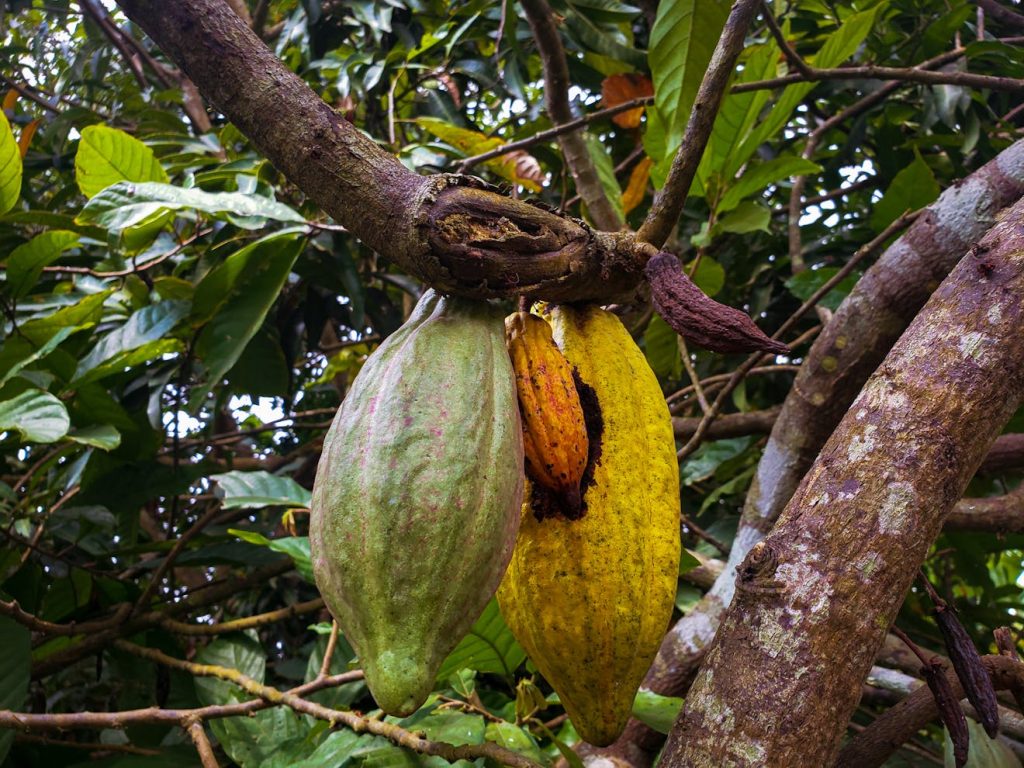
Any new technology adopted in cocoa production focuses on sustainability, ensuring that farming practices benefit both the environment and local communities. These practices not only enhance the yield and quality of cocoa but also promote biodiversity and protect forest ecosystems. By integrating sustainable methods, farmers can contribute to the longevity of cocoa farms while addressing climate change and preserving natural resources.
- Agroforestry and Cocoa Farms
Above all, agroforestry has emerged as a transformative approach within cocoa farms, combining cocoa cultivation with the growth of native trees and other crops. This method enhances soil health, increases shade for cocoa trees, and fosters biodiversity, leading to improved resilience in the face of environmental challenges. Farmers utilizing agroforestry report enhanced yields and greater ecosystem services, ultimately contributing to more sustainable cocoa production.
- Environmental Impact Mitigation
Against the backdrop of climate concerns, farmers are adopting various strategies aimed at mitigating the environmental impact of cocoa production, including sustainable land management and regenerative agriculture. These strategies prioritize soil conservation, reduce deforestation, and promote the use of organic inputs, creating a more balanced ecosystem conducive to cocoa growth.
Consequently, by implementing practices such as cover cropping and reduced tillage, farmers are not only improving their harvests but are also playing an imperative role in carbon sequestration and soil restoration. Furthermore, through partnerships with local organizations and initiatives that promote agroecological methods, they are fostering community engagement while enhancing their ability to respond to environmental changes. This holistic approach ensures that cocoa production remains viable for future generations while protecting the ecosystem.
Technological Advancements in Cocoa Processing
All the recent innovations in cocoa processing are transforming the way cocoa is produced and marketed. Advanced machinery and automated processes have increased efficiency, providing greater consistency in chocolate products. Techniques such as temperature-controlled fermentation and precision roasting have been developed to enhance flavor profiles, ensuring high-quality outcomes. By leveraging technology, producers are able to streamline operations, ultimately benefitting both manufacturers and consumers in the chocolate market.
- Fermentation and Drying Techniques
Beside traditional methods, innovative fermentation and drying techniques are emerging in cocoa processing. Automated fermentation systems allow for more precise control over temperature and humidity, leading to improved flavor development. Furthermore, advanced drying technologies, such as solar drying and microwave drying, reduce the time and labor involved while enhancing the quality of cocoa beans. These advancements not only optimize the supply chain but also ensure that the end product meets market expectations.
- Quality Control through Technology
An crucial aspect of modern cocoa processing involves utilizing technology for quality control. Implementing data analytics, sensor technology, and automated grading systems allows producers to monitor and enhance product quality efficiently. These tools enable constant evaluation of moisture levels, bean quality, and contamination, ensuring that only the best cocoa reaches the market.
Even with these advancements, the focus on quality remains paramount. By maintaining strict quality benchmarks through technology, producers can track and trace cocoa from farm to factory. Machine learning algorithms assist in predicting potential quality issues based on historical data, enabling proactive measures to be taken. This commitment to quality not only boosts confidence among consumers but also fosters healthier market competition in the cocoa industry.
Market Impact of New Cocoa Technologies
Many innovations in cocoa production are reshaping market dynamics and enhancing sustainability practices. These technologies broaden access to efficient farming methods, improve productivity, and ensure higher quality cocoa beans. As a result, they yield meaningful changes in pricing strategies and competitiveness within the global market, ultimately benefiting consumers, farmers, and stakeholders alike.
- Economic Benefits for Farmers
On adopting new technologies, farmers experience significant economic advantages, including increased yields and reduced costs. They can cultivate healthier cocoa plants through precision farming techniques and pest management systems. This leads to greater profitability and improved livelihoods, ultimately fostering economic stability and growth in rural communities.
- Global Cocoa Supply Chain Enhancements
Economic enhancements within the cocoa supply chain are evident as new technologies facilitate better tracking, traceability, and sustainability. Implementing blockchain, digital marketplaces, and AI-driven analytics allows stakeholders to access real-time information. This fosters transparency and trust among producers, buyers, and consumers, contributing to a more resilient global cocoa industry.
Technologies implemented in the cocoa supply chain, such as blockchain, enable seamless data sharing across all stages, from farm to consumer. With enhanced traceability, manufacturers can guarantee the origin and quality of cocoa products, which resonates with ethical consumers. Additionally, these advancements enable farmers to collaborate directly with buyers, reducing reliance on intermediaries and increasing their income. By leveraging AI and data analytics, stakeholders can optimize logistics, anticipate market demand, and reduce waste.
Future Trends in Cocoa Production Technology
For the future of cocoa production, emerging technologies promise to enhance sustainability, quality, and efficiency. Innovations such as precision agriculture and improved breeding techniques are on the rise, enabling farmers to optimize resources and increase yields. Additionally, advancements in genetic research could lead to cocoa varieties that are more resilient to diseases and changing climate conditions, securing the industry’s future in a more unpredictable environment.
- Automation and Robotics in Cocoa Farming
Behind the scenes, automation and robotics are beginning to transform cocoa farming. Automated systems for planting, harvesting, and processing cocoa are being developed to minimize labor costs and improve efficiency. These technologies can help farmers manage their operations more effectively, allowing them to focus on quality and sustainability while reducing the impact of labor shortages.
- Digitalization and Data Analytics
Trends in digitalization and data analytics are reshaping cocoa production through enhanced decision-making and resource management. By utilizing smart sensors and software, farmers can gather real-time information on soil conditions, crop health, and weather patterns, leading to better agricultural practices and increased productivity.
Data analytics allows cocoa producers to monitor their supply chains more efficiently, forecast demand, and manage risks associated with production and market fluctuations. By harnessing this information, they can make informed decisions that enhance profitability while ensuring sustainable practices, ultimately contributing to the overall growth of the cocoa industry.
Conclusion
Upon reflecting, it becomes evident that advancements in cocoa production technology are transforming the industry. Innovations such as precision farming, blockchain for supply chain transparency, and biotechnological improvements in disease resistance are enhancing both yield and sustainability. They allow farmers to optimize resources while ensuring high-quality cocoa. As these technologies continue to evolve, they promise to address challenges such as climate change and market fluctuations, ultimately benefiting both producers and consumers in the cocoa market.