Table of Contents
Surprising how often cacao pod side streams byproducts get overlooked and end up wasted. There’s untapped value sitting right there, and the industry’s only starting to pay attention. If you actually break down what’s inside those pods, you’ll find there’s a lot more than just the beans for chocolate—there are all sorts of components that can be put to good use. Companies looking to boost sustainability and cut waste should absolutely be exploring these side streams. We’re talking about real opportunities here, both for profit and for reducing environmental impact. This article takes a closer look at how cacao pod side streams can be transformed from waste into valuable assets, benefiting both the bottom line and the planet.
The Untapped Value of Cacao Pod Byproducts

Cacao pod byproducts—think husks, pulp, seeds—are usually just tossed aside, written off as waste. But that’s a missed opportunity if I’ve ever seen one. Look, these byproducts are basically untapped assets. These materials are loaded with valuable nutrients and compounds—honestly, there’s massive untapped potential here for developing new product lines. Smart businesses should recognize this as a chance to cut waste, boost sustainability, and, let’s face it, unlock some seriously attractive new revenue streams.
- Nutritional Benefits of Cacao Pod Waste
The nutritional profile of cacao pod waste is notably rich, containing important minerals, vitamins, and antioxidants. Specifically, cacao husks are known to be high in dietary fiber and flavonoids, which may support digestive health and have antioxidant properties. Furthermore, the pulp is high in carbohydrates and can serve as a source of energy, making these byproducts valuable for nutritional supplementation in various food products.
- Potential Health Applications in Functional Foods
The health applications of cacao pod waste have sparked interest in the development of functional foods that promote well-being. Incorporating cacao pod byproducts into products like beverages, health bars, and dietary supplements can enhance their nutritional value while delivering unique flavors. Current research indicates that the antioxidant properties of cacao-derived ingredients may contribute to cardiovascular health, improve metabolic function, and boost immune response, making them suitable additions to modern health-conscious diets.
Food companies are getting seriously innovative these days, turning what used to be cacao waste—like husks and pods—into valuable ingredients for products. We’re talking powders, extracts, the works. And it’s not just filler: cacao husk extract has actually been shown to help with cholesterol and blood sugar. There’s no denying it—natural, plant-based products are dominating consumer interest right now.
Transforming Waste into Wealth: Innovative Processing Techniques
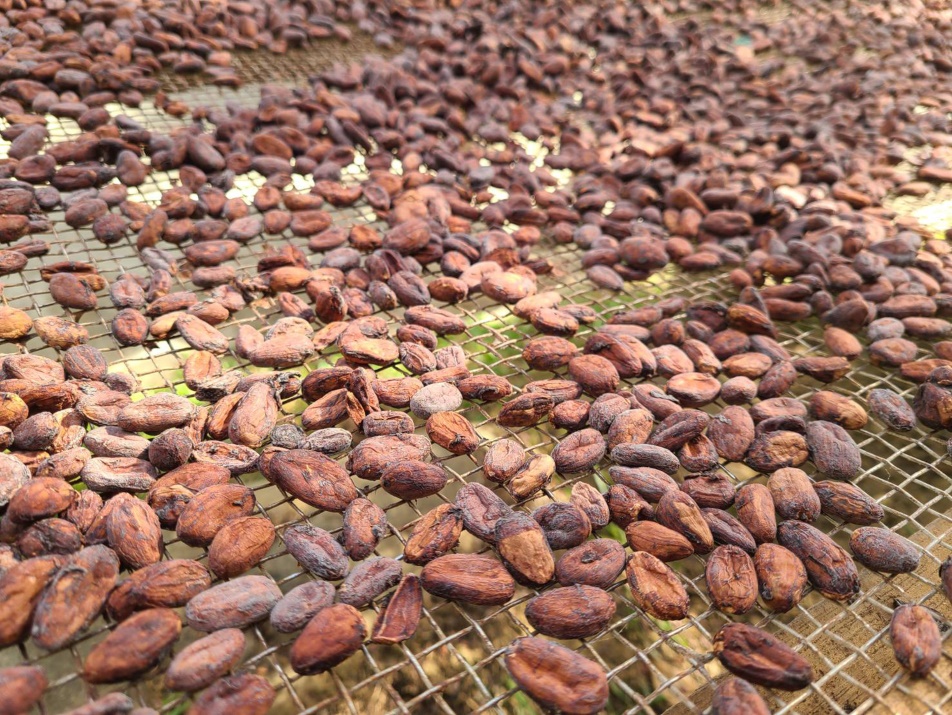
Innovative processing techniques are pioneering a new era in cacao pod byproduct utilization. By employing methods that efficiently convert waste into valuable goods, businesses are not only reducing their ecological footprint but also enhancing their profitability. For instance, techniques such as fermentation and enzymatic treatment are being explored to extract bioactive compounds from cacao waste, opening the door for nutraceuticals and functional food ingredients that can meet growing consumer demand.
- Methods for Extracting Valuable Compounds
Companies are getting pretty resourceful—using methods like solvent extraction, cold pressing, and hydrolysis to pull valuable compounds (antioxidants, flavonoids, polyphenols) straight from cacao pod byproducts. Instead of scrapping all that, they’re repurposing it as ingredients for health supplements and cosmetics. Honestly, it’s a savvy play. Not only does it open up new revenue channels, but it’s also a solid move for sustainability—something the industry seriously needs right now.
- Technological Advances in Waste Valorization
Technology is genuinely shaking things up in cacao waste management. The benefits are clear: higher yields, lower costs, and a much more strategic way to turn what was once considered waste into serious revenue. Honestly, if you’re not paying attention to these shifts, you’re missing out.
There’s some seriously innovative stuff happening with cacao pod byproducts right now. We’re talking biotransformation, microbiome engineering—the real next-level tech. By fine-tuning the microbial communities on these cacao residues, companies are turning what used to be waste into valuable products like enzymes and organic acids. And those aren’t just buzzwords; they’re genuinely useful across a bunch of industries. Instead of looking at leftovers as a problem, this approach squeezes out every bit of value and fits perfectly with the whole circular economy push—waste isn’t just waste anymore, it’s a resource waiting to be tapped.
Cacao Pod Byproducts in Sustainable Manufacturing
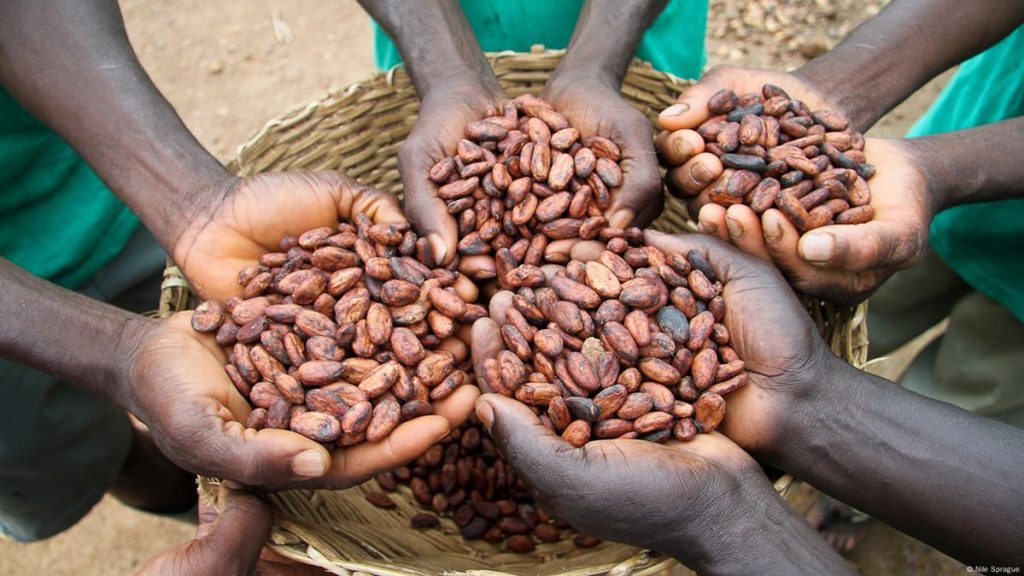
Cacao pod byproducts are starting to look like a smart move for sustainable manufacturing. Think about it—every year, the chocolate industry churns out mountains of pods, most of which just get tossed. Now, companies are waking up to the idea that these so-called leftovers—husks, shells, pulp—can actually be turned into valuable, eco-friendly materials. We’re talking biodegradable packaging, additives for various products, the whole nine yards. This approach doesn’t just cut down on waste; it gives manufacturers a real alternative to petroleum-based stuff and helps tighten up the circular economy in cacao production.
- Biodegradable Materials and Their Applications
Biodegradable materials derived from cacao pod byproducts have gained traction across multiple industries. Utilizing cacao husks and shells, manufacturers can develop products such as bioplastics, textiles, and organic fertilizers that degrade naturally over time. Research indicates that these materials can outperform conventional plastics in specific applications, such as packaging and agriculture, offering a more sustainable option without compromising performance or usability.
- Opportunities in Eco-Friendly Packaging Solutions
The rise of eco-friendly packaging solutions leveraging cacao pod byproducts aligns with the growing consumer demand for sustainable alternatives. They can be transformed into biodegradable packing peanuts, protective cushioning, and even food containers that offer comparable strength and durability to conventional materials. By incorporating cacao-derived materials, businesses can significantly reduce plastic waste while marketing their products as environmentally responsible. None of that plastic-hangs-around-for-centuries nonsense. And honestly, who isn’t into something that’s good for the planet and also makes you feel like you’re doing your part just by grabbing takeout? It’s smart, too, because people are way more into sustainable stuff now.
Economic Implications for Cacao Producing Communities
The economic landscape for cacao-producing communities is evolving with the incorporation of cacao pod side streams. By moving from a traditional model of waste management to one of resource utilization, these communities can experience enhanced economic benefits. Productivity increases and diversification of income sources, such as soaps, health products, and natural fertilizers derived from cacao pods, offer new revenue streams. This transformation not only elevates local economies but also contributes to community resilience in a climate-sensitive agricultural environment.
- Enhancing Income through Side Stream Utilization
Leveraging cacao pod byproducts is honestly shaking up local economies in a good way. Instead of tossing out those leftover pods, farmers and small businesses are finding new revenue streams—think fermentable syrups and similar products. It’s not just theory; studies show this can boost income by up to 30%. That’s a significant step forward. By offering these value-added products, producers aren’t just maintaining operations—they’re actively driving innovation and fostering entrepreneurial growth within their communities. This goes beyond standard business practices; it’s a more strategic and profitable way to approach the entire cacao value chain.
- Building Resilience in Global Supply Chains
Transforming cacao pod byproducts into sellable goods? That’s just good business sense. Let’s face it: narrowing your focus to just cocoa beans is a missed opportunity in today’s market. Companies that leverage the entire cacao pod are positioning themselves for stability and growth. When market prices fluctuate or the supply chain decides to act up (which, let’s be honest, is hardly rare these days), these businesses aren’t left high and dry—they’ve got diverse revenue streams to soften the blow. It’s not just about the big corporations, either. Local businesses and communities benefit from this approach, too. With more than one source of income, they’re better equipped to handle disruptions and keep operations running smoothly.
This resilience not only fosters economic stability but also strengthens relationships within the supply chain. Producers, manufacturers, and consumers all benefit from a system that is less prone to shocks, encouraging sustainable practices and continuous innovation. Furthermore, a diversified approach allows cacao-producing communities to engage meaningfully in global discussions on sustainability and trade, thereby ensuring that their voices are heard in shaping future policies and market trends.
Cultivating Consumer Awareness and Market Trends
Growing consumer awareness around sustainable practices is shaping market trends in the cacao industry. Customers increasingly demand transparency about sourcing and production methods, which has led companies to highlight the full utilization of cacao pods, including byproducts that would otherwise go to waste. This shift reflects a broader movement towards ethical consumption, where consumers seek products that align with their values of sustainability and environmental responsibility.
- The Rise of Conscious Consumerism in the Cacao Industry
Conscious consumerism is gaining momentum within the cacao industry as individuals prioritize ethical and sustainable choices. Trends indicate that consumers are willing to pay a premium for products that demonstrate responsible sourcing and production practices. This shift not only supports ethical farming but also encourages brands to innovate with cacao pod byproducts as a part of their sustainable narrative, appealing to this growing market segment.
- Strategies for Marketing Cacao Pod Byproducts
If you want to make cacao pod byproducts stand out in the market, you’ve got to get strategic. Don’t just sell the product, sell the story. Highlight the fact that these byproducts come straight from sustainable cacao farms—people love a brand with a conscience these days, and sustainability sells.
Education plays a big role here, too. Instead of just listing benefits, show potential clients and partners exactly how these byproducts can be used—think cosmetics, textiles, even innovative food products. A short demo, a real-world example, maybe a quick case study—these things go a long way. And then, there’s the power of collaboration. Team up with eco-friendly influencers or respected chefs. Let them develop new recipes or applications, and push those through their social channels.
Conclusion
Those cacao pods everyone used to treat as throwaway material? They’re starting to look like a serious business opportunity. Companies and researchers are rolling out new ways to convert these by-products into valuable resources, tapping into revenue streams that didn’t even exist before. It’s not just a win for sustainability—though that’s a major plus—it’s about boosting profits across the supply chain. Farmers stand to gain from this shift, too, since what used to be waste can now drive additional income.