
Many people look for simple, natural ways to improve daily health without relying on complex diets or expensive supplements. One common question is whether combining everyday ingredients like cocoa powder and milk can actually provide meaningful health benefits. The answer is yes—when used correctly, this combination can be both nutritious and enjoyable. Understanding cocoa powder benefits with milk can help you make smarter dietary choices that support energy, heart health, and overall wellness.
Cocoa powder, derived from Theobroma cacao, is rich in bioactive compounds such as flavonoids, while milk provides essential nutrients like calcium, protein, and vitamins. Together, they form a balanced drink that is not only comforting but also functionally beneficial. In this article, we will explore how this combination works, its nutritional advantages, and how to incorporate it into your daily routine effectively.
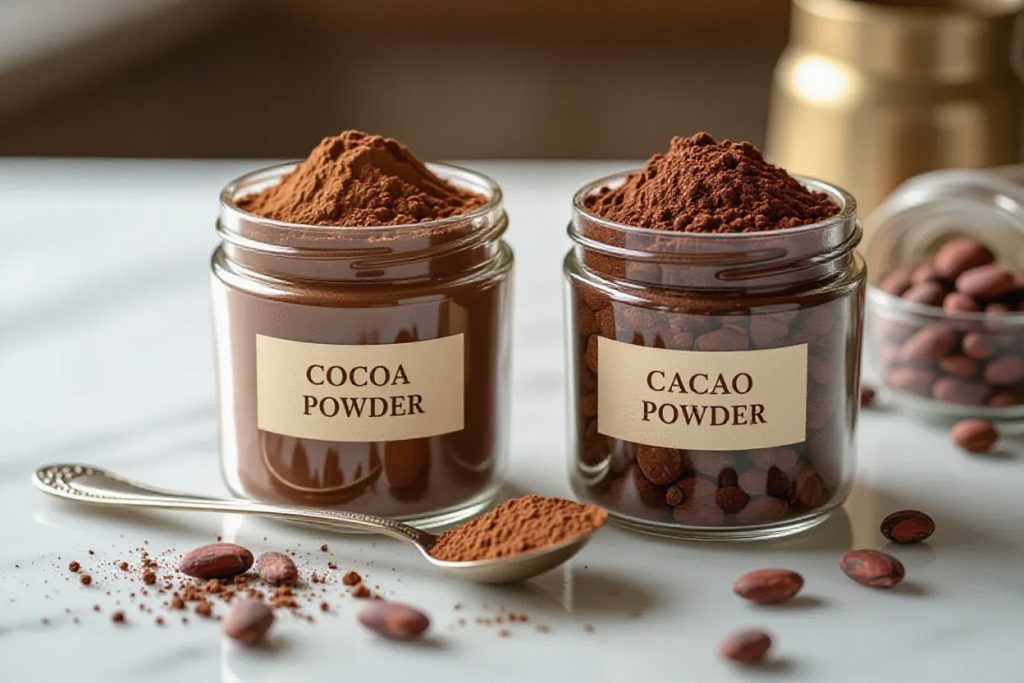
Cocoa Powder Benefits with Milk: Nutritional Synergy Explained
The concept of combining cocoa powder with milk is not new, but its nutritional synergy is often underestimated. Cocoa powder is naturally rich in antioxidants, particularly flavonoids such as epicatechin and catechin. These compounds are known to support cardiovascular health, reduce inflammation, and improve blood circulation.
Milk, on the other hand, is a well-rounded source of macronutrients and micronutrients. It contains high-quality protein, calcium, potassium, and vitamins like B12 and D. When cocoa powder is added to milk, the resulting beverage becomes a nutrient-dense option that delivers both immediate and long-term health benefits.
One of the key advantages of this combination is improved nutrient absorption. The fat content in milk can enhance the bioavailability of certain fat-soluble compounds found in cocoa. This means your body can utilize these beneficial compounds more efficiently. Additionally, the protein in milk helps stabilize blood sugar levels, making the drink suitable for sustained energy throughout the day.
Another important aspect is the balance of taste and functionality. Natural cocoa powder has a slightly bitter profile, while milk adds creaminess and mild sweetness. This makes it easier for individuals to consume cocoa regularly without adding excessive sugar, which is often found in commercial chocolate drinks.
For those interested in high-quality cocoa ingredients, sourcing matters. Choosing a reliable supplier like CocoaNusa ensures consistent quality, proper processing, and better flavor profiles that enhance both the nutritional and sensory experience.
Cocoa Powder Benefits with Milk for Heart Health and Circulation
One of the most researched aspects of cocoa powder is its impact on cardiovascular health. The flavonoids present in cocoa have been linked to improved endothelial function, which plays a crucial role in maintaining healthy blood vessels. When combined with milk, these benefits can still be retained, provided the cocoa used is of good quality and minimally processed.
Regular consumption of cocoa-based drinks may help lower blood pressure by promoting the production of nitric oxide. This compound relaxes blood vessels, improving blood flow and reducing strain on the heart. When milk is included, the added potassium content further supports healthy blood pressure regulation.
Additionally, cocoa powder contains compounds that may help reduce LDL (bad cholesterol) oxidation. Oxidized LDL is a key factor in the development of atherosclerosis. By incorporating cocoa powder with milk into your routine, you may contribute to better lipid profiles over time.
It is also worth noting that not all cocoa powders offer the same level of benefits. Natural cocoa powder typically contains higher levels of antioxidants compared to heavily alkalized (Dutch-processed) variants. If your goal is to maximize health benefits, choosing the right type of cocoa powder becomes essential.
Scientific discussions around cocoa’s cardiovascular benefits continue to evolve. For further reading on flavonoids and heart health, you can explore this Harvard T.H. Chan School of Public Health resource, which provides evidence-based insights into cocoa consumption.
Cocoa Powder Benefits with Milk for Energy, Mood, and Brain Function
Beyond physical health, cocoa powder with milk also offers cognitive and psychological benefits. Cocoa contains small amounts of caffeine and theobromine—natural stimulants that can enhance alertness without causing the jitteriness often associated with coffee.
The presence of flavonoids in cocoa has also been linked to improved brain function. These compounds may enhance blood flow to the brain, supporting memory, focus, and overall cognitive performance. When consumed regularly, cocoa-based beverages may contribute to long-term brain health.
Milk complements these effects by providing essential amino acids, particularly tryptophan. Tryptophan is a precursor to serotonin, a neurotransmitter associated with mood regulation and emotional well-being. This makes cocoa with milk a comforting option that can help reduce stress and promote relaxation.
Another interesting aspect is cocoa’s role in stimulating endorphin production. Often referred to as “feel-good” hormones, endorphins can improve mood and create a sense of well-being. This explains why many people naturally gravitate toward chocolate-based drinks during stressful periods.
For individuals with demanding routines, incorporating cocoa powder with milk as a mid-day or evening beverage can serve as a functional alternative to sugary snacks or highly caffeinated drinks. It provides a balanced boost of energy while supporting mental clarity and emotional stability.
Cocoa Powder Benefits with Milk for Daily Nutrition and Wellness
From a broader perspective, integrating cocoa powder with milk into your daily routine can contribute to overall nutritional balance. This combination offers a mix of macronutrients and micronutrients that support various bodily functions, from bone health to immune support.
Milk is widely recognized for its calcium content, which is essential for maintaining strong bones and teeth. When paired with cocoa powder, the drink becomes more appealing, especially for individuals who may not enjoy plain milk. This can be particularly beneficial for children and adults who need to increase their calcium intake.
Cocoa powder also contains minerals such as magnesium, iron, and potassium. Magnesium plays a role in muscle function and relaxation, while iron supports oxygen transport in the blood. Potassium helps regulate fluid balance and nerve signals. Together with the nutrients in milk, these elements create a well-rounded beverage that supports daily wellness.
For those managing dietary concerns, it is important to consider portion size and preparation methods. Using unsweetened cocoa powder and avoiding excessive sugar ensures that the drink remains a healthy choice. You can also explore plant-based milk alternatives if you have lactose intolerance, though the nutritional profile may vary.
Incorporating cocoa powder with milk does not require drastic lifestyle changes. A simple cup in the morning or evening can gradually contribute to better nutrition. Over time, these small habits can have a meaningful impact on overall health.
How to Maximize Cocoa Powder Benefits with Milk Safely
While the benefits are clear, it is important to approach consumption with balance and awareness. Not all cocoa products are created equal, and the way you prepare your drink can influence its health impact.
First, choose high-quality cocoa powder with minimal additives. Products that are heavily processed or contain added sugars may reduce the overall health benefits. Understanding the difference between natural and alkalized cocoa powder can help you make informed decisions based on your preferences and health goals.
Second, pay attention to portion control. While cocoa powder is nutritious, excessive consumption may lead to unwanted calorie intake, especially if combined with sweeteners. A moderate serving—typically one to two teaspoons per cup of milk—is sufficient to enjoy the benefits without overconsumption.
Third, consider individual health conditions. For example, people with kidney issues may need to monitor their potassium intake, as both cocoa and milk contain this mineral. Consulting with a healthcare professional can provide personalized guidance.
Lastly, timing matters. Drinking cocoa with milk in the evening can promote relaxation due to its mild stimulant content and mood-enhancing properties. However, if you are sensitive to caffeine, it may be better to consume it earlier in the day.
By making mindful choices, you can safely enjoy the full range of cocoa powder benefits with milk as part of a balanced lifestyle.
Conclusion: Cocoa Powder Benefits with Milk as a Smart Daily Choice
Incorporating cocoa powder into milk is more than just a comforting habit—it is a practical way to enhance your daily nutrition. From supporting heart health and improving mood to providing essential nutrients, the combination offers a wide range of advantages when consumed thoughtfully.
The key lies in quality, moderation, and consistency. By choosing reliable sources and preparing your drink with minimal additives, you can unlock the full potential of cocoa powder benefits with milk without compromising your health goals.
If you are exploring high-quality cocoa ingredients for personal or professional use, understanding sourcing and product specifications is essential. You can learn more about premium cocoa options directly from CocoaNusa, a trusted supplier focused on consistent, application-ready cocoa products.
Ultimately, small, consistent habits often lead to the most sustainable health improvements. A simple cup of cocoa with milk could be one of them—easy to prepare, enjoyable to consume, and beneficial in the long run.