A donut may look simple, but in commercial production, the glaze determines whether it becomes a repeat purchase or a forgettable snack. Uneven coating, dull shine, cracking surfaces, or unstable flavors can quickly undermine brand perception. For manufacturers and bakery chains, selecting the right Dip Glaze for Donuts: Chocolate, Tiramisu, Matcha, Blueberry & Specialty Flavor Applications is not just about taste—it is about texture stability, visual appeal, process efficiency, and shelf performance.
Dip glaze functions as both a sensory enhancer and a protective layer. It delivers flavor impact, adds visual differentiation, and influences moisture retention. From classic chocolate coatings to trend-driven flavors like matcha and tiramisu, each glaze type requires careful formulation to perform consistently in industrial environments.
This article explores how dip glaze systems work, how flavor variations behave in production, and what manufacturers should consider when developing scalable donut glaze solutions.
Understanding Dip Glaze for Donuts in Industrial Production
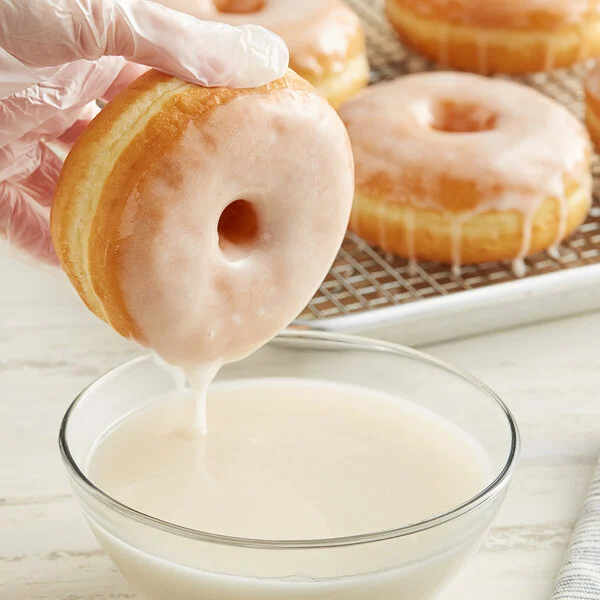
When evaluating Dip Glaze for Donuts: Chocolate, Tiramisu, Matcha, Blueberry & Specialty Flavor Applications, it is important to understand how dip glaze differs from other coating systems such as fondant icing or sugar glaze.
Dip glaze is typically a fat-based or compound coating designed to:
Provide smooth surface coverage
Deliver consistent shine
Set at controlled temperatures
Resist cracking during storage
Unlike thin sugar glaze that absorbs into the donut surface, dip glaze forms a defined outer layer. This creates a more pronounced flavor profile and a premium visual finish.
Key Functional Characteristics
In industrial donut production, dip glaze must meet several technical requirements:
Controlled viscosity for dipping or enrobing
Stable crystallization or setting behavior
Resistance to oil migration from fried donuts
Uniform color dispersion
Shelf stability without flavor degradation
Fried donuts naturally contain surface oil. If the glaze formulation is not compatible, oil bleed can cause dullness or separation. Therefore, glaze fat composition and emulsification must be carefully balanced.
Manufacturers sourcing donut coating solutions through professional ingredient partners, such as those featured at CocoaNusa’s official website (https://cocoanusa.com/), often evaluate melting point, viscosity range, and setting time before finalizing a glaze specification.
Industrial consistency depends on ingredient engineering—not improvisation.
Chocolate Dip Glaze for Donuts: Classic Appeal with Technical Precision
Among all variants within Dip Glaze for Donuts: Chocolate, Tiramisu, Matcha, Blueberry & Specialty Flavor Applications, chocolate remains the most demanded flavor globally.
Why Chocolate Dip Glaze Dominates
Chocolate dip glaze offers:
Familiar consumer appeal
Strong aroma and visual contrast
Compatibility with toppings such as sprinkles and nuts
However, chocolate glaze performance depends on fat system design.
In industrial contexts, compound chocolate coatings are often used instead of pure couverture. Compound coatings do not require tempering and offer more stable crystallization, making them ideal for high-volume donut lines.
Key Performance Factors
Viscosity Control
The glaze must be fluid enough for smooth dipping but thick enough to prevent excessive runoff.Setting Time
Quick setting improves line efficiency and reduces handling marks.Surface Gloss
A smooth, glossy finish enhances perceived quality.Thermal Stability
The glaze must remain stable in ambient display conditions without melting or blooming.
Chocolate dip glaze also interacts with donut surface moisture. Excess condensation may cause sugar bloom or surface dullness. Therefore, production environment control plays a critical role in achieving consistent results.
Tiramisu and Specialty Flavor Dip Glaze for Donuts: Premium Differentiation
As markets evolve, bakeries increasingly explore premium flavor profiles within Dip Glaze for Donuts: Chocolate, Tiramisu, Matcha, Blueberry & Specialty Flavor Applications to capture attention and elevate brand positioning.
Tiramisu Dip Glaze
Tiramisu-inspired glaze typically combines coffee notes, creamy sweetness, and subtle cocoa undertones.
Technical considerations include:
Flavor stability under mild heat
Uniform color blending
Prevention of flavor stratification
Coffee-based flavor compounds must remain evenly dispersed in the fat matrix to avoid uneven taste perception.
Additionally, tiramisu glaze may require lighter coloration than chocolate while maintaining opacity and smooth texture.
Seasonal and Limited Flavors
Specialty flavors allow bakeries to respond to trends and seasonal promotions. However, formulation must account for:
Color stability under lighting
Oxidation resistance
Consistent batch-to-batch flavor intensity
Flavor inclusions such as cocoa powder or coffee extract can influence viscosity. Adjusting emulsifiers and fat ratios ensures coating consistency.
Premium flavors can justify higher price positioning, but only if texture and finish meet consumer expectations.
Matcha and Blueberry Dip Glaze for Donuts: Color Stability and Flavor Integrity
Modern consumers increasingly seek visually distinctive products. Within Dip Glaze for Donuts: Chocolate, Tiramisu, Matcha, Blueberry & Specialty Flavor Applications, matcha and blueberry stand out for their vibrant hues.
Matcha Dip Glaze
Matcha-based glaze delivers earthy notes and natural green color. However, matcha powder is sensitive to:
Oxidation
Light exposure
High heat
To preserve color vibrancy, manufacturers must:
Use stabilized matcha extracts
Limit exposure to high processing temperatures
Optimize packaging against light degradation
Color fading reduces shelf appeal, so formulation stability is critical.
Blueberry Dip Glaze
Blueberry glaze may rely on fruit powder or flavor systems combined with natural or synthetic colorants.
Technical challenges include:
Maintaining bright purple tone
Preventing color bleeding
Balancing sweetness and acidity
Fruit-based flavors can introduce water activity variations, potentially affecting glaze setting. Therefore, moisture control and emulsification balance are essential.
Both matcha and blueberry glazes benefit from careful storage conditions and controlled distribution environments.
Production Efficiency and Process Optimization
No discussion of Dip Glaze for Donuts: Chocolate, Tiramisu, Matcha, Blueberry & Specialty Flavor Applications is complete without addressing production workflow.
Dipping vs Enrobing Systems
Industrial bakeries typically use:
Manual dipping lines
Automated dipping conveyors
Curtain enrobing systems
Each system requires specific viscosity and flow behavior.
If glaze is too thick, coating becomes uneven. If too thin, it drips excessively and increases waste.
Temperature Management
Dip glaze temperature must be precisely controlled. Overheating can:
Alter fat crystallization
Degrade flavor
Reduce gloss
Underheating can cause clumping and poor coverage.
Maintaining stable holding temperatures ensures uniform performance across production shifts.
Waste Reduction and Rework
Glaze that sets too quickly may form lumps in holding tanks. Continuous agitation and temperature monitoring reduce production downtime.
Optimizing glaze formulation not only enhances product quality but also improves operational efficiency.
Shelf Life, Packaging, and Market Performance
Long-term performance is a decisive factor in Dip Glaze for Donuts: Chocolate, Tiramisu, Matcha, Blueberry & Specialty Flavor Applications.
Oil Migration Control
Donuts contain residual frying oil. If glaze fat systems are incompatible, oil migration may occur, causing:
Surface dullness
Sticky texture
Packaging staining
Selecting compatible fat blends minimizes this risk.
Structural Integrity During Distribution
Glaze should resist cracking under:
Vibration
Temperature fluctuation
Stacking pressure
Proper crystallization and cooling ensure structural durability.
Consumer Perception
Color consistency, flavor clarity, and glossy finish strongly influence purchase decisions.
A technically optimized glaze supports brand consistency across outlets and distribution channels.
Fat crystallization behavior and oil migration in coated bakery products have been widely discussed in food science literature, including research and technical resources published by the Institute of Food Technologists (IFT).
Strategic Flavor Development for Competitive Advantage
Flavor diversification within Dip Glaze for Donuts: Chocolate, Tiramisu, Matcha, Blueberry & Specialty Flavor Applications allows bakeries to differentiate in crowded markets.
Classic chocolate remains foundational, but rotating premium flavors can:
Increase repeat purchases
Encourage seasonal promotions
Enhance product portfolio diversity
However, innovation should be supported by technical testing. Pilot-scale trials help evaluate:
Coating thickness
Setting time
Sensory acceptance
Storage stability
Working with ingredient suppliers that understand both flavor science and industrial baking processes can accelerate product development while minimizing risk.
Conclusion: Elevating Donut Quality Through Dip Glaze Innovation
In commercial bakery production, glaze is more than decoration. Dip Glaze for Donuts: Chocolate, Tiramisu, Matcha, Blueberry & Specialty Flavor Applications directly shapes flavor impact, visual identity, and operational efficiency.
Chocolate glaze offers reliability and broad appeal. Tiramisu and specialty flavors introduce premium positioning. Matcha and blueberry deliver vibrant differentiation. Yet across all variations, viscosity control, fat compatibility, and shelf stability remain critical.
Selecting the right dip glaze system requires attention to formulation, processing conditions, and distribution realities. When technical performance aligns with creative flavor strategy, donut products achieve stronger market presence and consistent consumer satisfaction.
Manufacturers aiming to refine their glaze applications may benefit from exploring ingredient specifications and professional bakery solutions tailored for scalable production environments.