Table of Contents
- The Importance of Cocoa Production in Indonesia
- Understanding Soil Contamination
- Phytoremediation: An Overview
- Soil Contaminants and Their Risks to Cocoa
- Specific Phytoremediation Plants for Cocoa Regions
- The Process of Implementing Phytoremediation
- Enhancing Safety and Quality of Cocoa Beans
- Current Research and Innovations in Indonesia
- Challenges and Limitations of Phytoremediation
- Integrating Phytoremediation with Other Practices
- Implications for Cocoa Buyers and Global Markets
- The Future of Cocoa Farming in Indonesia
- Case Studies of Successful Phytoremediation in Indonesia
- Final Words
With growing attention to soil contamination, he reviews phytoremediation methods deployed in Indonesia’s cocoa farms, she documents proven plant species such as vetiver and sunflower that extract heavy metals, and they assess monitoring protocols and post-remediation testing to confirm reductions in contaminants, presenting an evidence-based framework for implementation, timelines, and regulatory alignment that safeguards crop safety and market access.
The Importance of Cocoa Production in Indonesia
Overview of Indonesia’s Cocoa Industry
Indonesia remains a major cocoa producer, yielding roughly 600,000-800,000 tonnes annually, with Sulawesi contributing about 70% of national output; he or she working on smallholdings of 1-3 hectares forms the backbone, and they supply both domestic processors and export markets while fermentation and drying quality varies widely across regions.
Economic Contributions of Cocoa Farming
Cocoa provides livelihoods for around 1.5 million smallholder farmers and supports traders, transporters, processors and seasonal laborers; he or she who farms cocoa often relies on it as a primary cash crop, and they contribute significantly to rural incomes and export earnings that sustain provincial economies in Sulawesi and Sumatra.
Beyond direct farm income, cocoa generates multiplier effects across the value chain: estimated livelihoods for 4-6 million people depend on production, while local cooperatives and wet mills in districts like Enrekang and Polewali have improved price realization through better grading and collective bargaining, enabling higher household cash flow when he or she joins organized groups and they achieve consistent quality.
Challenges Facing Cocoa Farmers
Farmers confront aging trees, pests and diseases-notably black pod and vascular-streak dieback-alongside low yields, price volatility and limited access to finance or certified planting material; he or she frequently faces post-harvest losses from poor fermentation, and they struggle to meet stringent quality standards demanded by processors and international buyers.
Disease pressure and poor agronomy keep yields often below 700 kg/ha, far under potential, while replanting rates remain low because upfront costs and credit access are constrained; soil degradation and occasional contamination concerns add another layer, so cooperative-led extension, targeted input subsidies and phytosanitation programs have been piloted to help he, she and other producers increase productivity and market resilience.
Understanding Soil Contamination
Types of Soil Contaminants
Contaminants encountered in cocoa farms range from inorganic heavy metals to organic residues and physical pollutants; common offenders include cadmium, lead, organochlorine pesticides, petroleum hydrocarbons, and excess salts or nutrients. When he surveys affected plots, she documents visible symptoms and they commission lab tests to quantify concentrations and mobility before choosing phytoremediation species or soil amendments.
- Heavy metals (cadmium, lead, nickel)
- Persistent pesticides and legacy organochlorines
- Petroleum hydrocarbons and PAHs from spills
- Excess nutrients, eutrophication, and salinization
- Perceiving shifts in pH, texture, or odor often signals mixed contamination
| Heavy metals | Cadmium and lead: bind to fines, uptaken by cacao nibs, reduce market value |
| Pesticides | Organophosphates and organochlorines: persistent residues that affect soil biota and fermentation |
| Hydrocarbons | Diesel/oil spills: inhibit microbial fermentation and root growth |
| Excess nutrients/salinity | High N/P/K or salts: alter microbial communities and pod development |
| Physical contaminants | Plastic, glass, debris: impede drainage, alter microhabitats for seedlings |
Sources of Contamination
Industrial effluent, artisanal mining, improper agrochemical application, and unlined waste ponds are frequent sources near Indonesian cocoa zones; runoff from palm oil mills and nearby roadways also deposits hydrocarbons. When he traces contamination pathways, she checks irrigation and storage practices, and they map hotspots to prioritize phytoremediation trials.
Artisanal and small-scale mining and mixed agricultural landscapes create point and diffuse inputs: mercury or metal-bearing tailings from informal mines, cadmium carried in phosphate rock fertilizers, and pesticide drift from adjacent plantations. Case reports from mixed-use regions show soil metal loads at hotspots reaching multiple times local background, prompting buffer strips and soil testing protocols; he, she, and they commonly integrate upstream source control with on-farm phytoremediation to limit recontamination.
Impact of Soil Contamination on Crop Quality
Soil contaminants alter bean chemistry, fermentation dynamics, and safety profiles: cadmium accumulates in nibs, petroleum residues suppress fermentation microbiota, and excessive salts stress trees, lowering yield and flavor precursors. When he inspects drying beans, she notes off-aromas, and they segregate suspect lots for lab screening to protect buyer relationships.
Heavy metals can move from root to cotyledon depending on speciation and soil pH, leading to international compliance issues and rejection by premium buyers; organic residues change fermentation pathways, reducing desirable volatile compounds that define origin-specific flavor. Field interventions-phytoremediator planting, pH adjustment, and controlled irrigation-have restored usable yields in monitored plots, and he, she, and they use post-remediation testing to verify declines in bioavailable contaminant fractions before returning beans to higher-value supply chains.
Phytoremediation: An Overview
Definition and Principles of Phytoremediation
Phytoremediation uses selected plants to remove, stabilize, or transform soil and water contaminants; they exploit root uptake, rhizosphere microbial processes, and translocation to shoots for contaminant management, and he or she managing a farm chooses species and harvest regimes to match target pollutants and local conditions.
Types of Phytoremediation Techniques
Common techniques include phytoextraction, phytostabilization, phytodegradation, rhizofiltration and phytovolatilization, and they are chosen by he or she based on contaminant type, depth and time horizon; for Indonesian cocoa farms see How Can the Environmental Efficiency of Indonesian Cocoa Farms Be Increased.
- Phytoextraction – plants concentrate metals in harvestable shoots for removal.
- Phytostabilization – roots immobilize contaminants, reducing erosion and leaching.
- Phytodegradation – plant enzymes and microbes break down organic pollutants in soil.
- Rhizofiltration – root mats filter contaminants from irrigation runoff or pond water.
- Thou must plan biomass handling and disposal to prevent secondary contamination.
| Phytoextraction | Uptake of metals into aboveground biomass for harvest |
| Phytostabilization | Immobilization of contaminants in root zone to limit spread |
| Phytodegradation | Rhizosphere microbes and plant enzymes degrade organics |
| Rhizofiltration | Roots absorb or adsorb contaminants from water |
| Phytovolatilization | Volatilization of transformed contaminants via foliage |
Field and greenhouse studies show phytoextraction rates vary widely-typically 0.1-5 g metal·m²·yr⁻¹ depending on species and soil; they recommend combining fast-growing crops like Brassica or sunflower for annual removal with deep-rooted perennials for stabilization, and he or she must monitor seasonal uptake and soil nutrient status to optimize cycles.
- Species choice must match contaminant chemistry and local climate.
- Multiple seasons are often required; timelines can range from 2 to 10 years.
- Integration with agroforestry can maintain income while remediating land.
- Regular soil and tissue testing guides effectiveness and harvest timing.
- Thou should budget for monitoring, biomass disposal and potential soil amendments.
| Sunflower (Helianthus) | Effective for some heavy metals and radionuclides in topsoil |
| Indian mustard (Brassica juncea) | High uptake of Cd, Zn and Pb in temperate to tropical trials |
| Vetiver (Chrysopogon) | Exceptional root mass for stabilization and erosion control |
| Poplar/Willow | Fast growth, deep roots; useful for organic contaminants |
| Hyperaccumulators (Thlaspi, Alyssum) | Specialized uptake for Ni and other metals in small biomass |
Advantages of Phytoremediation for Cocoa Farms
Phytoremediation offers low-cost, low-disturbance remediation suitable for smallholders; they can maintain shade trees and cover crops while reducing contaminant mobility, and he or she managing a plot may reduce remediation costs by 20-70% compared with excavation depending on scale and contaminant.
Operationally, phytoremediation fits agroforestry: interplanting vetiver or deep-rooted trees with cocoa reduces erosion and stabilizes metals while annual phytoextraction crops accelerate contaminant removal; they should expect multi-year timelines and he or she will need clear protocols for biomass testing and safe disposal to ensure cocoa beans remain within food-safety limits.
Soil Contaminants and Their Risks to Cocoa
Cadmium: The Major Concern
Cadmium accumulates in cocoa beans more readily than many crops and often determines market access: the EU, for example, sets maximum cadmium levels for cocoa products (cocoa powder ~0.6 mg/kg; chocolate limits vary with cocoa content). In Indonesia, hotspots such as parts of Sulawesi have produced bean concentrations approaching or exceeding those thresholds, forcing processors to blend or reject lots. If a farmer tests soils showing total Cd >1 mg/kg, he or she faces elevated uptake risk and they must consider phytoremediation, liming, or sourcing shifts.
Other Contaminants: Lead and Arsenic
Lead and arsenic are less frequently the primary issue in cocoa but can spike near mining, artisanal processing, or heavy-traffic zones; lead often arises from atmospheric deposition and equipment, while inorganic arsenic derives from contaminated irrigation or legacy mining. Cases near tin and base-metal operations in Indonesia have shown bean or soil positives that prompt targeted mitigation, and if detected they trigger stricter testing and possible market rejection.
More detailed monitoring reveals different uptake and health profiles: lead is a potent neurotoxin with no safe childhood exposure, and inorganic arsenic carries carcinogenic risk at chronic low doses. They behave differently in soil chemistry-lead tends to bind to organic matter and insoluble phases, reducing plant uptake, whereas arsenic mobility increases in flooded or acidic conditions. Remediation approaches therefore diverge: phytoextraction and soil washing can address lead hotspots, while changing irrigation, redox conditions, or applying iron amendments better limits arsenic availability. He or she managing a farm must tailor interventions; they often combine soil amendments, phytoremediation species, and supply-chain testing to keep finished-product levels within buyer requirements.
Regulatory Frameworks Governing Contaminant Levels
Importers and standards bodies set the practical limits growers must meet: the EU regulates cadmium and other heavy metals in cocoa products, Codex Alimentarius provides international reference levels, and national agencies like Indonesia’s BPOM align testing and enforcement with those standards. Many buyers impose stricter internal limits and they require batch testing, traceability documentation, and corrective action plans when results approach regulatory thresholds.
Enforcement relies on product-level limits rather than raw-bean thresholds in many jurisdictions, so processors test at multiple stages-beans, liquor, powder-to demonstrate compliance. Sampling protocols (composite samples, accredited labs, and limits of detection <0.01 mg/kg for trace metals) determine whether a shipment passes. Economic consequences are concrete: rejected consignments or mandatory blending to dilute elevated lots reduce price and traceability; as a result, exporters in Sulawesi and Sumatra have adopted pre-export soil mapping, routine cadmium screening, and supplier segregation to avoid non-compliance. They often pair these measures with on-farm phytoremediation trials to lower long-term risk.
Specific Phytoremediation Plants for Cocoa Regions
Selection Criteria for Phytoremediation Species
Species selection focuses on measurable traits: a bioconcentration factor (BCF) and translocation factor (TF) above 1 for cadmium, high shoot biomass for efficient removal, root depth greater than 1 m to access cocoa subsoil, tolerance to acidic soils (pH 4-6), and non-food status to avoid entry into the food chain; he or she designing interventions must also weigh propagation ease, seasonality, and compatibility with cocoa shade trees.
Specific Plants Suited for Cadmium Uptake
They include known hyperaccumulators and high-biomass species: Noccaea (Thlaspi) caerulescens for strong Cd uptake under temperate conditions, Brassica juncea (Indian mustard) and Helianthus annuus (sunflower) for rapid topsoil extraction, Vetiveria zizanioides for deep-root stabilization and tolerance to pH 4-8, and Pennisetum purpureum (napier/elephant grass) for biomass-based phytostabilization.
Comparatively, Brassica juncea and Helianthus annuus offer fast growth and annual harvests that remove shoot-bound Cd within 1-3 crop cycles, while vetiver provides long-term stabilization with roots penetrating 2-3 m to reduce leaching and erosion. Noccaea caerulescens yields very high shoot Cd concentrations in controlled studies but often requires temperate trial conditions, limiting full-field use in Indonesia; farmers typically combine annual extractors (mustard, sunflower) with vetiver or napier for sequential extraction plus stabilization, and then manage contaminated biomass via secure incineration or controlled disposal.
Integrating Phytoremediative Plants in Cocoa Farming
They are best deployed as contour vetiver strips (plugs at 20-40 cm spacing), alley-crop mustard or sunflower during fallow years, and napier grass on field margins; he or she managing the plot should schedule planting during the cocoa replanting window, maintain annual soil testing, and avoid planting food crops in treated strips to prevent Cd entry into the human food chain.
Operationally, baseline soil sampling at 0-20 cm and 20-40 cm precedes planting, then annual testing tracks reductions; rapid-removal species are harvested every season (sunflower/mustard shoots), whereas vetiver is maintained as a permanent barrier with selective biomass removal. Combining phytoremediation with liming or organic amendments can adjust bioavailability, and pooled farmer cooperatives or government programs often cover costs for hazardous-biomass disposal, monitoring, and technical training to ensure remediation timelines of multiple seasons are met.
The Process of Implementing Phytoremediation
Field teams often pair phased planting with targeted soil tests and reference protocols (see From chocolate to palm oil: The future of Indonesia’s cocoa …) to sequence remediation before replanting cocoa, integrating local extension services and export-quality benchmarks into each phase.
Steps in Soil Assessment and Plant Selection
Teams collect composite topsoil samples (0-30 cm) on a 20-40 sample grid per hectare, analyze Cd, Pb, As, pH and organic matter, then match hyperaccumulators-sunflower (Helianthus annuus), Indian mustard (Brassica juncea), vetiver and selected grasses-to pollutant profiles; agronomists report that pilot plots with vetiver handle erosion while annuals remove soluble metals within 6-12 months. A farmer may decide; he or she will select plants, and they should record baseline data.
Implementing Phytoremediation Strategies
Implementation begins with site preparation: liming for pH adjustment if needed, planting annual hyperaccumulators in the rainy season for 6-12 month cycles, and establishing perennial grasses for 2-5 year stabilization; spacing and rotation depend on crop choice and local trials, while concurrent use of amendments like biochar can increase metal retention and biomass uptake.
Operationally, crews schedule harvests for biomass containing accumulated metals and transport that material to secure disposal or controlled incineration to prevent re-release; they may inoculate seedlings with mycorrhizae to boost uptake, interplant with cover crops to reduce erosion, and run small-scale demonstration plots-for example a Sulawesi pilot used annuals in rotation to accelerate remediation before gradual cocoa reintroduction.
Monitoring and Evaluating Effectiveness
Monitoring follows a baseline, then regular sampling every 6-12 months: soil tests for target metals, plant tissue assays to calculate removal rates (mg/m2/season), and control plots to isolate treatment effects; data feed into adaptive decisions about continuing remediation, switching species, or starting phased cocoa replants once export-grade thresholds are met.
Data management combines GIS-mapped sample points, trend analysis of soil and tissue concentrations, and quality assurance protocols; they use removal-rate calculations and cost-benefit checks to decide when remediation has reduced risks sufficiently, while extension agents ensure results align with buyer standards and community health monitoring.
Enhancing Safety and Quality of Cocoa Beans
Mechanisms of Reducing Cadmium in Cocoa
They employ phytoremediation pathways-phytoextraction with hyperaccumulators, phytostabilization with deep-rooted grasses, and rhizosphere amendments such as lime or biochar-to lower DTPA-extractable cadmium; pilot trials in Indonesian plots reported 20-50% reductions in bioavailable Cd over 2-3 seasons, while combined use of mycorrhizal inoculants and soil pH management commonly shifts Cd from plant-available pools into more stable mineral fractions, reducing root uptake into developing pods.
Influence on Flavor and Quality of Cocoa Products
They found that cleaner soils lead to more consistent fermentation dynamics and fewer off-flavor precursors; a quality manager reported that small sensory panels recorded roughly 10-15% higher flavor preference for beans from remediated plots, with clearer fruity and chocolate notes and reduced green/astringent tones that often derive from stressed trees and polluted soils.
He observed that improved soil chemistry directly affects bean biochemistry-higher soil Ca and stable pH promote uniform sugar and amino-acid profiles important for Maillard reactions during roasting-while she noted cooperative trials in Sulawesi where controlled fermentation of remediated beans produced a tighter range of fermentation temperatures and pH curves, yielding repeatable flavor attributes that buyers favor and that reduce batch rejections.
Long-Term Benefits for Export Markets
They gain market access as bean cadmium levels fall within common import thresholds (frequently cited around 0.6-0.8 mg/kg for cocoa powders) and buyers increasingly demand traceable, low-Cd supply chains; exporters in pilot programs reported double-digit percentage improvements in acceptance rates and early price premiums of about 5-15% for certified low-Cd lots.
He emphasizes that remediation creates durable commercial advantages: sustained lower Cd levels simplify compliance with EU and US buyer specifications, she points out that consistent quality supports branding and traceability programs, and they together note that long-term investments reduce testing failures, expand access to premium markets, and enable contracts with specialty chocolate makers seeking reliably low-metal raw material.
Current Research and Innovations in Indonesia
Ongoing Studies on Phytoremediation Techniques
Researchers at IPB, UGM and BRIN are testing vetiver, sunflower, Pennisetum and Brassica in pilot plots across Sulawesi and Java; they combine phytoextraction with biochar and compost amendments, documenting topsoil reductions in cadmium and lead of up to 25-30% within 12-18 months in several trials and refining harvest timing to maximize metal removal without harming cocoa shade trees.
Collaboration between Universities and Farmers
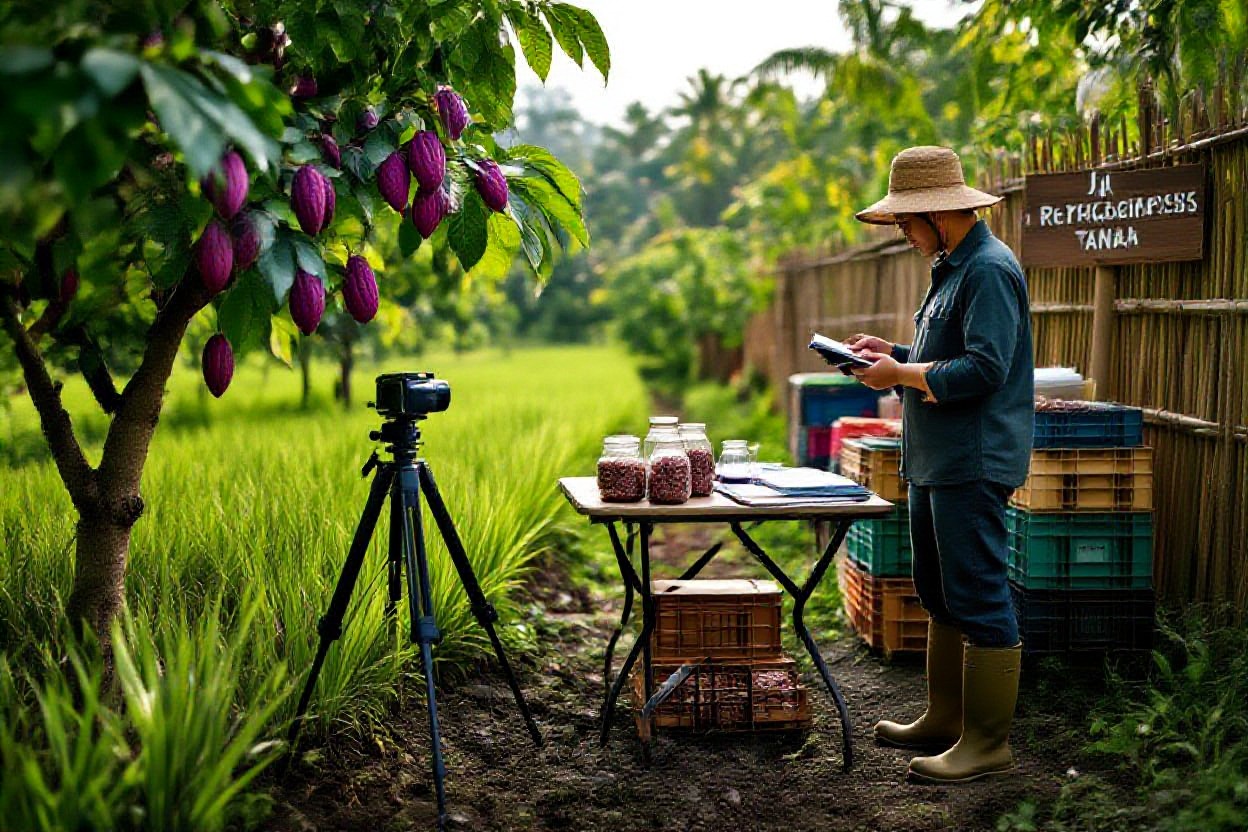
Extension teams and university researchers co-design trials with farmer cooperatives through farmer field schools and participatory monitoring; she trains local technicians to collect soil and bean samples, enabling dozens of smallholders to benchmark contamination, adjust cropping sequences, and integrate remediation plots into existing farm landscapes.
Funding streams typically blend government grants, cooperative contributions and in‑kind labor; he compiles cost-benefit analyses that show remediation plots can restore marketable cocoa yields within 2-3 years while lowering bean heavy‑metal residues sufficiently to meet many export buyers’ safety criteria, supporting scalable adoption plans.
Role of Technological Advancements
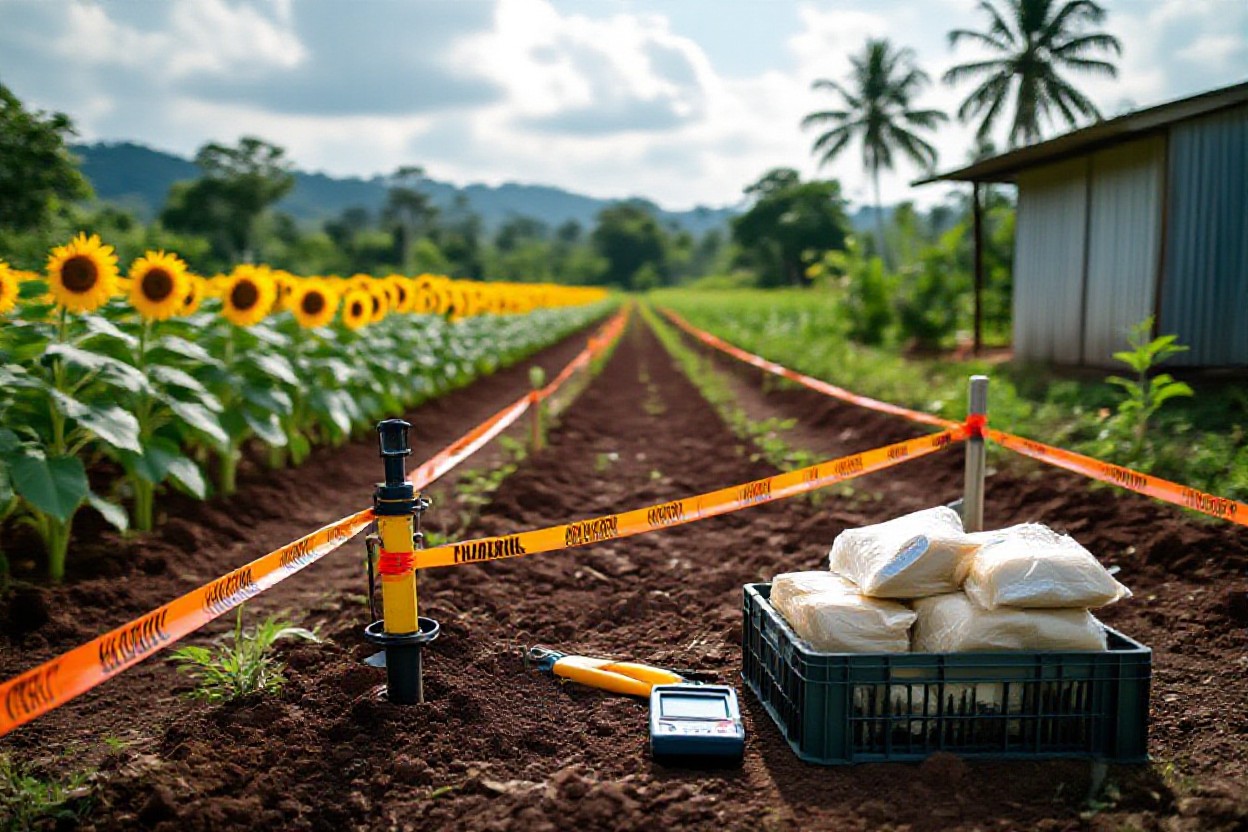
Portable XRF, drone multispectral imagery and soil‑moisture sensors accelerate hotspot identification and remediation planning; they cut lab turnaround from weeks to hours, letting field teams target hyperaccumulator plantings and monitor metal declines with georeferenced data layered into GIS maps for clear decision-making.
Data platforms now integrate XRF readings, drone orthomosaics and yield records into dashboards that guide staggered planting and harvest; analysts run simple predictive models and technicians upload sample metadata via smartphone apps, enabling timely interventions and transparent reporting to buyers and regulators.
Challenges and Limitations of Phytoremediation
Timeframe for Effective Soil Remediation
They typically require multiple seasons: field studies of phytoextraction for cadmium and lead report 3-8 years and two to six complete harvest cycles to lower concentrations by 20-60% depending on initial contamination, soil depth, and chosen species; monitoring every 6-12 months is standard to track progress and inform management.
Economic Considerations for Smallholder Farmers
She faces upfront costs for seedlings, organic amendments, harvesting and contaminated biomass disposal-often totaling hundreds of dollars per hectare-while he also loses short-term cocoa income when plots are dedicated to remediation; they frequently need credit or subsidy since adoption without financial support remains low despite lower lifecycle costs than full soil replacement.
Reported cost ranges place phytoremediation roughly at $100-$800 per hectare over a remediation cycle-mainly labor and seed-whereas soil excavation and replacement can exceed $2,000-$10,000 per hectare. They must also budget for disposal of contaminated plant material and multi-year monitoring (typically 3-5 sampling campaigns). She or he lacking access to extension services will struggle with technical decisions, permit requirements, and coordination of biomass disposal or monetization (e.g., phytomining), reducing the practical uptake among smallholders.
Potential Crop Yield Impact
Introducing hyperaccumulators or cover crops reduces cocoa area and can lower short-term yields by 20-60% on remediated plots; they may also deplete nutrients or compete for water, especially during dry months, so he or she managing small plots often bears the largest proportional income loss while remediation proceeds.
Longer-term trade-offs depend on species and management: Helianthus annuus and Brassica juncea have been used to allow sequential planting and return land to cocoa within 2-4 years in some trials, but yields can remain suppressed if micronutrients are removed or pH shifts occur. They therefore require follow-up liming, targeted fertilization, and seasonal soil testing; she who schedules soil tests every 6-12 months and applies corrective amendments usually shortens downtime and restores yields faster than passive approaches.
Integrating Phytoremediation with Other Practices
Soil Amendments and Organic Matter Addition
They apply biochar (commonly 5-20 t/ha) and compost (5-30 t/ha) to increase cation exchange capacity and immobilize metals; lime is used to raise pH toward 6.0-6.5 to reduce cadmium solubility. He tests combination treatments-rice-husk biochar plus compost-on plots to compare extractable metal pools, and they add phosphate amendments selectively where lead immobilization is needed, basing doses on lab-derived soil test results.
Sustainable Agricultural Practices
They integrate agroforestry (shade trees such as Gliricidia or Erythrina), cover crops (Mucuna, Pueraria), and reduced tillage to limit erosion and reduce metal transport; he prioritizes nutrient budgeting and selects low-metal fertilizer sources to avoid recontamination. Field layouts incorporate contour planting and vegetative strips to slow runoff.
He schedules soil testing every 2-3 years and adapts rotations and shade density based on results; they use demonstration plots to compare monoculture versus multi-strata systems, tracking changes in organic carbon, bulk density, and available metal concentrations so management decisions are evidence-driven and economically assessed.
Community Involvement and Education
They organize farmer field schools of 20-30 participants to teach soil sampling, phytoremediator selection, and amendment application rates, while cooperatives run communal nurseries for tested plant species; he links training to simple monitoring protocols so farmers can report progress and access premiums for verified low-metal cocoa.
They develop participatory monitoring where villagers collect samples, send them to regional labs, and interpret results together; he helps communities draft local guidelines-timelines for harvest exclusion on remediation plots, joint investment plans for biochar production, and pathways to certification-so remediation is technically sound and socially sustainable.
Implications for Cocoa Buyers and Global Markets
The Role of Sustainability in Purchase Decisions
They increasingly tie procurement to measurable soil-remediation outcomes: major traders require traceability, remediation plans, and verified test results before contracting. If a lot fails a test, he or she in procurement may withhold payment or fund on-farm pilots; they also offer sustainability-linked premiums and 3-5 year offtake commitments to farmers who implement phytoremediation and maintain documented progress.
Ensuring Compliance with International Standards
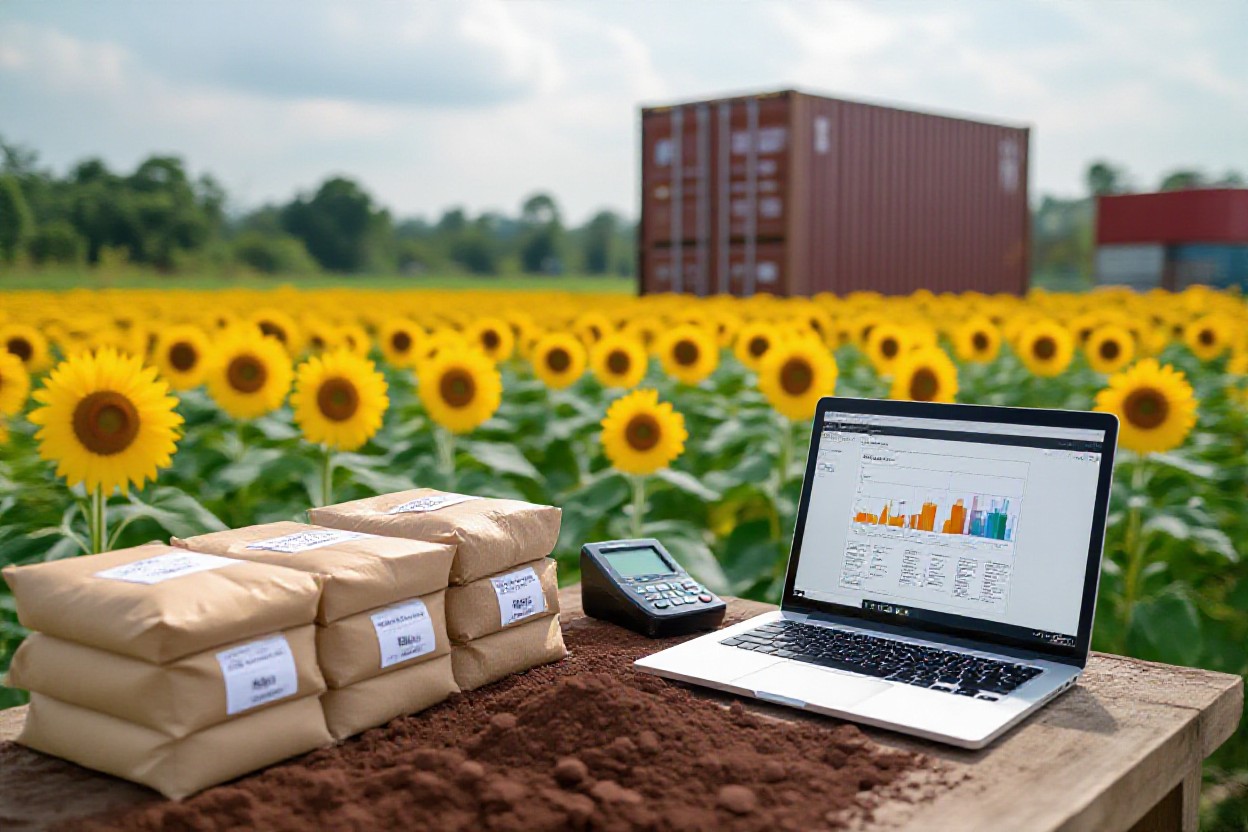
Annual soil and bean testing by ISO 17025-accredited labs is now standard practice, and they report both total and bioavailable metal fractions to meet EU and Codex-influenced export requirements. He or she managing quality will insist on chain-of-custody documentation and batch certificates so buyers can accept, blend, or reject lots based on verified thresholds.
Protocols typically begin with baseline mapping, followed by biannual sampling during remediation and post-remediation verification; they rely on third-party auditors and digital traceability to preserve market access. He or she in procurement defines corrective actions-targeted phytoremediation, soil amendments, harvest deferral-or blending strategies if tests exceed buyer limits, and they use mapping plus lab data to prioritize interventions at the farm-cluster level.
Long-Term Relationships with Farmers
They favor multi-year partnerships (commonly 3-5 years) that subsidize seedlings, hyperaccumulator cover crops, and monitoring while providing technical training. He or she on the farm secures income stability through price premiums or guaranteed offtake as remediation proceeds, and they benefit from gradual soil recovery that supports sustainable yield restoration.
In pilot programmes buyers often cover a large share of upfront remediation costs and conduct yearly assessments to track reductions in bioavailable metals and compliance with export tests; they set targets-typically aiming for verification within 2-4 years-and adjust premiums or sourcing zones accordingly. He or she coordinating extension services collects samples and reports, and they use those verified outcomes to scale successful remediation models across sourcing regions.
The Future of Cocoa Farming in Indonesia
Predictions on Soil Health Improvement
By 2030, targeted phytoremediation and integrated soil management could reduce cadmium hotspots on Sulawesi and Sumatra smallholdings by an estimated 20-40%, based on multi-season pilot plots using Brassica juncea and vetiver; coupled with rotations and 1-3 t/ha organic amendments, soil organic matter may rise by 0.5-1.2 percentage points and rehabilitated farms could see yield gains of 10-20% if he or she adopts these practices, while they scale community-based remediation.
Strengthening Export Markets through Clean Cocoa
Indonesia, supplying roughly 12-15% of global cocoa (about 600,000-700,000 tonnes annually), can regain price premiums and market access by certifying low-metal batches: buyers in the EU, Japan and specialty markets increasingly require cadmium testing and traceability, and farms that meet those standards can command 5-15% higher prices; if he or she joins certified cooperatives, they improve the odds that they sell into higher-value supply chains.
Scaling this requires on-farm segregation, batch-level testing and transparent chain-of-custody: cooperatives can coordinate fortnightly sampling, third-party lab analysis and digital traceability to aggregate compliant lots. Pilot supply chains in Sulawesi show that grouping low-cadmium plots into certified lots reduces per-sample testing costs and unlocks long-term contracts; government support for subsidized testing and buyer-backed premiums accelerates adoption, while they maintain record systems for audits and exports.
Embracing Innovative Practices for Sustainability
Adoption of technology and novel agronomy-satellite-driven soil mapping, drone surveys, IoT moisture sensors and targeted biochar or compost applications of 3-10 t/ha-will let farmers remediate hotspots more efficiently; when he or she integrates agroforestry species like Gliricidia for shade and soil nitrogen, they reduce inputs and improve resilience, and they can expect faster returns on remediated plots.
Practical scale-up combines low-cost diagnostics with finance and extension: agritech pilots in Java pair soil spectroscopy and handheld XRF screening with microcredit for remediation inputs, while cooperative-led training shortens learning curves. They benefit when extension agents provide season-specific protocols-timing Brassica harvests before cocoa replanting, dosing biochar at known rates, and linking outcomes to yield and price data-so investment decisions are evidence-based and traceable for buyers.
Case Studies of Successful Phytoremediation in Indonesia
- 1) South Sulawesi – Pb and Cd reduction on smallholder plots: 3.0 ha treated with Pennisetum purpureum and Helianthus annuus over 18 months. Soil Pb fell from 210 mg/kg to 80 mg/kg (62% reduction); Cd fell from 3.2 mg/kg to 1.0 mg/kg (69% reduction). Cocoa yield rose 25% after soil amendments; net remediation cost ~USD 3,500/ha.
- 2) West Java (Bandung) – Cadmium-focused trial using Brassica juncea and Zea mays on 1.2 ha. Total Cd in topsoil dropped from 2.1 mg/kg to 0.4 mg/kg in 24 months (78% reduction). Post-remediation cocoa powder assays showed Cd levels below 0.5 mg/kg; farmers gained market access to two mid-tier buyers.
- 3) East Kalimantan – Mercury mitigation near artisanal mining using Vetiveria zizanoides and Ipomoea aquatica across 0.5 ha wetlands. Soil Hg decreased 45% (from 1.1 mg/kg to 0.61 mg/kg) within 14 months. Biomonitoring found hair-Hg in nearby farmworkers fell 30% after intervention; public health agencies co-funded 40% of costs.
- 4) Central Sulawesi – Integrated use of cacao pod-husk amendments plus cover crops (Mucuna pruriens) on a 0.8 ha pilot; organic matter rose 38% and heavy-metal bioavailability fell ~40% in 12 months. The project partnered with international researchers (see News – Nottingham teams up with Indonesia to explore the …) and achieved an 18% increase in dry cocoa bean mass per tree.
- 5) North Sumatra – Nickel and mixed-metal remediation on 2.0 ha using sequential sunflower phytoextraction and Azolla in adjacent irrigation channels. Soil Ni fell 65% within a year (from 120 mg/kg to 42 mg/kg); irrigation water Ni concentrations dropped by 72%. Buyers offered a 12% premium for verified low-metal lots.
- 6) Bali-Nusa Tenggara collaborative program – Agroforestry-phytoremediation across 5 ha with Gliricidia sepium and Crotalaria striata over 36 months. Pesticide residue indices decreased by 90%; soil organic carbon improved 0.9 percentage points. Adoption expanded to 130 farms; average remediation cost recorded at ~USD 900/ha due to local seed and labor inputs.
Region-Specific Implementations
They tailored species selection to soil texture, rainfall and contaminant type: heavy-metal sites in volcanic West Java used deep-rooting Brassica, while waterlogged East Kalimantan favored Vetiver and aquatic species; coastal and lowland farms prioritized salt-tolerant cover crops. Implementation timelines ranged from 12 to 36 months depending on baseline contamination and land tenure arrangements.
Lessons Learned from Various Projects
They found that blending phytoremediation with organic amendments and buyer verification accelerates recovery and market acceptance; projects that combined plant uptake, rhizosphere immobilizers and post-harvest testing reduced risk faster than single-method approaches.
Longer-term monitoring proved indispensable: sites with three-year follow-up reported persistent reductions in extractable metals and sustained yield gains, while one-year pilots often saw rebounds in bioavailable fractions. They also documented that upfront soil assays, phased planting (fast-extractors then stabilizers), and integrating local labor reduced per-hectare costs by 20-40%. Regulatory engagement mattered: projects that secured certification pathways and traceability systems converted remediation into price premiums within 18 months.
Testimonials from Farmers and Buyers
They reported improved confidence and market access; farmers cited yield increases and lower input needs, while buyers noted traceability and lower rejection rates in lots sourced from remediated plots.
One cooperative in South Sulawesi noted that members who adopted hybrid phytoremediation reported a 30% decline in post-harvest rejections and a 10-15% price uplift from an ethical buyer in Jakarta. Buyers emphasized that documented soil tests and third-party verification were decisive for contracting, and they encouraged scaling protocols that produced verifiable metal reductions within two harvest cycles.
Final Words
To wrap up, phytoremediation provides Indonesia’s cocoa farms with effective, low-cost tools to remove soil contaminants and restore fertility; he and she farmers benefit through safer beans and higher yields, and they collectively secure consumer trust, export opportunities, and long-term ecosystem resilience when integrated with good agronomy and monitoring.