Table of Contents
Most consumers today are increasingly seeking organic products, which has led to a significant in the growth of organic cocoa. Shedding light on consumer preferences, investigate the reasons behind this shift and how manufacturers can capitalize on the emerging market opportunities. They explore trends that emphasize sustainability and ethical sourcing, influencing purchasing decisions. As the market evolves, understanding these dynamics can provide valuable insights for stakeholders looking to thrive in the organic cocoa sector.
The Rise of Organic Cocoa Demand

While the organic cocoa market continues to grow, consumer preferences are shifting towards health-conscious choices. The surge in awareness regarding the health benefits of organic products has driven an increase in demand for organic cocoa. As consumers become more knowledgeable about the ingredients they consume, they seek out products that align with their wellness goals, ultimately benefiting the organic cocoa market.
- Consumer Health Consciousness
For many consumers, health consciousness is a primary motivator when choosing organic cocoa. They associate these products with higher quality, fewer chemicals, and more nutrients, leading them to prefer organic options over conventional alternatives. As customers prioritize their health, manufacturers must adapt their offerings to meet this growing demand.
- Sustainable Sourcing Preferences
Sustainable sourcing has become a key factor in consumer choices, with many individuals actively seeking products that support environmental stewardship. They often look for certified organic cocoa, which not only promotes health benefits but also contributes to eco-friendly agricultural practices that protect biodiversity and reduce chemical usage.
In fact, the preference for sustainable sourcing is reshaping market dynamics, as consumers increasingly support brands that demonstrate a commitment to ethical production and environmental responsibility. They often research company practices and favor brands that prioritize fair trade and responsible sourcing of cocoa, thereby influencing manufacturers to incorporate sustainable practices into their operations.
Market Trends in Organic Cocoa

Clearly, the organic cocoa market is experiencing significant growth, driven by increasing consumer awareness of health benefits and sustainability. Manufacturers are adapting to these preferences by prioritizing organic and ethically sourced products. The demand for organic cocoa is expected to transform into a key sector of the global chocolate industry as consumers lean towards premium offerings that align with their values.
- Growth Statistics and Projections
Below are the recent statistics showcasing the robust growth trajectory of organic cocoa. According to industry reports, the organic cocoa market is anticipated to grow at a compound annual growth rate (CAGR) of over 4.7% through the next five years. This expansion is indicative of a shifting consumer focus on health-conscious and sustainable food choices, propelling manufacturers to invest in organic cocoa sourcing and production.
- Key Regions Driving Demand
Cocoa beans from Latin America, Africa, and Asia are at the forefront of the organic cocoa demand surge. These regions not only provide ideal climates for cocoa cultivation but also have been increasingly adopting sustainable farming practices to meet market needs. With consumers willing to pay premium prices for organic products, these regions are capitalizing on the trend by enhancing their organic production capabilities.
Even as the demand for organic cocoa flourishes, the supply chain must adapt to meet the growing requirements. Regions such as West Africa and South America are focusing on organic certifications and additional farming training to ensure quality and sustainability. This commitment to organic practices sets the stage for expanded market opportunities, allowing producers to cater to global brands that prioritize ethically sourced ingredients and resonate with the conscious consumer demographic.
Challenges Facing Organic Cocoa Production
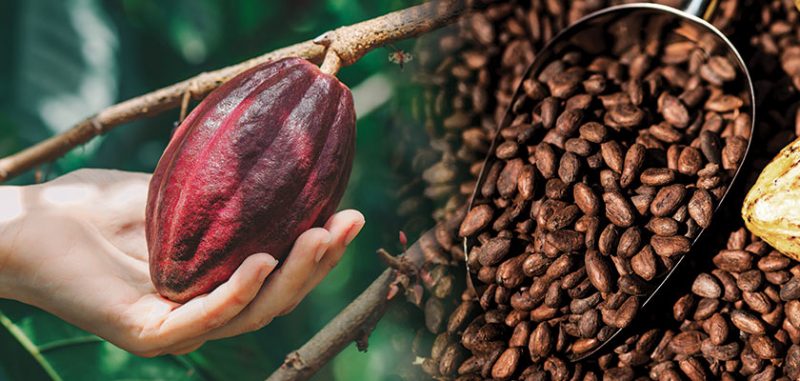
It is vital to acknowledge the various challenges that organic cocoa production faces, particularly with increasing demand and market growth. These challenges range from supply chain complexities to certification hurdles that can impede progress. As demand rises, producers must navigate these obstacles to ensure sustainable practices while meeting consumer expectations.
- Supply Chain Issues
Organic cocoa faces several supply chain issues, including inconsistent sourcing and limited access to infrastructure. Producers may encounter difficulties in obtaining raw materials from certified organic farms, which can lead to delays and increased costs. These complications can ultimately affect a manufacturer’s ability to meet consumer demand and maintain product quality.
- Certification and Compliance
Along with supply chain issues, certification and compliance serve as significant hurdles for organic cocoa production. Producers must adhere to strict guidelines established by various certification bodies, which can often be resource-intensive and time-consuming.
To successfully navigate these challenges, manufacturers must invest in understanding the certification processes and ensure compliance with organic standards to maintain product integrity. This often necessitates training for farmers and employees, proper documentation, and adherence to organic farming practices. As manufacturers prioritize compliance, they position themselves to better serve the growing market of conscious consumers while fostering transparency and trust in their products.
Opportunities for Cocoa Manufacturers
For cocoa manufacturers, the rising demand for organic products presents numerous opportunities. As consumers become more health-conscious and environmentally aware, they increasingly seek products that align with their values. This shift in preference encourages manufacturers to explore innovative ways to develop and market organic cocoa products, tapping into a growing segment of the marketplace that prioritizes sustainability and quality.
- Product Innovation and Development
Opportunities for cocoa manufacturers lie in product innovation and development. By creating unique organic cocoa-based offerings, such as specialty chocolates or health-focused snacks, they can differentiate themselves in a crowded market. This innovation not only appeals to health-oriented consumers but also addresses their desire for indulgence and high-quality ingredients.
- Marketing Strategies for Engagement
Among the strategies cocoa manufacturers can employ to engage consumers are storytelling and transparency. By highlighting the origins of their cocoa, the ethical practices involved, and the benefits of organic farming, companies can create a stronger emotional connection with their audience. This approach resonates with consumers looking for authenticity in their food choices.
It is crucial for cocoa manufacturers to leverage various marketing channels, including social media, influencer partnerships, and community initiatives, to foster engagement and build brand loyalty. They can utilize visually appealing content to showcase their organic cocoa products, while also encouraging consumer feedback and interaction. By fostering a sense of community around their brand and demonstrating a commitment to sustainability, manufacturers can enhance consumer trust and drive sales.
Case Studies of Successful Organic Cocoa Brands
Once again, the remarkable growth of organic cocoa can be illustrated through various successful brands that have made their mark in the industry. These brands have embraced sustainable practices, gaining both consumer trust and loyalty. Key case studies include:
- Alter Eco – Grew sales by 30% over three years, focusing on transparent supply chains.
- Green & Black’s – Achieved a 25% market share in the organic chocolate sector by offering premium flavors.
- Pacari Chocolate – Over 50 awards globally for its single-origin organic chocolates, emphasizing direct trade.
- Madécasse – Increased the income of local farmers by 40% through impactful partnerships.
- Divine Chocolate – Built a 13% consumer loyalty rate by being fair trade certified and empowering farmers.
- Brand Strategies and Consumer Loyalty
Any successful organic cocoa brand understands the importance of effective marketing strategies and building consumer loyalty. They implement social responsibility initiatives, engage in storytelling about their sourcing processes, and create unique flavor experiences that resonate with consumers. This commitment not only drives repeat purchases but also transforms customers into brand advocates.
- Lessons Learned from the Market
Between the various case studies, valuable insights can be garnered regarding the success of organic cocoa brands. These brands highlight the significance of sustainability, community engagement, and transparency in their practices. They have navigated the competitive landscape by listening to consumer demands and adapting their strategies accordingly.
Successful brands in the organic cocoa sector demonstrate that prioritizing ethical sourcing and consumer engagement fosters loyalty and encourages brand advocacy. By consistently delivering quality products and maintaining open communication, they create lasting relationships with their customers. Brands that embrace innovation, respond to market trends, and invest in sustaining community partnerships are more equipped to thrive in a crowded marketplace.
The Role of Certification in Organic Cocoa
To navigate the expanding market of organic cocoa, certification plays a pivotal role in ensuring compliance with established organic farming standards. This process not only enhances product quality but also supports sustainable practices that benefit both producers and the environment. As consumers increasingly seek transparency in their food sources, certifications serve as a reliable indicator of a product’s organic integrity and social responsibility.
- Importance of Standards
Below the surface of organic cocoa, standards act as a benchmark for quality and sustainability. They define the practices that farmers must adopt, ensuring that cocoa is grown and processed in ways that align with organic principles. These standards help mitigate the risk of contamination from synthetic fertilizers and pesticides, safeguarding the integrity of the organic label.
- Impact on Consumer Trust
At the intersection of consumer confidence and market growth lies the impact of certification on trust. Reliable certifications foster a sense of assurance among consumers, as they associate these indicators with higher quality and ethical practices in cocoa production.
In fact, trust is built when consumers can confidently identify products that meet their expectations for ethical sourcing and environmental stewardship. Certifications provide transparency, allowing consumers to make informed choices based on the practices followed by manufacturers. This connection between certification and consumer trust not only enhances brand loyalty but also drives market expansion as more consumers prioritize quality and sustainability in their purchasing decisions.
To wrap up
Following this analysis, it’s evident that the growth of organic cocoa presents significant opportunities for manufacturers, driven by shifting consumer preferences towards sustainable and health-conscious products. They must adapt to these trends by prioritizing organic sourcing and transparent practices to meet the demands of environmentally aware consumers. Emphasize that understanding market dynamics alongside consumer behaviors will be crucial for leveraging these opportunities and remaining competitive in an evolving landscape. Ultimately, the future of organic cocoa appears promising for those manufacturers willing to embrace change and innovation.