Table of Contents
Smart factories in chocolate production tech is totally reshaping chocolate production, especially in the Asia Pacific region. Now, we’re talking about a projected growth rate of over 11% from 2025 to 2030. That’s a big leap, driven by rapid industrialization and governments going all-in on smart manufacturing. Especially for chocolate companies, this shift isn’t just about shiny new gadgets—it’s about getting real results. Automation means higher efficiency, better consistency, and top-notch quality control. You mess up a batch? Not likely, when the system’s tracking every step. The latest automation trends are streamlining everything, from ingredient handling to packaging, and honestly, it’s changing the game.
At the end of the day, this is where technology meets craftsmanship. The industry’s moving fast, and those who stay ahead of these trends are the ones setting the standard for modern chocolate manufacturing. In this blog spot you are about to understand what’s driving your favorite brands, look no further than the smart factory revolution.
Revolutionizing Chocolate Production with Robotics

The transformative power of robotics in chocolate production is undeniable. By integrating advanced robotic systems, manufacturers can enhance efficiency, reduce labor costs, and improve overall production speed. Robots are taken into production lines to handle tasks such as molding, packaging, and even quality control. This not only accelerates processes but also frees up human workers to focus on more strategic initiatives, enhancing the creative side of chocolate-making.
Robotic systems with AI-driven technologies have expanded quality control’s scope. According to a McKinsey poll, 78% of manufacturing sector participants are thinking about using AI for quality control. Robots with AI capabilities can identify and eliminate defective products instantly, guaranteeing a constant standard of quality while cutting down on waste and saving time.
- The Role of Robotics in Streamlining Processes
Chocolate factories with robots? Oh, now we’re talking! Imagine a shiny army of metal helpers hustling around, scooping up cocoa beans. Need to ramp things up because everyone’s suddenly obsessed with salted caramel? Robots just flex and get it done. Basically, these bots turn chaos into a well-oiled chocolate symphony, leaving you free to dream up your next wild flavor while they handle the heavy lifting.
3Laws Robotics provides a range of robotic technologies to help businesses in the chocolate and confectionery industry run more efficiently. With a focus on AI-powered quality control and strong safety measures, 3Laws can help you make the switch to a highly automated production process.
By offering proof of system resilience, the 3Laws Supervisor software simplifies certification for robotics businesses. The foundation of this software is Control Barrier Functions, a technology that guarantees safety that can be demonstrated mathematically.
- Enhancing Precision and Consistency Through Automation
Robotics has honestly revolutionized chocolate production. These systems deliver a level of accuracy that’s tough for humans to match—no off-size bars or surprise flaws, just reliable, high-quality results, batch after batch. When customers unwrap a chocolate bar, they’re getting exactly what they expect every time. That kind of reliability? It’s not just about looking good; it builds real trust in your brand. People stick with what they know works, and robotics make sure your products never let them down. That’s what keeps them coming back, plain and simple.
Automation’s precision really comes down to advanced sensors and algorithms tracking every step of production. Think about it—robotics with machine vision are basically quality control experts, scanning each chocolate piece and flagging anything that falls short. With this level of oversight, you’re consistently hitting your quality targets, which isn’t just good for your brand’s reputation—it streamlines the whole operation. As these technologies evolve, you’re set up to adapt quickly to new market standards and keep customer satisfaction high.
Data-Driven Decision Making: The IoT Influence
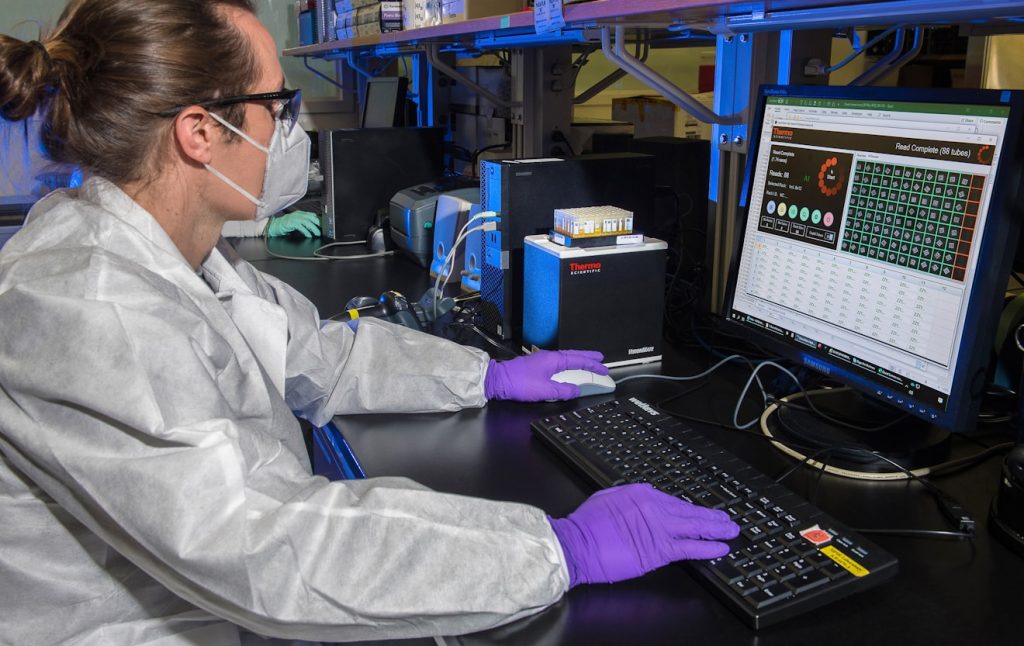
Implementing IoT technology in chocolate manufacturing has totally transformed the way decisions get made in factory. Using sensors and connected devices monitoring everything in real time—from ingredient quality to machinery performance—you’re not just relying on guesswork anymore. Operations become far more efficient because you can immediately spot issues, adapt quickly, and maintain a higher standard for product quality. You’re able to cut down on waste, fine-tune resource allocation, and consistently deliver a better product to customers.
Take some IoT gadgets onto your business, and suddenly you’re swimming in real-time data from every which way—production lines, customer interactions, you name it. It’s a new thing how this nonstop info dump lets companies actually keep up with what’s going on, spot trends as they happen, and tweak stuff before things go sideways. You wanna know what your customers are up to or how your team’s performing? Bam, you’ve got the numbers at your fingertips.
- Smart Factories: About Real-Time Monitoring for Quality Control
If you want your chocolate to be legendary, you can’t just toss some cocoa and sugar in a vat and hope for the best. Nope, you need those sensors—think of them like tiny chocolate guardians—watching over every little thing: heat, humidity, timing, all that jazz. The second something’s off? Bam, you’re on it. No more mystery mush or “what happened to this batch?” moments. People talk about your chocolate like it’s a golden ticket, and honestly, that’s how you keep the hype real. Sensors are key behind the magic.
IoT devices have totally flipped the script on how we deal with the world around us. Stuff that used to be all manual and hard to do? Now it’s automated, and way smarter than before. Businesses? They’re eating this up. Suddenly, everything’s about squeezing out more efficiency, letting machines do the heavy lifting, and making choices based on actual data instead of just gut feelings. For example, places like factories, hospitals, farms, even how we get from A to B—it’s all getting a major upgrade thanks to IoT.
- Predictive Maintenance and Its Impact on Productivity
Predictive maintenance is basically the crystal ball for your machines, thanks to all those IoT gadgets spitting out data nonstop. Instead of waiting for stuff to break and then scrambling, now you can actually spot trouble before your equipment taps out. AI jumps in and does a ton of the grunt work—chews through mountains of data, spots patterns that’d make a human’s head spin.
The best part? These algorithms get smarter the more you feed them. It’s like giving your mechanic a memory upgrade every week. So, you end up planning your fixes when it actually makes sense, not just when something’s on fire. Less chaos, more uptime, and honestly, who doesn’t want fewer 3 a.m. emergency calls?
Implementing predictive maintenance not only enhances efficiency, it can significantly boost your bottom line. For instance, a leading chocolate manufacturer reported a 20% reduction in unplanned downtime after adopting predictive maintenance practices. By leveraging real-time data on equipment performance, you gain the ability to maintain machinery proactively, scheduling repairs during off-peak hours. This strategy keeps your production lines moving, meets customer demand seamlessly, and lowers operational costs.
Smart Supply Chains: The Backbone of Modern Factories

The future of supply chains? It’s all about getting smart—like, actually smart, not just buzzword smart. We’re talking Supply Chain 4.0, which kinda sounds like a software update for your phone, but it’s way more interesting if you’re into logistics (or, you know, chocolate).
Basically, everything’s connected. Suppliers, factories, the people moving the chocolate around, the shops—everybody’s tapped into the same real-time info. So if there’s a sudden craving wave for dark chocolate bars (thanks, TikTok trends), the system just tweaks the production plan on the fly. No more waiting around or playing telephone with a dozen emails.
For chocolate factories specifically? This is a game-changer. You get less waste, since you’re not over-producing stuff nobody wants. Schedules actually make sense. And the quality? Well, when you don’t have chaos in the back-end, the chocolate’s just… better. It’s all about making things smooth, fast, and way less stressful. Basically, Willy Wonka would lose his mind over this tech.
- Integrating AI for Optimized Inventory Management
AI technology plays a pivotal role in streamlining inventory management for chocolate manufacturers. By analyzing historical data and forecasting trends, AI systems enable you to maintain the optimal amount of raw materials, minimizing both excess stock and shortages. The process of optimizing and automating inventory management through the use of artificial intelligence (AI) technologies is known as AI inventory management. The process of monitoring and regulating a company’s stock levels is known as inventory management. It helps guarantee that the appropriate products are available when they’re needed. This leads to improved cash flow and more precise production planning, ultimately elevating the efficiency of your operations.
- Collaborating with Suppliers: Transparency and Efficiency
Honestly, if you don’t vibe with your suppliers, good luck keeping your supply chain in check. It’s like, you need to actually talk to these people—not just treat them like order machines. And hey, those fancy automated systems? They’re lifesavers. You get to see what’s coming and going right as it happens, like having a GPS for your inventory. If something’s about to go sideways, you’ll catch it before it turns into a disaster. Plus, knowing the ins and outs of your supply world gives you serious bargaining power. You’re not just some clueless buyer—they’ll know you mean business when you start talking numbers.
Real collaboration? That’s about building a legit relationship—sort of like assembling your own Avengers squad, but for chocolate. Take vendor-managed inventory (VMI) as an example: you’re basically letting suppliers peek into your pantry and restock as needed. No more panic calls when you’re out of cocoa beans. It keeps production humming, slashes those annoying delays, and yeah, saves you some cash too.
But here’s the kicker: when you’re tight with your suppliers, you get the inside scoop. What’s trending? Any cool new tech? Maybe some disaster you can dodge before it hits your supply chain? That kind of info only comes when you’re actually talking and trusting each other—not just firing off purchase orders. Trust me, your chocolate game gets a serious upgrade when you treat your suppliers like partners, not vending machines.
Workforce Transformation: Human-Machine Collaboration
The relationship between your workforce and automation technology is evolving significantly. Embracing human-machine collaboration not only enhances productivity but also fosters innovation in chocolate production. As employees adapt to working alongside advanced systems, you’ll notice an increase in both efficiency and job satisfaction, as tasks become less monotonous and more intellectually engaging.
- Upskilling Employees for the Future of Production
Investing in the upskilling of your employees ensures their readiness for a more technology-driven environment. Providing training programs focused on new technologies and industry practices empowers your workforce to leverage automation effectively, leading to improved operational outcomes and employee engagement.
- Redefining Roles: From Manual Labor to Analytical Tasks
Nobody dreams of spending their days doing mind-numbing, repetitive stuff. When you swap out the grunt work for tasks that actually need brainpower, your team finally gets to flex those analytical muscles. Instead of just ticking boxes, people are keeping an eye on the machines, making sense of all those data charts, and actually solving problems that matter. It’s not just about speeding things up. You’re giving folks a shot to get creative and show off what they can really do.
This redefinition of roles encourages your staff to engage more intellectually with the production process. For instance, workers can transition from basic machine operation to roles where they monitor machine performance, analyze production data for quality assurance, and collaborate with software developers to refine automation systems. By integrating employees into analytical positions, you may discover unexpected insights and improvements in workflow efficiency that were previously overlooked, resulting in higher quality chocolate products and optimal production timelines.
Facing Challenges in Digital Transformation
Transforming traditional chocolate production into a digital-first operation presents various challenges that manufacturers must navigate. From data integration to workforce training, addressing these hurdles is key for seamless adoption of smart technologies. Companies often struggle with the rapid pace of technological advancements, which can overwhelm both management and operators alike. With the right strategies in place, you can successfully guide your organization through these changes, making the most of the benefits that automation brings.
- Cybersecurity Risks in Automated Production
Implementing automation in chocolate production introduces significant cybersecurity risks, which must not be overlooked. With systems interconnected via the Internet, vulnerabilities like data breaches and cyberattacks become prominent threats. You need robust security measures to protect sensitive operational data, such as ingredient sourcing and proprietary recipes, from cybercriminals. Investing in advanced cybersecurity solutions and employee training can mitigate these risks, ensuring your smart factory operates securely as well as efficiently.
- Overcoming Resistance to Change within the Industry
People’s hard to change, especially when it crashes into old-school worlds like chocolate factories. Automation strolls in, and suddenly everyone’s side-eyeing the robots, wondering if they’ll be out of a job, or just stuck doing something totally different. If you wanna make things less terrifying, don’t just toss in some boring PowerPoint about “innovation.” Actually train people—show ’em how the new tech works, and remind them their skills still matter (maybe even more now). Get everyone talking, not just the suits up top. Bring frontline workers and managers into those conversations about what’s coming. That way, people feel like they’re part of the change, not just getting steamrolled by it.
To wrap up
So, let’s be real—if you wanna crank out the best chocolate, you must pay attention to all the tech upgrades happening in smart factories right now. Stuff like IoT, AI, and robots aren’t just for sci-fi movies anymore—they’re out here trimming the fat, cutting down waste, and making sure your chocolate bars don’t randomly taste like disappointment one day and bliss the next.
Honestly, jumping on these trends is like giving your factory a double shot of espresso. You don’t just get faster and slicker; you actually start pulling ahead of the competition. The chocolate game is changing, and if you snooze, you lose. So yeah, keep your eyes peeled for what’s coming next—get the tech, make the moves, and watch your business grow.