Table of Contents
The global cocoa market is experiencing robust growth, projected to reach USD 26.7 billion by 2024, with an expected CAGR of 4.7% from 2025 to 2034. Helps cocoa exporters make sense of tricky trade rules. Cocoa exports isn’t simple—each country has its own laws, and those rules really shape how cocoa moves from farms to buyers. The whole supply chain feels it, from the way beans are grown right down to the moment they reach their destination. Knowing these regulations inside and out? That’s key if you want to succeed in the global cocoa market.
Global Trade Agreements

Global trade agreements have a huge impact on how cocoa gets from one country to another. They lay down the ground rules—tariffs, quality standards, stuff about sustainability—so exporters aren’t left guessing. When countries sign these deals, they’re aiming for fairer, more predictable trade. Nobody wants crazy price spikes in the supply chain. For anyone in the cocoa business, understanding things like WTO rules or regional treaties is essential. It keeps them sharp, competitive, and above board. At the end of the day, these agreements encourage transparency and help the cocoa industry grow in a way that’s steady and responsible.
- Overview of International Trade Regulations
International trade rules shape how cocoa moves across borders. They deal with things like tariffs, quality checks, labeling, and sustainability — all set by groups like the WTO and ICCO. When cocoa producers follow these rules, it keeps competition fair, makes products traceable, and helps protect consumers. For countries that grow cocoa, knowing these regulations isn’t optional. It’s how they keep their reputation, reach high-value markets, and prove they meet ethical sourcing standards.
- Key Players in Cocoa Export Regulation
Regulatory bodies, such as the World Trade Organization and the International Cocoa Organization, oversee cocoa export regulations. They work together to establish and enforce standards. Indeed, these organizations have a significant impact on the cocoa industry, as they set the framework for trade agreements and resolve disputes between countries. They also provide guidance on sustainable farming practices and fair labor conditions, which are increasingly important for cocoa exporters.
Cocoa Export Regulations
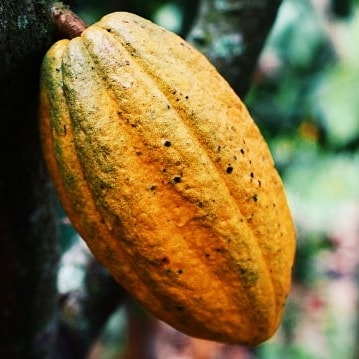
It is necessary for cocoa exporters to understand the regulations governing international trade. They must comply with various rules and standards to ensure smooth exports. Cocoa export regulations vary by country and region, and exporters must be aware of these differences to avoid penalties and delays.
- Tariffs and Quotas
Taxation policies, such as tariffs, impact cocoa exports significantly. They affect the pricing and competitiveness of cocoa in the global market. Exporters must factor in these costs when determining their pricing strategies to remain competitive.
- Sanitary and Phytosanitary Measures
Around the world, governments implement sanitary and phytosanitary measures to protect human, animal, and plant health. They regulate the importation of cocoa products, ensuring they meet certain standards. For instance, exporters must adhere to strict guidelines regarding pest control, contamination, and food safety. They must provide certificates of origin, phytosanitary certificates, and other documents to verify compliance with these measures, and they must be aware of the specific requirements of each importing country to avoid rejection of their shipments.
Regional Trade Agreements

Now, regional trade agreements play a significant role in shaping the global cocoa trade landscape. They establish rules and regulations that facilitate or restrict the flow of cocoa between countries, affecting exporters and importers alike. These agreements can have a profound impact on the cocoa industry, and they are carefully monitored by industry stakeholders.
- European Union Regulations
Trade policies in the European Union have a significant impact on cocoa exports. They set standards for quality, safety, and sustainability, which exporters must comply with to access the EU market. The EU’s regulations are designed to protect consumers and promote fair trade practices, and they are strictly enforced by regulatory authorities.
- African Regional Trade Agreements
Above all, African regional trade agreements aim to promote economic integration and cooperation among member states. They seek to create a more favorable business environment for cocoa exporters, simplifying customs procedures and reducing tariffs. The African Continental Free Trade Area (AfCFTA) is a notable example, seeking to boost intra-African trade and increase the continent’s global competitiveness.
In addition, the African regional trade agreements have the potential to increase cocoa exports from the continent. They provide a framework for countries to work together to address common challenges, such as poor infrastructure and limited market access. By harmonizing trade policies and procedures, these agreements can help to reduce costs and increase efficiency, making it easier for cocoa exporters to compete in the global market. They are working to create a more integrated and competitive cocoa industry in Africa, which will benefit both exporters and consumers.
Compliance and Certification
Your company must adhere to various regulations when exporting cocoa, and compliance is key to avoiding penalties and ensuring smooth trade. They must understand the requirements and follow them carefully to maintain a good reputation and build trust with clients.
- Export Licensing Requirements
Export licensing for cocoa isn’t just about paperwork—it keeps trade honest and up to standard, both at home and abroad. Exporters need to get the right permits from the authorities, which means their cocoa gets checked for quality, origin, and all those sustainability stamps buyers care about. These licenses don’t just stop illegal trading; they make sure prices stay fair and you can track where the cocoa comes from every step of the way. Sticking to these rules doesn’t just boost trust with buyers around the world—it makes cocoa producers stand out and stay competitive on the global stage.
- Certification Schemes for Cocoa Exports
Alongside, at the heart of cocoa export compliance are certification schemes that ensure the product meets certain standards. They provide assurance that the cocoa has been produced and traded in a responsible and sustainable manner, which is increasingly important to consumers and buyers.
Certification involves a thorough assessment of the cocoa production process, from farming practices to trading and shipping. They verify that the cocoa meets the required standards, such as fair labor practices, environmental sustainability, and quality control, and issue a certificate that can be used to promote the product and gain a competitive advantage in the market. You can use this certification to demonstrate their commitment to responsible trade practices and build trust with clients and consumers.
Trade Facilitation Measures
After implementing trade facilitation measures, cocoa exports can increase significantly. They simplify the process, making it easier for exporters to comply with regulations. This, in turn, reduces delays and costs associated with trade.
- Streamlining Customs Procedures
When customs procedures for cocoa exports run smoothly, everything just works better. Producers and exporters deal with fewer delays, costs drop, and the whole process gets a lot easier. Things like simpler paperwork, digital clearance, and clear rules speed up shipments and keep everything in line with global standards. Quick customs also mean less spoilage, better traceability, and a supply chain you can actually count on. When countries get this right, they don’t just move cocoa faster—they become more competitive, draw in more buyers from around the world, and set themselves up for steady, sustainable growth in the global cocoa market.
- Reducing Trade Costs
Against the backdrop of complex trade regulations, reducing trade costs is vital. They work to minimize the financial burden on exporters, allowing them to remain competitive in the global market. And by reducing trade costs, exporters can invest more in their businesses, increasing productivity and efficiency. This, in turn, enables them to expand their operations and explore new markets, ultimately benefiting the entire cocoa industry. They can also improve the quality of their products, making them more attractive to international buyers.
Challenges and Opportunities
Despite the growing demand for cocoa, exporters face numerous challenges, including regulatory hurdles and market fluctuations, which they must navigate to succeed in the global market.
- Market Access Barriers
One of the significant obstacles cocoa exporters encounter is complying with stringent phytosanitary and quality standards, which they must meet to access major markets, and they often require significant investments to upgrade their infrastructure and processes.
- Emerging Trends in Cocoa Trade
Between the increasing demand for sustainable and ethical cocoa, and the rise of new markets, exporters are exploring innovative ways to differentiate their products and tap into these trends, which they believe will drive growth and profitability.
To capitalize on these emerging trends, they are investing in certification programs, such as Fairtrade and Organic, and developing strategic partnerships with buyers and suppliers to improve their market position and competitiveness, and they are also leveraging technology to enhance transparency and efficiency in their supply chains.
Summing up
It’s pretty clear—international trade rules shape everything about cocoa exports. They touch every step, from growing the beans to getting them shipped out. If you want to export cocoa successfully, you’ve got to follow these rules. That’s what keeps trade running smoothly and helps everyone involved, whether you’re selling or buying. So, knowing the ins and outs of these regulations really matters if you want to handle the twists and turns of the global cocoa market.