Table of Contents
Agriculture is facing some tough headwinds, and the cocoa sector isn’t sitting this one out. Most people don’t realize that while a cacao tree can produce thousands of flowers, only about 10% actually get pollinated. That’s right—90% of potential cocoa beans are lost before they even get started. It’s a massive inefficiency, and, frankly, it’s not sustainable if the industry wants to keep up with global demand.
Now, here’s where things get interesting. The cocoa industry’s undergoing a serious tech upgrade right now. We’re talking drones out in the fields, tackling pollination, plus advanced data analytics driving smarter decisions. It’s not just about increasing yield anymore—there’s a sharp focus on sustainability too. These innovations are slashing waste, making resource management a lot more efficient, and honestly, they’re setting cocoa farms up for real longevity in the global market This blog post will explore these innovations and take a closer look at how they’re shaping the future of cocoa production on a global scale.
The Importance of Pollination in Cocoa Cultivation
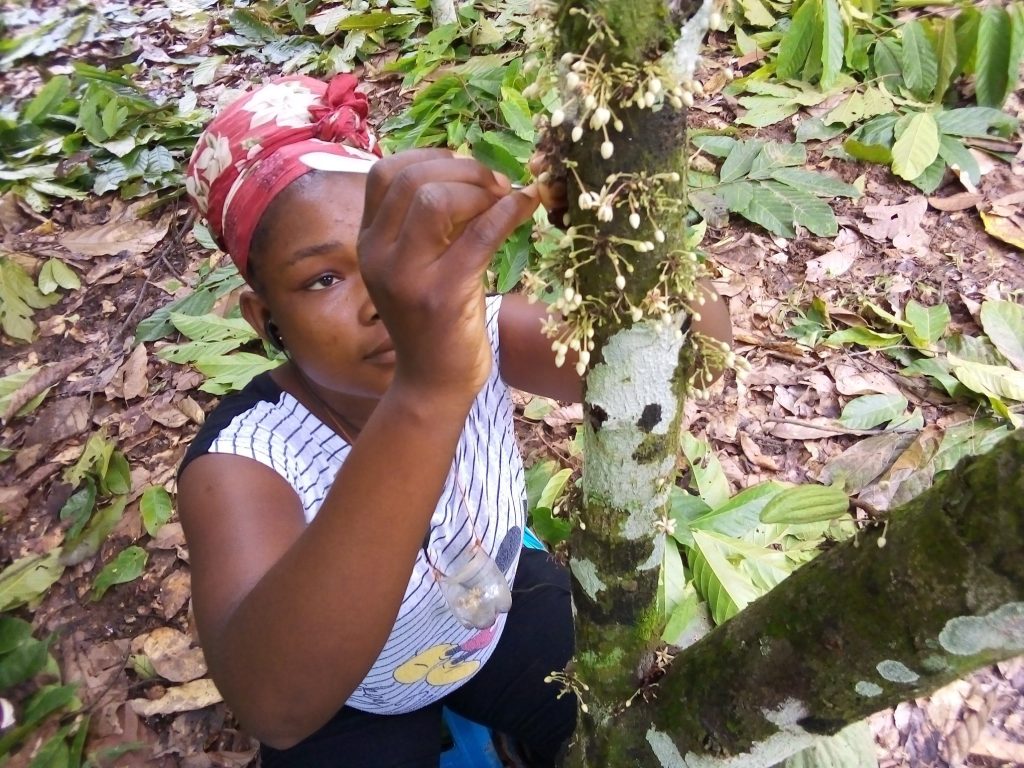
Honestly, pollination isn’t just a side note in cocoa farming, it’s basically the backbone of the whole operation. If those midges don’t show up and do their job, you’re looking at a disaster: up to 90% of cocoa flowers won’t make it to the pod stage. That’s a huge hit to both yield and quality—not exactly the outcome anyone wants on the balance sheet. If you’re serious about cocoa production, you’ve got to invest in strategies that boost pollination.
- Pollination Challenges in Cocoa Production
Urban sprawl and the relentless expansion of agriculture are squeezing out pollinators at an alarming rate—their habitats are vanishing, plain and simple. And let’s face it, the weather’s not doing anyone any favors lately. One season you’re praying for rain, the next you’re sandbagging the fields. Plants can’t keep up, which means fewer flowers, and pollination takes a serious hit.
For folks in ag, we’re not talking minor hiccups—these are real threats to long-term productivity. If the industry wants to stay in the game, it’s going to need to think outside the box. The takeaway? We need to invest in new solutions to support pollination or risk shaking the entire supply chain to its core.
- Economic Impact of Cocoa Yields on Global Markets
Cocoa yields play a massive role—seriously, it’s make-or-break—for the economies of producing countries and the entire chocolate industry. When harvests are strong, chocolate companies score lower costs on raw materials, which can mean fatter margins or more competitive pricing. But when yields tank? Prices spike, and suddenly both consumers and producers are feeling the squeeze. The farmers, especially in West Africa (they’re responsible for over 70% of global output), are left dealing with unstable incomes and a lot of uncertainty. Look at 2020: cocoa prices swung up and down, shaking up the economies in those regions and sending ripples across the whole market.
Cocoa yields and the global market are tangled up tighter than most people realize. When demand for chocolate keeps climbing, steady production isn’t just nice to have, it’s essential. If yields drop? Prices shockingly spike, manufacturers scramble, and cocoa farmers—especially in regions that rely on this crop—face some serious economic blows.
That’s why there’s real business value in pushing for better pollination strategies. It’s about protecting supply chains, stabilizing costs, and investing in long-term sustainability for everyone involved. When stakeholders focus on innovation here, they’re not just ticking an ESG box—they’re making sure the business stays strong and communities depending on cocoa aren’t left behind. We can say that pollination solutions are a win for the bottom line and for the people growing the crop.
Cutting-Edge Technologies Revolutionizing Cocoa Pollination
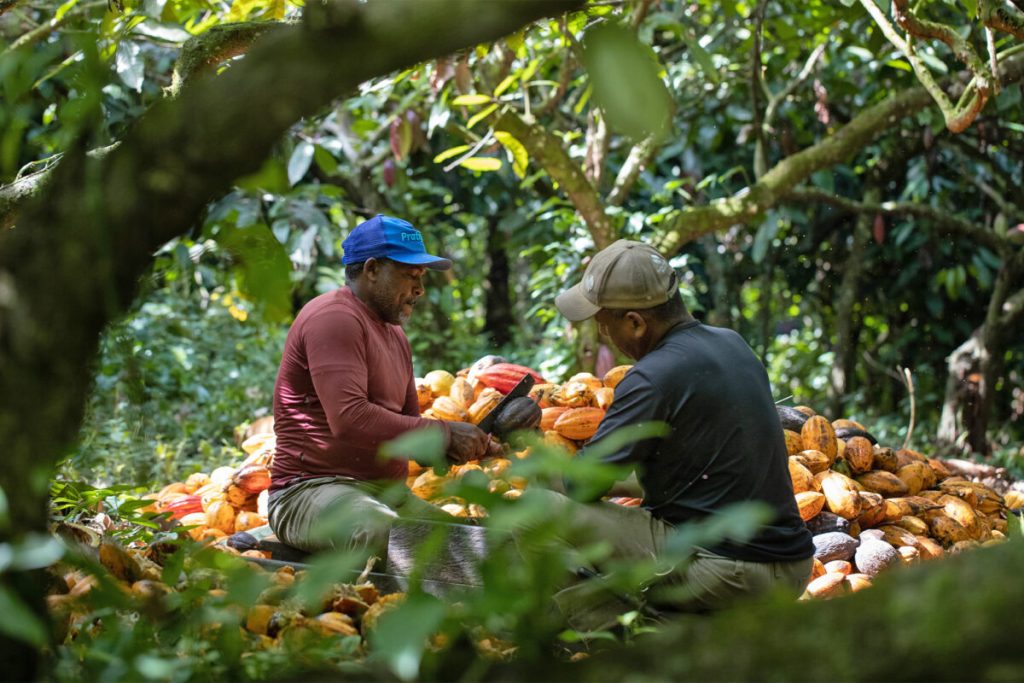
Here’s the deal—technology is completely changing the game when it comes to cocoa pollination. We’re seeing drones, robotic pollinators, and all sorts of high-tech equipment step up where manual labor used to dominate. These new tools? They’re not just cool gadgets, they’re actually solving real problems in cocoa pollination.
For cocoa producers, this means higher yields and less wasted effort. Based on research, drones with high-tech pollen systems, electric brushes, even trucks outfitted with blowers—these aren’t just futuristic gadgets, they’re the next phase in efficient pollination. Talking about the accuracy, its best, off the charts compared to old-school methods. And with global chocolate demand climbing every year, adopting this kind of innovation isn’t just trendy—it’s smart business. Companies that embrace these advancements are setting themselves up for sustainable growth and staying ahead of the competition.
- Drones: The New Age of Precision Pollination
Drones, they’re like the secret innovation of the cocoa world now. Picture this: instead of trudging through fields, sweating buckets, and hoping you didn’t miss a patch, you’ve got these buzzing, sky-high sidekicks giving you a full-on aerial show of your crops. It’s almost like farming meets sci-fi.
Chocolate doesn’t just magically appear, you know. Most of the world’s tastiest treats rely on bees and their crew to do the pollinating. But here come the drones, sliding into the DMs of agriculture, either backing up the bees or sometimes playing MVP. That means the odds of your cocoa beans making it through the pollination Olympics just shot way up—and with that, your yield gets a serious glow-up.
Thanks to the live-action drone footage, farmers can spot exactly where things look dicey. No more wandering around guessing or tossing resources around like confetti. Now, it’s laser focus—channel your inner crop ninja and get that sweet, sweet cocoa with way less waste.
- Robotic Pollinators: Mimicking Nature with Technology
Robotic pollinators are quickly becoming a practical solution for the ongoing issues in cocoa farming. With bee populations declining, these machines mimic the movement and function of natural pollinators, ensuring pollen gets where it needs to go. Honestly, designing an effective cacao robot comes with its fair share of challenges. Cacao flowers are incredibly delicate—think “handle with extreme care” levels of fragile. Our robotic arms have to be precise and gentle; if they’re not, we risk damaging the flowers during pollination, which could really impact productivity. It’s a fine balance between innovation and finesse, and, frankly, there’s not much room for error in this process.
The sophistication of robotic pollinators lies in their design, which often incorporates advanced sensors and AI-driven algorithms. This enables them to identify the optimal timing and conditions for pollination, significantly increasing the success rate compared to traditional methods. For example, recent trials have demonstrated that these robots can pollinate cocoa flowers with nearly 90% accuracy, resulting in a 20-30% increase in pod formation. As the technology continues to evolve, farmers are witnessing not just improved pollination rates but also a more sustainable approach to cocoa farming that aligns with environmental conservation efforts.
Innovative Solutions for Cocoa Pollination: Data-Driven Approaches
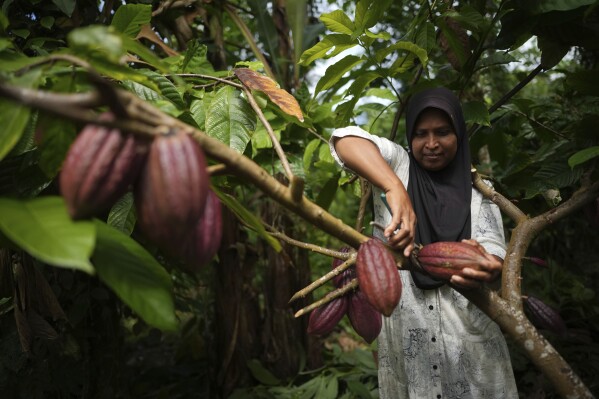
Cocoa farming isn’t stuck in the past anymore—it’s basically a numbers game now. These days, farmers are keeping tabs on which pollinators are actually getting the job done, and they’re digging into that data to squeeze out higher yields. Field data gets collected, patterns get analyzed, and decisions happen fast—because, let’s face it, no one can afford to just wing it.
Tech? Huge factor. Advanced tools and software give farmers a heads-up on pollinator shortages or climate surprises, way before they become real headaches. The payoff is pretty clear: smoother operations, more reliable supply chains, and, at the end of the day, a stronger bottom line for everyone in the cocoa business. It’s smart, it’s efficient, and honestly, it’s just good business.
- Using AI to Track Pollinator Activity
Artificial Intelligence (AI) is making significant strides in tracking pollinator activity, dramatically improving efficiency in cocoa pollination. AI-based data analysis is advancing information on cocoa flower visitors, their identity and implications for yields. AI is like the secret sauce in the cocoa game now. Picture this: no more farmers squinting at their crops and playing detective, trying to figure out which little bug is actually pulling its weight.
Nah, they’ve got high-tech eyes everywhere—sensors, cameras, you name it—catching every bee, beetle, or whatever else buzzing by. Now, people are making power moves in real time, dialing up their strategy like they’ve got cheat codes for nature. Yields go up, stress goes down, and honestly, it’s a win for anyone with a sweet tooth.
- Mapping Biodiversity: The Role of Geographic Information Systems
Geographic Information Systems (GIS) give cocoa farmers a serious edge when it comes to managing biodiversity. With GIS, you’re not just looking at bland data—you’re actually able to see, in real time, where pollinators are most active and how they move across the landscape. This isn’t just interesting; it’s actionable. Farmers can use these insights to tailor conservation efforts, supporting pollinator populations exactly where it counts. The direct result? Stronger pollinator presence and, ultimately, higher cocoa yields.
GIS technology offers powerful tools for understanding biodiversity on cocoa farms. By integrating various data sources—such as satellite imagery, ecological surveys, and species distribution models—farmers can create detailed maps that highlight key areas for conservation. For instance, identifying regions with high pollinator activity or habitats that require protection can lead to enhanced strategies for pollinator support.
Cultivating a Sustainable Future for Cocoa Farmers
Building a sustainable future for cocoa farmers hinges on a commitment to integrating innovative practices while addressing environmental concerns. By utilizing advanced agroecological methods and fostering biodiversity, farmers can enhance soil health and create resilient ecosystems. Efforts like promoting intercropping and shade cultivation not only preserve local wildlife but also improve cocoa yield, enabling farmers to secure their livelihoods while protecting the environment.
- Community Engagement: Empowering Farmers Through Innovation
Empowering farmers through community engagement is vital for successful adaptation of technology in cocoa farming. Workshops and local training programs enable farmers to share experiences, learn about sustainable practices, and access new technologies. This collaborative environment fosters a sense of ownership over innovation and encourages knowledge-sharing within communities, ultimately driving collective agricultural advancement.
For instance, community-led initiatives such as farmer cooperatives not only enhance farmers’ bargaining power but also facilitate access to funds for innovative tools and training. Organizations like the Cocoa Sustainability Partnership have provided platforms for farmers to voice their needs and collaborate on technology implementation.
Such partnerships have resulted in tangible changes, with some farmers reporting yield increases of up to 30% after receiving training on using data-driven pest management software. Empowering farmers through these innovations cultivates a cooperative spirit and drives sustainable growth across cocoa farming communities.
The Role of Research and Development in Cocoa Sustainability
Research and development initiatives play a critical role in enhancing the sustainability of cocoa farming. Through innovative methods and approaches, R&D provides solutions for challenges such as pest management, soil health, and climate resilience. Projects funded by different organizations often focus on developing new cocoa varieties that are more resistant to diseases and pests, thus ensuring consistent quality and yield.
- Collaborations Between Tech Companies and Agricultural Experts
Collaborative efforts between tech companies and agricultural experts foster the development of cutting-edge solutions for cocoa farming. For instance, partnerships have emerged where data analytics and agricultural science converge to create targeted interventions that improve pollination and crop health. These collaborations can lead to the implementation of precision agriculture techniques that optimize resource utilization and increase productivity.
- Funding and Resources for Innovative Cocoa Solutions
Money talks, right? Getting your hands on funding and resources is basically the golden ticket if you wanna shake things up in cocoa sustainability. You’ve got grants flying around, investment programs popping up—basically, a whole circus of people throwing their hats in the ring to support stuff like smarter pollination or whatever else boosts yields. NGOs, government folks, private investors… it’s like one big group project where everyone’s pitching in cash to keep the R&D wheels turning.
Honestly, there’s never been more cash sloshing around for this kind of thing. Organizations such as the World Cocoa Foundation are handing out support, and you’ve got all these private philanthropists trying to make a difference (and maybe score some good karma points). And it’s not just about old-school farming—these funds are backing some wild tech too. Think drones buzzing over fields, apps crunching farmer data, all that jazz to help people make smarter calls on the ground. The future of chocolate? Kinda high-tech, weirdly enough.
Summing up
Alright, cards on the table—tech is flipping the script on cocoa farming in a big way. I mean, drones buzzing over fields like tiny crop paparazzi, AI nerding out over pollination data, farmers checking real-time info on their phones instead of just squinting at the sky? Wild. This isn’t some Silicon Valley fever dream—it’s how stuff gets done now. And honestly, the difference shows up where it counts: more beans, healthier plants, less guesswork.
With bees and other pollinators dropping off the map, you can’t just cross your fingers and hope for the best anymore. This high-tech gear? It’s not a luxury, it’s survival mode. If you want cocoa farms that’ll actually be around in five, ten years, you gotta go digital. So yeah, investing in innovation? It’s less about chasing buzzwords, more about making sure chocolate doesn’t become some rare artifact.