Table of Contents
Cocoa prices have been all over the map lately—no thanks to inflation. In May 2024, the consumer price of cocoa and powdered chocolate in the EU was 6.3% higher than in May 2023. The consumer price of cocoa and powdered chocolate, already on the rise since early 2022.
Margins are tighter than ever, and those price jumps? They’re not just numbers on a chart; they hit your bottom line hard. You’ve gotta keep a close watch on market trends and always have backup plans ready. Staying ahead of these shifts isn’t optional—it’s survival. In this post, I’ll walk you through how inflation and cocoa prices are tangled up, plus some practical ways to keep your operations steady while competitors scramble.
The Interplay of Cocoa Prices and Inflation Dynamics

Cocoa prices? Wow they’re all over the place lately. Inflation kicks in, and suddenly everything’s pricier—fertilizer, workers, shipping, you name it. In fact, growing and moving cocoa beans isn’t cheap. So, chocolate companies are stuck—do they swallow those extra costs and hope for the best, or jack up prices and tick everyone off? Some try to split the difference, but honestly, that just ends up confusing shoppers and throwing their whole pricing game.
- Historical Trends: Cocoa Prices through Economic Turbulence
Honestly, cocoa kind of does its own thing during rough economic patches. Back in 2008, final crisis, cocoa prices actually shot up—guess investors figured chocolate was a safe bet when the world was losing its mind. But, when the economy getting better and things start balancing, cocoa prices usually mellow out too, sometimes even dropping as supply finally meets demand. If you’re making chocolate bars or running a factory, keeping an eye on these wild swings is just part of the game.
- The Role of Supply Chain Disruptions in Price Volatility
The cocoa market’s been on a wild ride lately, and you can blame a lot of that chaos on supply chain hiccups. Storms mess things up, politics in cocoa-growing countries get weird, and then—bam—something like COVID rolls in and throws a wrench in everything. Suddenly, it’s not just a little delay; we’re talking ships stuck, prices spiking, and buyers freaking out. The International Cocoa Organization basically said, “Yeah, this is out of control,” when prices shot up. Turns out, this market’s way touchier than people thought—one bad month and everyone’s scrambling.
So, let’s talk about the whole supply chain mess—2020 style. Cocoa prices? Shot up by more than 30% in some places, just because ships couldn’t get their act together. Ports were jammed, containers went missing, and shipping costs spiraled. It was like a bad game of Jenga, everything one bump away from collapse. And if that wasn’t enough, you’ve got the weather being all unpredictable thanks to climate change, wrecking cocoa plants left and right. Honestly, it was chaos for anyone trying to keep chocolate on the shelves.
Cocoa and Inflation: Demand in a Changing Economic Landscape
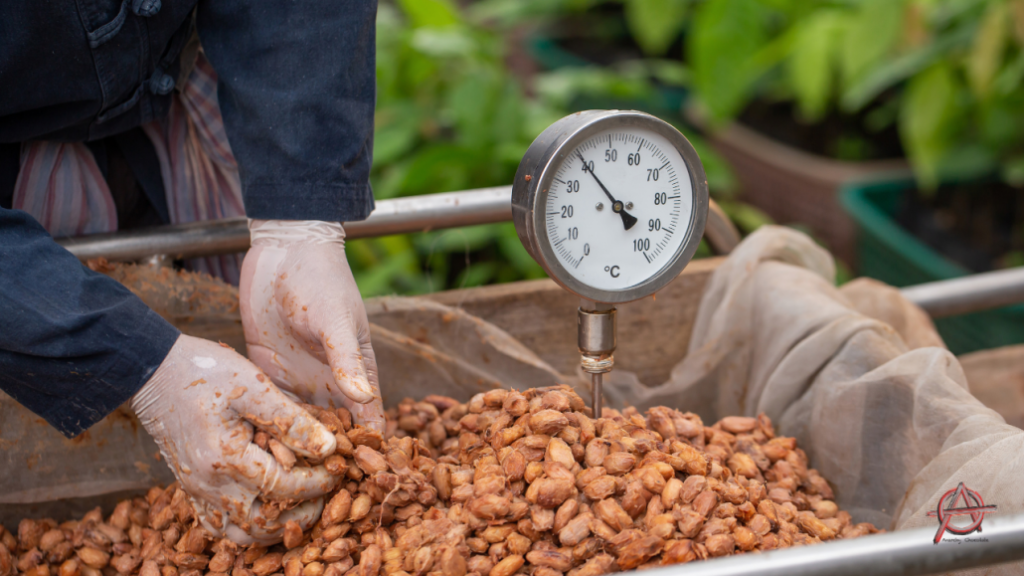
Inflation’s doing its weird dance, people are getting picky, and suddenly that fancy chocolate bar isn’t a must-have anymore. Prices jump around, folks start rethinking what they’ll actually splurge on, and bam, your whole manufacturing game has to pivot. If you’re not watching these trends, you’ll end up with warehouses full of unsold chocolate and some very confused supply chain management
- The Impact of Emerging Markets on Global Demand
Emerging markets—especially over in Asia and Africa—are flipping the cocoa game on its head. People have more cash to burn, middle class is blowing up, and now everyone wants their fix of chocolate goodness. I mean, did you see what the International Cocoa Organization said? Asia alone might ramp up cocoa demand by almost 30% in five years. That’s wild. If you’re in the chocolate business, now’s the time to jump in and ride that wave
Ccocoa brands have their eyes glued to emerging markets, and for good reason. As cities blow up and folks swap old habits for new ones, chocolate’s becoming the cool kid on the block, especially in places like India and China. Suddenly, premium and fancy-looking chocolate bars are fighting for shelf space, leaving the old-school sweets in the dust. But, it’s not just a “show up and sell” kind of scene. You’ve gotta tweak your stuff—think local flavors, wacky shapes, packaging that actually vibes with the crowd there.
Manufacturing Costs and Their Inflationary Pressures

Rising inflation has a significant impact on your manufacturing costs, leading to a comprehensive reevaluation of your pricing strategies. With various input factors on the rise, understanding how these dynamics affect your bottom line has never been more critical. You must conduct a thorough analysis of your production processes to identify the most affected areas and mitigate any adverse effects. Keeping tabs on cost increases across the board is crucial to ensure your brand remains competitive in a volatile economic landscape.
- Key Components of Cocoa Production Costs
Your cocoa production costs can be largely broken down into several key components, including raw materials, labor, and logistics. Each of these factors contributes differently to the overall expense and varies in sensitivity to inflationary pressures. Since cocoa is an agricultural product, the cost of inputs such as fertilizers, pesticides, and energy directly influences the price you pay per ton. Additionally, fluctuation in commodity prices due to weather patterns or geopolitical factors can create volatility in your supply chain.
- The Ripple Effects of Labor and Transportation on Prices
In the scheme, you’re running a manufacturing operation, labor and transportation costs can make or break your bottom line. Rising wages are one thing—workers expect more, and if you can’t meet those demands. Labor shortages? Even worse. Suddenly you’re paying a premium just to get enough hands on deck, and delays start piling up fast.
Then there’s transportation—a total wild card these days. Fuel prices shoot up, shipping lanes get clogged, and now you’re paying extra just to get your product out the door. Every bump in these costs gets tacked right onto the final price, and guess who’s footing the bill in the end? Yeah, your customers..
Strategic Responses for Manufacturers Facing Inflation
In light of rising inflation, manufacturers must develop proactive strategies to safeguard their operations and profitability. This involves a multidimensional approach encompassing innovative sourcing techniques, refined production methods, and adept pricing strategies that address both cost structures and consumer expectations. By adapting to the current economic landscape, you can navigate these challenges and maintain competitiveness in the cocoa market.
- Innovations in Cocoa Sourcing and Production
Let’s be real—diversifying your sourcing channels is just smart business. Partnering up with local farmers? That’s not just about looking good on paper. You get fresher products, more influence over what ends up on your shelves. And let’s talk tech. Automating parts of your production process or using smarter tools to track inventory can cut down on waste and bring down costs. No business is immune to inflation, but if you’re already running a lean, tech-savvy operation, you’re in a much stronger position to handle whatever the market throws at you.
- Pricing Strategies to Mitigate Profit Margins Erosion
Effective pricing strategies can help you cushion the impact of rising costs on profit margins. Implementing dynamic pricing models allows you to react swiftly to fluctuating cocoa prices and manage consumer demand. You might consider introducing tiered pricing structures, which offer different product variations at varying price points, thus capturing a broader audience while preserving margins on premium products.
By applying these pricing strategies, you can maintain profitability despite inflationary challenges. For instance, analyzing the price elasticity of your products enables you to optimize pricing without losing customers. Offering value-added features, such as organic certifications or unique blends, can justify higher price points. Additionally, transparently communicating cost changes to customers can cultivate trust and understanding, making them more amenable to accepting price adjustments.
Forecasting Future Trends in Cocoa and Economic Stability
Understanding potential future trends in the cocoa market requires a keen eye on broader economic indicators that can signal shifts in supply and demand dynamics. With inflationary pressures affecting various sectors, staying informed about key economic trends will enable you to better navigate the complex landscape of cocoa production and pricing. As you analyze market conditions, scrutinize the interplay between consumer behavior, global economic growth, and climate impacts—factors that will shape the cocoa industry in the coming years.
- Predicted Economic Indicators Affecting Cocoa Markets
Cocoa prices are, frankly, tied up with the same economic drama as everything else. Interest rates, GDP growth, currency swings—you name it, they’re all in play and will absolutely affect the cocoa market. When the economy tightens, consumers cut back on non-essentials, and yes, chocolate feels that pinch. Also, any tweak in agricultural policy from major cocoa exporters? That’s going straight to the heart of the supply chain and your pricing. It’s a web, and every strand matters for your business strategy.
- Long-term Implications of Inflation on Cocoa Supply
Inflation really shakes up the cocoa supply chain. Costs for essentials—labor, fertilizers, even irrigation—just keep climbing, and farmers end up feeling the pinch. Sometimes that means lower yields or a dip in quality. For businesses, this isn’t just a minor ‘hiccup’. Sourcing strategies get complicated, pricing models need constant tweaks, and profit margins start looking slimmer. Honestly, it turns into a chain reaction that can throw off the whole operation.
When inflation refuses to ease up, investors start to get cold feet about putting money into cocoa production. Rising costs across the board—fertilizer, labor, you name it—make returns look pretty shaky. In West Africa, which dominates the global cocoa scene, farmers might hold off on upgrading equipment or expanding their farms. They’re not going to pour cash into improvements if the math doesn’t add up. This kind of hesitation leads to stagnation in supply. With fewer new investments and limited output, cocoa prices climb, and the market faces increased volatility.
Conclusion
Grab your cocoa wherever fate (or a good sale) takes you—maybe it’s a sketchy bodega, maybe it’s Aunt Patty’s secret stash. Keep those eyes wide open for prices creeping up, because they’re slipperier than a greased weasel. And don’t glue yourself to one plan—pivot, swerve, improvise! Running a business? Please. It’s basically extreme dodgeball in a thunderstorm, and only the wild, the weird, and the brainy make it out with stories worth hearing.
https://shorturl.fm/HdYYo
Comments are closed.