Table of Contents
Cocoa powder is an essential commodity for Indonesia. Some Indonesians commonly use cocoa powder to improve their mood. That happens because cocoa powder contains chemical compounds such as caffeine in cocoa powder, theobromine, and phenylethylamine, which can improve mood effectively.
Increased use of cocoa powder may enhance working memory, attention, and overall cognitive function, according to research. It might also aid those who have lost sleep in regaining their cognitive function. Zinc, selenium, and iron are all found in cocoa powder. These minerals support the immune system and aid in bodily functions.

Based on the data reported by Indonesia Investments, shows that Indonesia will produce 160,000-180,000 metric tons of cocoa beans in 2024. This figure can be converted to around 3% of the world’s cocoa bean production. This high production value can be caused by high demand from within and outside the country.
Did you know that cocoa powder contains caffeine, like coffee and tea? Do you want to learn interesting facts about caffeine in cocoa powder? Here we present the complete and exciting information about cacao caffeine content that you must know:
Does cocoa powder has a high caffeine?
No, compared to coffee and tea, cocoa powder does not contain a lot of caffeine. According to British Journal of Clinical Pharmacy, the cocoa bean has a high fat content, accounting for at least 50% of its weight. Proteins or nitrogenous substances, such as theobromine (1.0–2.5%) and caffeine (0.06–0.4%), rank second in importance. Above all, cocoa beans are a dense source of antioxidants, specifically flavonoids, with significant amounts of flavan-3-ols and their derivatives.

Does cocoa powder has higher caffeine than coffee?

The level of caffeine in cocoa powder may be higher than that in coffee. According to a study published in the Journal of Caffeine Research, specific varieties of cocoa powder have about 20-80% more caffeine content per weight than some varieties of coffee. These findings suggest consumers to choose the right type of cocoa powder according to their daily consumption needs.
The amount of caffeine in cold brew, instant coffee, espresso, and French pressed coffee varies. Caffeine, for instance, is 95 mg in an 8 oz (230 ml) cup of brewed coffee, however filling the same cup with instant coffee would only provide about 55 mg. In contrast, one ounce (30 milliliters) of espresso has an astounding 63 milligrams.
Similar considerations apply to the type of cacao bean, its origin, and its cacao content. Caffeine content therefore increases with chocolate’s color. Since cocoa butter doesn’t contain caffeine, 1 oz (28 g) of 70–85% dark chocolate has about 24 mg of caffeine, while white chocolate has zero mg.
Is there caffeine in pure cacao powder?
Yes, there is caffeine in pure cacao powder. Cacao beans contain caffeine naturally, and this caffeine carries over into cacao powder during the processing of the beans. A study published in the Journal of Food Science investigated the cacao caffeine content of different cocoa and chocolate products, including cacao powder. The study found that pure cacao powder contained an average of 13 milligrams of cocoa caffeine content per gram of weight.
Which has more caffeine, tea or cocoa?
Tea typically has more caffeine than chocolate, just like coffee. A 50g serving of dark chocolate contains about the same amount of caffeine as an average cup of tea. Some types of cocoa powder have a higher caffeine content than tea.
A Journal of Food Science study indicates that cocoa powder beats green tea regarding caffeine content. That’s quite a surprising fact. However, black tea variety is still superior to cocoa powder due to the caffeine content of around 40 mg per 8 ounces.
Does cocoa keep you awake?

Due to the caffeine in cocoa and chocolate goods, eating them can keep you alert. The natural stimulant included in cocoa powder, caffeine, helps people stay awake and fights weariness. Finding a product to lessen the negative effects of sleep deprivation has attracted a lot of attention. One food that has drawn a lot of interest due to its high flavonoid concentration and possible cardiovascular benefits is cocoa, which is often a powdered form of chocolate “beans.” It has been discovered that flavanols, a subclass of flavonoids that includes theaflavins, proanthocyanidins, epicatechins, catechins, and therubigins, enhance endothelial function by boosting nitrous oxide availability (helping with blood pressure regulation).
What is the difference between cacao powder and cocoa powder?
Notwithstanding their differences, “cocoa powder” and “cacao powder” are sometimes used interchangeably. Generally speaking, “cacao powder” refers to the uncooked, raw form of cocoa powder produced by crushing cacao beans. In comparison to cocoa powder, cacao powder often contains higher levels of minerals including flavonoids and antioxidants.
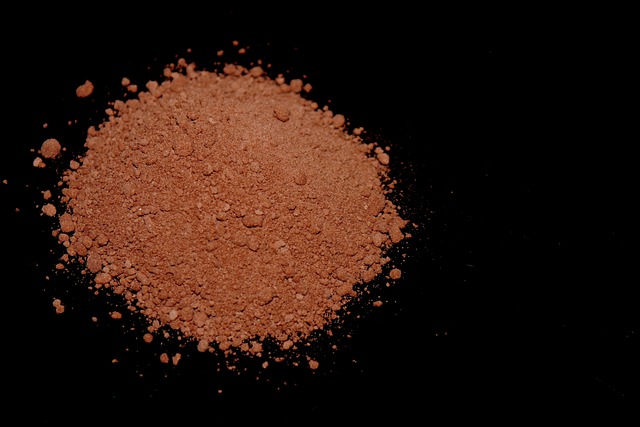
On the other hand, “cocoa powder” refers to the refined form of cacao powder that has undergone high-temperature heating and occasionally alkali treatment to lessen bitterness and acidity. This procedure, referred to as “Dutch processing,” produces a powder that is smoother, darker, and has a milder flavor.
Is cacao 99.9 percent caffeine-free?
You need to process it properly to get 99.9 percent cacao free of caffeine. Brewing with hot water can make cacao 99.9 percent caffeine free. This cocoa powder should only contain 0.1% caffeine. This process is known as decaffeinated. This cocoa powder is suitable for those of you who want to consume it before going to bed but don’t want to disturb the quality of your sleep.
Is it OK to drink cocoa before bed?
A study published in the Journal of Hypertension investigated the effects of caffeine in cocoa powder on sleep quality. In this study, participants consumed either a high dose of cocoa (500 mg of flavanols) or a low dose (placebo) 1 hour before bedtime for five consecutive nights. The study found that consuming high-dose cocoa did not negatively affect sleep quality and may have even improved some aspects of sleep, such as overall sleep quality and time spent in deep sleep.
While this study suggests that consuming cocoa before bed may not negatively impact sleep quality, it’s worth noting that individual responses to caffeine and other stimulants can vary. Cocoa contains some caffeine and may also contain other compounds that could potentially affect sleep in some people. Therefore, if you are sensitive to caffeine or have difficulty sleeping, avoid consuming cocoa or other sources of caffeine close to bedtime.
Can I drink cocoa powder at night?
In the study published in PubMed, researchers investigated the effects of cocoa consumption on sleep in individuals with obstructive sleep apnea (OSA). OSA is a common sleep disorder characterized by recurrent episodes of partial or complete obstruction of the upper airway during sleep, leading to disrupted sleep and other health problems.

The study involved 20 adults with OSA who were randomized to consume either a cocoa beverage containing 500 mg of cocoa flavanols or a placebo beverage before bedtime for two weeks. Sleep was assessed using polysomnography, a non-invasive technique that records brain waves, eye movements, and other physiological parameters during sleep.
The study showed that cocoa consumption did not significantly affect sleep duration, efficiency, or architecture in individuals with OSA. However, it’s important to note that cocoa contains caffeine and other stimulants that can vary in concentration depending on the type and brand of cocoa powder used. While the amount of caffeine in cocoa powder is generally lower than in coffee, it can still affect some people’s ability to fall or stay asleep.
Does cocoa powder disrupt sleep?

The study published in PubMed investigated the effects of caffeine and theobromine, two stimulants found in cocoa, on sleep in healthy adults. The study included 14 participants (7 men and seven women) who consumed capsules containing either caffeine, theobromine, or a placebo on separate nights. The amount of caffeine and theobromine in the capsules was equivalent to that found in a standard cup of coffee or a serving of cocoa.
The participants wore wrist actigraphs to measure their sleep patterns, and they also completed subjective ratings of sleep quality and sleepiness the following morning. The results showed that caffeine and theobromine significantly decreased sleep duration and increased the time participants fell asleep compared to the placebo. Additionally, caffeine and theobromine decreased subjective ratings of sleep quality and increased subjective ratings of sleepiness the following morning. The findings suggest that consuming cocoa powder or other sources of caffeine too close to bedtime may adversely affect sleep quality and duration in healthy individuals.
Is 100% cocoa a stimulant?

Due to the presence of the stimulants theobromine and caffeine, 100% cocoa can be classified as a stimulant. There isn’t as much caffeine in pure cocoa or 100% cocoa solids as there is in coffee or tea. Theobromine and phenylethylamine, among other stimulant-producing substances, are also found in cocoa. A milder and more enduring stimulant than caffeine, theobromine is a naturally occurring stimulant that is present in cocoa and chocolate. Moreover, it is thought to have mood-lifting and appetite-suppressing effects.
A study found that consumption of 100% cocoa significantly improved attentional control and subjective alertness compared to a placebo, suggesting that it may have stimulant effects. However, the study did not precisely measure cocoa caffeine content in the 100% cocoa used, so whether the stimulant effects were due to caffeine or other compounds in cocoa is still being determined.
How to Choose Best Quality Cocoa Powder
Indonesia become one of the best cocoa producers. Although a large portion of Indonesia’s cocoa has historically been sold unfermented, an FAO report from January 2024 notes that attempts are being made to switch to fine/flavor-grade beans. Offering price rewards for superior quality and educating farmers on improved fermentation and drying techniques are two examples of this. For well-processed beans, some producers currently receive up to three times the price.
Here’s some tips to choose best cocoa powder.
Select Natural or Non-Alkalized Cocoa Powder.
Natural flavonoids, which are antioxidants that promote heart health, cognitive function, and inflammation reduction, are more abundant in non-alkalized cocoa. It retains more nutrients yet tastes a little harsh.
Verify that there is little processing
In search of cocoa powder, look for labels that say “raw” or “minimally processed.” Due to their reduced exposure to extreme heat and chemical processes, these products aid in the preservation of antioxidant components.
Examine the list of ingredients
100% cocoa or 100% cacao should be the only ingredient in premium cocoa powder. Steer clear of anything with artificial flavors, fillers, or extra sugars.
Verify the Fat Content
Cocoa butter (fat), which can provide a richer texture and more gratifying flavor, is typically present in natural cocoa powder. For balance, look for powders with 10–20% fat.
Looking for high-quality chocolate to elevate your products? Discover the rich taste and premium quality of chocolate from Cocoanusa. We offer a wide range of cocoa powders, chocolate chips, compounds, and fillings—perfect for bakeries, beverage makers, and food manufacturers. Our ingredients are crafted for exceptional flavor, consistency, and performance in every batch.
Whether you’re scaling your business or launching a new product, Cocoanusa provides reliable chocolate solutions to meet your needs. Reach out to contactus@cocoanusa.com for more information and tailored support.