Table of Contents
- Nutritional Profile of Peanuts
- Heart Health Benefits of Peanuts
- Peanuts and Weight Management
- Protein Source for Vegetarians and Vegans
- Benefits of Dietary Fiber in Peanuts
- Potential Neurological Benefits of Peanuts
- Peanut Skin: An Often Overlooked Nutrient
- Peanuts and Antioxidant Capacity
- Cooking and Preparation Methods
- Allergies and Intolerances
- Moderation in Peanut Consumption
- Dietary Recommendations and Guidelines
- Cultural and Global Perspectives on Peanuts
- Final Words
Many studies show peanuts offer concentrated nutrition and clear peanuts health benefits; peanuts health benefits include protein for muscle repair, fiber for digestion, and monounsaturated fats for heart support—peanuts health benefits extend to antioxidant and micronutrient provision, aiding metabolic balance. For your diet, peanuts health benefits include satiety and blood sugar moderation, and population data links regular consumption to lower cardiovascular risk, so include modest portions to maximize peanuts health benefits while controlling calories.
Nutritional Profile of Peanuts
You get a nutrient-dense package: a 1 oz (28 g) serving of peanuts delivers about 160–170 kcal, ~7 g protein, ~14 g total fat (mostly monounsaturated and polyunsaturated), ~4–6 g carbohydrates and ~2 g fiber, which explains many peanuts health benefits by supporting satiety, muscle maintenance and steady energy. You can use peanuts as a compact snack to boost daily nutrient density without adding empty calories, and their profile makes them useful in weight management and plant-forward diets.
Macronutrients: Protein, Fat, and Carbohydrates
You’ll find ~7 g protein per ounce, rich in arginine and other necessary amino acids though not fully complete, so pairing with grains boosts quality; about 14 g fat per ounce is roughly split between ~7 g monounsaturated, ~4 g polyunsaturated and ~2–3 g saturated fat, supporting heart-friendly lipid profiles when replacing saturated fats. You should note that these macronutrient ratios underlie many peanuts health benefits, especially for appetite control and metabolic health.
Micronutrients: Vitamins and Minerals
You obtain notable amounts of B vitamins and minerals from peanuts: one ounce provides roughly 3–4 mg niacin (~20–25% DV), measurable folate, vitamin E (around 10–15% DV), and minerals such as magnesium, phosphorus and zinc, all contributing to energy metabolism, nerve function and antioxidant defenses. You’ll see these micronutrient contributions often cited when discussing peanuts health benefits for those on plant-forward or calorie-conscious plans.
You should consider bioavailability: peanuts contain phytic acid that modestly binds minerals, but typical diets dilute that effect and roasting slightly alters nutrient availability. You can boost mineral uptake by combining peanuts with vitamin C–rich foods; clinical data show regular nut consumption improves nutrient status in many cohorts, reinforcing peanuts health benefits for dietary adequacy in vegetarian and mixed diets.
Antioxidants and Phytochemical Content
You’ll find peanuts supply polyphenols including resveratrol, p‑coumaric acid and various flavonoids, plus vitamin E, which together reduce oxidative stress markers in lab and population studies. You can leverage these compounds for cellular protection and cardiovascular support; their presence is one reason researchers highlight peanuts health benefits alongside other nuts in heart-disease risk reduction studies.
You can affect phytochemical levels by choosing raw versus roasted: light roasting often preserves or even enhances extractable polyphenols, while heavy processing can reduce them. You should note intervention studies report peanut polyphenols lower LDL oxidation in vitro and cohort analyses associate regular peanut intake with up to ~20% lower coronary risk, lending mechanistic and epidemiological weight to the peanuts health benefits narrative.
Heart Health Benefits of Peanuts
You gain a concentrated mix of monounsaturated fats, fiber, plant sterols, magnesium and arginine that support lipid metabolism and vascular tone. A 1 oz (28 g) serving delivers ~7 g protein, ~2 g fiber and ~14 g mostly heart-healthy fat, so these peanuts health benefits show up in improved biomarkers across clinical feeding studies and population analyses.
Impact on Cholesterol Levels
When you include peanuts regularly, LDL cholesterol tends to fall: meta-analyses of nut interventions report average LDL reductions of about 5–10%. Peanuts health benefits stem from MUFAs, PUFAs, fiber and plant sterols that competitively reduce cholesterol absorption and raise LDL receptor activity, with typical effects seen after several weeks of daily 1 oz servings.
Role in Blood Pressure Regulation
Because peanuts supply arginine, magnesium and potassium, you can improve endothelial function and vasodilation—mechanisms linked to modest blood pressure lowering. Clinical trials of nut-enriched diets show average systolic drops in the range of ~1–3 mmHg, so peanuts health benefits include small but meaningful reductions in ambulatory and clinic blood pressure for many people.
Mechanistically, you benefit from arginine-driven nitric oxide production that relaxes smooth muscle, while magnesium and potassium support electrolyte balance; in randomized feeding studies, these pathways translated to improved flow-mediated dilation and lower ambulatory systolic readings after 4–12 weeks, reinforcing the peanuts health benefits for vascular reactivity.
Cardiovascular Disease Risk Reduction
Observational cohorts and pooled analyses link regular nut consumption with lower CVD risk—typically ~15–30% lower coronary heart disease risk for one daily serving—which suggests peanuts health benefits extend beyond biomarkers to hard outcomes when they replace processed snacks or red meat in your diet.
In more detail, you get dose-response advantages: adding one 28 g serving of peanuts most days correlates with progressive risk reductions in large prospective studies, and substitution analyses estimate a comparable drop in CVD events when peanuts replace equivalent-calorie sources of saturated fat, highlighting practical peanuts health benefits for long-term prevention.
Peanuts and Weight Management
Satiety and Satisfaction Factors
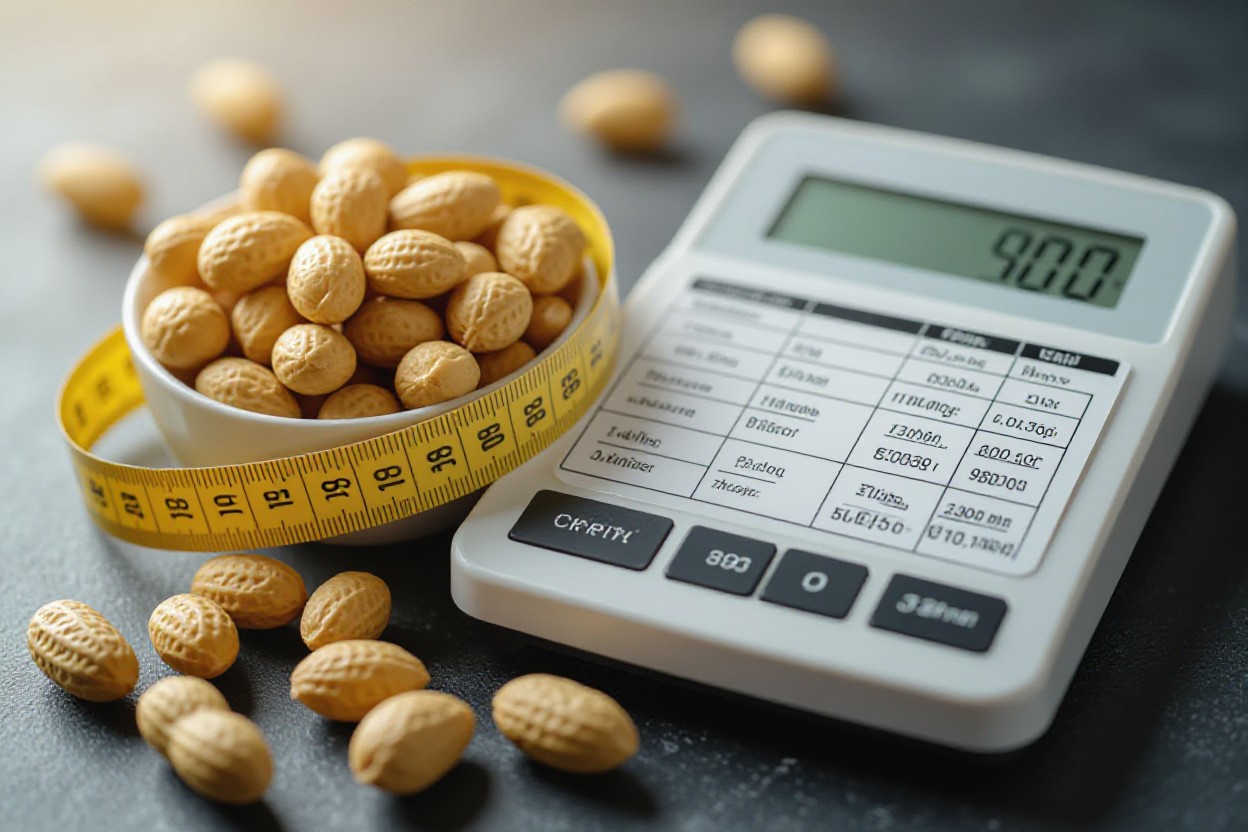
You get strong satiety from peanuts thanks to protein, fiber and healthy fats—about 1 ounce (28 g) supplies ~161 kcal, 7 g protein and 2.4 g fiber—so a small handful fills you.
- Protein slows gastric emptying
- Monounsaturated fats increase fullness signals
- Fiber and crunchy texture promote oral satisfaction
Perceiving that handful as a satisfying mini-meal helps you avoid frequent grazing while enjoying peanuts health benefits.
Relationship with Overeating Prevention
You can reduce overeating risk by swapping refined snacks for peanuts; one ounce (≈28 g) provides sustained energy so you eat less later. Large cohort studies link regular nut intake to modestly lower long-term weight gain, supporting peanuts health benefits for appetite control.
When you choose peanuts, their protein–fat blend prompts longer-lasting satiety hormones and slows glycemic rises, so cravings subside sooner. Swap a 250 kcal bag of chips for a 1-ounce portion of peanuts (~160 kcal) and you’ll often consume fewer overall daily calories, a practical demonstration of peanuts health benefits.
Nutritionally Balanced Snacking
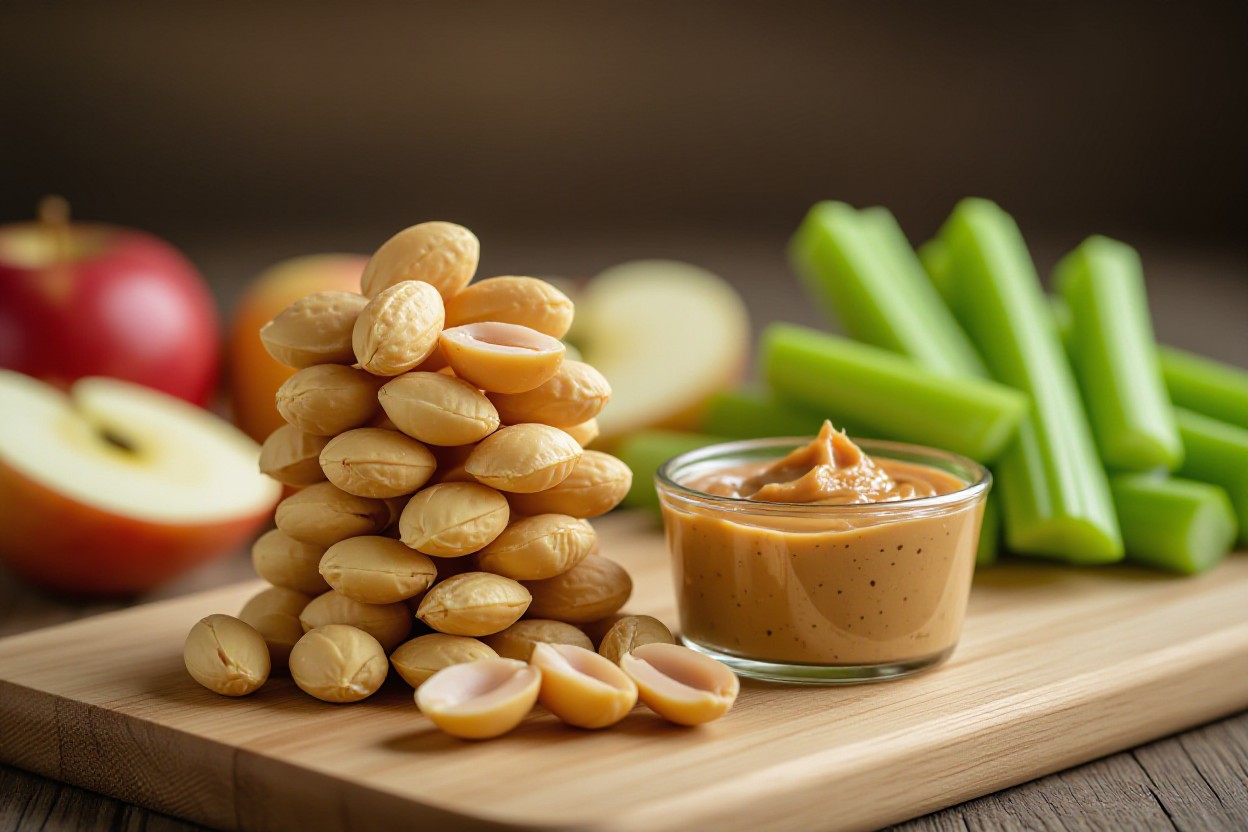
For balanced snacking, pair 1–2 tablespoons of peanut butter or a 1-ounce handful with fruit or yogurt to add vitamins and carbs; this mix gives 6–14 g protein depending on portion and stabilizes blood sugar. Try apple slices with 1 tbsp peanut butter to see peanuts health benefits in a practical snack that curbs late-afternoon hunger.
You can boost protein to 10–15 g per snack by combining peanuts with Greek yogurt or a small banana, gaining fiber, potassium and magnesium along with healthy fats. Pre-portioning and choosing unsalted or dry-roasted options keeps sodium and calories in check while preserving core peanuts health benefits.
Protein Source for Vegetarians and Vegans
You can rely on peanuts as a dense, plant-based protein: about 25–26 g per 100 g and roughly 7 g in a 1 oz (28 g) serving. They’re shelf-stable and budget-friendly, supplying vitamin E, niacin and magnesium alongside protein. If you’re building a vegetarian or vegan plate, peanuts help boost protein intake without animal sources, and their fiber and healthy fats support sustained energy—one practical reason people cite when discussing peanuts health benefits.
Plant-Based Protein Advantages
For your meat-free meals, peanuts offer concentrated protein plus roughly 2–3 g fiber and 14 g monounsaturated fat per ounce, which helps satiety and nutrient absorption. You’ll also get folate and iron, making them efficient for meeting micronutrient needs on a plant-based diet. Use peanut butter, roasted peanuts, or peanut sauces to raise protein density in salads, bowls, and smoothies while enjoying the documented peanuts health benefits.
Amino Acid Profile of Peanuts
Peanuts are a high-protein legume but they’re not a complete protein on their own—the limiting amino acid is methionine (and cysteine to a lesser extent), while arginine levels are relatively high. When assessing protein quality for your diet, note that peanuts supply substantial amounts of lysine-complementing amino acids but need pairing with methionine-rich cereals or seeds to cover all necessary amino acids, a key detail for maximizing peanuts health benefits.
To deepen your understanding, consider the practical example of therapeutic foods: peanut-based Plumpy’Nut delivers dense protein and calories in emergency settings, demonstrating the nutrient potency of peanuts. You can emulate similar pairings at home—combine peanuts with rice, corn, quinoa or whole-grain bread to balance methionine and lysine. This strategy enhances overall protein quality and leverages peanuts health benefits in everyday meals.
Complementing Other Protein Sources
Pairing peanuts with grains or seeds raises the biological value of your meals: think peanut butter on whole-grain toast, rice with a peanut sauce, or a stir-fry with peanuts and tofu. These combinations give you complementary amino acid profiles and increased satiety, while adding about 7 g protein per ounce of peanuts—practical, flavorful ways to harness peanuts health benefits.
Put it into practice: start the day with 2 tbsp peanut butter (~8 g protein) on whole-grain toast (3–5 g protein), have a lunch bowl of brown rice with roasted peanuts and vegetables, and snack on a handful (1 oz) of peanuts for another 7 g. Spreading complementary proteins across meals means you don’t need to complete amino acid profiles in every bite—this flexible approach maximizes peanuts health benefits across your daily intake.
Benefits of Dietary Fiber in Peanuts
Digestive Health and Function
You get about 8–9 g of fiber per 100 g of peanuts and roughly 2.4 g in a 1 oz (28 g) serving, which increases stool bulk and helps prevent constipation by speeding transit through the colon. When you include peanuts in snacks or meals, their fiber plus healthy fats supports regularity and reduces bloating; this is one reason people cite peanuts health benefits for everyday digestive resilience.
Blood Sugar Control Mechanisms
Fiber in peanuts slows carbohydrate absorption and, together with protein and monounsaturated fats, blunts postprandial glucose spikes, so when you add a 1 oz handful of peanuts to a carb-rich meal you lower glycemic response compared with the meal alone. Those effects are central to peanuts health benefits for people managing blood sugar variability.
Additionally, peanuts supply magnesium (about 160–170 mg per 100 g), which you need for insulin signaling, and their soluble fibers can form a viscous layer in the gut to delay gastric emptying; both mechanisms—plus fermentation to short-chain fatty acids—contribute to improved insulin sensitivity and strengthen the peanuts health benefits linked to metabolic control.
Impact on Gut Microbiota
Peanut fiber and polyphenols act as substrates for gut microbes, promoting short-chain fatty-acid producers like butyrate-forming species; you can boost microbial diversity by eating peanuts regularly, which is one documented aspect of peanuts health benefits. Including skins (as in dry-roasted, unsalted varieties) increases polyphenol delivery and prebiotic potential.
Microbial fermentation of peanut-derived fiber yields acetate, propionate and butyrate, which you rely on for colonocyte energy, appetite regulation and anti-inflammatory signaling; studies showing shifts toward Bifidobacterium and other beneficial genera help explain why microbiome modulation is a meaningful part of peanuts health benefits.
Potential Neurological Benefits of Peanuts
You can tap into peanuts health benefits for brain support because a 28 g (1 oz) serving delivers about 7 g protein, ~4 mg niacin, ~2.4 mg vitamin E and magnesium—nutrients tied to neuronal metabolism and vascular health. Clinical and observational data linking nut-rich diets to slower cognitive decline make peanuts an easy, affordable way to bolster antioxidant defenses and B-vitamin status. If you add a daily handful, you target multiple pathways by which peanuts health benefits may support long-term brain resilience.
Cognitive Function and Brain Health
You’ll find evidence from trials like PREDIMED and cohort studies such as the Nurses’ Health Study showing nut-enriched diets associate with smaller declines in memory and executive function. One ounce of peanuts supplies key cofactors (niacin, folate) that support neurotransmitter synthesis and cerebral blood flow. By including peanuts regularly, you harness peanuts health benefits linked to improved processing speed and verbal memory in older adult subgroups observed in these studies.
Antioxidants and Neuroprotection
Peanuts contain vitamin E, p-coumaric acid and low levels of resveratrol-like polyphenols that reduce oxidative stress implicated in neurodegeneration. You benefit because vitamin E (~2–3 mg per ounce) protects lipid membranes while polyphenols scavenge free radicals in lab models. Population analyses tying antioxidant-rich nut consumption to lower Alzheimer’s risk suggest peanuts health benefits include reducing oxidative damage to neurons and cerebral vessels.
In cellular and rodent studies, p-coumaric acid and peanut-derived polyphenols lowered markers of inflammation and oxidative injury and improved maze performance, indicating mechanistic neuroprotection. You should note these are preclinical findings, yet they complement human data; combining a 28 g daily serving with other Mediterranean-style foods amplifies peanuts health benefits through synergistic antioxidant and anti-inflammatory effects.
Serotonin and Mood Regulation
Peanuts offer tryptophan within their ~7 g protein per ounce and supply magnesium (~49 mg per ounce), both supporting neurotransmitter synthesis and regulation of mood. You can use peanuts as a protein-rich snack that helps supply precursors for serotonin and stabilize blood sugar, which indirectly supports emotional stability. Several cohort studies link higher nut intake with fewer depressive symptoms, reinforcing peanuts health benefits for mood.
Mechanistically, tryptophan competes with other amino acids to cross the blood–brain barrier, so pairing peanuts with a modest carbohydrate source can enhance serotonin synthesis for you. Additionally, magnesium from a daily handful helps modulate NMDA receptors and stress responses, further explaining how regular peanut consumption contributes to the broader peanuts health benefits for mood regulation.
Peanut Skin: An Often Overlooked Nutrient
Peanut skins, which account for roughly 1–3% of the nut’s weight, pack concentrated polyphenols that amplify peanuts health benefits; when you leave skins on you preserve extra fiber and antioxidants. Research shows skins contribute a large share of the nut’s free‑radical scavenging activity, so you can boost peanuts health benefits with minimal flavor change. For practical tips on peanut products see The Healthy Perks of Peanut Butter | Denver Health …. Overall, using skins enhances peanuts health benefits without added calories.
Nutritional Value of Peanut Skin
In a 28 g (1 oz) serving you already get about 7 g protein, 14 g fat and roughly 2 g fiber; leaving skins on can add roughly 0.5–1 g extra fiber plus trace minerals such as magnesium and potassium, increasing peanuts health benefits. You also gain more tannins and phenolic compounds per serving, which shifts the nutrient profile toward additional plant‑based phytonutrients you can count on for daily intake.
Antioxidant Properties of Resveratrol
Resveratrol and other polyphenols concentrated in skins deliver antioxidant effects that support vascular health; while peanut resveratrol levels are lower than red grapes, they still contribute to overall antioxidant capacity and therefore to peanuts health benefits. You should view peanut skin antioxidants as a complementary source alongside other polyphenol‑rich foods to broaden your dietary protection.
At a molecular level, resveratrol scavenges free radicals, modulates inflammatory pathways (e.g., NF‑κB), and supports endothelial nitric oxide availability; these mechanisms explain how peanuts health benefits may extend to improved circulation. Clinical human data are limited, but in vitro and animal studies show dose‑dependent antioxidant and anti‑inflammatory actions, suggesting regular consumption of skin‑included peanuts raises your dietary polyphenol exposure.
Culinary Uses of Peanut Skins
You can use peanut skins in smoothies, baked goods, or roasted as a crunchy topping to amplify texture and peanuts health benefits without added sugar. Try adding 1 tablespoon of finely ground skins to muffins, swirling skins into granola, or using them as a nutty umami dust for roasted vegetables to increase fiber and phytonutrient density in everyday dishes.
To make peanut‑skin powder: spread skins on a baking sheet, roast at 150°C (300°F) for 6–8 minutes until crisp, then cool and mill to a fine powder; one tablespoon yields about 2–3 g of extra fiber and concentrated polyphenols, so you can fortify sauces, yogurts, or protein shakes and get measurable peanuts health benefits with each serving.
Peanuts and Antioxidant Capacity
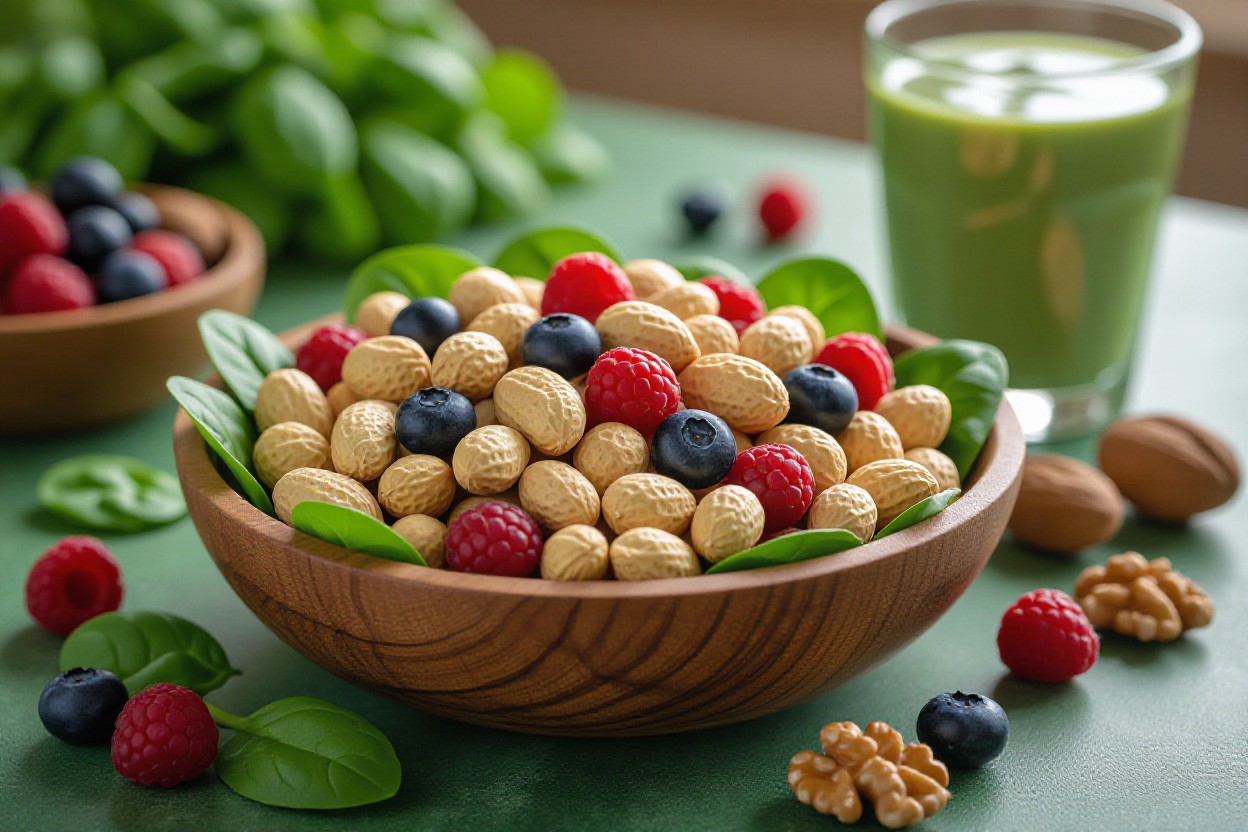
You’ll find peanuts deliver notable antioxidant value through flavonoids, resveratrol and phenolic acids concentrated especially in the skins, and these compounds support many of the peanuts health benefits you’ve read about. Studies link regular peanut intake to better cardiovascular markers; see Peanuts linked to same heart, longevity benefits as more … for context on population-level outcomes related to peanuts health benefits.
Comparison with Other Nuts
You should weigh antioxidant profiles alongside macros: peanuts give ~25 g protein per 100 g and strong polyphenol content, while walnuts and almonds supply higher ALA or vitamin E respectively, so balance for targeted peanuts health benefits in your diet.
Antioxidant and nutrient comparison
| Peanuts | Other common nuts (almonds, walnuts) |
|---|---|
| Rich in flavonoids, resveratrol-like compounds; ~25 g protein/100 g | Walnuts higher in ALA (~9 g/100 g); almonds high in vitamin E (~25 mg/100 g) |
| Antioxidants concentrated in skins; roasting retains many polyphenols | Walnuts provide more polyunsaturated fats; almonds offer more tocopherols |
Health Benefits of Antioxidants
You’ll gain antioxidant-driven benefits from peanuts such as reduced LDL oxidation and lower systemic inflammation, mechanisms that underpin several documented peanuts health benefits in observational studies and controlled trials.
More specifically, the flavonoids and phenolic acids in peanuts scavenge free radicals and modulate inflammatory pathways; clinical markers—like oxidized LDL and CRP—tend to improve when you replace refined snacks with nuts, offering measurable reductions in oxidative stress over weeks to months.
Role in Chronic Disease Management
You can use peanuts strategically to support chronic disease management: their antioxidants and MUFAs help improve lipid profiles and insulin sensitivity, which contributes to broader peanuts health benefits for cardiometabolic risk reduction.
In practice, substituting 30–50 g/day of peanuts or mixed nuts for less healthy calories has been associated in cohort studies with lower incidence of coronary events and type 2 diabetes; integrating peanuts into meals also helps you control postprandial glucose and maintain anti-inflammatory dietary patterns.
Cooking and Preparation Methods
Roasting at 325°F (160°C) for 10–15 minutes brings out flavor and can increase antioxidant availability, while dry-roasting avoids added oils that undermine peanuts health benefits. You can also lightly toast crushed peanuts as a garnish or simmer boiled peanuts for a softer texture used in Southern recipes. Keep portion control in mind: a 1-ounce (28 g) serving delivers about 7 g protein and 170–200 kcal, helping you enjoy peanuts health benefits without excess calories.
Best Practices for Healthy Consumption
Aim for about 1 ounce (28 g) per serving to leverage peanuts health benefits without overshooting calories; that serving gives ~7 g protein and 2 g fiber. Choose unsalted or low-sodium options (under 140 mg sodium per serving) and pair peanuts with fresh fruit or whole-grain crackers to boost satiety. If you roast at home, use a dry method or a teaspoon of olive oil per cup to preserve the nuts’ nutrient profile and peanuts health benefits.
Homemade Peanut Butter vs. Store-Bought
Making peanut butter at home lets you control ingredients—usually just roasted peanuts and a pinch of salt—so you maximize peanuts health benefits and avoid added sugar or unnecessary oils common in some commercial jars. You’ll often get 2 tablespoons yielding ~190 kcal and 7–8 g protein; compare labels and choose store brands with only peanuts (and maybe salt) if you can’t make your own to retain those peanuts health benefits.
To make a simple batch, process 12 ounces (340 g) of roasted peanuts in a food processor for 2–5 minutes until creamy, adding 1 tsp salt or a teaspoon of neutral oil only if needed; refrigerate and use within 2–4 weeks. Commercial butters frequently contain stabilizers, added sugar (>2 g per tablespoon), or hydrogenated oils—check labels to protect the nutrient profile and peanuts health benefits you expect.
Ingredients to Avoid in Peanut Products
Scan labels and avoid partially hydrogenated oils (trans fats), excess sugar (more than 2–4 g per serving), and sodium above 200 mg per portion if you’re targeting heart-healthy benefits; these additives can negate peanuts health benefits. Also be wary of peanut snacks coated in candy or highly processed mixes that add refined carbs and saturated fats. You should favor single-ingredient peanuts or minimally processed options to preserve the natural benefits.
Pay attention to wording: “partially hydrogenated” signals trans fats, and long ingredient lists often hide added sugars or palm oil. If aflatoxin risk concerns you, buy from reputable brands with quality testing and store peanuts in a cool, dry place or refrigerated to prevent rancidity and protect the peanuts health benefits you rely on.
Allergies and Intolerances
When you evaluate peanuts health benefits for your diet, you also need to weigh allergy and intolerance risks; peanut allergy is a leading cause of food-related anaphylaxis and impacts dietary choices, school policies, and food labeling. If you or someone close to you has sensitivity, strict avoidance and clear labeling become part of how you can safely approach snacks and recipes that otherwise highlight peanuts health benefits.
Prevalence of Peanut Allergies
Rates have risen over recent decades: about 1–2% of children and roughly 0.5–1% of adults in many high-income countries have peanut allergy, with some regional variation. Studies show early introduction can lower risk in high-risk infants, and public-health shifts affect how you interpret population data when comparing peanuts health benefits across groups.
Symptoms and Risks of Allergic Reactions
Typical reactions include hives, facial or throat swelling, vomiting, wheeze, and rapid drop in blood pressure; severe anaphylaxis can occur within minutes to two hours of exposure. If you suspect a reaction, administering intramuscular epinephrine and seeking emergency care are standard because the risk of airway compromise and cardiovascular collapse is real despite the positive framing of peanuts health benefits for many.
More detailed risk factors show that having asthma increases the chance of severe outcomes, and biphasic reactions can occur hours after initial treatment. Cross-contact in kitchens and shared utensils often causes accidental exposures, so if you manage household meals you should maintain strict separation and labeling—this reduces risk even while others enjoy peanuts health benefits.
Alternatives for Those with Allergies
You can replicate several nutritional aspects of peanuts without exposure: pumpkin, sunflower, hemp seeds and their butters provide heart-healthy fats and vitamin E; pea protein and soy products offer comparable protein density; cooked chickpeas, lentils, and tofu supply folate and magnesium similar to peanuts health benefits, while being appropriate for many with peanut allergy.
For practical swaps, try sunflower seed butter or roasted chickpeas as snacks, and incorporate tempeh, edamame, or pea-protein bars for on-the-go protein. When you select packaged alternatives, check for “processed in a facility that also processes peanuts” to avoid cross-contact, ensuring your choices deliver the functional nutrition that people often seek from peanuts health benefits.
Moderation in Peanut Consumption
To maximize peanuts health benefits without overdoing calories, you should aim for controlled portions and thoughtful pairing. One ounce (about 28 g) delivers roughly 170 kcal and 7 g protein, so fitting that into meals 3–5 times weekly preserves benefits like unsaturated fats and magnesium. If you snack daily, trade a processed snack for a single-ounce portion to capture peanuts health benefits while limiting excess. Vary your intake between whole peanuts, natural peanut butter, and chopped nuts on salads to sustain variety and nutrients.
Recommended Serving Sizes
Aim for about 1 ounce (28 g) per serving—roughly a small handful or 28 peanuts—which provides ~170 kcal, 7 g protein, 14 g fat and 2 g fiber. For spreads, keep to 1 tablespoon (≈16 g) of natural peanut butter (~95 kcal). When you measure portions, use a scale or pre-portioned bags; clinical nutrition guidance often treats 1–2 servings of nuts per day as reasonable for most adults to gain peanuts health benefits without excess energy intake.
Balancing Peanuts Within a Diet
Pair peanuts with high-fiber foods—an apple plus 1 oz of peanuts or a salad topped with 2 tablespoons of chopped peanuts—to slow glucose absorption and increase satiety. You can swap peanut butter for mayo on sandwiches, saving saturated-fat calories while keeping peanuts health benefits. For athletes, include peanuts as a post-workout snack to supply protein and healthy fats; for weight management, balance one peanut serving with extra vegetables or a lean protein at the next meal.
When planning weekly menus, distribute peanut servings across meals so one day’s intake doesn’t cluster multiple high-calorie portions; for example, include peanut butter twice a week, whole peanuts twice, and peanut-topped salads once. Tracking shows that spreading nut intake helps maintain daily calorie targets while preserving peanuts health benefits and reducing the likelihood of overconsumption during a single sitting.
Potential Downsides of Excessive Intake
Eating peanuts in excess can add significant calories—each additional 3 oz (~85 g) adds about 510 kcal—which raises risk of weight gain if not offset elsewhere. High-sodium flavored varieties increase blood pressure risk, and poorly stored peanuts can carry aflatoxin contamination. You should also be aware of peanut allergy risks; even trace exposure can trigger severe reactions in sensitized individuals, which limits peanuts health benefits for some people.
More specifically, overconsumption often comes from frequent large servings or calorie-dense snacks: three extra tablespoon servings of peanut butter daily contribute roughly 280 kcal beyond a baseline. To reduce these downsides, choose unsalted, dry-roasted or raw peanuts, rotate with other nuts like almonds or walnuts for nutrient variety, and store peanuts in cool, dry conditions to minimize aflatoxin risk while preserving peanuts health benefits.
Dietary Recommendations and Guidelines
You should aim for 1 serving of peanuts or peanut butter daily (about 1 oz/28 g or 2 tablespoons peanut butter) to harness peanuts health benefits without excess calories; that portion delivers roughly 160–200 kcal, 6–8 g protein, and heart-healthy monounsaturated fats. Prioritize unsalted, dry-roasted or raw forms, limit added sugars in spreads, and balance portions within a 2,000 kcal/day plan so peanuts support, rather than replace, vegetables, lean proteins, and whole grains.
Incorporating Peanuts into Daily Meals
You can add peanuts to breakfast, lunch, or snacks: sprinkle 1 tablespoon chopped peanuts on oatmeal, stir 1–2 tablespoons peanut butter into smoothies for 6–8 g extra protein, or swap chips for a 1-oz peanut snack to boost satiety. For variety, mix peanuts into salads, grain bowls, or as a crunchy topping for roasted vegetables so peanuts health benefits are distributed across meals rather than concentrated in one high-calorie serving.
Examples of Healthy Peanut-Based Recipes
You’ll find simple recipes like Thai peanut dressing (2 tbsp peanut butter, 1 tbsp soy sauce, lime, water), overnight oats with 1 tbsp peanut butter and berries, peanut-studded quinoa salad, and no-bake energy bites using dates and 2 tbsp peanut butter; each preserves peanuts health benefits while keeping added sugars and salt low. These recipes make it easy to control portions and track calories and protein.
Try a quick peanut yogurt parfait: 1/2 cup Greek yogurt (≈12 g protein), 1 tbsp natural peanut butter, 1/4 cup mixed berries, and 2 tbsp low-sugar granola—assemble in 3 minutes for ~250 kcal and a balanced 15–18 g protein, showcasing peanuts health benefits in a high-protein snack or light breakfast.
Expert Opinions on Peanuts in the Diet
Many nutrition experts and cohort studies link regular nut and peanut consumption to improved heart outcomes; large observational analyses report up to a 20–30% lower cardiovascular risk with frequent nut intake. Clinicians often advise including 1–2 servings weekly as part of a Mediterranean-style diet to leverage peanuts health benefits alongside vegetables, legumes, and whole grains while monitoring total caloric intake.
Registered dietitians recommend you choose unsweetened, unsalted peanut products, watch portion size because 1 oz packs ~160 kcal, and introduce peanuts gradually if you’re increasing plant-based protein sources; these practical measures help you gain peanuts health benefits without undermining weight or sodium goals.
Cultural and Global Perspectives on Peanuts
You see peanuts woven into rituals, street food and daily meals across Africa, Asia and the Americas, and that global use highlights measurable peanuts health benefits; population studies link regular nut intake to lower heart disease risk (Nuts and your heart: Eating nuts for heart health). In practice, you can leverage peanuts health benefits for affordable protein, and outcomes studies often credit these foods with improved lipid profiles, illustrating concrete peanuts health benefits for diverse diets.
Historical Uses and Cultivation
You find archaeological evidence of peanut domestication in South America about 3,500 years ago, and Portuguese and Spanish traders spread peanuts to Africa and Asia in the 16th century; that diffusion shows how peanuts health benefits became embedded in crop rotations and food security. Farmers adapted varieties—Spanish, Virginia, Runner—so you now see region-specific cultivars tailored to climate, yield and oil content, which helped scale the crop globally.
Peanuts in Different Cuisines
You encounter peanuts as maafe (West African groundnut stew), Indonesian satay sauce, American peanut butter sandwiches and Chinese kung pao dishes; culinary use illustrates peanuts health benefits as both flavor and macronutrient boosters. Chefs often add 2 tablespoons (28 g) peanut butter to sauces, which supplies about 7–8 g protein, so you get tangible nutrition while enhancing taste and texture across cuisines.
You can also use roasted peanuts as garnish or crushed into spice blends; street vendors in Senegal sell peanut-rich stews that provide concentrated calories and protein for laborers. Researchers note that using 25–30% groundnut paste in stews raises dish protein by roughly 15–25%, so when you add peanuts you increase satiety and nutrient density alongside the culinary diversity that underpins peanuts health benefits.
Economic Impact of Peanut Farming
You should note that peanuts support millions of smallholder farmers and larger commercial operations; top producers include China, India, Nigeria and the United States, where processing and oil extraction create downstream jobs. Because peanuts deliver roughly 25 g protein and 45–50% oil by weight, you can see why buyers value both meal and oil fractions, making peanuts health benefits economically significant for markets and food industries.
You also observe that value-added processing—roasting, oil pressing, peanut butter manufacturing—multiplies income streams: farmers sell in-shell nuts, processors extract oil and confectioners use paste and roasted kernels. In regions where you source local peanuts, investment in cold storage and small-scale mills can increase farmer margins and scale the documented peanuts health benefits into affordable, nutrient-dense products for communities.
Final Words
To wrap up, you should consider peanuts for snacks because peanuts health benefits are many: peanuts health benefits include plant protein, fiber, and healthy fats that support your heart; peanuts health benefits can aid weight management and glycemic control; peanuts health benefits also provide vitamin E, magnesium, and antioxidants to preserve cardiovascular function; use portion control to leverage your peanuts health benefits without excess calories and protect your overall well-being.