Table of Contents
- Seasonal Flavor Limited Editions
- Packaging for Gifting
- Global Holiday Influences
- Experiential Gifting
- Surge in Demand and Supply Prep
- Online Shopping and E-Commerce Trends
- Social Media Influence on Chocolate Gifting
- Health and Wellness Trends in Chocolate
- The Role of Local Artisanal Chocolatiers
- Corporate Gifting Trends
- Collectibility and Novelty in Chocolate
- Gender and Demographic Trends in Chocolate Gifting
- Sustainability and Ethical Sourcing in Chocolate
- Conclusion
You can navigate holiday chocolate gifting trends by understanding seasonal flavors, festival customs, and global traditions that shape consumer choices. Your plans for holiday chocolate gifting should reflect local festivals and popular flavor pairings to match recipients’ tastes. When identifying gifts, consider how packaging and storytelling influence holiday chocolate gifting appeal and how ethical sourcing elevates perceived value in holiday chocolate gifting markets.
Seasonal Flavor Limited Editions
You see seasonal flavor limited editions drive urgency and novelty, with brands rotating peppermint, pumpkin, and chestnut profiles for 4–8 week windows to boost holiday chocolate gifting. Seasonal SKUs let you experiment with functional ingredients like turmeric or CBD, and test-market responses before national launches. Major retailers use shelf resets and online countdowns, so you can time promotions to peak shopping days and tie limited flavors to loyalty rewards for measurable uplift in conversions for holiday chocolate gifting.
Christmas Chocolate Offerings
You can expect classic and hybrid flavors—peppermint bark, eggnog truffle, mulled-wine ganache—packaged as stocking stuffers, advent calendars, or luxury tins that play into holiday chocolate gifting. Brands like Lindt and Godiva pair nostalgic spices with modern textures (crunchy feuilletine, ganache layers) and often limit runs to seasonal-only assortments, helping you position mid-tier and premium gifts for different budgets during peak December buying.
Halloween Chocolate Innovations
You’ll notice Halloween lines leaning into novelty and Instagrammable design: pumpkin-spice bars, candy-corn inspired bonbons, black-cocoa truffles, and glow-in-the-dark wrappers aim to increase shareable moments and seasonal holiday chocolate gifting. Manufacturers also launch smaller, lower-price point SKUs—mini bars and party packs—so you can recommend affordable impulse buys and bulk options for trick-or-treaters and office events.
You should also track co-branding and experiential tie-ins in Halloween releases: candy companies often collaborate with movie studios or influencers for limited runs, while chocolatiers experiment with textures like popping candy or seltzer inclusions to create viral appeal. If you plan assortments, balance novelty pieces with reliable sellers; reserve 20–30% of shelf space for showstoppers to drive social buzz and amplify your holiday chocolate gifting campaigns.
Valentine’s Day Specials
You’ll find Valentine’s collections leaning into ruby chocolate (introduced commercially in 2017), rosé ganaches, and champagne-infused truffles, often presented in bespoke heart-shaped boxes to elevate holiday chocolate gifting. Artisanal makers highlight single-origin beans, personalized wrappers, and tasting flights, letting you upsell experiences over commodities with curated pairings like chocolate and wine or chocolate and flowers for higher average order values.
You can deepen Valentine’s offers through personalization, limited-edition collaborations with florists or jewelers, and small-batch numbered releases to create scarcity. Many chocolatiers offer engraving, custom messages, and tasting notes, which you can use to segment customers—romantic partners, corporate buyers, and self-gifters—maximizing relevance and repeat purchases within the holiday chocolate gifting category.
Packaging for Gifting
You’ll find packaging drives purchases in holiday chocolate gifting: well-designed boxes increase perceived value and can lift margins by 15–25%, so you should study flavor trends via Chocolate Flavors Market Growth and Industry Analysis. In holiday chocolate gifting, tactile finishes, clear windows, and portioned trays help you convert impulse buyers during peak festival weekends.
Luxury Gift Boxes and Presentation
When you choose luxury gift boxes, brands like Godiva and Lindt use satin ribbons and magnetic closures to boost premium perception; in holiday chocolate gifting, limited runs numbered 1–500 create scarcity and drive collector purchases, so you should prioritize sturdy inserts and branded tissue to protect artisanal truffles in transit.
Eco-Conscious and Reusable Packaging
You increasingly see kraft, compostable films, and reusable tins in holiday chocolate gifting; around 40% of gift buyers favor recyclable options, so you should opt for FSC-certified board, minimal lamination, and soy-based inks to retain shelf appeal while lowering environmental impact.
For deeper impact, you can use refillable tins that double as ornaments and include QR codes with recycling instructions; pilots reducing excess packaging reported returns dropping by double digits, and many chocolatiers now source 100% post-consumer recycled board to highlight sustainability during holiday chocolate gifting.
Personalization Trends in Chocolate Packaging
You can drive repeat purchases through personalization—embossed names, monogram sleeves, and photo labels—since personalized holiday chocolate gifting orders rose sharply last season; offer mix-and-match assortments and variable-data printing to increase average order value.
Implementing on-demand printing lets you produce customized sleeves in runs as small as 25 units, keeping costs low; for example, a regional chocolatier that added name imprinting saw personalization account for about 18% of its holiday chocolate gifting sales in one month, confirming the ROI of short-run customization.
Global Holiday Influences
You see regional festivals reshape holiday chocolate gifting cycles, from limited-run flavors to ritualized presentation and timing. For data-backed trends that inform your merchandising, consult Seasonal Candy Consumption How Holidays Shape the …. Retailers who tailor assortments to local calendars increase holiday chocolate gifting conversions and repeat purchases across markets.
Diwali and the Rise of Gourmet Chocolate
You notice Diwali driving premiumization: customers prefer ornate boxes, single-origin bars, and spice-infused truffles as alternatives to traditional mithai. Many brands report double-digit year-over-year growth in Diwali chocolate assortments, and premium boxed assortments often command 30–50% higher price points, making holiday chocolate gifting a higher-margin seasonal strategy for your store.
Lunar New Year Chocolate Traditions
You should lean into color symbolism and family packs for Lunar New Year—red and gold packaging, coin-shaped chocolates, and shareable bundles perform well in China, Vietnam, and Singapore. Limited-edition flavors like yuzu, red bean, or mandarin ganache tie to local palates and lift holiday chocolate gifting relevance for multi-generational households.
You can adapt SKUs by offering gift packs that fit hongbao etiquette and communal feasting: smaller individually wrapped chocolates for visits plus premium boxed assortments for hosts. Collaborations with local artists for zodiac-themed wrappers and timed launches in late January increase visibility and holiday chocolate gifting sales during peak buying weeks.
Valentine’s Day and White Day in Japan
You encounter two-stage gifting in Japan where women give giri-choco or honmei-choco on February 14 and men reciprocate on White Day (March 14), so inventory planning must span six weeks. Brands that segment products—mass-market for giri and artisanal for honmei—capture broader spend and boost holiday chocolate gifting across both occasions.
You should provide clearly tiered price ladders and return-gift options for White Day: packaged white-chocolate assortments, marshmallow-and-candy hybrids, and bundled return sets. Retailers that promote paired promotions (Valentine’s preorders plus White Day restocks) can increase basket size and sustain holiday chocolate gifting momentum into March.
Experiential Gifting
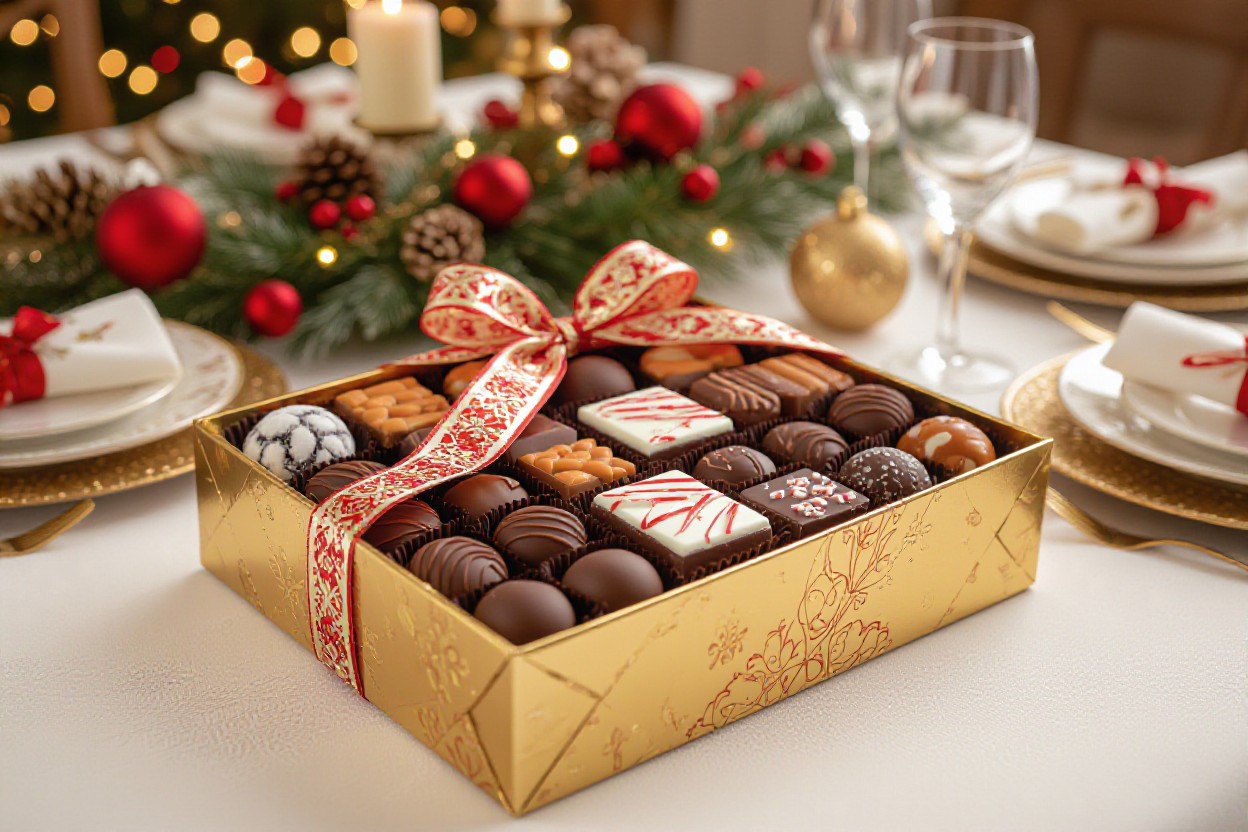
You can tap into holiday chocolate gifting by offering immersive experiences—think 24-door advent calendars, 4–6 piece tasting flights, and DIY kits with 3–5 recipes per box. Retailers report that adding an experience option increases average order value, and you’ll find shoppers willing to pay a premium when you package storytelling, provenance, and hands-on elements together. Use seasonal themes and limited runs to make holiday chocolate gifting feel collectible and personal for recipients.
Advent Calendars and Daily Surprises
You’ll leverage the ritual of daily delight with 24-door and 25-door calendars that move beyond candy to include single-origin squares, mini-bars, and pairing notes. Brands now include maps, QR-code tasting guides, and small-batch inclusions to drive repeat visits; for example, some chocolatiers offer themed calendars (spice, single-origin, vegan) that sell out in weeks, making holiday chocolate gifting both a countdown and a conversation starter.
Chocolate Tasting Flights
You can position 4–6 sample tasting flights as the ultimate gift for enthusiasts, combining origins, cocoa percentages (e.g., 45%, 70%, 85%), and texture contrasts. Tasting flights work in-person or as mailed kits with numbered samples and guided tasting notes, helping you turn holiday chocolate gifting into an educational experience that highlights terroir and craft.
You should design tasting flights with clear progression—start lighter (30–50% milk) and move to higher percentages (70%+), include one flavored or inclusions bar, and provide palate cleansers like plain crackers. Price flights between $20–$60 depending on bean rarity, supply 5–10g samples per piece, and add a short flavor wheel or QR-led video to deepen the tasting, which increases perceived value in holiday chocolate gifting.
Interactive DIY Chocolate Kits
You’ll appeal to makers by selling DIY kits that include 200–500g couverture, silicone molds, a thermometer, piping bag, and 3–4 recipe cards (truffles, molded bars, bark). Kits designed for groups, kids, or couples often advertise 30–90 minute builds and can be branded for corporate or family gifting; including step-by-step videos turns holiday chocolate gifting into a shared activity rather than just a product.
You can enhance kits with optional add-ons—pre-measured inclusions like toasted nuts, freeze-dried fruit, or spiced caramel—and instructions for two tempering methods (seeding and table). Offer tiered SKUs ($25 basic, $50 deluxe, $80 pro) and suggest pairing sheets for wine or tea to help you upsell and make holiday chocolate gifting both experiential and repeatable.
Surge in Demand and Supply Prep
Preparing for Seasonal Demand
You should plan for a 20–50% uplift in holiday chocolate gifting vs. baseline months by locking ingredient orders 6–8 weeks ahead and increasing SKU runs of 12, 24, and 36-count packs. Use past three years of POS data plus holiday promo calendars to allocate production; a mid-size chocolatier that shifted to monthly rolling forecasts saw seasonal stockouts fall significantly. Offer preorders and timed drops to smooth capacity spikes and protect margins.
Premiumization in Chocolate Gifting
You can capture higher AOV by introducing single-origin bars, bean-to-bar truffles, and artist-collab packaging priced in the $25–$75 bracket, since premium holiday chocolate gifting often yields 20–35% greater revenue per order. Test limited runs of 500–2,000 units and track sell-through within 72 hours to validate demand for premium SKUs and justify higher ingredient and labor costs.
To scale premium offers, you should lock cacao contracts 8–12 weeks out and set aside capacity for hand-finished items; personalization options (foil-stamped names, curated tasting notes) typically add 10–20% to price acceptance. For example, a boutique maker reported selling 1,200 limited-edition boxes within days after a designer partnership; that kind of velocity requires prebooked co-packer slots and serialized inventory tracking.
Forecasting and Managing Production
You ought to combine historical holiday chocolate gifting sales, channel-level POS, and trend signals (search lift, social mentions) to build a 12-week rolling forecast, holding 15–30% safety stock for top SKUs. Coordinate with co-packers for surge capacity and stagger production runs by shelf life—tempered bars vs. ganache centers—to minimize waste and maximize shelf-ready inventory during peak weeks.
Operationally, you should implement SKU rationalization before Q4 to focus on high-margin gifts, set dynamic safety-stock rules tied to lead time, and run scenario models for 10%, 25%, and 50% demand surges. Track perishability—ganache truffles often have 2–6 week refrigerated life while bars last months—and align promotions to product longevity to reduce markdowns during the holiday chocolate gifting season.
Online Shopping and E-Commerce Trends
You’ll see online channels take a larger share of holiday chocolate gifting as e-commerce sales grow double digits each season; marketplaces and DTC sites compete on speed, assortment, and gift messaging. For market context consult The Global Confectionery Market Trends You Need to …, which highlights regional shifts you can use to tailor assortments. Many sellers report Q4 traffic spikes of 30%–50% and higher AOVs on curated gift bundles for holiday chocolate gifting.
Growth of Online Chocolate Retail
You can capitalize on rising online demand by expanding SKUs, offering one-click gifting, and optimizing mobile checkout; merchants often see 20%–40% of annual chocolate revenue come in November–December. Several retailers boost conversion by adding same-week delivery and gift wrapping, which directly increases holiday chocolate gifting purchases from both new and returning customers.
Subscription Boxes as a Gifting Trend
You should position subscription boxes as both a personal treat and recurring gift: 3–6 month plans sell well for holiday chocolate gifting as they extend the season. Personalized tasting notes, regional themes, and flexible pauses make subscriptions attractive for gifters who want to give an ongoing experience rather than a one-off box.
You can structure offers with tiered pricing—starter ($20), classic ($35), premium ($60)—and include limited-edition holiday flavors to lift initial signups; integrating referral discounts and giftable e-gift cards often increases conversion and lifetime value for holiday chocolate gifting programs.
Digital Marketing Strategies for Seasonal Sales
You’ll drive urgency with limited-time bundles, countdown timers, and segmented email flows that highlight gifting use cases; targeted social ads featuring hero images of gift boxes typically outperform generic product ads. Testing creatives around “gifts under $25” or “luxury holiday chocolate gifting” can improve CTRs during peak weeks.
You should combine SMS cart recovery, influencer unboxings, and UGC in paid placements to amplify reach; A/B test subject lines and dynamic product ads, and track ROAS by campaign to determine whether holiday chocolate gifting promos perform better with discount-led or value-led messaging.
Social Media Influence on Chocolate Gifting
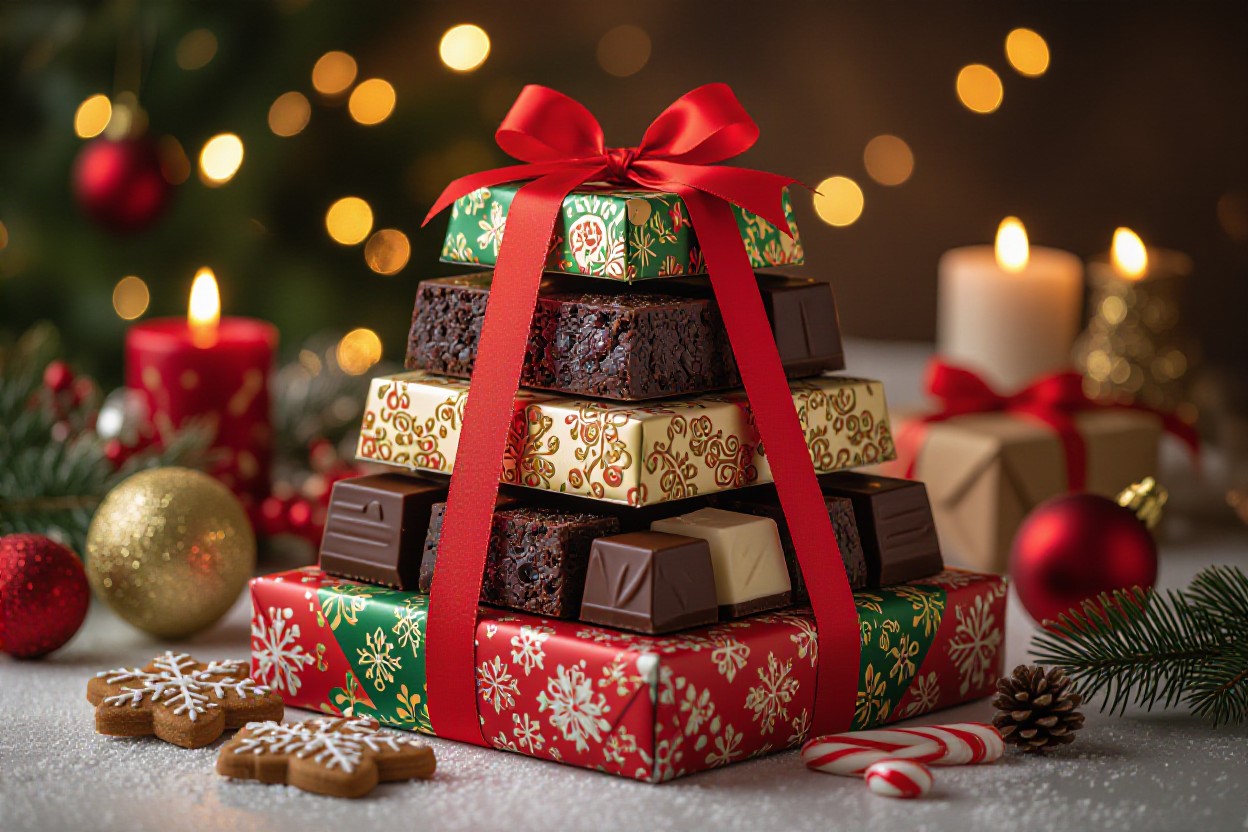
Platforms like TikTok, Instagram and Pinterest now dictate seasonal demand, with hashtag-led trends and short-form unboxings driving rapid spikes in holiday chocolate gifting; you’ll see limited-edition flavors sell out within days after a viral Reel, and search traffic for gift-related chocolate climbs sharply between Black Friday and Christmas as creators and gift guides push conversion-ready content.
The Role of Influencers and Social Media Trends
Micro-influencers (10k–100k followers) often generate higher engagement for holiday chocolate gifting because their recommendations feel personal; you can leverage affiliate codes and timed unboxings to track ROI, while macro creators amplify reach—case studies show seeded samples to 20–50 targeted creators can produce measurable upticks in holiday sales windows.
User-Generated Content and Its Impact
User-generated content—tasting reactions, DIY packaging hacks and shopper haul videos—boosts trust in holiday chocolate gifting, and you can encourage it with branded hashtags and simple prompts; a single viral unboxing from a well-aligned creator can create sell-through within 24–72 hours, especially when reposted by the brand.
To scale UGC, run hashtag contests (e.g., “#YourHolidayBite”) and offer weekly prizes that incentivize sharing; you should also request permission to reuse high-performing posts in paid ads and product pages, which extends reach and converts browsers into buyers while preserving authentic voices that resonate during the gift-buying season.
Seasonal Campaigns That Go Viral
Limited drops, nostalgic collaborations and AR filters move the needle for holiday chocolate gifting—think co-branded boxes or a playful seasonal flavor reveal timed to a trending meme; you can seed anticipation with countdowns and preview clips, creating FOMO that fuels pre-orders and social chatter across platforms.
Execute a viral-ready campaign by combining influencer seeding, UGC amplification and tight cadence: launch a 7–10 day teaser, activate 30–50 micro-creators for staggered posts, then boost top-performing content with paid spend; tracking CPA, engagement rate and hashtag velocity helps you iterate mid-campaign and maximize holiday chocolate gifting revenue.
Health and Wellness Trends in Chocolate
As you shop for holiday chocolate gifting, wellness-driven options increasingly replace plain confectionery: reduced-sugar formulations, fiber-enriched centers, and bars with concentrated flavanols appear alongside festive packaging. You’ll spot 70%+ cocoa bars promoted for heart benefits, adaptogen-infused truffles for stress relief, and products that cite clinical dose ranges; retailers report these items command premium price points during the season, so your holiday chocolate gifting can balance indulgence with targeted health claims.
Inclusion of Functional Ingredients
You’ll see functional ingredients like ashwagandha, MCT oil, collagen peptides, inulin fiber, and probiotic strains added to chocolate to deliver specific benefits. Producers often aim for 100–300 mg botanical extracts or 5–10 g protein per serving to support energy, recovery, or gut health. When assembling holiday chocolate gifting sets, choosing bars with transparent dosing and third-party testing helps you match gifts to recipients’ wellness goals.
Dark Chocolate and its Health Benefits
Choosing dark chocolate (70%+ cocoa) gives you higher flavanol and polyphenol content, linked in meta-analyses to modest cardiovascular improvements—typically a 2–4 mmHg reduction in systolic blood pressure—and better endothelial function. It also supplies antioxidants and mood-supporting precursors. For holiday chocolate gifting, selecting high-cocoa, single-origin bars signals both flavor depth and a nod to health-minded recipients.
In practice, you should prefer bars with 70–85% cocoa and under ~10 g sugar per 30 g serving; many randomized trials used 30–50 g daily to demonstrate measurable benefits. Single-origin beans from Ecuador, Ghana or Madagascar can offer distinct flavanol profiles, and pairing a 30 g dark square with nuts or fruit increases satiety—useful when curating holiday chocolate gifting for wellness-focused friends.
Vegan and Allergen-Friendly Options
You’ll find oat-, almond-, and pea-protein–based chocolates alongside nut-free, soy-free, and gluten-free lines designed for broader inclusivity. Brands use sunflower lecithin, rice milk, and coconut cream to reproduce creaminess while avoiding major allergens. Including these options in your holiday chocolate gifting ensures recipients with dietary restrictions can enjoy premium seasonal treats.
To make safe choices, you should check for dedicated allergen-free facilities, Certified Vegan or gluten-free labels, and batch testing disclosures; some brands publish peanut- or gluten-free verification online. Retail filters for “vegan” or “nut-free” simplify selection, so your holiday chocolate gifting can be both thoughtful and reliably safe for sensitive recipients.
The Role of Local Artisanal Chocolatiers
Local bean-to-bar makers often drive 20–40% of seasonal confection sales, and you can tap that momentum to elevate holiday chocolate gifting. You’ll find limited-edition single-origin bars, hand-painted truffles, and curated mini-boxes sold in runs of 50–300 units that convey scarcity and craft. Choosing these makers lets you offer provenance, higher cacao percentages (60–85%), and story-driven packaging that your recipients value.
Supporting Local Businesses During Holidays
During November–December many independents report 20–40% sales bumps, so you increase community impact when you select them for holiday chocolate gifting. You can spot pop-up stalls at markets with 200–2,000 visitors, order curated gift boxes priced $18–65, and use local pickup to cut shipping. Small orders of 6–24 pieces often directly support maker wages and next-season sourcing.
Unique Local Flavors and Innovations
You’ll encounter regional signatures—matcha and yuzu in Japan, fleur de sel and caramel in France, chile and piloncillo in Mexico—that make holiday chocolate gifting feel place-specific. Producers often run small batches of 50–200 units and experiment with 60–85% cacao blends, fermented inclusions, or foraged botanicals to create collectible seasonal items you won’t find at big-box stores.
Case studies back this up: a Pacific Northwest chocolatier paired hazelnut praline with huckleberry in a 120-unit holiday run that sold out in three days, and you’ll see similar demand for distinct regional pairings. You can also look for farmer credits and single-origin notes on packaging, which let your holiday chocolate gifting choices support traceability and storytelling.
Collaborations with Local Chefs and Artists
You benefit when chocolatiers team with chefs or artists to produce limited editions—think 4–6 piece tasting flights, chef-spiced bonbons, or artist-designed gift boxes. Pop-up tastings and dinners for 40–150 guests raise visibility, and collaborations typically yield runs of 100–300 premium boxes that position holiday chocolate gifting as an experiential, higher-margin option.
One example: a city chocolatier partnered with a Michelin-starred chef for a 5-course chocolate pairing for 80 guests, boosting holiday chocolate gifting sales by an estimated 25% year-over-year; you can replicate that lift by commissioning local culinary talent or commissioning bespoke packaging from muralists. Those partnerships also generate social content that amplifies your gifts across platforms.
Corporate Gifting Trends
You’re seeing holiday chocolate gifting move from bulk candy to curated experiences: 60-piece sampler boxes for top clients, limited-edition single-origin bars tied to VIP events, and subscription-style deliveries that stretch engagement beyond December. Many buyers report higher open rates when you pair chocolates with personalized notes, and holiday chocolate gifting now often includes add-ons like tasting cards or QR-guided pairing videos to deepen brand impact.
Chocolate as a Corporate Gift
You can use holiday chocolate gifting to humanize B2B relationships—think branded truffle assortments sent to 50–200 key accounts or employee gift boxes for 1,000+ staff. For example, one SaaS company sent 500 sampler boxes during contract renewal season and cited improved client responses; edible gifts frequently outperform swag in perceived thoughtfulness and immediate enjoyment.
Custom Branding for Corporate Gifts
You’ll find holiday chocolate gifting demands tight brand alignment: embossed logos on boxes, custom wrapper art matching seasonal campaigns, and inserts that reinforce calls-to-action. Suppliers now offer digital mock-ups and small-batch proofs so you can approve design at 50–100 unit levels before scaling to larger corporate runs.
You should plan for logistics: minimum orders commonly range from 100–500 units, with lead times of 2–6 weeks depending on customization complexity. Pricing typically adds $0.50–$4 per piece for custom wraps or foil stamping and $1.50–$6 per unit for bespoke rigid boxes; a marketing agency ordering 250 luxury boxes reported a three-week turnaround and clear ROI when those gifts supported five closed deals.
Eco-Friendly Corporate Gifting Solutions
You can position holiday chocolate gifting as a sustainability statement by choosing Fairtrade or Rainforest Alliance–certified chocolate, compostable sleeves, and minimal filler. Clients increasingly expect traceability—offer origin notes (e.g., single-origin Madagascar) and carbon-neutral shipping options to align gifts with corporate ESG goals.
You’ll want specific metrics when pitching sustainability: seek suppliers using 30–100% post-consumer recycled board, compostable inner trays, and certified cacao to verify claims. Case in point: a regional retailer switched to 100% certified beans and compostable boxes for corporate orders of 2,000 units, enhancing their CSR reports and reducing non-recyclable waste in holiday chocolate gifting campaigns.
Collectibility and Novelty in Chocolate
Collectors drive holiday chocolate gifting demand with numbered tins, artist-collab packaging and annual motifs that you can spot selling out in weeks; limited runs of 1,000–10,000 units and displayable boxes turn confections into keepsakes, often commanding 10–35% price premiums on secondary markets and boosting repeat purchases among enthusiasts who track releases year-to-year.
Limited Edition Releases and Collectors
Brands you follow leverage scarcity—seasonal flavor drops, designer wrappers and artist series—to create collectible cohorts; examples include numbered truffle sets, 3-piece masterclasses limited to 500 units and branded advent calendars, with collectors using social channels and resale sites to trade, driving visibility and higher margins in holiday chocolate gifting.
Seasonal Characters and Themes
Licensing makes seasonal characters powerful: Santa, snowmen and licensed IP like classic cartoon figures can lift shelf appeal, and themed molds or character-shaped bars often increase impulse buys by double digits, giving you easy entry points for holiday chocolate gifting campaigns aimed at families and gift buyers.
Design variations matter: you can capitalize on series—12–24 collectible figurines in Kinder-style runs or colorway swaps across three annual releases—to encourage repeat buys, while limited-color editions and foil-embossed packaging create social-media-friendly moments that amplify holiday chocolate gifting through unboxing and collection posts.
Fun and Whimsical Chocolate Products
Novelty items—interactive bonbons, edible ornaments, flavor-changing shells and playful molds—let you target experience-seeking buyers; products with surprising textures or gimmicks often drive impulse purchase spikes of 20–30%, and seasonal tie-ins like gingerbread-shaped bars or hot-chocolate bombs expand your holiday chocolate gifting assortment with high-perceived value.
Execution details matter for shelf impact: you should offer limited runs (250–2,000 units) of whimsical SKUs, pair them with low-cost gift-ready packaging, and track social engagement rates—campaigns showcasing glow-in-the-dark wrappers or surprise fillings tend to generate 2–3× more shares, increasing reach for your holiday chocolate gifting offers.
Gender and Demographic Trends in Chocolate Gifting
Understanding the Gifting Patterns of Different Genders
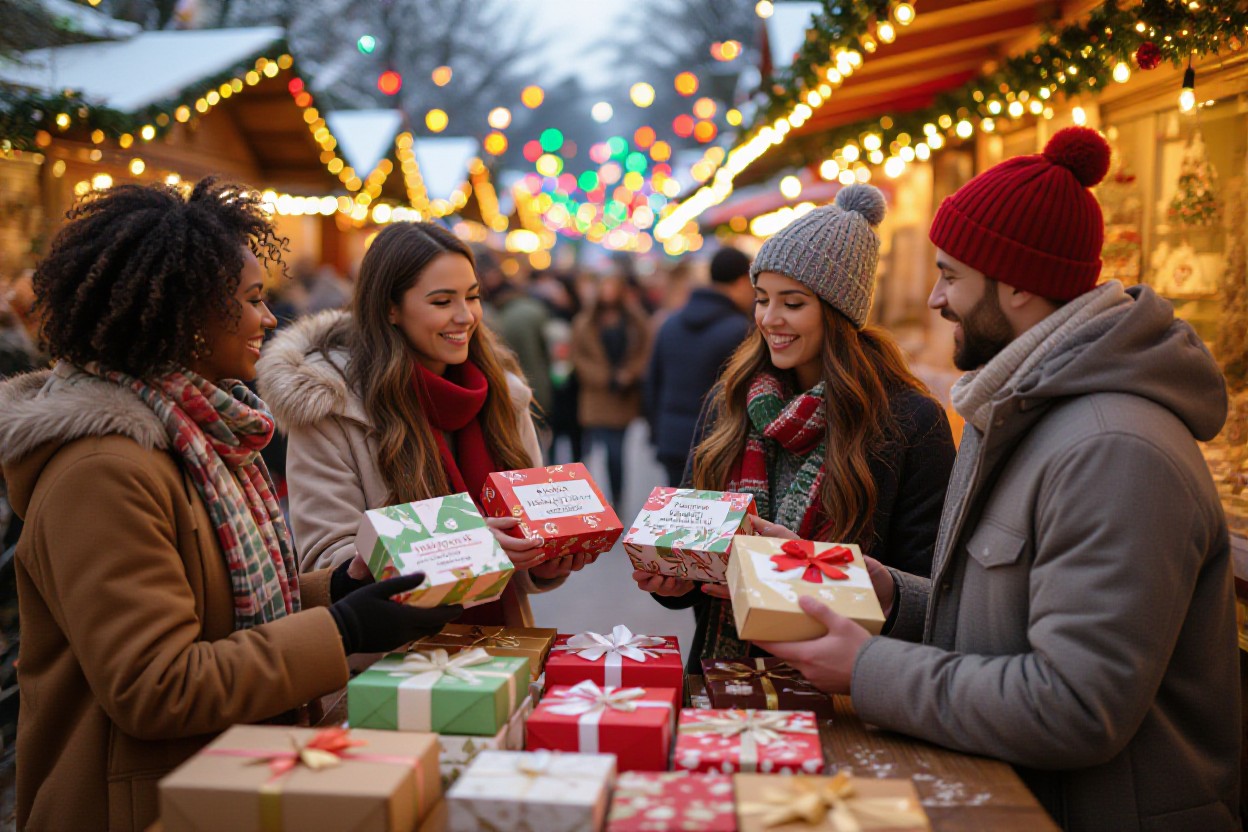
When you segment by gender, industry surveys show men account for roughly 45–55% of seasonal buyers and often prefer premium dark bars or novelty boxed assortments, while women tend to buy artisanal single-origin selections and curated samplers for broader networks. You should note men are more likely to purchase for partners during Valentine’s and holidays, whereas women frequently gift coworkers and family, influencing assortment size, price points, and packaging choices in holiday chocolate gifting.
Chocolate Preferences Across Age Groups
Younger shoppers (Gen Z and younger millennials) gravitate toward adventurous, limited-edition flavors—think matcha, chili, or CBD-infused bites—while older buyers (40+) show stronger preference for high-cocoa, single-origin dark chocolate. You should adjust SKU mix and messaging since market data reports 45–55% of Gen Z favor novel formats and about 60% of older adults prioritize cocoa percentage, improving holiday chocolate gifting relevance per cohort.
You should tailor formats: offer snack-size bars and playful gift packs for 18–34 shoppers who typically spend lower per recipient ($10–30) and luxury boxed truffles or tasting flight sets for 35+ buyers who spend more per gift ($30–75). Testing price tiers, sample bundles, and subscription options increases conversion; brands that mix affordable impulse buys with premium signature pieces raise average order value during holiday chocolate gifting by measurable margins.
Marketing to Diverse Populations
You can increase reach by localizing flavor and packaging: Diwali-themed assortments, mooncake-paired chocolate for Lunar New Year, or cardamom-rose truffles for South Asian markets. Multilingual labeling, kosher and halal certifications, and region-specific promotions drive trust; demographic targeting tied to cultural calendars consistently lifts seasonal relevance and sales in holiday chocolate gifting across multicultural urban centers.
When you implement tactics, use targeted social ads, influencer partnerships within communities, and sampling at cultural festivals to measure lift; case studies indicate co-branding with local artisans and community organizations often boosts seasonal engagement by double digits. Track conversion by cohort and adjust creative, price, and SKU depth to optimize ROI for holiday chocolate gifting campaigns.
Sustainability and Ethical Sourcing in Chocolate
You should expect sustainability to shape product selection and messaging for holiday chocolate gifting, with traceability, low-carbon packaging and certifications increasingly influencing placement; shoppers respond to QR-enabled provenance stories and compostable tins, and you can boost seasonal margins by bundling certified single-origin bars with clear farmer-impact claims.
Fair Trade and Its Impact on Holiday Sales
You’ll see Fairtrade labeling lift perceived value in holiday chocolate gifting, since Fairtrade lets you highlight farmer premiums and cooperative benefits; brands like Divine and Alter Eco report stronger holiday sell-through on certified SKUs, and many retailers allocate dedicated seasonal space to Fairtrade assortments to capture ethically minded buyers.
Environmental Initiatives by Chocolate Brands
You can leverage brand-led environmental initiatives—such as Cocoa Life, Lindt’s Farming Program or Tony’s push for 100% traceable cocoa—to differentiate holiday chocolate gifting assortments; initiatives that combine agroforestry, farmer training and reduced-packaging claims often become hero stories in seasonal campaigns.
You should note that programs often operate at scale: several multinational programs work with thousands of farmers, fund reforestation plots and pilot agroforestry on supplier lands, and you can cite those impacts in product copy to justify premium pricing during holiday chocolate gifting campaigns.
Consumer Demand for Ethical Chocolate
You’ll find demand for ethical chocolate is strongest among younger shoppers, and industry surveys indicate a majority of holiday buyers factor sustainability into choices, making ethical options a reliable upsell; positioning certified, low-waste gift sets helps you capture conscious spend during peak gifting windows.
You should act on this by curating visible ethical tiers—Fairtrade, Rainforest Alliance, direct-trade single-origin—and tracking which holiday chocolate gifting SKUs outperform; reporting seasonal sell-through and social engagement for ethical collections will help you optimize assortments year over year.
Conclusion
Taking this into account, holiday chocolate gifting lets you tailor offerings to seasonal flavors, festival customs, and global traditions so your gifts feel personal and timely, and holiday chocolate gifting can reinforce seasonal storytelling. By studying local tastes, packaging, and timing, holiday chocolate gifting becomes a way your values and creativity show. Use ethical sourcing and inventive pairings so holiday chocolate gifting supports makers and delights recipients. With strategic planning, holiday chocolate gifting grows your reputation for thoughtful, culturally aware presents.