Table of Contents
High-shear mixing has really changed the game for making bread fillings. It boosts both texture and flavor. Bakers use these mixers to blend and emulsify ingredients evenly, so every batch comes out the same. You get a smoother, more appealing ‘filling—both to taste and to look at. As more people in the industry try new techniques, high-shear mixing keeps proving why it’s essential for top-notch bread fillings.
The Art of High-Shear Mixing: Techniques and Benefits
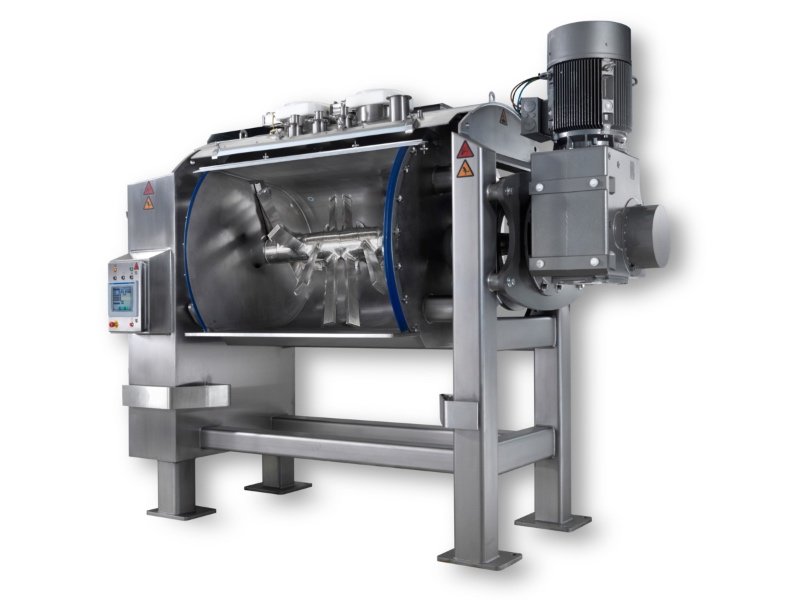
If you want perfect bread fillings, you need to master high-shear mixing. It’s not just about cranking up the speed—real mixing means you can use heavy-duty machines, like rotor-stator mixers, to bring all the ingredients together fast and evenly. When manufacturers set things up right, they cut down on time and still end up with a smooth, reliable mix. And by tweaking the speed and mixing time, they can dial in the texture and flavor they want. That’s the secret behind bread fillings that always deliver.
- Mechanisms of High-Shear Mixing
So, high-shear mixing isn’t just about spinning blades—it’s about real power. Those blades whip around so fast, they pull everything straight into the action, blasting the mix with high-speed jets. It’s wild to watch. Liquids get silky smooth, solids break down, and pretty soon you’ve got a mix where every part looks the same. The whole process moves fast, so production doesn’t waste time. And you get to keep a close watch on the temperature, which is a lifesaver when you’re dealing with delicate stuff, like bread fillings that can’t take much heat.
- Key Advantages for Bread Filling Consistency
The consistent quality of bread fillings heavily benefits from high-shear mixing, significantly impacting texture, flavor, and stability. By reducing particle size and ensuring even distribution, this technique minimizes the risk of ingredient segregation during storage and baking. Moreover, the enhanced emulsification properties allow for a creamier filling, which enhances the sensory experience for consumers.
High-shear mixing keeps bread fillings consistent, which is a big deal for any brand that wants people to trust what they’re eating. When manufacturers switch to this method, they notice their fillings taste and feel the same every time. That’s what customers expect, right? Take one bakery—they started using high-shear mixing and saw filling separation drop by 30% during storage. That means less waste, fewer headaches for quality control, and a whole lot of happy customers.
Navigating Ingredient Interactions: The Role of Emulsifiers
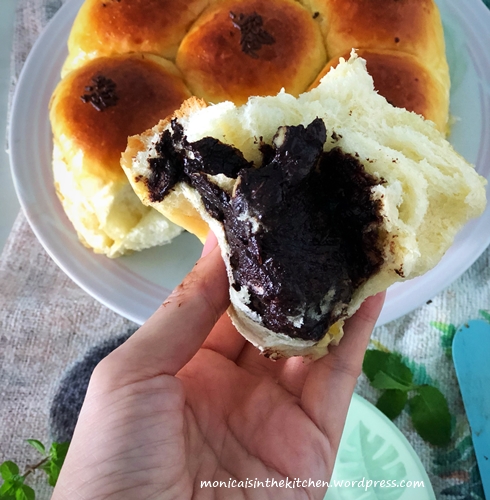
Emulsifiers serve as critical agents in bread filling production, creating stable mixtures by allowing water and fat to blend seamlessly. By modifying the surface tension, they facilitate the formation of emulsions, leading to improved consistency and uniformity in texture. In high-shear mixing processes, emulsifiers enhance the distribution of ingredients, ensuring that flavors and textures are consistent throughout the filling. This not only boosts the overall quality of the product but also contributes to a desirable mouthfeel that resonates with consumers.
- How Emulsifiers Enhance Texture
Texture plays a vital role in the sensory experience of bread fillings, and emulsifiers are instrumental in achieving the right mouthfeel. They help stabilize air bubbles within the mixture, which can create a light, airy texture while simultaneously providing a creamy, rich mouthfeel. Emulsifiers work by surrounding fat droplets, preventing them from coalescing, which can lead to separation. This interaction not only contributes to a smooth and appealing texture but also enhances the visual and gustatory experience of the final product.
- Balancing Fat, Water, and Dry Ingredients
A balanced formulation of fat, water, and dry ingredients is crucial for creating a stable and cohesive bread filling. Emulsifiers play a pivotal role in maintaining this balance, as they stabilize the interactions between disparate components. The correct proportions lead to efficient moisture retention and prevent the filling from becoming too greasy or dry. Manufacturers often employ trial and error, experimenting with different emulsifier types and concentrations to achieve optimal results, which can range from creamy and thick to light and spreadable textures.
Formulation often involves meticulous calculations, as specific ratios can significantly impact the final product quality. For instance, varying the fat content can enhance the richness of the filling, but without adequate emulsification, the end product may suffer from poor texture and stability. A successful balance might require employing emulsifiers in different concentrations or combinations, depending on ingredient properties and desired characteristics. This precise adjustment ensures that all components interact effectively, resulting in a consistent and appealing texture that meets consumer expectations.
Equipment Essentials: Choosing the Right Mixer
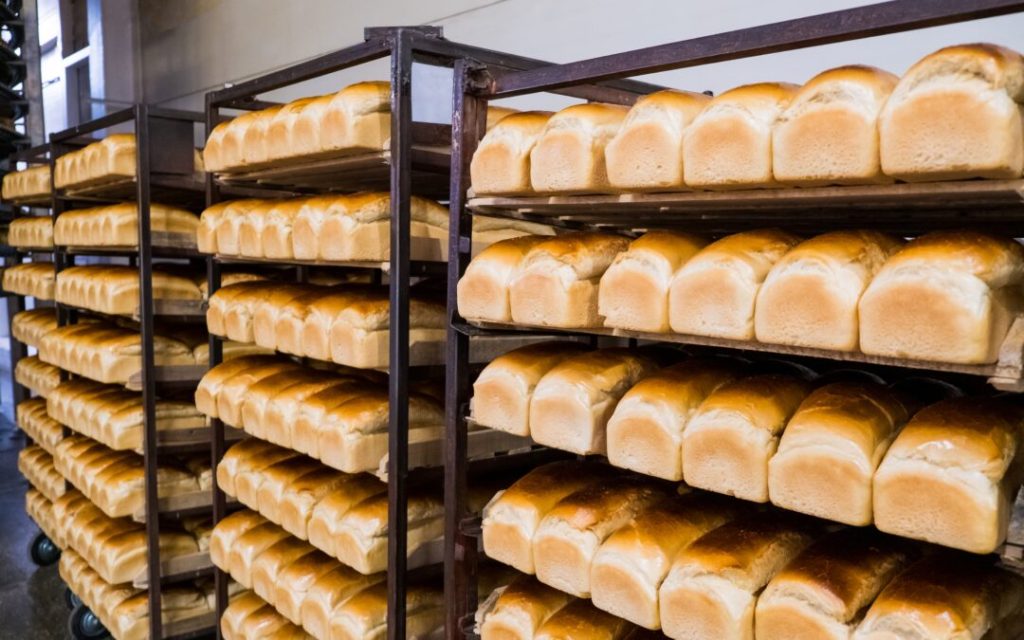
Selecting the appropriate mixer for bread filling production is vital to achieving the desired texture and consistency. Factors such as batch size, viscosity of the filling, and production speed will dictate the ideal mixer type. High-shear mixers are often favored for their efficiency and ability to uniformly blend ingredients quickly, making them a popular choice for manufacturers seeking quality and consistency in their bread filling processes.
- Features of High-Shear Mixers
High-shear mixers are engineered with specialized blades that create intense mixing and emulsification, providing a homogenous blend of ingredients. Features such as adjustable speed settings, temperature control, and CIP (clean-in-place) capabilities enhance their practicality for production lines. These mixers excel in blending, dispersing, and emulsifying even the most challenging ingredients, ensuring a smooth texture in bread fillings and other food products.
- Comparing Batch vs. Continuous Mixing Systems
Batch mixing handles set amounts at a time, so you can tweak recipes and switch things up pretty easily. On the flip side, continuous mixing keeps everything moving, which means you get steady results and top efficiency—great if you’re cranking out big volumes. The right choice really comes down to what you’re making, how much you need, and the kinds of ingredients you’re working with.
Batch vs. Continuous Mixing Systems
| Aspect | Batch Mixing |
|---|---|
| Process Type | Discrete quantities of materials mixed in individual batches |
| Flexibility | Allows for easy recipe changes and small-scale production |
| Time Efficiency | Longer processing times due to individual batch handling |
| Aspect | Continuous Mixing |
|---|---|
| Process Type | Materials fed in a constant stream for uninterrupted mixing |
| Flexibility | Less flexible; best suited for large volumes of consistent product |
| Time Efficiency | Highly efficient, resulting in quicker production cycles |
Production scale significantly influences the choice between batch and continuous systems. For a facility producing large quantities of a single type of bread filling, a continuous mixing system provides efficiency and consistency, minimizing downtime. Conversely, smaller producers looking to create varied recipes may benefit from a batch system’s adaptability. Understanding these dynamics allows manufacturers to invest in the most suitable mixing technology for their specific needs.
Maximizing Production Efficiency: Temperature and Timing
Efficient bread filling production hinges on precise control over temperature and timing. By monitoring and adjusting these factors diligently, manufacturers can significantly enhance product consistency and quality. The interplay between temperature management and mixing duration plays a pivotal role in achieving optimal blending while minimizing waste. Proper attention to these variables allows for an effective workflow, ultimately leading to better resource utilization and reduced production costs.
- The Impact of Temperature Control
| Temperature Range | Optimal temperatures for ingredient mixing range between 20-25°C, ensuring proper emulsification without undesired alterations in texture. |
| Effects of High Temperatures | Exceeding 25°C may cause fat separation and negatively affect the final product’s consistency and shelf life. |
- Optimizing Mixing Time for Uniformity
| Standard Mixing Duration | Typical mixing times are between 3 to 5 minutes, striking a balance between achieving a homogeneous blend and preventing ingredient degradation. |
| Mixing Time Variability | Adjustments to mixing duration may be necessary based on the specific properties of the ingredients used. |
Mixing time has a direct impact on achieving a uniform bread filling. Manufacturers often find that too short a mixing duration results in incomplete emulsification, leading to uneven texture. Conversely, extended mixing times can lead to ingredient degradation and a loss of critical properties. Detailed assessments of raw material characteristics allow for fine-tuning mixing durations, ensuring that consistency is maintained while maximizing quality. By tracking and analyzing production metrics, adjustments can be made in real-time, resulting in a superior end product and increased throughput.
Quality Control in High-Shear Mixing Processes
When you using high-shear mixing, you have to keep an eye on quality from start to finish. That’s how you make sure the product always performs the way it should and stays safe. Keep tabs on things like shear rate, temperature, and how long you’re mixing. If something slips out of the usual range, you’ll catch it before it messes with the texture or leaves ingredients unevenly mixed. After mixing, run solid tests to check viscosity and make sure everything’s blended right. This way, you protect the bread filling’s quality good.
- Essential Metrics for Success
The primary metrics for success in high-shear mixing include viscosity, particle size distribution, and temperature stability. Viscosity measurements ensure the final product meets the desired thickness, while analyzing particle size helps in achieving uniform texture. Temperature stability is vital, as excessive heat can negatively impact ingredient integrity and flavor profile. Together, these metrics serve as indicators of a successful mixing process.
- Troubleshooting Common Mixing Issues
Identifying and addressing common mixing issues is necessary for optimizing production efficiency. Problems such as inadequate mixing, overheating, or foam formation can lead to product inconsistencies. Conducting a thorough analysis often uncovers underlying factors contributing to these issues, allowing operators to implement targeted solutions.
For example, if inadequate mixing occurs, operators should investigate loading techniques, mixer speed, or batch size variations that may inhibit proper ingredient integration. In cases of overheating, scrutinizing cooling systems or adjusting mixing times can effectively mitigate temperature spikes. Foam formation could result from air entrapment, which may be resolved by minimizing agitation during certain stages or utilizing defoaming agents. Gathering data from these scenarios aids in refining processes to enhance final product quality.
To wrap up
You can see just how important high-shear mixing is in making bread fillings. Both of them agree—it really helps the mixture come together evenly, which means the texture and flavor turn out just right. They also get that good mixing speeds things up in production and helps keep the quality high. As the industry changes, high-shear mixing stays at the center of making bread fillings that people actually want to eat.