Table of Contents
- Vacuum Concentration and Low-Temperature Processing
- Microwave and Ohmic Heating
- High-Pressure Processing (HPP)
- Drying Technologies
- Automation and Smart Processing
- Sustainable Practices in Fruit Processing
- Flavor Enhancement Technologies
- Nutritional Fortification and Enhancement
- Trends in Packaging Technologies
- Market Trends and Consumer Preferences
- Global Perspectives on Fruit Processing
- Challenges in Fruit Processing
- Future of Fruit Processing Technologies
- Final Words
Many fruit processing innovations are reshaping how you transform fresh harvests into juices, jams, and dried snacks. These fruit processing innovations range from cold-press extraction that preserves nutrients to precision drying and enzymatic stabilization that extend shelf life while enhancing flavor. Adopting new fruit processing innovations like aseptic filling, pulsed electric fields, and advanced sorting will improve your product quality and reduce waste. Understanding fruit processing innovations helps you select equipment, scale recipes, and meet regulatory standards with confidence. Tracking emerging fruit processing innovations ensures your business stays competitive and sustainable.
Vacuum Concentration and Low-Temperature Processing
| Vacuum Concentration and Low-Temperature Processing | Key Points |
| Vacuum evaporation (falling-film, belt, plate) and membrane techniques (RO, UF, osmotic) | Lower boiling points (40–60°C), faster aroma retention, integrates with MVR for 30–60% energy savings |
| Low-temperature workflows | Higher vitamin and pigment retention (vitamin C 80–95% vs ~50–60% thermal), improved color and sensory profiles |
Advancements in Juice Concentration
New vacuum belt concentrators and combined RO–vacuum lines let you reach 65–70° Brix while cutting energy use 30–50%; manufacturers now pair mechanical vapor recompression (MVR) with staged vacuum to boost throughput by 15–25% and reduce thermal load, making these fruit processing innovations practical for medium-scale and industrial plants.
Nutrient and Flavor Preservation
By lowering boiling points and shortening residence times, you can retain 80–95% of vitamin C and preserve volatile aroma fractions, with sensory panels reporting 10–20% higher flavor intensity versus conventional thermal concentrates—key metrics in recent fruit processing innovations studies.
Vacuum concentration drops water’s boiling point dramatically (for example, at 20–40 kPa boiling occurs near 40–60°C), so you avoid prolonged high-temperature exposure that degrades ascorbic acid and esters. Analytical comparisons show traditional steam-heated concentration often leaves 40–60% vitamin C, whereas low‑temperature vacuum systems retain 80–95% depending on fruit matrix and pre-treatment; HPLC assays and GC‑MS aroma profiling confirm lower volatile losses, and combining mild enzymatic inactivation or flash pasteurization preserves pectin and mouthfeel, reinforcing these fruit processing innovations for premium juice lines.
Applications and Case Studies
You can apply vacuum and low-temperature methods across juice concentrates, premium jams, and dried snacks to improve shelf stability, color, and reconstitution; pilot-to-commercial rollouts report 18–36 month paybacks and reductions in total energy per kg finished product of 30–55%, making these fruit processing innovations attractive for scaling.
- Mediterranean citrus processor: installed vacuum belt concentrator + MVR — energy per ton reduced 47%, vitamin C retention 92%, throughput rose from 10 to 12 t/day (+20%), capex payback ~24 months.
- North American berry jam plant: RO pre-concentration + low-temp vacuum finishing — soluble solids increased to 68° Brix with 15% yield gain, color ΔE improved by 6.2, shelf-life extended by 30 days at 4°C.
- Southeast Asian mango snack line: vacuum‑assisted osmotic dehydration then low‑temp drying — final water activity 0.25, vitamin A retention 88%, energy savings 35% vs conventional drying, product rehydration ratio 1:3 maintained.
Implementation details matter: you’ll typically pair RO to remove 30–50% water before vacuum finishing to lower thermal burden, and modular vacuum belt units scale from 1–20 t/day. Operational metrics from recent rollouts show reduced fouling rates with CIP cycles every 72 hours, maintenance staffing increases of 0.2 FTE per shift, and RO membrane replacement intervals of 18–30 months; these benchmarks help you evaluate ROI and adoption pace for fruit processing innovations.
- European juice cooperative: switched to multi-stage vacuum concentration — export-grade concentrate solids rose to 69° Brix, microbial load log reduction 3.5 after mild pasteurization, annual energy spend down €120k (~38%).
- Latin American mixed-fruit puree supplier: integrated low-temp concentration and aseptic filling — color retention improved 12%, pectin functionality preserved allowing reduced stabilizer use (down 25%), annual throughput up 22%.
- Snack OEM targeting premium market: vacuum-concentrated apple slices prior to freeze-drying — textural collapse <5%, retail shelf-life 12 months at ambient, unit energy cost reduced by 28% compared with hot-air preconcentration.
Microwave and Ohmic Heating
Overview of Novel Heating Methods
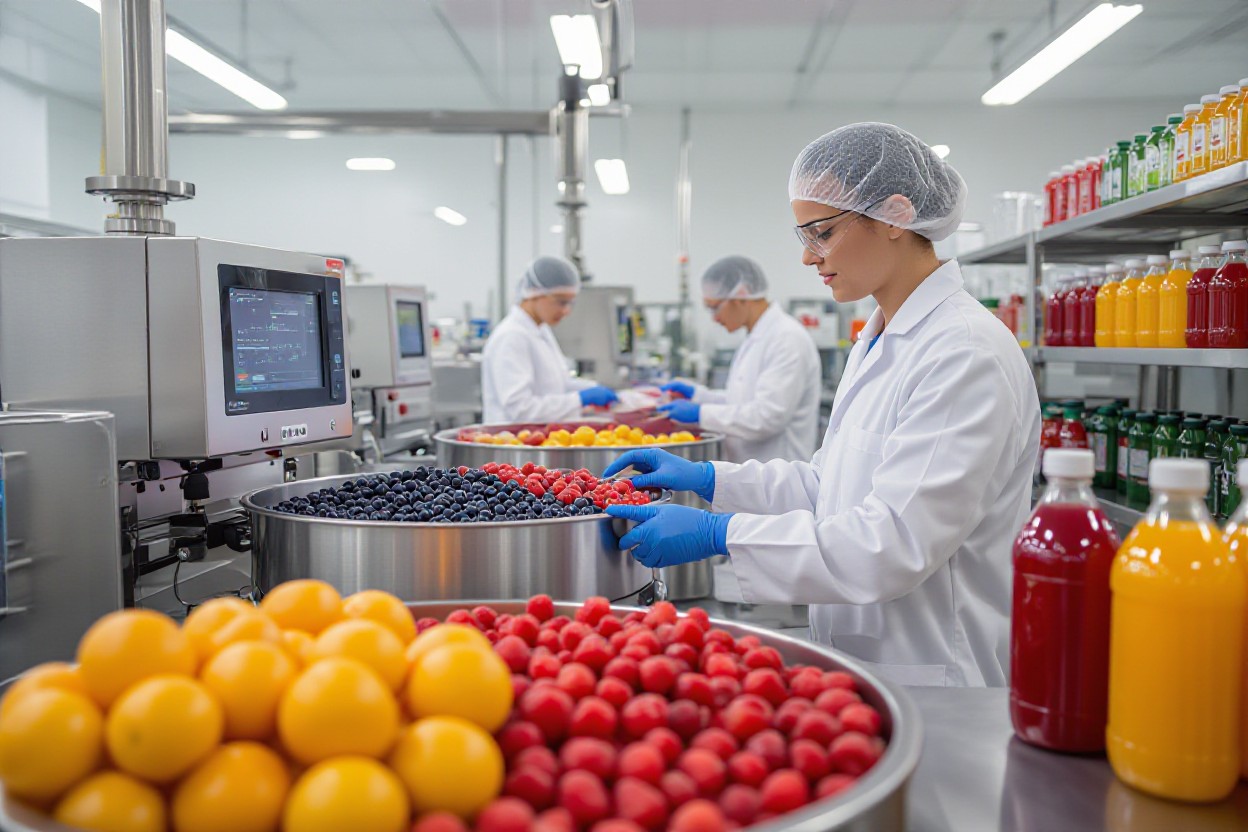
You’ll find microwave volumetric heating (MVH) and ohmic heating increasingly used in fruit processing innovations to speed up pasteurization and drying for juices, jams, and purees. MVH penetrates the product for uniform heat, while ohmic heating conducts current through the matrix to eliminate hot spots. Both methods lower processing time and can be integrated into continuous lines, helping you boost throughput and product quality compared with traditional steam or jacket heating.
Benefits of Microwave Volumetric Heating
MVH delivers rapid, uniform heating that reduces thermal gradients and shortens hold times, which in fruit processing innovations helps preserve color, aroma, and heat-sensitive nutrients. You can cut pasteurization time from minutes to seconds for thin juices, increase line speed, and reduce energy use versus conventional methods, especially when treating low-viscosity fruit juices and nectars.
In practice, pilot trials in mango and apple juice lines reported 20–40% lower energy consumption and 30–60% faster processing when MVH was applied, furthering fruit processing innovations. You’ll appreciate that MVH minimizes boundary-layer overheating, lowering fouling on heat exchangers and reducing product loss. Equipment suppliers now offer MVH modules sized for 0.5–5 m3/h to fit both R&D and commercial scales, and combining MVH with mild hold times often yields better vitamin C retention and clearer color than conventional thermal treatments.
Understanding Ohmic Heating Technology
Ohmic heating passes an alternating electrical current through fruit purees or high-solids juices so the fluid itself generates heat, making it ideal for viscous products in fruit processing innovations like jams and concentrates. You’ll get near-instantaneous volumetric heating and reduced surface scorching, enabling continuous pasteurization and potential microbial inactivation at shorter residence times than traditional methods.
Operationally, you’ll need to monitor conductivity, as salts and °Brix influence heating rates; typical industrial systems adjust voltage to maintain target temperatures without over-processing. Case studies in berry purees showed uniform heating with retention of pectin functionality and a 25–50% reduction in processing time. You can integrate ohmic modules before homogenization to reduce viscosity during pumping, and CIP-compatible electrode designs now make ohmic retrofits more feasible for mid-sized fruit processing innovations operations.
High-Pressure Processing (HPP)
HPP uses uniform hydrostatic pressures (typically 400–600 MPa for 1–5 minutes) to inactivate pathogens while preserving fresh flavor, color and nutrients, so you can extend refrigerated shelf-life without thermal damage. Within fruit processing innovations, HPP has become a go-to for cold-pressed juices, purees and guacamole, offering up to 4–6 log reductions in vegetative microbes and often preserving vitamin C and anthocyanins far better than conventional pasteurization.
Mechanism of HPP
HPP transmits isostatic pressure through a liquid medium to packaged product, causing membrane disruption, protein denaturation and enzyme destabilization without bulk heating; you get microbial inactivation because cell walls and membranes fail under 400–600 MPa, while small molecules like flavor compounds remain largely intact. In fruit processing innovations, the non-thermal mechanism means uniform treatment for irregular shapes and multi-phase products, avoiding overcooking common in thermal pasteurization.
Impact on Shelf-Life and Product Quality
HPP typically extends refrigerated shelf-life of juices from about 7–10 days to 30–60 days and can push salsas or purees into 30–90 day windows depending on formulation and packaging. You’ll see nutrient retention often above 80–90% for vitamin C and improved retention of volatile aromatics; texture stays closer to fresh, although some pectin-related viscosity changes can occur, so formulation tweaks are common in fruit processing innovations.
More detailed studies show HPP retains anthocyanins and polyphenols markedly better than thermal pasteurization—often a 20–40% higher retention—while delivering 4–6 log reductions for common spoilage bacteria. You should note spores are pressure-resistant and may require pressure-assisted thermal processing (PATP) or hurdle approaches; packaging must be flexible and water-impermeable, and batch cycle times (typically 3–6 minutes per press plus loading) influence throughput and unit economics in fruit processing innovations.
Consumer Trends and Product Examples
Consumers increasingly seek minimally processed, fresh-tasting products, so you’ll find HPP on labels like “cold-pressed” or “HPP” across juices, fruit cups and ready-to-eat purees; brands such as Evolution Fresh and Suja have scaled HPP for retail juices. Within fruit processing innovations, HPP supports clean-label positioning and premium pricing by delivering fresh sensory profiles and longer chilled shelf windows that retailers can stock without thermal flavor loss.
Operationally, HPP’s appeal in the market ties to clean-label demand and convenience formats: you can launch refrigerated single-serve juices or fruit snacks with 30–60 day shelf-life and clear HPP claims. Capex for industrial systems ranges roughly from $500,000 to over $2 million depending on capacity, and cycle-based throughput (loading, press, unloading) means HPP is often best for higher-margin SKUs in fruit processing innovations rather than high-volume, low-margin commodities.
Drying Technologies
Within fruit processing innovations you’ll find drying technologies that tailor moisture to application: 2–6% for crispy snacks or 10–20% for chewy pieces. You can choose methods that balance throughput and quality, from low-temperature freeze-drying to faster hybrid systems, and optimize your line for yield, color retention, and shelf life with targeted process controls.
Freeze-Drying Techniques and Benefits
Freeze-drying uses freezing followed by sublimation under vacuum (often −40 to −60°C), preserving cell structure and retaining 90–98% of sensitive nutrients and volatile aromas in berries and tropical fruits. If you need lightweight, long‑shelf-life ingredients for snacks or instant rehydration, fruit processing innovations in lyophilization deliver premium texture and up to multi‑year stability when packaged oxygen‑tight.
Hybrid Drying Methods: Microwave-Vacuum Drying
Microwave‑vacuum drying combines volumetric heating with low pressure to cut drying times by roughly 50–80% versus hot‑air, reduce thermal gradients, and keep color and nutrients intact; you can process apple and mango chips faster while lowering energy per kg. These fruit processing innovations let you tune microwave power and vacuum to match product geometry and final moisture targets.
Operating microwave‑vacuum systems at 10–50 mbar with power densities around 0.2–1.0 W/g and pulsed microwave profiles helps you avoid hot spots and case hardening. Producers report drying-cycle drops from 6–8 hours to 1–3 hours, improved crispness, and better rehydration; integrating in-line moisture sensors lets you hold tight tolerances for your product specifications within fruit processing innovations workflows.
Refractance Window Drying: Innovations in Puree Processing
Refractance window drying passes fruit purees over a clear film heated by hot water (~90–95°C), achieving rapid water removal at low product temperature exposure and producing stable flakes or powders with excellent color and vitamin retention. You can convert mango, strawberry or tomato purees into instant powders with minimal thermal degradation—one of the practical fruit processing innovations for puree-to-powder conversion.
Pilot and commercial refractance window systems report throughputs from ~50 to 300 kg/hr depending on viscosity and residence time; energy consumption is often 20–40% lower than spray drying for medium‑moisture purees. If you prioritize clean-label powders for smoothies, purees, or baby foods, these fruit processing innovations give you compact equipment, fast start/stop runs, and high reconstitution quality.
Automation and Smart Processing
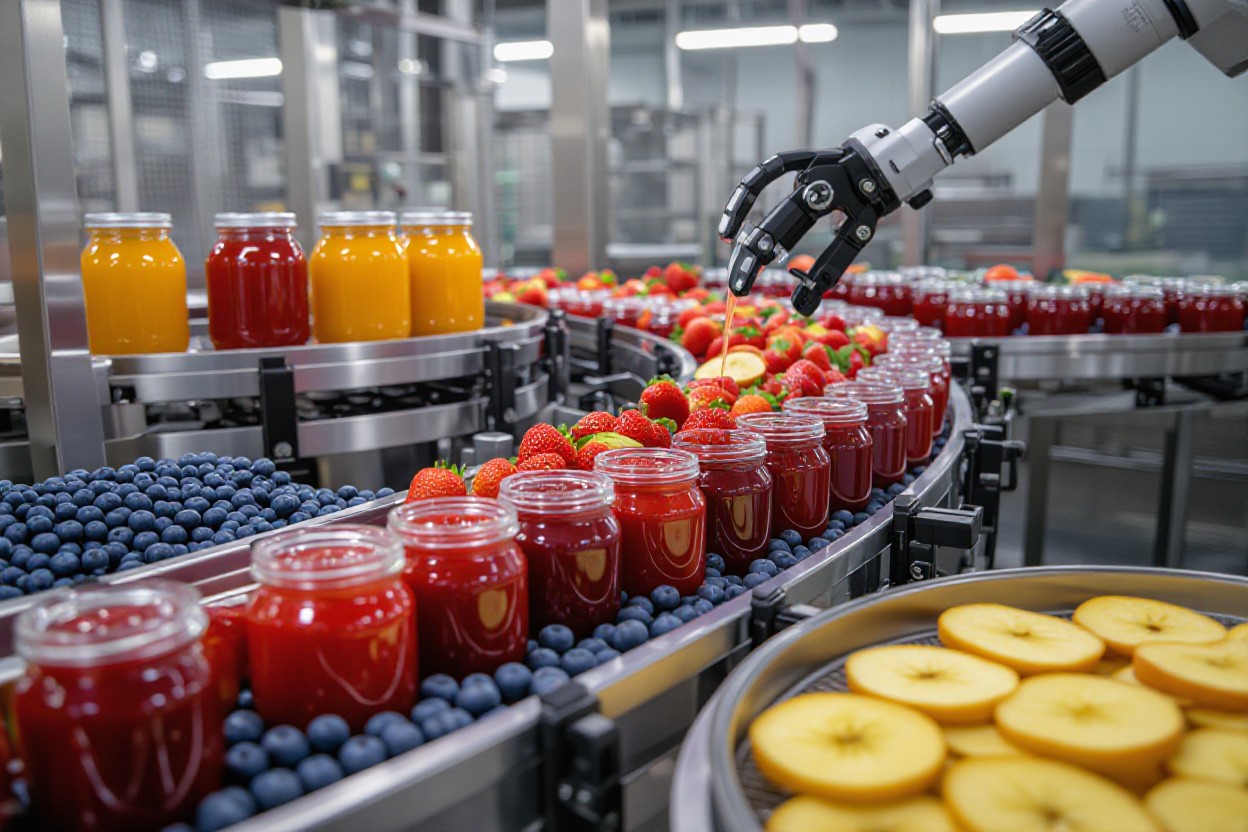
You can integrate robotic pick-and-place arms, servo-driven peelers, and real-time SCADA control to raise throughput while cutting variability. For example, combining PLCs with edge analytics has delivered up to 40% labor reduction and 10–15% OEE improvement in pilot plants. By applying these fruit processing innovations across washing, peeling, and portioning, your line becomes more predictable, scalable, and ready for continuous operation at speeds above 5,000 units per hour on commodity fruit lines.
Digital Advancements in Fruit Processing
Cloud-connected sensors, RFID traceability, and digital twins let you monitor Brix, pH, and temperature across batches in real time. A case study from a mid-size juice plant showed 20% less downtime after deploying a digital twin and IoT alerts, and blockchain-based traceability cut recall scope by 60%. Adopting these fruit processing innovations helps you optimize recipes, audit supply chains, and verify cold-chain integrity with timestamped sensor logs.
Role of AI and Computer Vision in Quality Control
Machine vision and convolutional neural nets let you sort by color, blemish type, and size at line speeds often exceeding 10,000 pieces per hour. Vendors like TOMRA and Key Technology report defect-detection accuracy above 95% in commercial deployments. When you combine high-speed cameras with on-device inference, fruit processing innovations transform inspection from subjective manual checks into reproducible, auditable decisions that reduce downstream rework and improve yield.
Training your AI models on diverse datasets—seasonal variations, lighting, and cultivar differences—is necessary to maintain accuracy. For internal defects, integrating hyperspectral or NIR imaging with computer vision enables detection of internal browning and sugar gradients; pilot trials show internal defect detection rates improving by 25–40% versus RGB alone. By deploying edge GPUs and continuous model retraining, your quality controls evolve with new cultivars and harvest conditions while keeping false positives low.
Enzyme Technologies and Their Application
Pectinases, cellulases, and amylases are used to clarify juices, reduce viscosity for pumping, and speed maceration in jam production. Typical commercial pectinase applications improve clarification time by 20–50% and lower filtration loads, while cellulase blends increase pressing yields by several percent. Integrating enzyme dosing systems into your lines represents one of the most effective fruit processing innovations for reducing cook times and enhancing final texture without changing raw inputs.
Using immobilized enzymes or tailored enzyme cocktails can further cut processing steps and energy use. For instance, a berry jam manufacturer reduced cooking temperature and time by 30%, saving about 25% energy after switching to an optimized pectinase blend; yield rose 3–8% due to gentler handling. You should validate enzyme activity under your pH and temperature profiles and document GRAS/compliance data to ensure consistent, scalable application.
Sustainable Practices in Fruit Processing
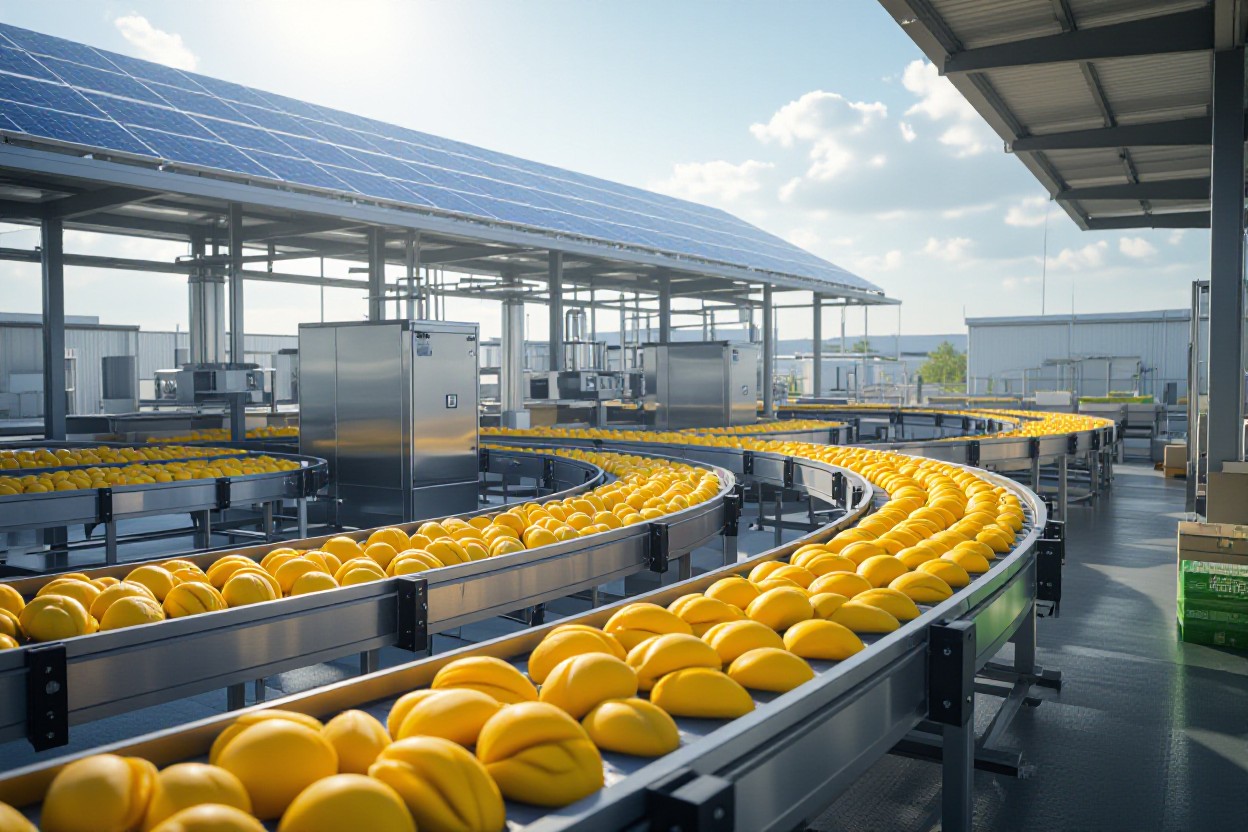
You can cut environmental impact by coupling anaerobic digesters, peel valorization and membrane concentration into a single plant flow; anaerobic systems convert much of the organic load into biogas that can offset 20–50% of thermal demand, while pectin and fiber extraction from peels creates ingredient revenue. These fruit processing innovations also pair well with on-site composting and centralized logistics to reduce landfill volume by 25–40% and lower disposal costs.
Waste Reduction Strategies
Start by separating waste streams at source and deploying enzymatic hydrolysis to recover sugars and oils from pomace, which can raise product yield by up to 20%; you can convert trimmings into powders, animal feed, or pectin, and set up contracts for anaerobic digestion to transform 30–60% of organic residues into biogas. Such fruit processing innovations reduce tipping fees and create new revenue while cutting your supply-chain waste footprint.
Energy Efficiency Improvements
Look to heat recovery, heat pumps, and process integration to slash energy use: condensate and exhaust heat recovery can reclaim 60–80% of lost thermal energy, variable-speed drives and high-efficiency motors cut electrical consumption, and combining membrane concentration with microwave or ohmic preheating reduces evaporative heat demand. These fruit processing innovations let you lower utility bills and greenhouse emissions while maintaining throughput.
For example, you can retrofit pasteurization lines with plate heat exchangers and cascade recovered heat into upstream preheating, cutting boiler fuel by 25–40%; installing heat-pump-assisted drying and reclaiming compressor heat further trims energy needs. In practice, a mid-size jam plant that integrated heat recovery, VFDs and membrane concentration reported roughly 30–45% total energy savings within 12–18 months, shortening payback on capital upgrades.
Eco-Friendly Packaging Solutions
Choose mono-material formats and certified compostable films (EN 13432/ASTM D6400) or high-rPCR PET to improve recyclability and cut packaging emissions; active-barrier coatings like chitosan or oxygen scavengers can extend shelf life by 7–14 days, lowering spoilage rates. These fruit processing innovations let you pair lightweight glass, recycled plastics or biopolymers with optimized pack sizes to reduce material use and transportation emissions.
Lifecycle analyses show that switching to 50–100% recycled PET or certain biopolymers can lower packaging carbon footprints by roughly 20–60% depending on recycling rates and material choices; you can pilot mono-PET trays, compostable film pouches, or recyclable labels and track supply-chain recycling yield to quantify gains and meet retailer sustainability targets.
Flavor Enhancement Technologies
You can combine encapsulation, vacuum infusion and enzyme-assisted release to amplify aromas while minimizing off-notes; pilot trials report ~20% higher volatile retention using vacuum infusion versus air-drying. Increasingly, fruit processing innovations pair these techniques with controlled-release carriers and natural antioxidants to extend sensory life—see Emerging Technologies in Dried Fruit Snacks: Nutritional … for a technical review of dried-snack applications and process data.
Natural Flavor Extraction Methods
You should evaluate supercritical CO2, steam distillation and enzyme-assisted extraction for different matrices: supercritical CO2 excels on citrus peels, recovering limonene-rich oils for juice fortification, while enzyme-assisted methods free glycosylated terpenes from stone fruits. In trials, pressurized liquid extraction reduced solvent traces and improved aroma yield, illustrating practical tools in fruit processing innovations you can scale in pilot plants.
Use of Flavor Compounds and Sundry Innovations
You can deploy natural esters, lactones and terpenes as targeted boosters, using microencapsulation (spray- or coacervation-based) to protect volatiles through thermal steps. Also adopt pulsed electric fields and ultrasound to release bound precursors; combined, these approaches let you apply precise flavor boosts without masking fruit identity, a common goal of modern fruit processing innovations.
You might implement case examples such as microencapsulated strawberry esters added pre-drying: sensory panels noted clearer fruit notes and extended aroma for 8–12 weeks at 25°C. Large manufacturers have used cyclodextrin inclusion complexes to stabilize citrus volatiles during storage, demonstrating how fruit processing innovations translate into measurable consumer gains and predictable shelf-life outcomes.
Balancing Freshness and Flavor Stability
You need to control water activity (often <0.6 for dried snacks), oxygen exposure and light to retain top notes; applying oxygen scavengers, inert gas flushing and UV-blocking films reduces oxidative loss. Packaging design and low-temperature storage work together so you preserve aroma while maintaining microbial safety—core considerations in fruit processing innovations.
You should run accelerated shelf-life tests (e.g., 40°C/75% RH for 2–4 weeks) to model real-time degradation and combine antioxidants like ascorbic acid or natural rosemary extracts with MAP to extend freshness. Hurdle strategies—aw control, barrier packaging, and stabilized flavor carriers—help you achieve stable sensory profiles without sacrificing the fresh-fruit character central to fruit processing innovations.
Nutritional Fortification and Enhancement
You can leverage fruit processing innovations to boost nutrient density without sacrificing texture or flavor. Techniques like microencapsulation, nanoemulsions and enzyme-assisted fortification help maintain vitamin stability through pasteurization and drying. Many processors report 70–90% retention of added vitamins after thermal steps when encapsulation is applied, showing how fruit processing innovations translate lab gains into scalable outcomes for juices, jams and dried snacks.
Adding Nutrients to Processed Products
You should consider targeted additions such as vitamin D nanoemulsions in juices, iron chelates in fruit purees and plant-protein isolates in snack bars. Trials often aim for 10–30% of daily value per serving, and you’ll find microencapsulation reduces off-notes and loss during 85–95°C pasteurization, demonstrating practical benefits of fruit processing innovations for fortification.
Consumer Demand for Nutritional Content
You’re seeing steady consumer demand for higher-protein, high-fiber and vitamin-enhanced fruit products, with surveys showing 62% of shoppers willing to pay more for added nutrients. Retail data indicates fortified fruit snacks grew 18% year-over-year, so integrating nutrition claims into your product mix aligns with market trends driven by health-conscious buyers and clear labeling.
More directly, you can use segmentation data to tailor fortification: millennials and parents favor protein and vitamin B-complex claims, while older consumers prioritize calcium and vitamin D. Recent studies show bioavailability-focused formats—like liposomal vitamin C—improve absorption by 25–40% compared with simple blends. If you map fortification strategy to shopper cohorts, fruit processing innovations let you optimize both formulation and shelf placement to increase conversion and repeat purchase.
Case Studies on Fortified Juices and Snacks
You’ll find compelling examples where fortification improved nutritional profiles and market performance: fortified orange juice with added calcium, probiotic fruit purees, and fiber-enriched dried fruit chips. These show how fruit processing innovations allow you to meet nutrition targets while maintaining sensory appeal and shelf stability.
- 1) Calcium-fortified orange juice (commercial pilot): 120 mg Ca/serving added via nanoemulsion; 85% retention after 6 months; sensory score 4.1/5; sales uplift +12% vs control.
- 2) Vitamin C-encapsulated berry puree (R&D): 500 mg added per 200 g batch; 88% retention post-pasteurization; measured bioaccessibility +30% in in vitro digestion.
- 3) Protein-enriched dried mango chips: +8 g plant protein/serving using pea isolate; water activity reduced to 0.35 for 12-month shelf; consumer acceptance 78% in blind tests.
- 4) Iron-fortified apple puree for children: 6 mg Fe/serving as chelated iron; hemoglobin improvement +0.6 g/dL in 12-week trial; no significant taste complaints reported.
- 5) Prebiotic fiber-added fruit bars: 4 g inulin/serving; mean glycemic response reduced by 15% in clinical testing; repeat purchase rate +20% in test market.
Further analysis shows you can replicate these outcomes by selecting compatible fortificants and processing paths: match encapsulation chemistry to your thermal profile, validate nutrient retention at target shelf-life points, and run consumer sensory panels with ≥100 participants for statistically robust feedback. When you deploy fruit processing innovations with clear KPI tracking—retention %, bioavailability gain, and sales lift—you systematically de-risk scale-up and maximize nutritional impact.
- 6) Liposomal vitamin D in cold-pressed juice: 10 µg/serving; enhanced bioavailability +40% vs oil-based delivery; stability >90% over 3 months refrigerated storage.
- 7) Multi-vitamin jam using spray-dried microcapsules: 6 vitamins added; thermal loss reduced to <15% during 95°C filling; shelf stability maintained at 12 months.
- 8) Probiotic fruit purée sachets: 1×10^9 CFU/serving post-packaging; survival rate 70% after 9 months at 4°C; clinical gut-microbiome shifts observed in 8-week study.
- 9) Vitamin B-complex gummy from fruit concentrate: 50–100% DV per serving; manufacturing yield 92% with low cross-contamination using dedicated lines; consumer repeat-buy +30%.
- 10) Fortified school-snack program (pilot): 15% of participants improved micronutrient intake to recommended levels after 6 months using fortified dried fruit packs; program adherence 88%.
Trends in Packaging Technologies
You’ll see packaging shifting toward aseptic fills, compostable substrates and sensor-enabled formats that directly support fruit processing innovations; aseptic cartons and pouch systems can push shelf life for clarified juices to 9–12 months, letting you cut cold-chain costs, while cellulose-based films and printed indicators improve consumer trust and traceability back to orchard lots.
Aseptic Packaging Innovations
You can deploy aseptic filling with UHT-treated juice and hydrogen-peroxide or steam-sterilized packaging to achieve 6–12 months ambient shelf life; Tetra Pak and SIG systems scale from pilot to industrial runs. These aseptic advances are a core part of fruit processing innovations, enabling preservative-free ambient jams and purees, and pre-sterilized pouch lines help your artisanal labels maintain flavor while reducing microbial risk.
Biodegradable and Sustainable Materials
You should evaluate PLA, PHA, molded bagasse and coated cellulose as replacements for PET/PE in many formats; certifications like ASTM D6400 and EN 13432 guide compostability claims. Several snack and jam producers have piloted PLA-laminated pouches and molded fiber trays, aligning material choice with broader fruit processing innovations and consumer demand for lower fossil-plastic content.
Barrier performance remains the technical challenge: to match PET you often need multilayer constructs or bio-based coatings such as chitosan or nanocellulose, aiming for oxygen transmission rates under ~1 cc/m2·day for oxidation-sensitive juices. Blends like PLA/PBAT raise flexibility and heat resistance (PLA softens ~150–160°C), and pilot trials demonstrate compostable pouches can deliver comparable shelf life for many dried snacks while simplifying end-of-life handling.
Smart Packaging Solutions
You can add RFID or NFC for traceability, QR codes for provenance, and time–temperature indicators (TTIs) or colorimetric freshness sensors to monitor real-time spoilage; NFC tags (read range ~4 cm) let consumers scan harvest and lot data at point of sale. These smart systems expand the utility of fruit processing innovations by reducing shrink and strengthening brand transparency across the supply chain.
Printed gas sensors detecting ethanol or esters, TTIs and electronic tags are converging: basic TTIs cost ~$0.05–$0.50 in volume while active tags range ~$0.50–$2. You can integrate RFID reads (up to ~10 m for UHF) into blockchain or ERP platforms to automate recalls and inventory decisions, and pilot deployments show smarter sensors help you cut wasted cases and improve shelf-life management—extending the reach of fruit processing innovations across distribution.
Market Trends and Consumer Preferences
Sales data show shoppers shifting toward traceability, clean labels, and convenience, and you see that reflected in shelf assortment and R&D budgets; fruit processing innovations like HPP, mild thermal systems, and aseptic filling are being adopted to meet those demands while preserving flavor and nutrients, and retailers report premium fruit SKUs often command 20–40% higher margins, pushing processors to prioritize unique formats and storytelling that justify higher price points.
Growth of Premium Fruit Products
Premium launches — single-origin jams, cold-pressed and shelf-stable cold-chain juices, and artisanal dried fruit — are rising because you can charge for provenance and processing method; fruit processing innovations such as HPP and vacuum-infused infusions enable small-batch texture and taste that consumers will pay more for, and brands like Suja and boutique jam makers have shown double-digit premium share gains in specialty channels.
Influences of Health Consciousness and Wellness Trends
Health-driven purchasing puts low-sugar, high-fiber, and functional ingredients front and center, so you need processing that preserves nutrients while reducing additives; fruit processing innovations that limit thermal degradation let you market real fruit content and fiber retention, appealing to 25–45-year-old shoppers who prioritize gut health and transparent ingredient lists.
Operationally, adopting techniques such as HPP, pulsed electric fields, and enzyme inactivation changes your product claims and shelf-life economics: HPP can extend refrigerated juice life from days to several weeks while retaining vitamin C and terpene profiles, and you can quantify that by partnering with third-party labs to show nutrient retention, which then supports on-pack claims and retailer listings.
The Role of Social Media and Marketing
Visual platforms amplify texture and color, so you should showcase processing provenance and sensory cues; fruit processing innovations become storytelling hooks — “cold-pressed, HPP-treated” or “clean-label dried” — and influencers demonstrating recipes or shelf-life benefits drive trial, with many brands reporting measurable upticks in e-commerce conversion after targeted campaigns.
Practically, integrate QR codes and short processing videos to convert curiosity into trust: you can A/B test messaging (process-focused vs. taste-focused), track engagement and conversion, and use UGC campaigns to create authentic proof points; brands that transparently explain fruit processing innovations and show before/after sensory shots tend to see higher repeat purchase rates and retailer buy-in.
Global Perspectives on Fruit Processing
You can spot how fruit processing innovations vary by region: Europe pushes HPP and traceable cold chains, Asia adopts solar dryers and small-scale spray-dry units, and North America scales automation and aseptic lines. For powder-focused workflows, consult Creating Fruit Juice Powders: Techniques and Applications to adapt technologies to your supply and shelf-life goals.
Regional Innovations and Techniques
You should note regional fruit processing innovations such as Southeast Asia’s solar tunnel dryers cutting drying time from ~36 to ~18 hours and boosting throughput by ~40%, Chile’s continuous pulping lines handling 40–60 t/day for export, and the EU’s emphasis on MAP/HPP that extends fresh juice shelf life from 3 to 14 days while improving traceability and clean-label claims.
Comparative Analysis of Processing Methods
You’ll find trade-offs across methods: freeze-drying preserves 90–95% of nutrients but costs 3–5× more than hot-air drying, spray-drying gives high powder yield (80–95%) with moderate energy intensity, and HPP preserves fresh sensory profiles while raising CAPEX and per-batch cost — these fruit processing innovations change your cost-to-quality balance.
You can evaluate methods by energy, yield, nutrient retention and throughput; the table below summarizes typical metrics so you can match method to product and margin goals.
Comparative Method Summary
| Freeze-drying | Nutrient retention 90–95%; yield 70–85%; energy high (kWh/kg 5–10); shelf life 2+ years |
| Spray-drying | Retention 75–90% (depends on carrier); yield 80–95%; energy moderate; throughput 500–2,000 kg/h |
| Hot-air drying | Retention 50–75%; yield 60–85%; energy low-medium; drying time 8–48 h |
| HPP (juices) | Fresh-like quality; shelf life 30–60+ days refrigerated; throughput 1,000–5,000 L/h; CAPEX high |
| Aseptic processing | Long shelf life (6–12 months); retention 70–85%; throughput scalable to 10,000 L/day |
Case Studies from Leading Fruit Producing Countries
You’ll see practical outcomes when fruit processing innovations are deployed at scale: Brazil’s citrus automations, China’s apple drying cooperatives, USA HPP juice clusters, Spain’s olive and jam lines, and India’s mango pulp aseptic facilities each show measurable gains in yield, waste reduction, and export value.
You can use these examples to benchmark ROI, capacity, and policy impacts; the list below gives concrete numbers so you can compare investments and expected gains.
- Brazil (citrus concentrates): automated peeling and continuous extraction raised yield by ~6%, processing capacity ~10,000 t/month, exports up 12% after line upgrades.
- China (apple drying cooperatives): adoption of solar tunnel dryers scaled to ~3,000 t/year per cooperative, cutting energy costs ~35% and post-harvest losses from 18% to 8%.
- USA (cold-pressed juices with HPP): HPP adoption extended refrigerated shelf life from 7 to 45 days; plant capacities 1,000–3,000 L/h; retail returns improved by 20% via premium pricing.
- Spain (jam and puree lines): enzymatic clarification and vacuum concentration reduced sugar use by ~8% and increased throughput to ~200 t/month per medium plant.
- India (mango pulp aseptic): aseptic processing and packaging scaled capacity to ~5,000 t/year, cutting waste from ~18% to ~6% and enabling stable exports to EU markets.
Challenges in Fruit Processing
You face fluctuating raw-material quality, short harvest windows and high perishability, and a JBT white paper outlines solutions for waste and safety—see Value-Added Fruit & Vegetable Products. With fruit processing innovations you must balance yield, shelf life and investment; pilot trials often cut losses by 10–30% but require months of validation and cross-disciplinary teams.
Technical and Economic Hurdles
You encounter high capital barriers—HPP units run from $500k–$2M and continuous freeze-dry lines scale poorly for low-volume SKUs. Integrating sensors, robotics and cloud analytics from fruit processing innovations reduces labor by up to 40%, yet payback often exceeds 3–5 years for mid-size processors, forcing phased rollouts or co-investment with co-packers.
Regulatory Considerations
You must navigate FSMA, HACCP validation and different regional rules for novel processes like PEF or cold plasma; approval timelines can be 6–18 months. Implementing fruit processing innovations requires documented validation studies, traceability for allergens, and audits to support label claims across export markets.
For example, PEF systems often need process equivalency data to be accepted as pasteurization alternatives, and shelf-life challenges require challenge studies costing $10k–$40k per SKU. You should plan regulatory submissions alongside pilot runs, because approvals and labeling changes can delay commercialization by quarters.
Market Competition and Adaptation
You face private-label pressure and fast-moving start-ups that use DTC channels; premium organic or functional snacks can command 15–30% price premiums if you prove provenance. Leveraging fruit processing innovations in packaging and minimal-processing helps you shorten time-to-market and protect margins in crowded categories.
Operationally, outsourcing to co-packers or adopting modular processing lines can cut CAPEX by ~20–25% and accelerate SKU launches. You can also use targeted consumer tests and data-driven reformulation to pivot flavors and formats within 12 weeks, staying competitive while scaling new fruit processing innovations.
Future of Fruit Processing Technologies
You’ll see fruit processing innovations accelerate around precision thermal alternatives, AI-driven sorting and enzymatic extraction: HPP delivers up to 5-log pathogen reduction, pulsed electric fields (PEF) can boost juice yield by 10–20%, and membrane concentration cuts energy versus evaporation by roughly 30%. Expect modular, sensor-rich lines that let you switch between juices, jams and dried snacks within hours while maintaining traceability and shelf stability.
Emerging Innovations and Research Areas
You should track hybrid technologies—combining PEF, cold plasma and tailored enzymes—to increase recovery from low-grade fruit; a 2021 pilot in southern Spain using PEF + enzyme pretreatment raised puree yield ~12% and reduced waste streams. Fruit processing innovations also include inline spectroscopy for Brix/acidity mapping and blockchain traceability pilots reducing recall time from days to hours.
Anticipated Market Changes
You’ll face buyers demanding more provenance, faster NPD and flexible pack formats, and many analysts forecast ~3–4% CAGR in processed-fruit categories through 2028 as convenience and clean-label keep growing. Fruit processing innovations will reshape procurement: you’ll source smaller lots, pay premiums for verified origin, and need agile contracts to match variable harvests.
To act on those shifts, you’ll invest in shorter lead-time lines and SKU-flexible equipment that cut changeover by 30–50%; retailers will expect digital QC data with every pallet, and co-packing models will expand so you can test new fruit processing innovations without full capital outlay. Expect private-label growth and regional sourcing to pressure margins unless you adopt productivity gains.
The Role of Collaborative Efforts in Advancements
You benefit when OEMs, growers, universities and regulators partner on shared pilot plants and standards development: industry consortia accelerate validation, and joint trials often halve time-to-market for new methods. Fruit processing innovations advance faster when you participate in testbeds that combine equipment trials with real harvest variability and consumer sensory panels.
Joining collaborative R&D lowers your technical risk: by pooling CAPEX and grant funding you can access pilot lines for weeks instead of years, giving you live data on throughput, yield and shelf life. That hands-on experience with fruit processing innovations helps you decide which scale-up paths will deliver ROI within typical 3–5 year planning horizons.
Final Words
Presently you should embrace fruit processing innovations to boost quality, efficiency and shelf life; fruit processing innovations like cold-pressing, high-pressure processing and smart drying transform juices, jams and snacks. As you implement fruit processing innovations in your line, you gain traceability, waste reduction and flavor retention, and fruit processing innovations accelerate your R&D and market responsiveness while guiding investments and sustainable design. You must monitor fruit processing innovations to stay ahead.