Table of Contents
So, Europe’s gone and shaken up the cocoa game again. Chocolate makers and anyone importing the stuff? Yeah, they’re basically on a whole new obstacle course now. The EU’s cocoa regulations basically saying, “Hey, your chocolate better taste great and not wreck the planet or screw over the farmers.” So, now there’s a whole laundry list of new rules. Suddenly, it’s not enough for your cocoa to just melt in your mouth—it’s gotta have a paper trail and prove no sketchy stuff happened along the way. Bureaucracy with a hint of cocoa, anyone?. Companies can’t just phone it in anymore; they gotta keep receipts for every step in the process. Bit of a headache, honestly, but also—if you play it right—you might end up looking like a hero to all those eco-conscious shoppers. So, love it or hate it, if you’re in the chocolate biz in Europe, time to get your act together and make sure your supply chain’s squeaky clean.
Overview of EU Cocoa Regulations

If you really want to get what EU cocoa rules mean for chocolate makers and importers, you gotta dig into how the whole cocoa deal works. The EU’s not just nitpicking—they’re pushing for better quality, more eco-friendly vibes, and making sure you can actually trace where your chocolate comes from (no shady dealings, please). Plus, there’s all that paperwork to keep things legit with global trade. All these rules? They’re not just for show.
- Historical Context
If you zoom out and look at the EU’s cocoa rules, it’s like a history lesson in a chocolate bar. Stuff didn’t just show up overnight—nah, it’s been this slow grind, with people getting really fired up about where their chocolate comes from and what’s actually going on behind the scenes. Folks started calling out things like child labor and forests getting wrecked just so we could get our sugar fix. The EU had to step in and say, “Alright, let’s do better.” So now, the rules keep shifting, trying to keep up with what people care about: fair pay, no kids working in the fields, and not burning down rainforests just for a cheap snack. It’s made a huge difference in how companies get their cocoa—can’t just grab the cheapest stuff and call it a day anymore.
- Key Regulatory Changes
Any discussion on EU cocoa regulations would be incomplete without highlighting key regulatory changes that have taken place over the years. These changes include stricter import standards, labeling requirements, and sustainability certifications that manufacturers must comply with, all designed to enhance transparency and consumer protection.
Cocoa rules have gotten a serious makeover lately—no more wild west. The EU’s basically put its foot down, making cocoa importers jump through all these hoops just to prove their beans aren’t coming from some sketchy operation. You can’t just slap any old label on a chocolate bar now, either. They want labels to actually mean something, so folks know if their treat’s got a shady backstory or not. It ain’t just some PR stunt—supposedly, these changes are meant to actually toss a lifeline to the folks busting their backs growing cocoa.
Effects on Chocolate Manufacturers
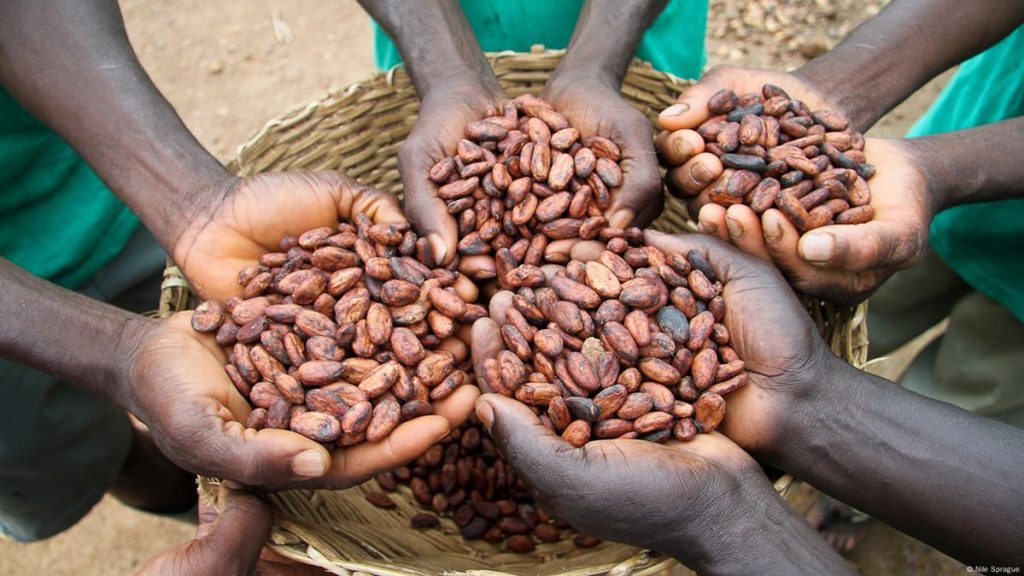
If chocolate manufacturers are to navigate the EU’s cocoa regulations effectively, they must adapt their sourcing and production practices. These regulations impose strict requirements on sustainable cocoa sourcing, traceability, and ethical labor practices, which impact chocolate production processes and overall business operations. Compliance requires significant modifications, from ingredient sourcing to consumer transparency, ultimately affecting manufacturers’ competitiveness in the market.
- Compliance Challenges
These new rules are really throwing manufacturers for a loop. Suddenly, they’ve gotta keep tabs on every single step in their cocoa supply chains—like, paperwork galore and a whole lot of “prove it” at every turn. So now they’re scrambling to set up these high-tech tracking systems and probably having to fork out more cash for gadgets and training people, just to keep up. Honestly, it’s a headache and it’s making everything way more complicated (and slower) than it used to be.
- Cost Implications
Any adaptation to the EU’s cocoa regulations carries significant cost implications for chocolate manufacturers. The need for enhanced supply chain transparency and compliance monitoring leads to increased operating costs, which manufacturers must weigh against potential market advantages.
Compliance isn’t cheap. You’ve got to throw cash at new tech, upgrade your whole setup, maybe even shell out for consultants just to make sure you’re ticking all the right boxes. And if you’re moving to “sustainable” suppliers—yeah, those raw materials aren’t coming at a discount. The paperwork alone is a headache, with constant reporting and all these hoops to jump through for verification. Honestly, costs just keep piling up, squeezing those profit margins. No surprise some manufacturers end up rethinking their prices or just scrambling to find a smarter way to run things.
Impact on Cocoa Importers
Cocoa importers gotta jump through a whole new set of hoops now, thanks to the EU’s latest rules. Seriously, these aren’t just suggestions—they want all the receipts: proof that your cocoa isn’t wrecking the planet and you actually know where it’s coming from. It’s not just a little paperwork either; it’s changing how folks run their operations and even how they deal with suppliers. Welcome to the era of “show your work or get out.”
- Supply Chain Adjustments
Honestly, if you wanna keep shipping cocoa into the EU, you’re gonna have to shake up your whole supply chain. We’re talking way better tracking—like, you’ll need to actually know where your beans are coming from instead of just crossing your fingers. Plus, expect a mountain of new paperwork to prove your cocoa’s actually up to snuff with those sustainability rules. Not exactly a walk in the park.
- Market Access Issues
Trying to get cocoa into the EU isn’t exactly a walk in the park. There’s this whole mess of rules and paperwork that can seriously trip you up. Honestly, it feels like they want you to jump through flaming hoops just to prove your cocoa’s all green and traceable.
A lot of these importers end up banging their heads against the wall, especially if their beans come from places where nobody really knows what’s going on in the supply chain. Makes it way harder to show your stuff is actually sustainable.
Honestly, the chaos just makes it a straight-up brawl—everyone’s flailing around, trying to one-up the next person, just to avoid getting left behind. But if you’re the smart cookie who actually manages to pull it all together and get your act sorted? You might just score yourself a golden ticket into the EU market. Not easy, but that’s the game.
Environmental Considerations
The EU’s cocoa rules aren’t just about making sure your chocolate bar isn’t shady—they’re also throwing some serious weight behind saving the planet. Basically, they’re telling chocolate companies, “Hey, prove where your beans come from and clean up your act.” It’s not just paperwork for the sake of paperwork, either. The idea is to shove companies toward greener habits, so the forests and critters getting smacked by cocoa farming actually get a break for once.
- Sustainable Sourcing Practices
After the introduction of the EU’s cocoa regulations, many manufacturers and importers have begun to embrace sustainable sourcing practices. This shift enables them to secure a supply chain that prioritizes both social responsibility and environmental stewardship, thereby potentially reducing their overall ecological footprint.
- Regulation Impact on Deforestation
Against the backdrop of ongoing deforestation concerns, the EU’s cocoa regulations play a pivotal role in mitigating this issue. By mandating traceability, these regulations compel stakeholders in the chocolate supply chain to avoid sourcing from regions where deforestation is prevalent.
These new rules? They basically force chocolate companies to own up to their sourcing habits. So now, if they want to keep selling, they’ve gotta work with farmers instead of just turning a blind eye while forests disappear. It’s not just about saving trees, either. It means people who grow cocoa can actually make a living without wrecking their environment. Win-win, if you ask me.
Economic Implications for Cocoa-Producing Countries

All cocoa-producing countries face significant economic challenges due to the EU’s cocoa regulations. These standards can affect trade agreements, potentially limiting access to the European market. As countries strive to comply with stringent regulations, they may experience increased costs in production and exportation, impacting their overall economic stability.
- Farmer Livelihoods
When the rules change, cocoa farmers feel it—big time. Prices can tank outta nowhere if the market gets weird or they can’t jump through all the new hoops. Suddenly, there’s less cash coming in, so feeding the family gets harder, and forget about putting money into greener farming methods. It’s rough.
- Market Dynamics
Against this backdrop, the market dynamics for cocoa are continually evolving. The EU regulations may compel manufacturers to source cocoa from suppliers who adhere to higher standards, thereby impacting pricing and availability. Consequently, smaller farmers may find it challenging to compete, leading to a potential consolidation of supply among larger producers who can afford the necessary certifications. This may create a ripple effect, resulting in increased market volatility and changes in pricing structures that ultimately influence consumer costs.
Future of EU Cocoa Regulations
Once again, the EU’s cocoa regulations are poised for evolution as sustainability and ethical sourcing become increasingly prominent in consumer preferences and market demands. Stakeholders anticipate that continued pressure from environmental and social advocacy groups will motivate lawmakers to refine existing policies and introduce new measures aimed at ensuring a more transparent and responsible supply chain.
- Expected Trends and Developments
Behind the regulatory landscape, it is evident that manufacturers and importers must remain vigilant as consumer expectations shift towards greater transparency and sustainability. This evolving dynamic may push companies to adopt more innovative practices, including enhanced traceability and support for farmers, to align with anticipated regulatory changes and public sentiment.
- Potential Revisions
After reviewing the current EU regulations, stakeholders recognize the possibility of significant revisions aimed at tightening standards and promoting responsible sourcing practices. These revisions may involve more stringent certification processes and penalties for non-compliance that can significantly impact business operations.
Potential revisions could reshape the chocolate industry by requiring manufacturers and importers to implement more rigorous ethical sourcing protocols. They may also necessitate investments in sustainable farming methods and supply chain transparency, which can increase operational costs. However, these changes could ultimately result in a more responsible industry that aligns with evolving consumer values and enhances the reputation of brands committed to sustainable practices.
To wrap up
Honestly, EU cocoa rules? They kinda shake up the whole chocolate game. Companies don’t just get to toss together any old bar—they’ve gotta play by the book, think about where their beans come from, who’s growing them, all that jazz. It’s not just about ticking boxes, either. Look, if you wanna whip up chocolate in Europe—or even just sling it there—you pretty much gotta play by their rules. That means paying farmers something that’s not totally insulting and, oh yeah, not turning the rainforest into a parking lot. Yeah, it’s a headache for companies who have to jump through a million hoops.