Table of Contents
Monitoring cocoa plantation by technology, like using drone is something that revolutionary for farming method. Your ability to detect early signs of disease, pests, and nutrient deficiencies is significantly enhanced with drone technology, allowing you to take proactive measures to ensure a healthy and thriving crop. By leveraging drones, you can optimize your cocoa plantation’s yield and quality, making informed decisions based on accurate and timely data.
Current Challenges in Cocoa Plantation Health Monitoring

Cocoa beans are grown by large agroindustrial plantations and small producers, the bulk of production coming from millions of farmers with small plots. A tree begins to bear when it is four or five years old. A mature tree may have 6,000 flowers in a year, yet only about 20 pods. Your efforts to monitor cocoa plantation health are hindered by several challenges, including labor-intensive methods and limited accessibility, which can lead to reduced crop yields and decreased quality.
- Labor-Intensive Methods
An industry or process where labor accounts for a greater percentage of overall expenditures than expenses related to capital equipment acquisition, upkeep, and depreciation. Labor-intensive industries include coal mining, construction, and agriculture. Labour-intensive approaches to monitoring cocoa plantation health involve manually inspecting each tree, a time-consuming and costly process that can be prone to human error, making it inefficient for large-scale plantations.
- Limited Accessibility
Currently, many cocoa plantations are located in remote areas with difficult terrain, making it hard for farmers to access and monitor the health of crops regularly.
In addition, the dense foliage and complex canopy structure of cocoa trees can also limit your ability to access and monitor the plantation, making it vital to find alternative methods, such as using drones, to effectively monitor the health of your cocoa plantation.
The Emergence of Drones in Agricultural Monitoring

It is interesting to note that drones have been increasingly used in agricultural monitoring, offering a new perspective on crop health and development. You can now observe your cocoa plantations from above, gaining valuable insights into their condition. This technology has opened up new avenues for more efficient and effective crop management.
- Technological Advancements
As more industries search for modern, inventive solutions to issues of sustainability, productivity, and other challenges, drone technology has become more prevalent across a wide range of industries. Behind the scenes, advancements in sensor technology and data analysis have enabled drones to capture high-resolution images and provide detailed information on crop health. You can use this data to identify potential issues in your cocoa plantation, such as pests or diseases, and take corrective action.
- Cost-Effectiveness
Agricultural professionals like yourself are always looking for ways to optimize resources, and drones offer a cost-effective solution for monitoring large areas of land. You can cover more ground in less time, reducing the need for manual inspections and minimizing costs.
Also, as you probe deeper into the world of drone technology, you will find that the cost savings extend beyond the initial investment. You can use the data collected by drones to make informed decisions about fertilizer application, irrigation, and pest control, leading to increased yields and improved profitability. By leveraging drones in your cocoa plantation, you can streamline your operations and stay ahead of the competition.
Drone-Based Sensors and Imaging Techniques
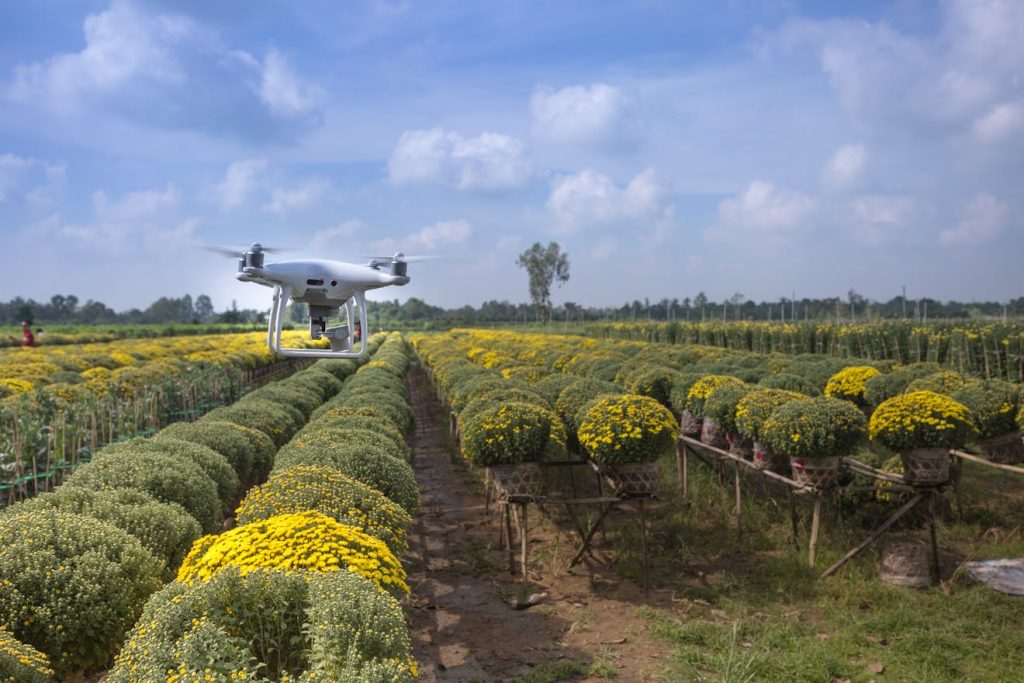
While exploring the world of drone technology in cocoa plantation health monitoring, you will discover various sensing and imaging methods. These techniques enable you to gather detailed data on your plantation’s condition, helping you make informed decisions.
- Multispectral and Hyperspectral Imaging
The utilization of multispectral and hyperspectral imaging allows you to analyze your cocoa plants’ health by detecting subtle changes in reflectance and transmittance. This helps you identify potential issues before they become severe. The key differences between hyperspectral and multispectral technologies are the quantity of bands captured, the narrowness of those bands (spectral resolution), and the electromagnetic radiation spectra contained inside each band.
- Infrared and Thermal Imaging
Beside the visible spectrum, infrared and thermal imaging provide you with valuable insights into your cocoa plants’ thermal properties, enabling you to detect stress and disease. Infrared technology is used in thermal imaging, a sophisticated non-invasive method for detecting heat emissions from a variety of objects. Through this process, the infrared energy—which is undetectable to the human eye—is transformed into a display of visible light. All objects above absolute zero temperature release thermal energy, often known as infrared (IR) radiation. Thermal imaging is based on the differences in these emissions.
Plus, as you investigate deeper into the applications of infrared and thermal imaging, you will find that these techniques can help you monitor temperature fluctuations, transpiration rates, and other factors that impact your cocoa plants’ health, allowing you to take targeted actions to improve your plantation’s overall well-being.
Benefits of Drone Monitoring in Cocoa Plantations
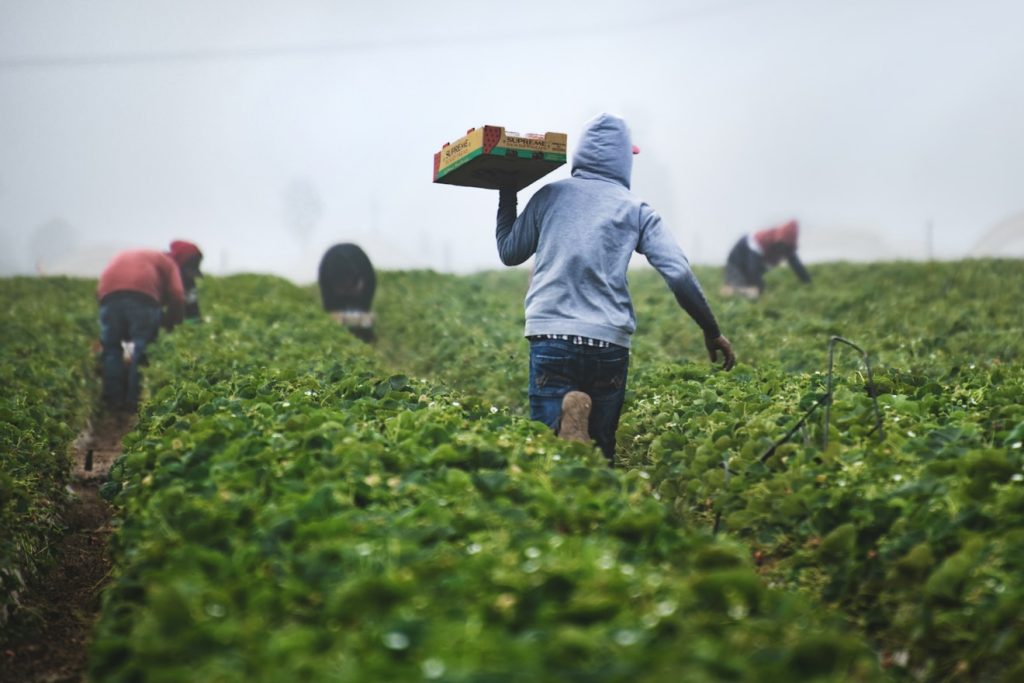
To effectively manage your cocoa plantation, you need to leverage cutting-edge technology. Drones can monitor your plantation’s health, providing valuable insights into its condition.
- Early Disease Detection
Obviously, noticing diseases early is vital for your plantation’s survival. You can use drones equipped with specialized cameras to detect diseases, enabling you to take prompt action.
- Yield Prediction and Optimization
Predictively, analyzing data from drones helps you forecast your cocoa yield. You can use this information to make informed decisions about your harvest, optimizing your yield and maximizing your profits.
You will also learn that drones can give you very precise information about the growth of your cocoa plants, enabling you to pinpoint areas that need more care and modify your farming methods to increase your total yield and quality.
Integration with Other Technologies
Not only can drones monitor cocoa plantation health, but they can also be integrated with other technologies to enhance their capabilities. You will find that combining drones with various tools can lead to more efficient and effective monitoring systems.
- Artificial Intelligence and Machine Learning
Toward the goal of improving drone-based monitoring, you can utilize artificial intelligence and machine learning to analyze data and detect patterns in cocoa plantation health, allowing for more accurate assessments and predictions about your plantations.
- Geographic Information Systems
Behind the scenes, geographic information systems play a significant role in mapping and analyzing the spatial data collected by drones, enabling you to visualize and understand the health of your cocoa plantations in greater detail, which can inform your decision-making processes.
Technologies like geographic information systems can help you to create detailed maps of your cocoa plantations, overlaying data on health, soil conditions, and other factors, allowing you to identify areas that require attention and make data-driven decisions to optimize your plantation’s health and productivity, ultimately benefiting your entire operation.
Future Directions and Potential Applications
Despite the current advancements, you will likely see significant improvements in drone technology for cocoa plantation health monitoring. As you explore new applications, consider the potential for increased efficiency and accuracy.
- Autonomous Drone Systems
Around the world, you are witnessing the development of autonomous drone systems that can navigate and collect data without human intervention, allowing you to focus on analysis and decision-making.
- Multi-Crop Monitoring
Driven by advancements in sensor technology, you can now use drones to monitor multiple crops, including cocoa, and gain insights into your entire agricultural operation, enabling you to make more informed decisions.
But as you explore deeper into multi-crop monitoring, you will discover that it requires careful planning and coordination to ensure that your drones are equipped with the right sensors and software to collect relevant data for each crop, and that you have the necessary infrastructure to process and analyze the large amounts of data generated, allowing you to unlock the full potential of drone technology for your agricultural business.
Final Words
Considering all points, you now have a deeper understanding of the role drones play in monitoring cocoa plantation health. As you explore this technology further, you’ll discover how drones can optimize your crop management, enabling you to make data-driven decisions and increase your yields. With your newfound knowledge, you can leverage these unmanned aerial vehicles to improve the health and productivity of your cocoa plantations, ultimately benefiting your entire operation.