Table of Contents
Lately, cocoa farmers have been jumping on the regenerative agriculture bandwagon—not just for bigger harvests, but because, the old way was kind of wrecking the land. The global cocoa beans market is expected to grow at a compounded annual growth rate of 4.8% from 2025 to 2033 to reach USD 23.68 billion by 2033. Now, they’re all about bringing the soil back to life, letting more critters and plants do their thing, even trapping carbon like it’s some sort of cocoa producers game. It’s not just good PR; it actually makes their farms tougher against all the weird weather and climate stuff getting thrown their way.
Honestly, it’s amazing. These smart moves mean better crops and less damage to the environment—talk about the best of both worlds. Plus, it’s pushing chocolate production in a direction that’s way more responsible. Healthier land, more ethical chocolate, less guilt next time you destroy a chocolate bar.
Understanding Regenerative Agriculture
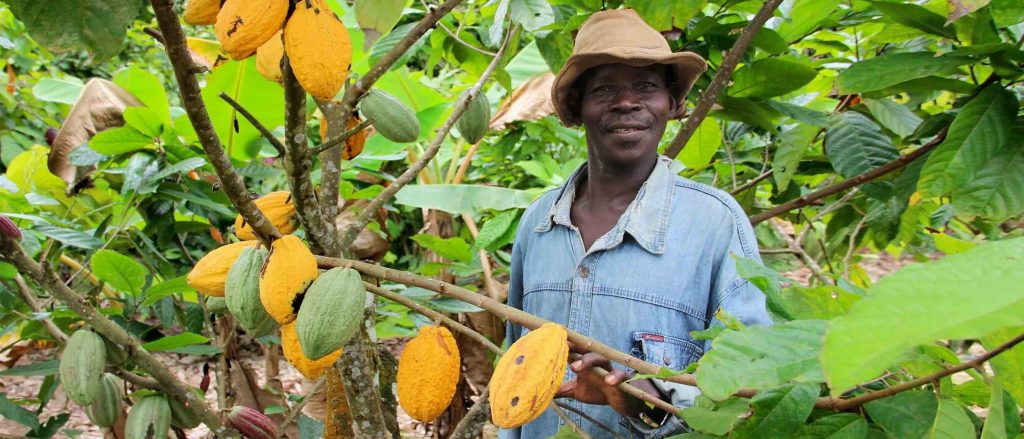
Your approach to farming can significantly impact ecosystems and farming productivity. Regenerative agriculture is a holistic, sustainable farming method aimed at enhancing soil health, increasing biodiversity, and improving ecosystem resilience. By using practices such as cover cropping, crop rotation, and agroforestry, farmers can restore soil fertility and create a balanced environment that supports both crops and wildlife.
- Definition and Principles
Along with conventional agricultural practices, regenerative agriculture focuses on rebuilding soil organic matter and restoring degraded soil biodiversity. This approach encourages the use of natural practices that mimic ecosystems, reducing reliance on chemical inputs and fostering resilience within farming systems. Principles include no-till farming, biological pest control, and diverse crop rotations aimed at maintaining ecological balance.
- Benefits for Cocoa Production
You wanna see cocoa farms actually thrive? Try regenerative agriculture. It’s like, suddenly the dirt’s alive again—plants are tougher, they don’t freak out every time a bug shows up, and yields can actually go up instead of tanking. Plus, it’s not just about the beans. These methods suck up more carbon (take that, climate change) and turn the whole place into a mini-jungle of life. Basically, better chocolate starts with better dirt, and this is how you get there.
Alright, here’s the deal—regenerative agriculture isn’t just some trendy buzzword, especially when we’re talking cocoa. Getting your hands dirty with this approach? The soil actually gets healthier, which means cocoa trees soak up more nutrients, and bam—better growth, chunkier yields. Sweet, right?
Plus, wasting those chemical fertilizers saves you cash. Who doesn’t love spending less on stuff that’s just going to wash away anyway? And don’t even get me started on mixed planting—throw in some variety, and suddenly pests are less of a nightmare, pollinators are happy, and your whole farm just shrugs off problems like it’s no big deal. Basically, you get a cocoa setup that’s tough, productive, and a whole lot friendlier to your wallet and the planet.
Current Challenges in Cocoa Farming
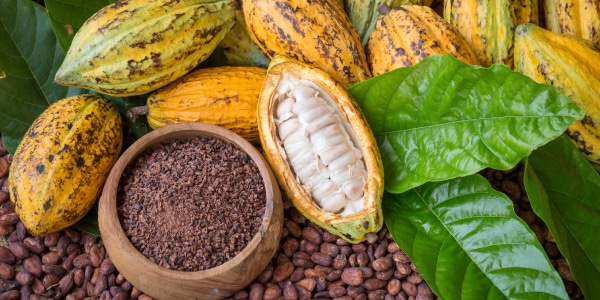
Any cocoa producer faces significant challenges in their farming practices that can negatively affect both yield and sustainability. Issues such as climate change, outdated farming techniques, and fluctuating market prices create hurdles in achieving consistent production. As farmers strive to adapt to these obstacles, many are seeking innovative solutions to improve their agricultural practices while ensuring environmental and economic viability.
- Environmental Impact
Cocoa farming—yep, the magic behind your beloved chocolate fix—is honestly a hot mess for the planet. Forests get mowed down, dirt goes from rich to useless, animals are basically getting eviction notices left and right. Traditional farming? Total disaster. People are starting to get it: if we keep running cocoa like it’s still 1950, pretty soon there’ll be nothing left to plant or harvest. So yeah, more and more people are pushing cocoa farmers to ditch the old ways and try something that doesn’t totally trash the environment.
- Economic Stability for Farmers
The weather really messes with cocoa farmers’ wallets. One bad storm or a pest invasion, and boom—yield drops, money gets tight. It’s not like farmers have a safety net, either. When they’re barely scraping by, forget about dropping cash on fancy sustainable farming methods. They’re just trying to keep the lights on and food on the table.
But economic stability in cocoa farming is just as vital as environmental considerations. He or she may find themselves trapped in a cycle of low prices and high costs, hindering their ability to invest in better farming techniques or upgrade equipment. As a result, many farmers face difficulties in transitioning towards more regenerative agricultural methods. Addressing these economic barriers is crucial for promoting sustainable practices that benefit both the farmer and the environment.
Case Studies of Regenerative Practices
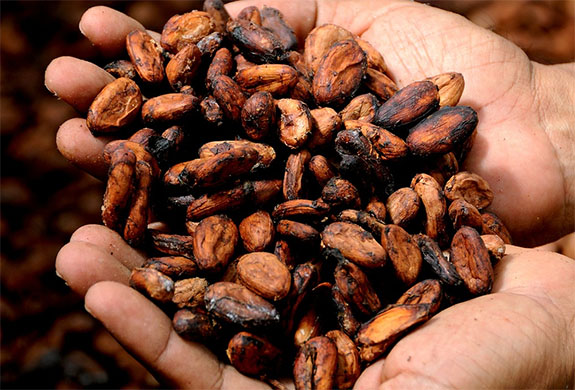
It is vital to examine successful examples of regenerative agriculture within the cocoa industry that demonstrate measurable improvements. Some noteworthy case studies include:
- Farms in Ecuador increased yield by 30% after adopting agroforestry systems.
- In Ghana, farmers reduced soil erosion by 40% through cover cropping and mulching.
- A cooperative in Peru improved biodiversity, recording a 25% rise in beneficial insect populations.
- In Colombia, integrated pest management strategies led to a 50% decrease in pesticide usage.
- Successful Implementations
Look, these case studies don’t just show off that regenerative stuff works—they’re basically proof that cocoa farmers are getting real, solid results not just on paper. You see farmers actually changing up their game, using the whole farm as one big system instead of just focusing on the beans. And, honestly? Yields are up, the land’s in better shape, and it’s not just some one-off; it’s happening all over the place, across different types of land and climates.
- Lessons Learned
Beside showcasing success, these case studies also reveal key insights that can guide future efforts in regenerative practices. They highlight the importance of community engagement and adaptive management tailored to local contexts.
Even as cocoa producers strive for sustainability, the lessons derived from these case studies emphasize the value of collaboration and knowledge-sharing. They underscore the significance of continuous monitoring and adapting strategies to local conditions, proving that a flexible approach can lead to lasting improvements in both yield and ecological integrity. Ultimately, they reinforce that the journey toward sustainability is ongoing, requiring dedication and innovation.
Techniques for Enhancing Soil Health
You’ve got cocoa farmers out here getting creative—ditching the old-school, soil-draining routines and actually caring about what’s under their feet. Stuff like cover crops and agroforestry? Total game-changers. Basically, they’re tossing in different plants and trees, letting nature do its thing, so the dirt gets beefed up with nutrients and doesn’t turn into a sad, dusty wasteland. The whole setup means cocoa plants are happier, but it’s not just about the chocolate. This approach helps keep the land from falling apart, keeps bugs and birds coming back, and, honestly, just makes farming using less for everyone involved.
- Cover Cropping
Cropping cover crops between cocoa planting seasons helps reduce soil erosion and increases organic matter. By planting legumes and grasses, farmers can enhance nitrogen levels and suppress weeds, promoting a healthier soil environment. The roots of these cover crops create channels in the soil, improving aeration and water infiltration, ultimately benefiting the cocoa plants.
- Agroforestry Methods
Health is another area where cocoa producers can enhance sustainability through the integration of agroforestry methods. By interspersing cocoa plants with various tree species, farmers create a diverse ecosystem that benefits both crops and wildlife. This practice encourages natural pest control, enhances biodiversity, and improves soil structure while providing shade to the cocoa trees, which can lead to better yields.
Honestly, agroforestry’s way more than just planting a few trees next to your cocoa and calling it a day. It’s kind of a game changer. You end up with a mini jungle vibe—birds, bugs, all sorts of critters just show up. That’s biodiversity doing its thing. Plus, farmers aren’t putting all their eggs in one basket. They can sell timber, fruits, random stuff that pops up, whatever pays the bills. Total win.
And the cool part? The trees and cocoa plants actually help each other out. The soil gets a boost, the whole setup rides out weird weather way better—think climate chaos, pests, the works. So instead of barely scraping by, these farmers are building something solid for the future. And yeah, they’re still getting all the cocoa they need. No need to pick between doing good and making a living.
Water Management Strategies
To achieve sustainable cocoa production, producers are adopting advanced water management strategies. These techniques focus on conserving water resources, improving soil moisture retention, and optimizing irrigation processes. By utilizing these strategies, cocoa farmers enhance productivity while minimizing environmental impact, ensuring the longevity of their crops and the ecosystems surrounding them.
- Rainwater Harvesting
After recognizing the unpredictability of rainfall patterns, cocoa farmers are increasingly incorporating rainwater harvesting systems. These systems capture and store rainwater, providing a reliable water source during dry spells. By efficiently managing this water resource, farmers can reduce dependency on traditional irrigation methods and promote a more sustainable agricultural framework.
- Irrigation Innovations
Behind the scenes, cocoa producers are exploring innovative irrigation methods that enhance water efficiency. Techniques such as drip irrigation and precision sprinklers deliver water directly to the roots of cocoa plants, minimizing waste and promoting even growth. These modern approaches empower farmers to use significantly less water, ultimately supporting sustainability while improving overall crop yield.
Plus, irrigation innovations are often coupled with technology, allowing farmers to monitor soil moisture levels and weather patterns in real time. This data-driven approach facilitates timely irrigation adjustments, ensuring plants receive just the right amount of water. By integrating these technology-enhanced systems, farmers not only boost their productivity but also contribute positively to environmental conservation efforts, fostering a resilient cocoa farming system.
Community Engagement and Training
Not only do cocoa producers benefit from implementing regenerative agriculture, but their communities also experience growth and development through robust engagement and training initiatives.
- Educating Farmers
If you want better cocoa (and who doesn’t?), you’ve gotta start with teaching the farmers. Not just the basics, either—give them the good stuff: how to keep their soil healthy, knock out pests without nuking the whole ecosystem, and what to do after they pick the beans. Everybody’s talking about “climate-smart” farming these days, which sounds fancy, but it’s really just common sense—don’t trash your land if you want it to keep giving you chocolate.
And look, nobody learns by sitting through another boring lecture. Get these folks into real workshops, let them get their hands dirty, maybe even set up demo farms so they can see what actually works. Plus, in 2024, if you’re not using digital tools, you’re missing out. Farmers need that too. Don’t stop with the planting stuff, though. Teach ‘em how money works, what the market wants, and how not to get ripped off by middlemen. Certifications? Yeah, those too—some buyers won’t even look at your beans without them.
- Building Local Networks
An imperative component of sustainable development is the establishment of strong local networks that facilitate collaboration and knowledge sharing among cocoa farmers.
Engagement in local networks encourages farmers to exchange best practices, resources, and innovative techniques for implementing regenerative agriculture. These networks foster a sense of community, allowing farmers to support one another in overcoming challenges. Additionally, the shared learning experiences increase farmers’ confidence in adopting new methods, ultimately leading to improved crop resilience and better economic outcomes for the whole community.
Conclusion
In conclusion, cocoa farmers are jumping on the regenerative ag train, and honestly, it’s about time. They’re mixing in stuff like cover crops, agroforestry—picture cocoa trees chillin’ with banana plants—and just generally giving the dirt some much-needed TLC. All that jazz is making their farms tougher in the long run. It’s not just good for the planet, but it’s also helping farmers keep their wallets from gathering dust. Feels like cocoa finally got the memo: you can grow chocolate and not breaking the earth.