Table of Contents
Wanna take your cocoa powder for premium desserts like in brownies or that taste from “meh” to “dang, who made this?” It’s all about picking the right powder. Natural cocoa, Dutch-processed, messes with the flavor, texture, and even the way your dessert looks. Fat content? Huge player. Ignore it, and you’re basically playing dessert roulette. The global ice-cream and dessert premixes market size was valued at USD 3 billion in 2024 and is estimated to grow at a CAGR of over 3.2% from 2025 to 2034.
Once you figure out how fat levels change things, you’ll start making smarter choices—no more dry, sad cupcakes. Get this down, and your sweets will not only taste killer, but they’ll actually look like something out of a fancy bakery window. Pretty wild how much difference a little cocoa know-how makes, huh?
The Role of Fat Content in Cocoa Powder

You ever bite into a chocolate cake and think, “This is insanely good,” and then try another and it’s… meh? Yeah, that’s the fat in the cocoa powder doing its thing. Cocoa with more fat—usually the fancy Dutch-processed stuff—brings that deep, lush flavor and makes everything feel creamy as heck in your mouth. The low-fat cocoa? Eh, it’s got this sharper, almost bitter kick. Sometimes that works, but honestly, it can throw off the whole vibe of your dessert. Getting the fat just right is basically the secret sauce—it keeps things moist and gives your brownies or whatever that amazing, melt-in-your-mouth magic.
- How Fat Content Affects Flavor and Texture
Fat in cocoa powder? That’s the secret. More fat equals that dreamy, melt-in-your-mouth vibe—like, actual chocolate heaven. Plus, the flavor gets richer. We’re talking deep, dark, and oh-so-satisfying. On the flip side, if you’re rolling with low-fat cocoa, brace yourself: things get way more bitter, and the texture? Kinda dry, a bit gritty, not exactly what you want in a brownie. So, honestly, picking the right cocoa is half the battle. If you want fudgy bliss, reach for the good stuff.
- The Science Behind Fat Interaction in Baking
You ever wonder why some brownies are dense and fudgy, while others are more cakey? Yeah, a lot of that’s the fat doing its thing with the other ingredients. Fat on cocoa powder for premium desserts helps all the liquid and dry stuff play nice, keeps the batter from getting weird, and totally changes the crumb or the rise. If you get how fat buddies up with flour and sugar, you can pretty much hack your cakes and brownies however you want. It’s like kitchen chemistry, but tastier.
The thing about fat in baking—it’s basically the unsung hero. Once you crank up the heat, fat just melts right in, throwing some serious steam into the mix and puffing things up. That’s why your cake doesn’t end up as flat as a pancake. Plus, fat’s out here coating flour like some kind of protective shield, keeping gluten from turning your bake into a chewy mess. You want that soft, dreamy crumb? Yeah, thank fat for that.
Now, not all fats play the same game. Butter, oil, anything—you swap ’em out, you get a different vibe. But let’s talk cocoa for a sec. Using cocoa with just the right fat content? Total game-changer. That’s the secret sauce for turning brownies or cakes. Seriously, bakers who know what’s up? They mess with the fat content in cocoa powder on purpose. Some want that deep, fudgy richness, others keep it lighter—depends on their mood, honestly. It’s not just science, it’s more like kitchen witchcraft.
Decoding Cocoa Powder Labels
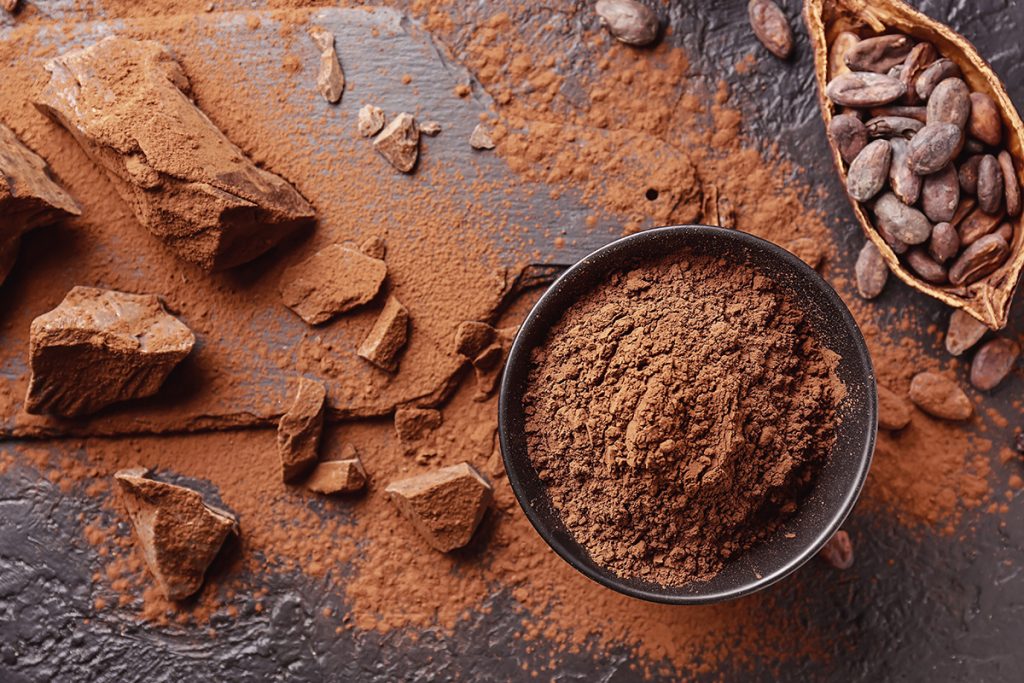
Honestly, reading cocoa powder labels feels like cracking some secret code. You’re hit with stats about fat content, words like “Dutch-processed” versus “natural,” and it’s all supposed to matter for how your brownies turn out. If you actually want your desserts to taste good (and not like dust), you gotta pay attention to this stuff. Sure, it’s a hassle—labels aren’t exactly user-friendly—but come on, once you nail it, your taste buds will thank you. Total game changer.
- Identifying Fat Percentage: What to Look For
Look, the fat in cocoa powder? More fat are about 22-24%, you get that deep, velvety chocolate vibe. Want something lighter, like a fluffy cake or basic brownies? The 10-12% stuff does the job. You gotta peek at the label, though, or you’ll end up with the wrong texture and wonder why your cake’s dry as dust or your brownies lack that fudgy magic. Trust me, your dessert’s destiny lives and dies by that fat percentage.
- Navigating Between Natural and Dutch-Processed Cocoa
Alright, here’s the thing with cocoa powder: natural stuff’s got this light brown color and a real tangy, almost sharp flavor—kinda wakes up your taste buds, you know? It loves hanging out with baking soda in recipes because, science (acid + base = magic rise). Then you’ve got Dutch-process cocoa, which is basically cocoa that’s been mellowed out with alkali. It gets all dark and smooth, and honestly, it’s like the cool older sibling—less drama, more chill.
Baking with them? Oh, it’s a whole different ballgame. Natural cocoa in your cake? Expect it to puff up nice and high, all light and pillowy, with that punchy, almost retro chocolate vibe. Seriously, it’s like a throwback to grandma’s kitchen. Now, swap in Dutch-process cocoa, and whoa—everything shifts. The cake turns dense, fudgy, basically flirts with being a brownie. It’s not about better or worse—just a matter of what mood you’re in.
When to Choose High-Fat Cocoa Powder
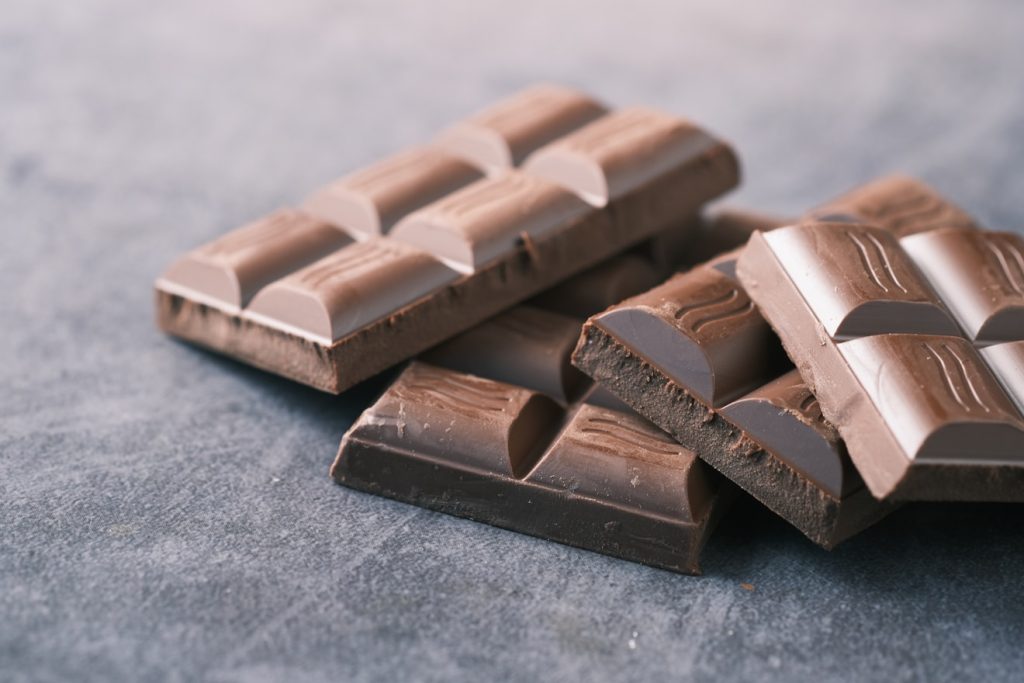
High-fat cocoa powder? that stuff’s like the secret weapon for anyone chasing that ultra-rich, melt-in-your-mouth chocolate vibe. You want brownies that slap? Or a cake that basically hugs your soul? This is what the pros grab. It’s got, like, 20-22% cocoa butter, so we’re talking next-level smoothness and depth. Normal cocoa just can’t compete. Honestly, once you’ve tried it in truffles or a dense chocolate cake, you’ll never go back. It just makes everything taste fancier—like, “I’m a chocolatier now” kind of fancy.
- Enhancing Richness in Chocolate Desserts
In chocolate desserts, high-fat cocoa powder contributes to a more decadent experience, adding both moisture and a creamy texture. It balances the sweetness of sugars and complements other ingredients, resulting in desserts that are not only rich but also satisfying. This powder acts as a perfect counterpart for butter or oils, enhancing the overall depth of flavor.
- Applications in Specialty Recipes
Alright, real talk: if you’re about to bust out some ultra-luxe hot chocolate, whip up a chocolate mousse that’ll ruin you for all other desserts, or that show-off frosting you only bother with when you’re trying to flex your baking skills—don’t even try to cheap out on the cocoa powder. Seriously, don’t do it. Grab the high-fat stuff. Seriously, it’s like the difference between sipping boxed wine and cracking open a vintage bottle. That extra fat? It just nails the flavor, keeps everything bold and, honestly, a bit decadent.
Take lava cake. You want that gooey center to taste like an actual dream, right? Use the good cocoa. Suddenly, it’s not just chocolate—it’s creamy, lush, and tastes way more expensive than it actually is. No sad, chalky aftertaste. Just smooth, melty chocolate happiness.
For gourmet hot chocolates, high-fat cocoa transforms good into extraordinary, providing a thick and luscious texture that clings to the palate. In chocolate mousses, it ensures that the dessert has a substantial chocolate impact while maintaining an airy consistency. When creating frostings for cakes, the high-fat cocoa acts as a flavor powerhouse, ensuring that each bite bursts with rich chocolate goodness.
Balancing Fat Content with Other Ingredients
Nailing that fat balance in desserts? It’s a wild ride. Go overboard—especially with that ultra-rich cocoa powder—and suddenly your treat’s drowning in heaviness. Poof, there goes the delicate whipped cream or that fluffy sponge you worked so hard on. Ratios matter, plain and simple. You can’t just toss in sugar, flour, eggs and hope for the best. Picture it: if you don’t pay attention to how everything meshes with that cocoa, you’ll wind up with a dessert that’s more like edible quicksand than anything you’d want to brag about.
- Adjusting Recipes for Optimal Performance
Swapping out cocoa powders is kinda like playing culinary Jenga—change one block and the whole thing might wobble. Grab a high-fat cocoa? You’ll probably wanna back off on the butter, unless you’re aiming for a cake that could double as a slip-n-slide. But if you end up with the low-fat stuff, you might need to throw in some extra oil or something else gooey, just so your brownies don’t end up tasting like chocolatey cardboard. Baking’s basically kitchen chemistry with a hint of chaos.
- Synergizing Flavors: The Role of Complementary Ingredients
You wanna make cocoa powder sing? Toss in some unexpected buddies. Cinnamon? Game changer. Chili? Vanilla and coffee? Total game-changers. They’re like the sidekicks who end up outshining the main act. Toss those in and boom—your dessert goes from basic to basically mind-blowing. It’s got depth, it’s got attitude… you’ll probably catch yourself wondering why you ever settled for plain old chocolate.
Exploring the interaction of flavors is both an art and a science. For example, adding a touch of espresso powder can intensify the chocolate taste without overpowering it, providing an unexpected depth. Similarly, a pinch of sea salt can contrast the sweetness, highlighting the richness of cocoa. Toss in some raspberries or a bit of orange zest—seriously, they cut through all that chocolate richness and give it this zingy, unforgettable taste You mixed up with stuff like that, and suddenly you’re not just baking, you’re playing in the big leagues.
Expert Insights: Bakers Share Their Preferences
Alright, here’s the real talk: bakers get pretty opinionated about their cocoa powder. Some folks are absolutely ride-or-die for the high-fat stuff—like, if you’re making mousse or ganache and you want it to taste like a chocolate explosion, that’s your ticket. Then there’s this people who really like the low-fat cocoa hill—especially when they’re baking cakes that shouldn’t feel like a brick in your gut. Wanna go big and bold, or keep things chill and light? Once you get a grip on your endgame, you start grabbing cocoa powder like you actually know what you’re doing.
- Tips from Professional Chocolatiers
Professional chocolatiers suggest considering cocoa powder’s sourcing and production methods when selecting a product. They frequently emphasize the importance of understanding the roast profile and refinement of the cocoa beans used, as this greatly influences the final taste. By prioritizing premium, ethically sourced cocoa powders, bakers and chocolatiers can ensure a quality outcome that resonates with consumers.
- Experiment with a blend of cocoa powders for depth and complexity.
- Always sift cocoa powder before measuring to aerate and prevent clumping.
- Test different brands to find which works best for specific recipes.
- The right choice can enhance the overall flavor and appeal of the dessert.
Chocolatiers also recommend keeping the cocoa powder in a cool, dry place to maintain optimal freshness. Regular testing in baking or confectionary recipes ensures that the chosen cocoa powder complements the overall flavor balance. This method allows bakers to remain innovative in their creations while adhering to their unique taste profiles.
- Pair high-fat cocoa powder with recipes calling for cream or butter.
- Use lower-fat cocoa powder in baked goods that require rise.
- Stay updated on new cocoa products entering the market for fresh inspiration.
- The insight from professionals can be instrumental in choosing the perfect cocoa powder for any dessert project.
Conclusion
Picking the right cocoa powder isn’t just some boring technical step—it’s kinda the secret weapon if you want your desserts to taste like a million bucks. You want something super rich and decadent? Go for the stuff with higher fat. Craving a lighter, punchier flavor? Maybe dial it back a bit. Honestly, once you get what that fat content does, suddenly your brownies or cakes stop being just “okay” and start making people ask for the recipe. It’s not rocket science, but it does make all the difference. Get picky about your cocoa and, trust me, dessert just hits different.