Table of Contents
Chocolate is a beloved ingredient in various culinary delights, but its freshness and texture can easily deteriorate if not stored properly. To help enthusiasts and amateur chefs alike, provide valuable tips on maintaining the quality of chocolate paste. In this post, you will learn about the optimal chocolate paste storage tips, the conditions, ideal containers, and methods to extend shelf life without compromising flavor or consistency. By following these expert recommendations, they can ensure that their chocolate paste remains a delectable addition to their recipes for longer periods.
Mastering Optimal Chocolate Paste Storage Tips: About the Conditions

Achieving the ideal environment for chocolate paste is necessary for preserving its flavor and texture. Proper conditions can significantly extend its shelf life and enhance the overall quality. Chocolate enthusiasts appreciate these factors as they strive to maintain that irresistible, silky smooth consistency that makes chocolate paste so desirable.
- Temperature Control: The Sweet Spot
| Temperature Conditions | Effects on Chocolate Paste |
|---|---|
| 15-20°C (59-68°F) | Preserves flavor and texture; prevents bloom. |
| Low temperatures (below 15°C/59°F) | Can make it difficult to spread. |
| High temperatures (above 25°C/77°F) | May cause separation or melting. |
- Humidity Levels: The Silent Enemy
Avoiding high humidity is vital for maintaining chocolate paste integrity. Excess moisture can lead to sugar bloom, which is an unsightly, grainy texture that diminishes the paste’s quality. Ideal humidity levels should stay below 60% to ensure the rich, smooth experience chocolate lovers seek.
In environments with high humidity, chocolate paste can absorb moisture, resulting in undesirable alterations to both appearance and taste. Delicate emulsions within the paste break down, creating a less appealing consistency and flavor profile. Shedding those pesky water droplets is necessary, as they can drastically impact the user experience. Storing chocolate in a climate-controlled environment not only enhances longevity but also maintains that luxurious mouthfeel that makes it a staple in culinary creations.
Container Choices That Preserve Flavor
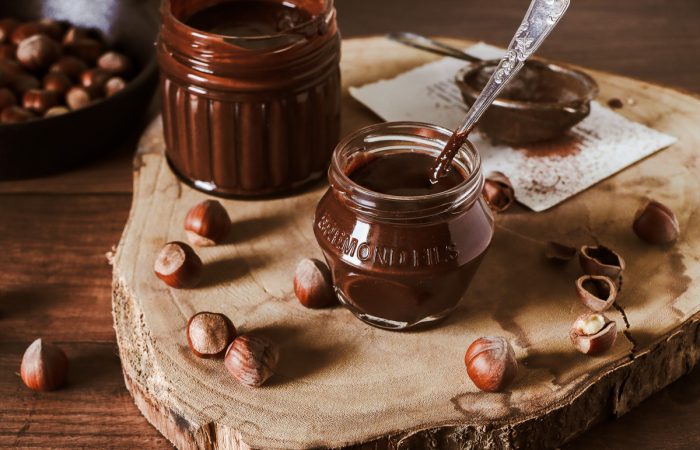
Selecting the right container can significantly impact the freshness and texture of chocolate paste. Containers should provide an ideal environment that minimizes exposure to air, moisture, and light. Glass jars with sealing lids are often preferred, as they create a tight seal that helps maintain the paste’s rich flavor while preventing any undesirable odors from seeping in. Stainless steel options are also available, offering durability and effective airtight closures. Considering these factors will ensure that chocolate paste is stored optimally for ongoing enjoyment.
- Airtight Solutions: Guarding Against Oxidation
Airtight containers are imperative for protecting chocolate paste from oxidation, which can lead to flavor degradation over time. When exposed to air, the rich oils in chocolate can turn rancid, compromising the paste’s quality. Using vacuum-sealed containers or jars with secure lids creates a barrier that helps retain freshness. Opting for an airtight solution not only preserves the taste and aroma but also prolongs the shelf life, ensuring that every spoonful remains as delightful as the first.
- Material Matters: Glass vs. Plastic
Choosing between glass and plastic for storing chocolate paste can influence both preservation and taste. Glass containers are non-porous, allowing them to stay odor-free and preserve the chocolate paste’s true flavor, while also providing a barrier against moisture. On the other hand, high-quality food-grade plastics can be lighter and more convenient but may not hold up as well against heat and high-fat content. She found that glass preserves the integrity of the taste better and does not carry over flavors, making it an excellent long-term choice.
When comparing glass to plastic, durability and chemical interactions come into play. For instance, glass containers can withstand higher temperatures and are less likely to warp over time, which can happen with plastic. Additionally, certain plastics may leach chemicals into food, especially when in contact with oils or fats common in chocolate paste. Glass containers eliminate this concern, ensuring that the chocolate paste remains purely flavored and free from any adverse chemical influences. Furthermore, glass is often easier to clean and sanitize, making it a practical option for extended storage.
Portion vs. Bulk: Storage Strategies

Deciding between portioning chocolate paste for immediate use or storing it in bulk for future recipes can greatly influence freshness. Single servings allow for convenient, quick access, minimizing waste, while bulk storage can be economical for frequent bakers or those who love to incorporate chocolate paste into various dishes. Ultimately, choosing the right strategy balances convenience and quantity, ensuring that chocolate paste remains delectable and easy to use.
- Single-Serving Techniques for Convenience
Utilizing single-serving containers can transform the experience of using chocolate paste. By portioning paste into small, airtight jars or silicone mold trays, she ensures easy access and reduces the chance of contamination or spoilage. These single servings can also be stored in the freezer, allowing her to take out just what she needs, enhancing her culinary efficiency.
- Storing Larger Quantities Without Compromise
For those who prefer buying or making chocolate paste in larger batches, strategic storage is key to maintaining quality. Recommend dividing the paste into smaller, vacuum-sealed packages before placing them in the freezer. This method prevents freezer burn and the absorption of unwanted odors, ensuring that even when she defrosts chocolate paste, it retains its original flavor and silky texture.
Freezing larger quantities of chocolate paste should involve careful packaging to avoid ice crystals forming, which can affect both texture and flavor. Plastic freezer bags with excess air removed are ideal, as they help limit exposure to air. When she needs to use the paste, thawing it in the refrigerator overnight preserves its consistency. This approach not only extends the lifespan of the paste but also keeps it ready for baking or snacking at a moment’s notice, making it a versatile pantry staple.
The Art of Reviving Stale Chocolate Paste
Even the most diligently stored chocolate paste can succumb to staleness over time. Resurrecting its smooth texture and rich flavor is possible with a few simple techniques. By applying the right methods, you can breathe new life into your chocolate paste, making it spreadable and enjoyable once again.
- Simple Tricks to Regain Texture
To restore the desired consistency, you can gently heat the chocolate paste in a microwave or on a stovetop. A few short bursts of low heat will allow the fats to melt slightly, helping to smooth out any clumps. Adding a small splash of vegetable oil can also aid in returning its creamy texture without overpowering the chocolate’s flavor.
- Flavor Enhancements for a Fresh Taste
To revitalize the flavor profile of stale chocolate paste, you can integrate ingredients that complement chocolate’s natural richness. A hint of vanilla extract or a dash of espresso powder can elevate the taste, making it sing with freshness and vibrancy.
Adding flavor enhancements can transform stale chocolate paste into a delightful treat. Vanilla extract, with its warm and aromatic qualities, can introduce a deeper complexity, while espresso powder accentuates the chocolate’s inherent richness. Even a pinch of sea salt can revive the flavor, enhancing sweetness and depth. Experimenting with these simple additions allows for a tailored approach to flavor rejuvenation, ensuring that each spoonful is as indulgent as the first.
Expert Tips from the Chocolate Industry
Insights from experienced chocolate makers can enhance home storage practices for chocolate paste, ensuring optimum quality. They recommend:
- Using airtight glass containers to minimize air exposure.
- Storing chocolate paste in a cool, consistent temperature environment, ideally below 70°F (21°C).
- Avoiding temperature fluctuations that can lead to unwanted crystallization.
- Labeling containers with the date of storage to monitor freshness.
This knowledge directly influences the longevity and enjoyment of chocolate paste.
- Insights from Chocolate Makers
Those working in the chocolate industry emphasize the significance of proper storage techniques. Many artisans suggest wrapping chocolate paste in parchment paper before placing it in an airtight container, which provides an additional layer of protection against moisture and unwanted odors. Additionally, some recommend keeping a small desiccant sachet inside the container to prevent humidity buildup, ensuring a smooth texture over time.
- Common Misconceptions Debunked
Several widespread beliefs about chocolate paste storage can mislead amateurs and culinary enthusiasts alike. One such myth suggests that refrigeration is the best way to store chocolate paste, but this practice can lead to condensation and negatively impact texture. Many believe that all chocolate pastes have an indefinite shelf life, while the reality is that quality diminishes over time, even in optimal storage conditions.
Conducting thorough research often reveals that even the slightest changes in storage methods can affect chocolate paste quality. For instance, freezing chocolate paste isn’t recommended as it can alter both flavor and texture. Educated enthusiasts avoid common pitfalls by adopting insights from industry professionals and adhering to best practices for maintaining their chocolate paste’s original allure. Creating a favorable storage environment can prolong freshness and enhance culinary applications, extending the enjoyment of this deliciously rich ingredient.
To wrap up
Now that she understands the best practices for storing chocolate paste, you can ensure it remains fresh and maintains its texture. They should keep it in a cool, dark place, ideally in an airtight container, to prevent moisture and air exposure. You should also consider refrigerating it for longer storage, but allowing it to thaw properly will help preserve its smooth consistency. With these simple tips, they can enjoy their chocolate paste at its finest for longer periods.