
Table of Contents
There’s a growing interest in gene editing as a revolutionary tool that could reshape the future of cacao cultivation. Experts are exploring how precise genetic modifications can enhance cocoa yield and improve the taste profile of chocolate, which is highly sought after by consumers. They examine various techniques, including CRISPR technology, to address challenges like diseases and environmental stressors that affect cacao production. By leveraging these advancements, researchers aim to ensure gene editing in cacao more sustainable and profitable cacao industry while delighting chocolate lovers around the world.
Understanding Gene Editing

Before exploring the specific impacts of gene editing on cacao, it is important to grasp the underlying concepts of this innovative technology. Gene editing entails precise modifications to an organism’s DNA, enabling researchers and farmers to enhance traits such as yield, disease resistance, and flavor. This burgeoning field holds significant promise for agriculture, particularly in crops like cacao, where optimizing genetic characteristics can lead to transformative benefits for producers and consumers alike.
- Overview of Gene Editing Techniques
On examining gene editing techniques, one finds various methods employed to alter genetic material. Techniques such as CRISPR-Cas9, TALENs, and ZFNs allow scientists to efficiently insert, delete, or modify genes within an organism’s genome. Among these, CRISPR-Cas9 has gained prominence due to its accessibility, speed, and precision. These advancements enable targeted changes, minimizing unintended effects and offering agricultural applications that can significantly enhance crop performance.
- Applications in Agriculture
The applications of gene editing in agriculture are diverse and transformative. These techniques empower scientists to develop crops that are more resistant to pests, diseases, and environmental stressors, ultimately leading to increased yields and improved quality of produce.
And as researchers apply gene editing to agriculture, they focus on enhancing the resilience of crops like cacao. By developing disease-resistant cacao plants through targeted gene modifications, they aim to combat common threats such as fungal infections and climate-related stresses. Furthermore, enhancing flavor profiles and increasing the yield of cacao beans can provide benefits to farmers and consumers alike, driving growth within the cocoa industry. With continuous advancements, gene editing holds the potential to reshape not only cacao production but also the broader agricultural landscape.
The Cacao Plant

While the cacao plant, Theobroma cacao, thrives in tropical climates, it requires specific conditions to flourish. Native to Central and South America, this small evergreen tree produces cacao pods that house the beans used to create chocolate. Cultivated in diverse ecosystems, the cacao plant’s health is strongly influenced by soil quality, climate, and biodiversity, making it vital for growers to understand these factors to maintain healthy production levels.
- Biological Characteristics of Cacao
To appreciate the unique traits of the cacao plant, one must consider its complex biology. The plant typically grows between 15 to 25 feet tall and produces large, vibrant pods containing 20 to 50 cacao beans. Each bean is enveloped in a sweet pulp, which plays a vital role in the fermentation process necessary for developing flavor. Moreover, the cacao tree is often cultivated under the canopy of taller trees, highlighting its reliance on specific environmental interactions for optimal growth.
- Current Challenges in Cocoa Production
Before advancing in cocoa production, it is important to acknowledge the current challenges faced by growers. Factors such as diseases, pests, climate change, and socio-economic issues contribute to lower yields and inconsistent quality in cocoa crops.
With increasing global demand for chocolate, the challenges in cocoa production present significant obstacles for stakeholders in the industry. Cacao plants are susceptible to diseases like swollen shoot virus and black pod disease, which can devastate crops. Additionally, climate change poses a threat by altering rainfall patterns and temperatures, making regions less suitable for cacao cultivation. Furthermore, farmers often struggle with economic pressures and fluctuating market prices, leading to neglect of farms and reduced investment in improving practices. Addressing these challenges requires innovative approaches to enhance resilience and sustainability in cocoa production.
Enhancing Cocoa Yield through Gene Editing
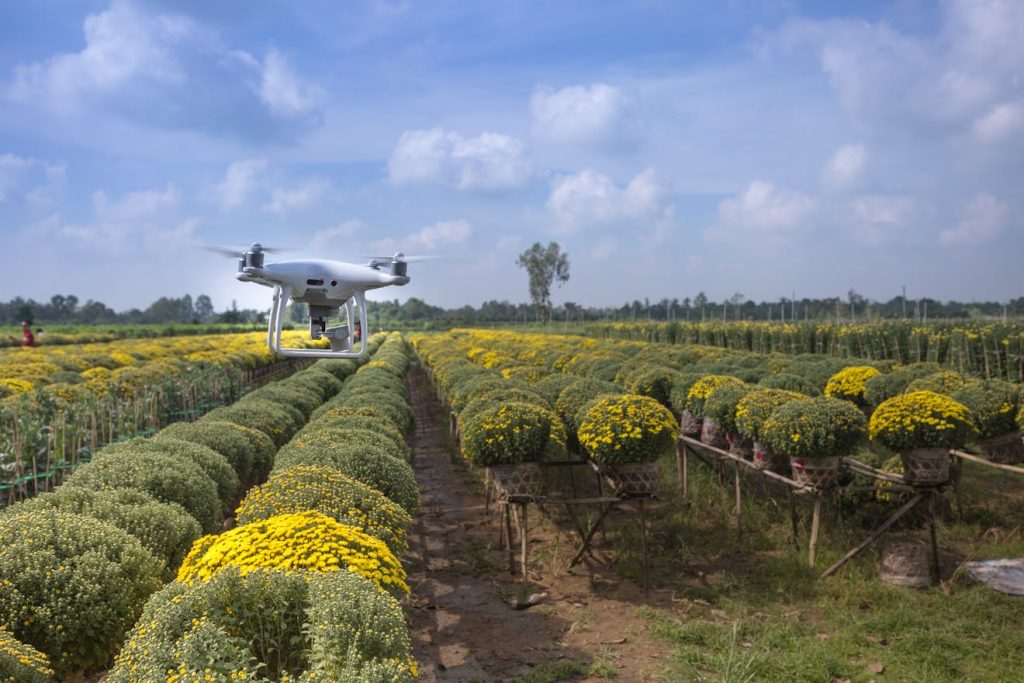
Now, gene editing holds the promise of dramatically improving cocoa yield by enabling scientists to create cacao plants that are more resilient to diseases, pests, and climate change. By optimizing the genetic traits associated with growth and productivity, they can contribute to sustainable farming practices and meet the increasing global demand for cocoa. This innovative approach can significantly enhance not only the quantity produced but also the quality of cocoa beans harvested, potentially leading to a better end product for chocolate manufacturers.
- Potential Genetic Modifications
Through targeted gene editing techniques, researchers can identify and modify specific genes that play vital roles in cocoa plant health and productivity. They may focus on enhancing traits such as disease resistance, drought tolerance, and faster growth rates. By fine-tuning these genetic components, they aim to produce cacao varieties that thrive under challenging environmental conditions, thereby increasing both yield and sustainability in cocoa farming.
- Case Studies and Research Findings
Behind the advancements in cocoa yield through gene editing, several studies demonstrate promising results. Researchers have successfully identified key genetic markers that relate to higher yield and resistance to diseases, leading to practical applications in cocoa cultivation. These case studies reveal significant data that underscores the potential of gene editing in enhancing cocoa yield.
- A study by the International Institute of Tropical Agriculture (IITA) reported a 40% increase in yield in gene-edited cacao plants over traditional varieties.
- Research conducted by the Cocoa Research Association showed a 30% reduction in disease susceptibility in genetically modified cacao trees.
- Field trials led by a collaboration of universities highlighted an 18% improvement in drought tolerance among selected gene-edited cocoa varieties.
For instance, IITA’s initiatives have showcased the remarkable potential of gene editing technologies. They have achieved a 40% yield increase in specific cacao plants, making them a vital component for future cocoa production. Additionally, reductions in disease susceptibility by over 30% through genetic modifications demonstrate a clear pathway to more sustainable and resilient farming practices. As these findings continue to evolve, they may play a significant role in shaping the future of the cocoa industry.
Improving Cocoa Taste and Quality
For farmers and chocolate makers alike, enhancing cocoa’s flavor and quality is vital for achieving superior products. Advances in gene editing technology offer the potential to isolate specific traits that contribute to taste and aroma. By targeting genetic modifications, they aim to create cacao varieties that provide enhanced flavor profiles and overall quality, satisfying both the producers’ needs and consumers’ palates.
- Genetic Factors Influencing Flavor
Between the many genetic factors that influence cocoa flavor, specific compounds like flavonoids and aromatic compounds play a significant role. For instance:
- Flavonoids contribute to cocoa’s bitterness and astringency.
- Aromatic compounds are vital for the distinctive chocolate scent and flavor.
- Genes associated with lipid profiles can affect mouthfeel and texture.
Knowing these genetic components allows scientists to manipulate cacao varieties for more desirable taste outcomes.
- Consumer Preferences and Market Trends
Market research indicates that consumer preferences are shifting towards unique and high-quality chocolate experiences. As global demand for premium chocolate rises, consumers increasingly favor distinct flavor profiles and ethically sourced ingredients. They are willing to pay a premium for products that enhance their tasting experience, making taste and quality paramount for producers.
And to stay competitive, chocolate manufacturers must adapt to these evolving preferences. They increasingly seek cacao varieties that not only yield more but also meet the demands for flavor complexity and quality. By investing in innovative agricultural practices and gene editing technologies, they aim to create chocolates that resonate with consumers, maintaining a balance between tradition and modernity in the chocolate market.
Ethical Considerations of Gene Editing in Agriculture
Not all stakeholders view gene editing in agriculture favorably. Ethical concerns arise around potential environmental impacts, the accessibility of technology to small farmers, and the implications for biodiversity. She believes that while technology holds promise, it must be approached with caution, ensuring that ethical standards govern its application for sustainable agricultural practices.
- Public Perception and Acceptance
To gauge the effectiveness of gene editing in cacao, one must consider public perception and acceptance. State that consumer attitudes towards genetically modified organisms (GMOs) can influence market dynamics significantly. Engaging stakeholders, including farmers and consumers, becomes key in fostering understanding and acceptance of gene editing technologies.
- Regulatory Frameworks
Gene edits in agriculture require robust regulatory frameworks to ensure safety and efficacy. They must navigate various national and international guidelines to promote responsible adoption of these technologies.
Editing regulations vary widely by country, influencing how gene editing technologies are implemented in agriculture. They are designed to assess safety, environmental impact, and long-term sustainability, but often lag behind technological advancements. As stakeholders advocate for clearer guidelines, it remains important for policymakers to adapt existing frameworks to accommodate these innovations, ensuring that ethical considerations, such as food security and equity for farmers, are prioritized as necessary components of these regulatory discussions.
Future Prospects of Gene Editing in Cacao
To understand the future prospects of gene editing in cacao, one must recognize the potential for transforming agricultural practices. Innovations in CRISPR technology promise not only to boost yield but also to enhance the flavor profiles of chocolate. Researchers are optimistic that this approach can produce cacao varieties that are more resilient to climate change and disease, ensuring a sustainable and higher-quality chocolate supply for future generations.
- Innovations on the Horizon
With advancements in gene editing techniques, scientists are exploring novel methods to address the challenges faced by cacao farmers. New initiatives aim to develop varieties that are resistant to common pests and diseases, while also improving the sensory qualities of chocolate. These innovations could significantly enhance food security and provide consumers with richer flavors, making chocolate even more enjoyable.
- The Role of Biotechnology in Sustainable Farming
One of the main advantages of biotechnology in cacao farming lies in its ability to create sustainable agricultural practices. By employing gene editing, farmers can cultivate crops that require fewer pesticides and fertilizers, reducing their environmental footprint. In turn, this approach can lead to healthier ecosystems and more resilient farming systems.
But the benefits of biotechnology extend beyond mere crop resilience. By fostering a diverse range of cacao plants that thrive in varying conditions, you can help local farmers adapt to the uncertainties brought about by climate change. Enhanced biodiversity through gene editing can also contribute to better soil health and reduced pest outbreaks, ultimately leading to more sustainable farming practices.
To wrap up
Following this, it is evident that gene editing holds significant potential for enhancing cocoa yield and improving taste profiles in cacao. Researchers and agriculturalists are exploring various genetic modifications to combat diseases and adapt to climate changes, ultimately benefiting farmers and consumers alike. As technology advances, they anticipate that these innovations will not only contribute to sustainable cacao production but also play a vital role in meeting the growing global demand for high-quality chocolate. Continued exploration in this field underscores the importance of balancing technology with environmental and ethical considerations.